Johny Prima
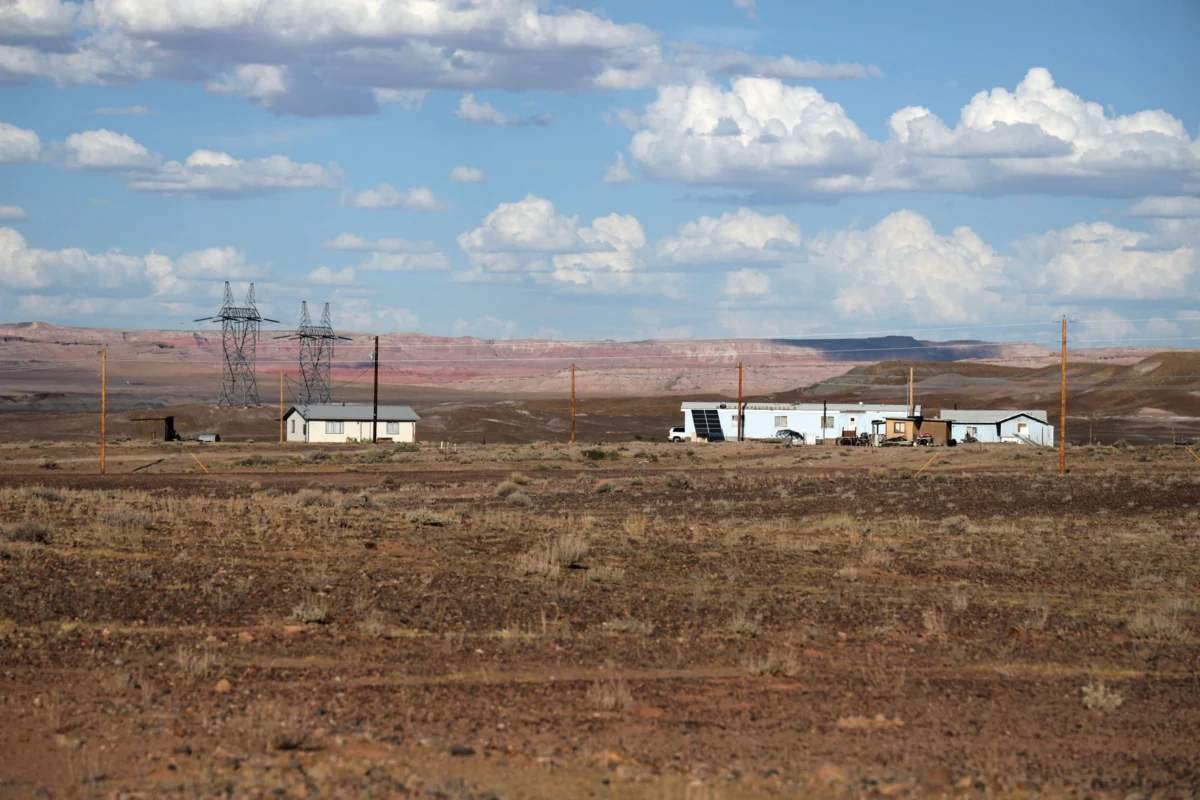
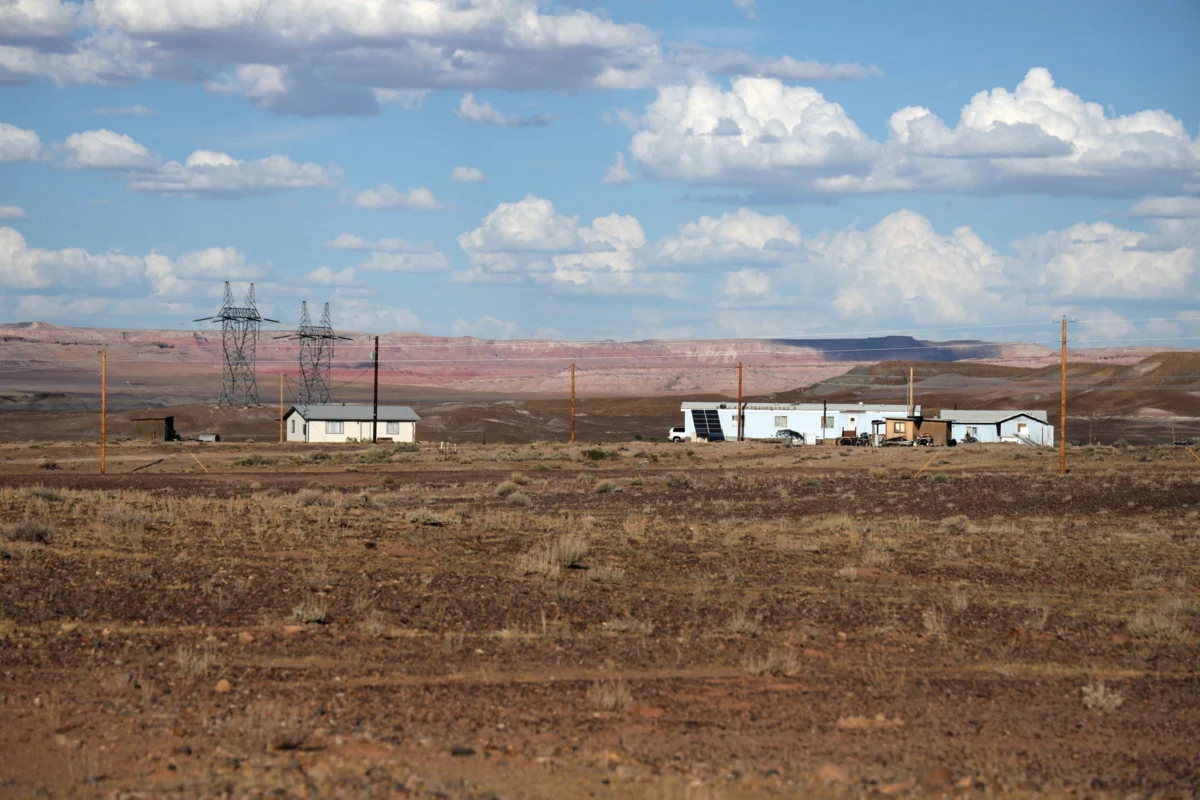
When members of the Coalmine Canyon Chapter in northeast Arizona first encountered plans for the Painted Desert Power project, slated to become one of the largest solar installations in the United States, their initial skepticism quickly intensified. The proposal, initially outlining a 1,000-acre solar farm on their ancestral rangeland, swiftly ballooned to encompass over 4,000 acres, fueling deep-seated anxieties among residents. This expansion, coupled with a long history of perceived disregard from the Navajo tribal government and a lingering distrust of external development, left many community members feeling marginalized and apprehensive about the project’s true implications.
Tyrel Jones, secretary of the chapter’s Community Land Use Planning Committee, articulated the sentiment prevalent in Coalmine Canyon, stating, "That made this whole project, as it kept progressing, more and more like we were being sold down the river. Or being taken advantage of, and not given any real voice." This feeling of disempowerment is not new, echoing generations of experiences where resource extraction projects on tribal lands often prioritized external interests over local community well-being.
Freddie Hatathlie, a retired Army veteran, rancher, and lifelong resident of Coalmine Canyon, highlighted the profound challenge residents faced in comprehending a development of such monumental scale, designed to generate hundreds of megawatts of electricity. Technical presentations and explanations, frequently delivered in English, proved largely inaccessible to many local Diné speakers, exacerbating the communication gap. Hatathlie stressed the need for tangible representations, urging developers, "Make a model, draw models, build a model, so we can see it." His own understanding, he noted, came only from his prior experience working in a large power plant, a rarity among his neighbors.
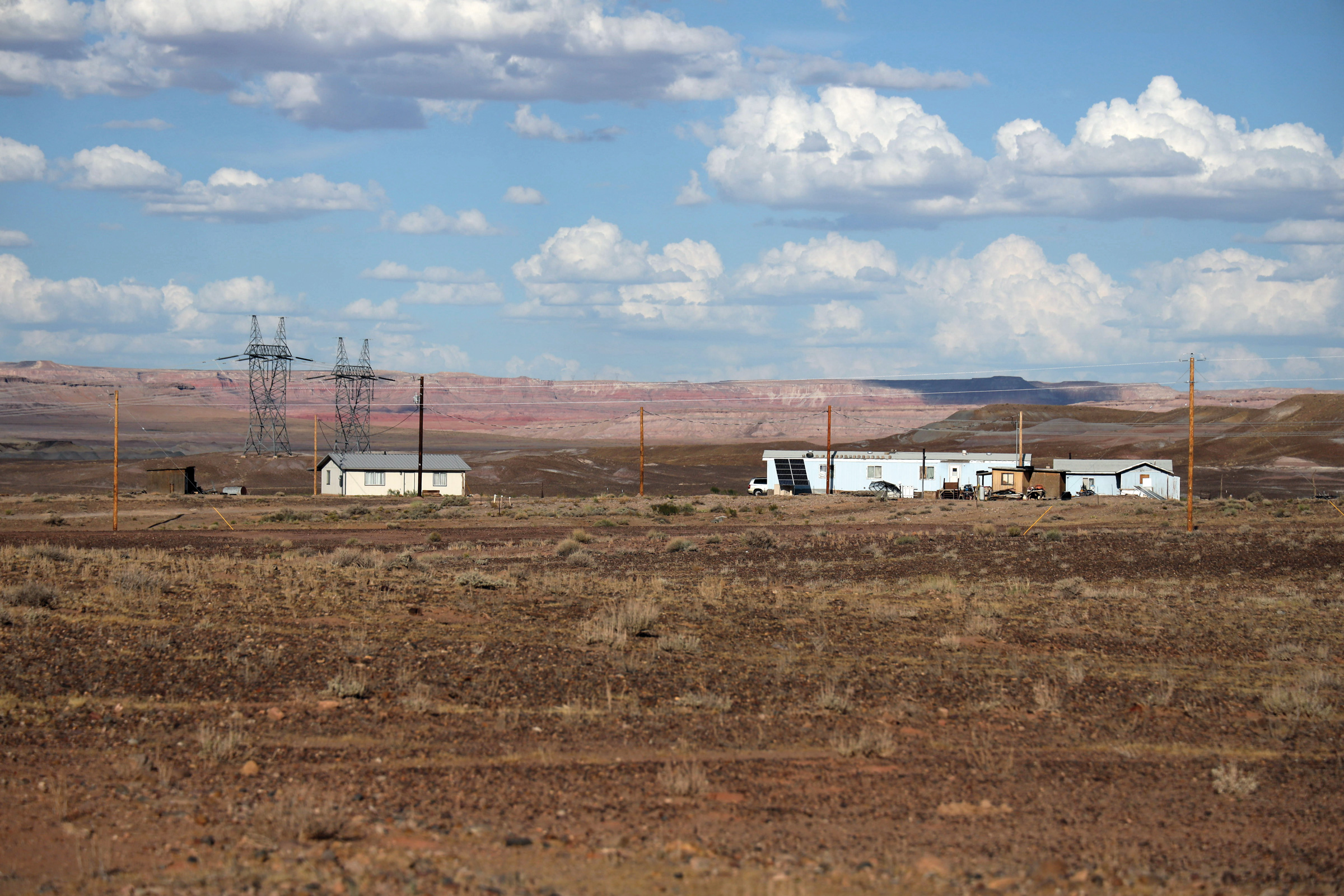
The burgeoning landscape of solar development across the Navajo Nation is exposing significant gaps in existing lease and tax policies, prompting crucial questions about how to ensure that the economic and social benefits of such projects are distributed equitably across the vast tribal lands. Furthermore, the Painted Desert Power project serves as a poignant case study, offering critical insights into the complex mechanisms by which large-scale renewable energy developments, often spearheaded by external corporations, seek and secure tribal approval. This scenario is not unique to the Navajo Nation; Indigenous communities worldwide frequently grapple with similar challenges, balancing the promise of economic development with the imperative of protecting land, culture, and self-determination.
The push for renewable energy has gained considerable urgency on the Navajo Nation, particularly following the closure of major coal-related operations, which historically provided substantial revenue and employment but also left a legacy of environmental concerns. Currently, existing solar projects span approximately 915 acres. The Painted Desert Power project alone proposes an additional 4,500 acres in Coalmine Canyon, marking a significant leap in scale and ambition. While many existing solar initiatives on the Nation have been spearheaded by the Navajo Tribal Utility Authority (NTUA), the Painted Desert Power project distinguishes itself through its sheer size and its unique partnership structure. Navajo Power PBC, a Navajo-owned organization not directly affiliated with the tribal government, specializing in bringing renewable energy to tribal communities, has partnered with Applied Energy Services (AES), a Virginia-based global energy company poised to own and operate the facility. Together, they formed the subsidiary, Painted Desert Power LLC.
Navajo Power PBC did not respond to inquiries regarding the project, but AES provided a detailed response on behalf of the project team. In an email, AES stated that it conducted over 70 chapter and community meetings before the lease received tribal approval. The company also confirmed securing four chapter resolutions of support, along with written consent from affected grazing-permit holders, a requirement under Navajo leasing regulations. "At AES, we understand that our success as a company is only as strong as our partnerships with the communities where we operate. Community consent is at the core of AES and Navajo Power PBC’s approach to development on the Navajo Nation," the email affirmed.
Despite these assurances and procedural steps, many residents living closest to the proposed development remained profoundly unclear about the specifics of the project, its operational mechanisms, and its tangible benefits for their immediate community. Tyrel Jones underscored how the project’s rapid expansion, from 1,000 to over 4,000 acres, fundamentally altered the community’s perception of who would ultimately benefit. He voiced strong concerns about the involvement of a "large U.S. global company called AES that has no affiliation ever with the Navajo Nation" making demands and offering power that it would "solely control." Jones described the situation as "just another example of a Trojan horse after another Trojan horse after another Trojan horse — which eventually we will have no say-so over any of these major promised entities." This powerful metaphor speaks to a historical pattern where external entities have entered tribal lands under the guise of progress, only to establish control over resources and diminish local autonomy.

Jones further noted that the proposal was initially presented during the early stages of the COVID-19 pandemic, a period that inherently limited robust community engagement. Chapter members reported receiving minimal formal documentation, primarily pamphlets containing general bullet points. The increasing acreage and vague references to various organizations raised persistent questions about the true stakeholders, the ultimate scale of the project, and the rationale behind its continuous expansion.
A primary concern for residents, articulated by Freddie Hatathlie, revolved around the distribution of the generated power. The electricity, they learned, would not directly flow to local homes but would instead be fed into the broader electrical grid, primarily serving off-Nation urban centers. Hatathlie drew a parallel to the former Navajo Generating Station, a massive coal-fired plant on the Navajo Nation that primarily powered distant cities like Los Angeles and Phoenix. "If you look at the Navajo Generating Station over there in Page, you know that generating station didn’t power Page at all. Zero," he asserted, highlighting a painful historical precedent where tribal resources fueled external prosperity while local communities remained underserved.
AES acknowledged that the utility-scale Painted Desert Power project would not directly supply local Navajo homes. However, to address the immediate electricity needs of the community, AES stated that Navajo Power PBC co-created a subsidiary called Navajo Power Home. This subsidiary focuses on installing off-grid solar systems for individual homes, intending to bridge the gap between large-scale generation and residential electrification. According to AES, Navajo Power Home has installed over 550 off-grid solar systems across the Navajo Nation, with more than 80 in the Cameron and Coalmine Canyon chapters alone, and an additional 300 installations planned by year-end.
While these off-grid solutions offer some relief, their limitations are evident. Arlando Yellowhair, a Coalmine Canyon resident and Navy veteran who received a Navajo Power Home solar unit, reported that the system provided just enough electricity to run his refrigerator and a few lights. "Eight kilowatts is not sufficient for a family to function without being aware of how much you’re using. You really have to pay attention to the amount that you’re using," Yellowhair emphasized, pointing to the stark contrast between the project’s massive output and the modest provision for local households.

The Painted Desert Power project is slated for phased construction, with the first phase anticipated to commence in 2027 and full operational status by 2030. Upon completion, the facility will be an industrial marvel, utilizing "1,363,635 solar panels and 816 battery enclosures," according to AES, a testament to its massive scale and the significant land footprint it will occupy.
Beyond the energy distribution, critical questions persist regarding the financial benefits, specifically how AES’s lease payments and tax revenues would ultimately reach the community. Coalmine Canyon Chapter’s status as an uncertified chapter significantly complicates the direct distribution of funds. AES holds leases on Navajo Nation trust land, as well as individual grazing permits from local residents. According to AES, its lease agreement with the Navajo Nation stipulates annual payments of $545 per acre, increasing by 2% annually over the project’s 40-year lifespan. Over this period, AES projects the development will generate more than $310 million in lease and tax payments. AES confirmed that it negotiated this lease amount and a "competitive tax package" with the Navajo Nation Minerals Department.
The company also cited additional community benefits, including a commitment of "$16.7 million per Chapter over project lifetime," suggesting that annual payments could "more than double the Chapter’s FY26 budget." However, the path for these funds to reach individual residents or directly benefit the local chapter remains opaque. Because Coalmine Canyon is an uncertified chapter, project revenues would not flow directly to it but would instead be routed through the Navajo Nation Office of the Controller in Window Rock, the tribal capital. This bureaucratic layer creates a barrier, making it difficult for local communities to directly manage or even trace their allocated share of the project’s financial gains.
Much of this intricate information was presented to residents in a dense, 60-slide PowerPoint presentation over a two-day period. Hatathlie noted the developers’ reliance on highly technical presentations and industry terminology, largely delivered in English, which further alienated many attendees. While workshops and informational meetings continued, Hatathlie increasingly felt that critical decisions had already been finalized by the larger Navajo government, rendering local input largely performative rather than truly influential.

The ambiguity surrounding financial flows is intrinsically linked to Coalmine Canyon Chapter’s uncertified status. As a Non-Governance Certified Chapter, it lacks the autonomy to manage its own finances. Instead, its funds are administered through the Navajo Nation Administrative Service Centers. Certified chapters, having demonstrated financial self-sufficiency, enjoy expanded authorities, including the ability to issue business site leases, lease chapter property, enter contracts with various government entities, hire legal counsel, appropriate funds, and generate revenue directly. This distinction means that, as Coalmine Canyon Chapter Grazing Official Shaun Hudson explained, the chapter may not directly receive any financial benefits from the solar project. "So certified chapters, they have more freedom to, I guess, utilize their money … with outside entities," Hudson clarified, highlighting the disparity in financial empowerment.
This situation also casts a harsh light on the inherent difficulty for Navajo Nation residents to navigate complex legislative procedures. Leases, tax measures, and project approvals typically pass through numerous committees and review stages before reaching a final decision, a process that many find impenetrable. Shawna Claw, Chinle Council delegate and member of the Navajo Nation Resource and Development Committee, acknowledged that this legislative complexity often sows confusion. For example, some residents mistakenly believed their grazing permits were being obtained without their consent during the tax structure discussions, an issue that should have been addressed during the separate lease approval process. "A lot of the community members got that confused with the lease," Claw said. "And so they started putting in comments about, well, ‘My consent, or my consent wasn’t given.’"
Indeed, legislative records on the project’s tax arrangement show that chapter residents submitted letters requesting the rescission of their grazing permits, explicitly stating their unwillingness for their land to be used for the solar project. Claw noted that residents who believe their grazing permits were obtained without proper consent can appeal through the Navajo Nation Department of Agriculture and request an independent review. However, she recognized that many residents, particularly in remote areas with limited access to information and legal resources, may be entirely unaware of these procedures.
The discussions surrounding the Painted Desert Power project have brought into sharp focus broader questions about the regulatory framework for renewable energy projects on the Navajo Nation. Tyrel Jones pointed out that tribal leaders are still grappling with how to appropriately tax and govern large-scale solar developments, largely because the Navajo Nation has yet to establish a comprehensive renewable energy policy framework. This policy vacuum creates uncertainty for both developers and communities, contributing to the current challenges.

Former Navajo Nation Council Delegate Thomas Walker Jr., who represented several chapters including Coalmine Canyon, emphasized that the existing comprehensive land-leasing, legislative, and review process was designed to ensure all stakeholders have a meaningful role. "If the processes are allowed to be utilized without any shortcuts… if it’s allowed to run its course all the way through, and you know our leaders are there to consider if they’re fully informed and if they have absolutely no questions… then they vote on it," he explained. Walker stressed the importance of transparency: "If there’s people sidestepping that, or taking shortcuts, or even missing steps, I think community and the public deserve to know what happened." He affirmed that residents possess the right to scrutinize whether every required step, review, and approval has been completed according to Navajo law, especially when projects involve such extensive use of tribal land.
Yet, for Coalmine Canyon residents like Shaun Hudson, the grazing official, the act of questioning can often feel futile, particularly when local communities already perceive themselves as slighted and disempowered. "I think a lot of these decisions are already pre-made in Window Rock," he said, reflecting a pervasive sense of powerlessness. "So right now, yeah, these developers, they come in just to follow procedure, you know, just to show their place. So, it doesn’t matter." This cynical outlook underscores the profound challenge of building trust and ensuring genuine community consent in the face of historical grievances and perceived top-down decision-making, even as the Navajo Nation strives to navigate a complex energy future.