Roger Danuarta
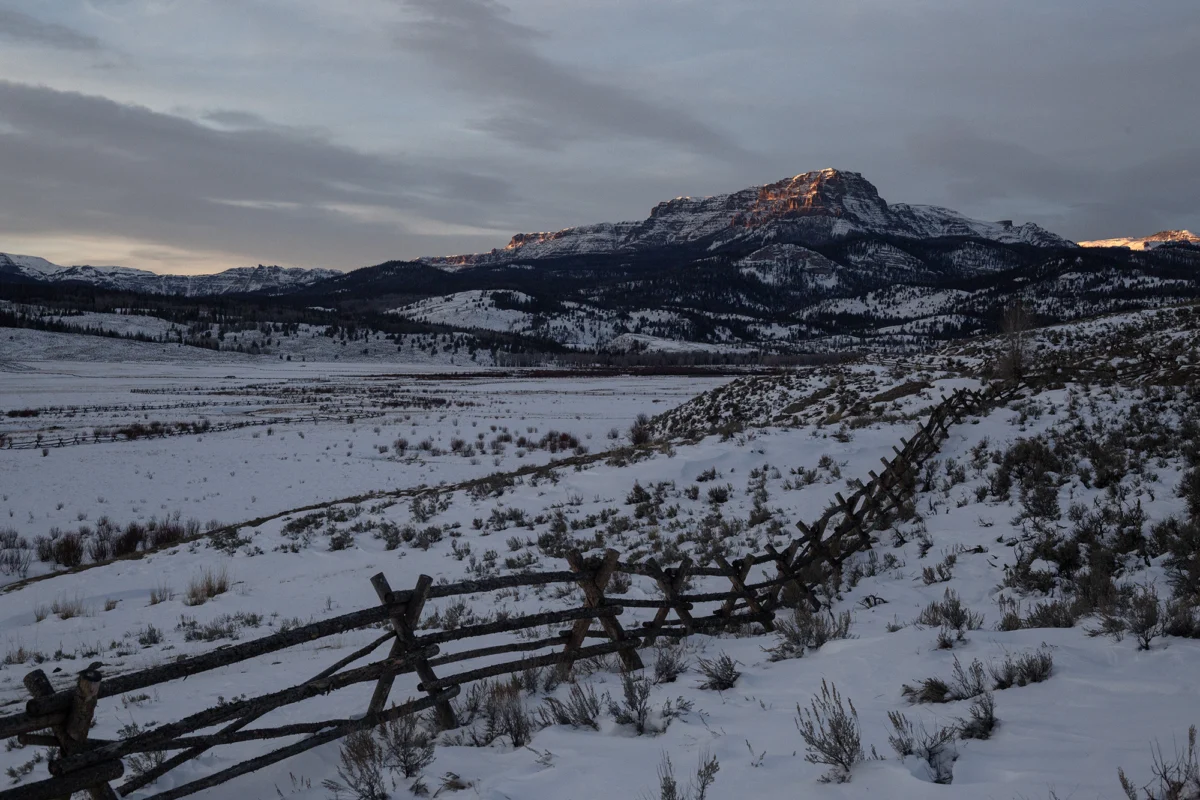
Local landowners, many of whom have deep, multi-generational ties to the land and a history of supporting Wyoming’s robust energy sector, are voicing strong opposition to the prospective development. Budd Betts, a former state lawmaker who represented Dubois in the 1990s and owner of Absaroka Ranch, articulated the prevailing sentiment: "This community is about tourism, hunting, fishing, outdoor recreation and second homes, certainly. It’s just not consistent with where this community is heading. It’s not appropriate for this area." His perspective, shared by many, underscores a nuanced position—not an outright rejection of the energy industry, but a firm belief that certain ecologically sensitive areas should be off-limits.

The potential for extensive oil and gas development in the Shoshone National Forest, directly above Dubois, could advance significantly by next summer. Wyoming Energy Consultants, a Casper-based firm, nominated an astonishing nearly 70,000 acres, spread across 38 parcels, for inclusion in a federal oil and gas lease auction scheduled for June 2027. This nomination alone accounts for more than 55% of all acreage proposed statewide for the Bureau of Land Management’s (BLM) quarterly auction, which encompasses 104 parcels covering 123,166 acres across Wyoming. The sheer scale of the proposal has sent ripples of concern through the community and state wildlife agencies, particularly given the lack of active oil and gas wells in this specific area, suggesting a speculative "wildcat" exploration rather than an expansion of existing operations. The company has not responded to inquiries regarding its ambitious leasing plans.
These nominated parcels are not merely vast tracts of land; they represent the ecological heart of the region, encompassing crucial wildlife habitat both north and south of U.S. Highway 26/287. This area is vital for the survival and migration of iconic Western species, including the 7,000-animal Wiggins Fork Elk Herd and the approximately 4,000-animal Dubois Mule Deer Herd. The mule deer population, in particular, is internationally renowned for producing trophy bucks, making the region a coveted destination for hunters. Acquiring a limited hunting tag in area 128 is exceptionally challenging, with a mere 1.5% draw rate during the most recent season, illustrating the immense value placed on this resource by the hunting community, which is a significant economic driver and conservation funding source in Wyoming. The landscapes through which these magnificent ungulates traverse to reach their seasonal ranges are now directly threatened by the prospect of well pads, roads, and associated industrial infrastructure.

A significant portion of the proposed drilling zone directly overlaps the Upper Wind River Mule Deer Migration Corridor. In 2024, under the leadership of then-director Brian Nesvik, the Wyoming Game and Fish Department (WGFD) opted to "identify" this critical migration route but chose not to officially "designate and protect" it under the state’s migration policy. At the time, agency staff concluded that the corridor did not face "substantial enough threats" or "risks" to its "functionality" to justify the rigorous and often politically contentious designation process. This decision, which drew mixed reactions from wildlife advocacy groups, now appears precariously timed, as the very development threat deemed insufficient just two years prior is rapidly materializing.
An analysis conducted by Nick Dobric, a Dubois resident and Wilderness Society employee, reveals the stark overlap: nearly 19,500 acres of the proposed oil and gas leases directly impinge upon the Wind River deer migration corridor. Within this area, certain zones are disproportionately vital. More than 3,000 acres of the leases overlap "high-use" portions of the migration route, areas where animals spend significant time. Another 5,400 acres overlap critical "stopover" habitats, essential resting and foraging grounds during arduous migrations. An additional 1,400 overlapping acres fall on joint high-use and stopover habitat, representing the most sensitive and indispensable segments of the corridor.

The ecological significance extends beyond mule deer. Jon Robinett, who recently retired after managing the Diamond G Ranch for over three decades, emphasized the area’s broader importance: "It’s a major thoroughfare for everything that lives up [in the Shoshone National Forest] in the summer. Elk, deer, antelope, bears – everything that eats grass – comes through there." Robinett, like other local ranchers, expresses profound concern about the ancillary impacts of energy development, particularly roadbuilding for exploratory "wildcat" wells. He fears these new roads would become publicly accessible, leading to increased human disturbance, impacting recreational opportunities like hunting, and ultimately causing significant detriment to wildlife through habitat fragmentation and increased human-wildlife conflict. Jeremy Prine, whose family has owned the Ram’s Horn Ranch for nearly 80 years, echoed these sentiments, stating that while he supports the oil and gas industry generally, the Dunoir Valley is simply not an "appropriate" location for such an exploration project due to its inherent wildness. "A lot of those places are starting to disappear," Prine lamented, highlighting the shrinking areas of untouched wilderness.
Historically, this corner of the Absaroka Range has seen prospecting for oil and gas. Betts recounted that wildcat wells drilled in the 1970s and 80s proved to be busts, eventually capped and reclaimed. This history, coupled with assessments indicating the Upper Wind River Valley has some of the lowest oil and gas potential in the state, leaves many locals puzzled by the current aggressive leasing push. Robert Hoskins, a long-time Dubois resident, speculated, "I have no earthly idea why Dubois is a target, other than that they’re going after everything. This is the Trump administration." This comment reflects a broader perception among some that federal policies under recent administrations have favored increased resource extraction on public lands, often sparking conflicts with local communities and conservation interests.

The current situation bears a striking resemblance to a controversy from the previous fall, where another Casper-based company, Kirkwood Oil and Gas, sought to lease acreage in the "Golden Triangle." This area, recognized as one of the most biologically rich sagebrush-steppe biomes remaining on Earth, faced similar local and conservation group outcry. Ultimately, many of the most controversial parcels in the Golden Triangle were deleted from the auction because existing BLM land-use plans explicitly prohibited oil and gas leasing in those sensitive habitats. This precedent offers a glimmer of hope for Dubois.
Indeed, history may repeat itself in Dubois. According to calculations provided by Nick Dobric, approximately 39,000 acres of the nominated parcels within the national forest are located in areas explicitly closed to oil and gas leasing by the Shoshone National Forest’s 2015 forest plan revision. These nominations are likely to be dropped by the BLM during its lease sale vetting process. However, a significant 30,200 acres of parcels remain in areas of the Shoshone National Forest deemed suitable for oil and gas leasing, including the critically important migration corridor acreages. The public comment period for these proposed leases, a crucial step in the federal environmental review process, remains open until November 27.

The unexpected scale of the proposed oil and gas play has also caught Wyoming’s wildlife managers off guard. Will Schultz, WGFD’s habitat protection supervisor, acknowledged that the proposed leases have placed the department in a "unique situation." He noted, "This is the first time in several years where we’ve seen leases proposed on national forests," and it marks one of the first instances where state wildlife managers are navigating oil and gas leasing in an "identified" but not "designated" migration corridor. Had the Upper Wind River Mule Deer Migration Corridor been formally designated, the leases would be automatically affixed with stipulations recognizing Wyoming’s migration policy. While the policy generally permits development, it also allows for restrictive measures, particularly in joint high-use and stopover habitats, where it explicitly states that "surface disturbance should be avoided."
In the absence of a formal designation, the WGFD faces a more complex task to safeguard the migration route. Schultz affirmed the department’s commitment to protecting the corridor, stating, "It would take a lot of coordination to ensure the [migration] functionality is maintained." Currently, Schultz is engaged in discussions with the BLM and the National Forests, as a smaller but significant portion (about 3,300 acres) of the proposed leases extends west of the Continental Divide into the Bridger-Teton National Forest. The current leasing situation presents a critical opportunity for the WGFD to reevaluate its stance on formal protection. Schultz confirmed, "This particular leasing situation is an opportunity for us to reevaluate that." While the Wyoming Game and Fish commissioners are responsible for making recommendations regarding migration designations, the ultimate decision rests with Wyoming’s Governor-elect, Eric Barlow, who is slated to take office in January. The unfolding situation in Dubois highlights the ongoing tension between energy development and conservation, particularly on public lands, and serves as a poignant reminder of the constant vigilance required to protect the West’s invaluable natural heritage.