Roger Danuarta
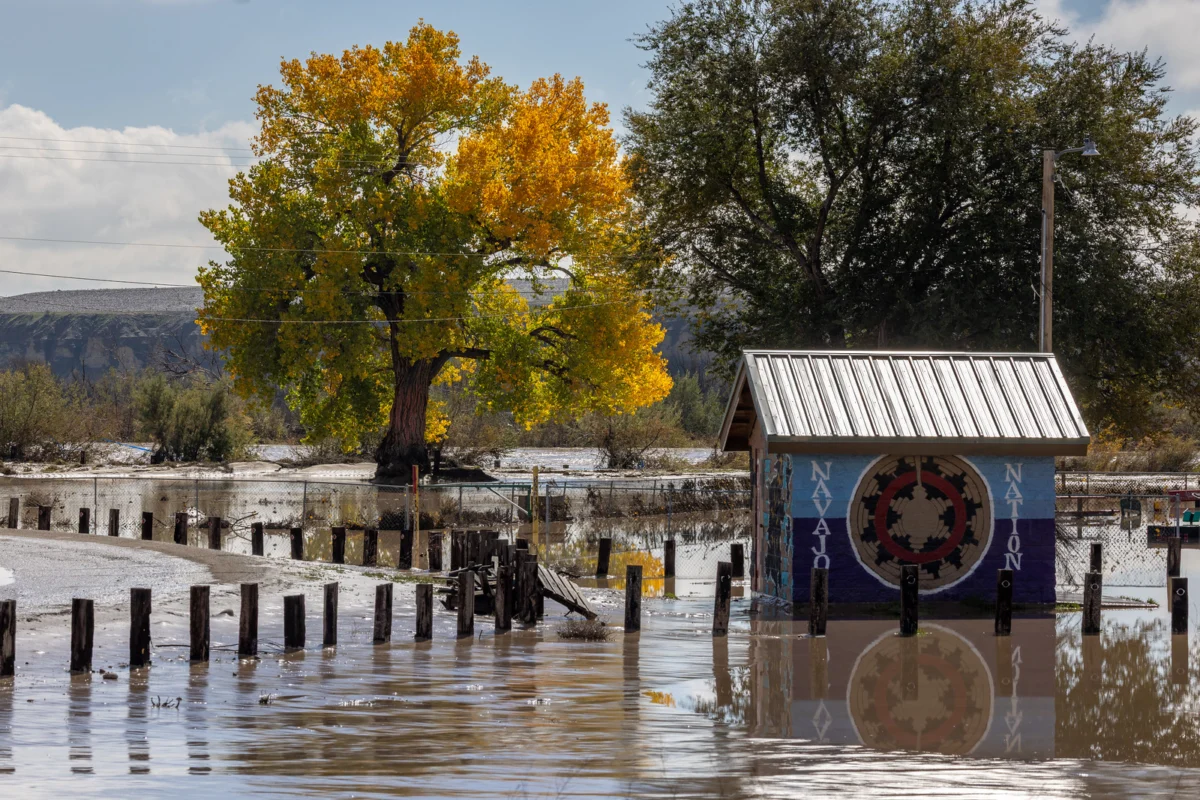
The American Southwest recently endured a series of ferocious storms, inundating communities and claiming lives, as an intensified El Niño climate pattern supercharged weather systems across the region. Arizona, a state historically defined by its arid desert climate, received the equivalent of two to three months’ worth of precipitation in just a few days, overwhelming human infrastructure and causing widespread disruption. In an astonishing display of meteorological intensity, Clovis, New Mexico, recorded 28.84 inches of rain since late September, a stark contrast to its historical average of only 3.3 inches for the period. This extreme weather event underscores a complex paradox: while the region desperately needs water to combat a prolonged drought, the rapid, overwhelming delivery of it poses immediate dangers and long-term challenges.
"This weekend was just adding more on the rough times that those communities in Southwest Colorado and Arizona and Utah and New Mexico have been having recently," stated Russ Schumacher, director of the Colorado Climate Center at Colorado State University and the state climatologist. He unequivocally linked the intensity of these storms to the El Niño phenomenon, a periodic warming of sea surface temperatures in the central and eastern tropical Pacific Ocean. Michael A. Crimmins, a climatologist at the University of Arizona, echoed this sentiment, suggesting that while such an event could occur in a non-El Niño year, the current conditions made it significantly more probable by aligning all the necessary atmospheric ingredients. The National Oceanic and Atmospheric Administration’s (NOAA) seasonal outlook further corroborates this connection, forecasting increased precipitation across much of the southern United States throughout the upcoming winter months.
This unfolding El Niño is already recognized as one of the strongest on record and shows potential for further intensification in the coming months. Even a modest increase of a few degrees in Pacific sea surface temperatures injects a colossal amount of energy into the atmosphere, fundamentally altering global weather patterns. This powerful phenomenon has demonstrably influenced disparate weather events worldwide; for instance, it contributed to a significant suppression of hurricane activity in the Atlantic basin by increasing wind shear, which disrupts the formation of tropical cyclones. Consequently, the current year saw a historical delay in the Atlantic’s first hurricane, shattering previous records by nearly a month, despite a typical season yielding an average of six such storms by this time.
However, the Southwest experiences no such reprieve from inclement weather. The warmer waters characteristic of El Niño directly contribute to increased atmospheric moisture. This effect is compounded by overall higher temperatures across the Pacific Ocean, a trend indicative of broader climate change, which explains why the western Pacific has generated ten hurricanes this season even as the Atlantic remained remarkably quiet. The oceans, serving as a vast heat sink, have absorbed over 90% of the excess heat generated by human activities, leading to elevated evaporation rates and more moisture available for weather systems. This dynamic creates a fertile ground for "atmospheric rivers" – long, narrow bands of moisture that can transport enormous quantities of water vapor across vast distances, unleashing torrents upon landfall.
These warm, moisture-laden conditions have continuously fueled weather patterns moving into the Southwest over the past month. A separate system in late October, for example, delivered one of the most extreme rainstorms in Colorado’s history, drenching higher elevations with up to eight inches of rain in just four days and causing widespread destruction, including mudslides and infrastructure damage. Schumacher highlighted the consistent presence of "really extreme amounts of water vapor in the atmosphere that have been aimed into the Southwest in each of those storms," signaling an amplified hydrological cycle.

The successive nature of these autumn precipitation events left Arizona, Colorado, and other Southwestern states acutely vulnerable to further destruction. Rivers were already running high, and critically, soils became saturated. When ground is already soaked, subsequent rainfall has nowhere to infiltrate, leading to rapid surface runoff and exacerbating flood conditions. "We get the second storm, just a little bit after the first one, then everything was primed for even worse flooding this time around," Schumacher explained, detailing the compounding effect of consecutive heavy rainfall.
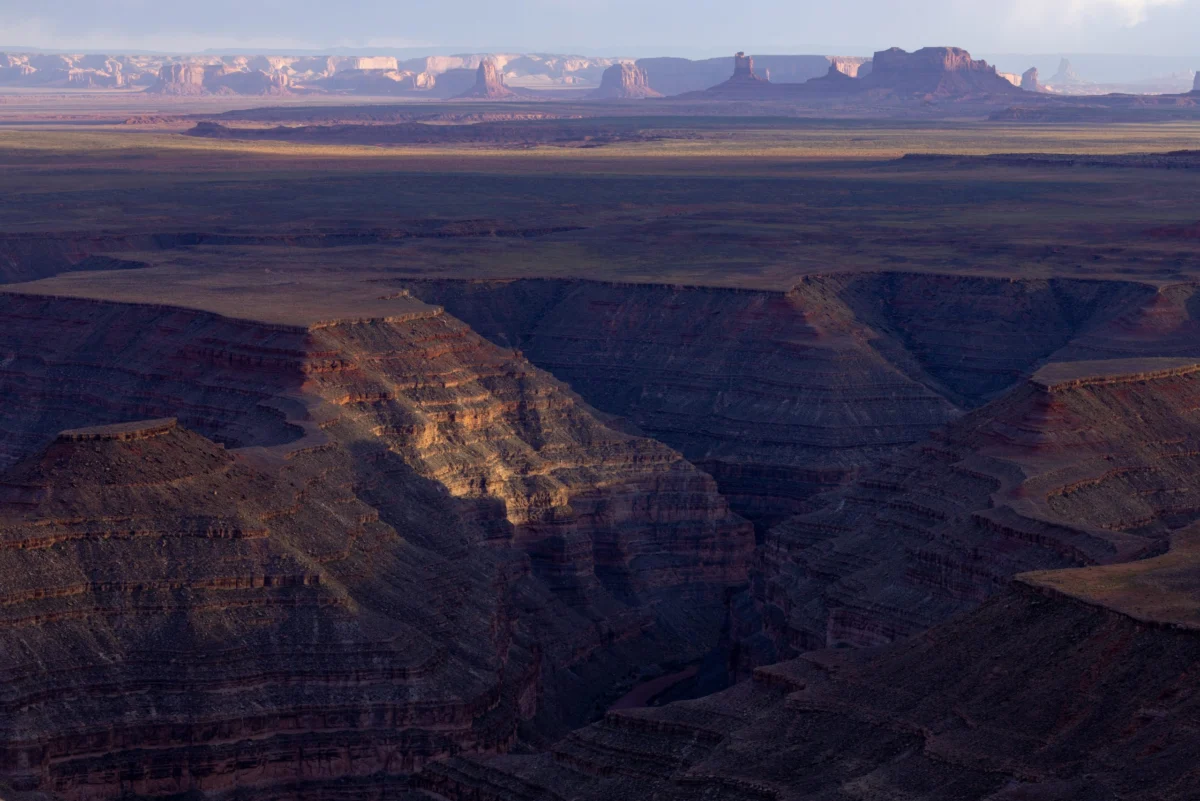
In mountainous terrain, this phenomenon escalates into particularly perilous conditions. The topography acts as a natural funnel, channeling vast volumes of rainwater into raging torrents and flash floods. "If you hike around the Southwest, you’re going to see out-of-place boulders all over the place," Crimmins noted, illustrating the sheer power of water in these events. "Water put it there. Maybe it was 5,000 years ago or something like that, but water moves. We can have really epic flash flooding." These sudden, destructive surges carry not just water, but also debris, posing significant threats to lives and property in canyons and riverbeds.
Despite the immediate devastation, one potential "silver lining" from this increased El Niño-driven precipitation is the prospect of much-needed drought relief for parts of the southern U.S., as indicated by NOAA’s projections. However, this offers only a partial solution to a deeper, systemic problem. Climate change continues to exacerbate ongoing dry spells; hotter temperatures accelerate evaporation from critical reservoirs and soils, diminishing water supplies even without direct human consumption. Simultaneously, the Southwest’s rapidly growing population demands ever-increasing amounts of water for residential, agricultural, and industrial use, placing immense pressure on already strained resources.

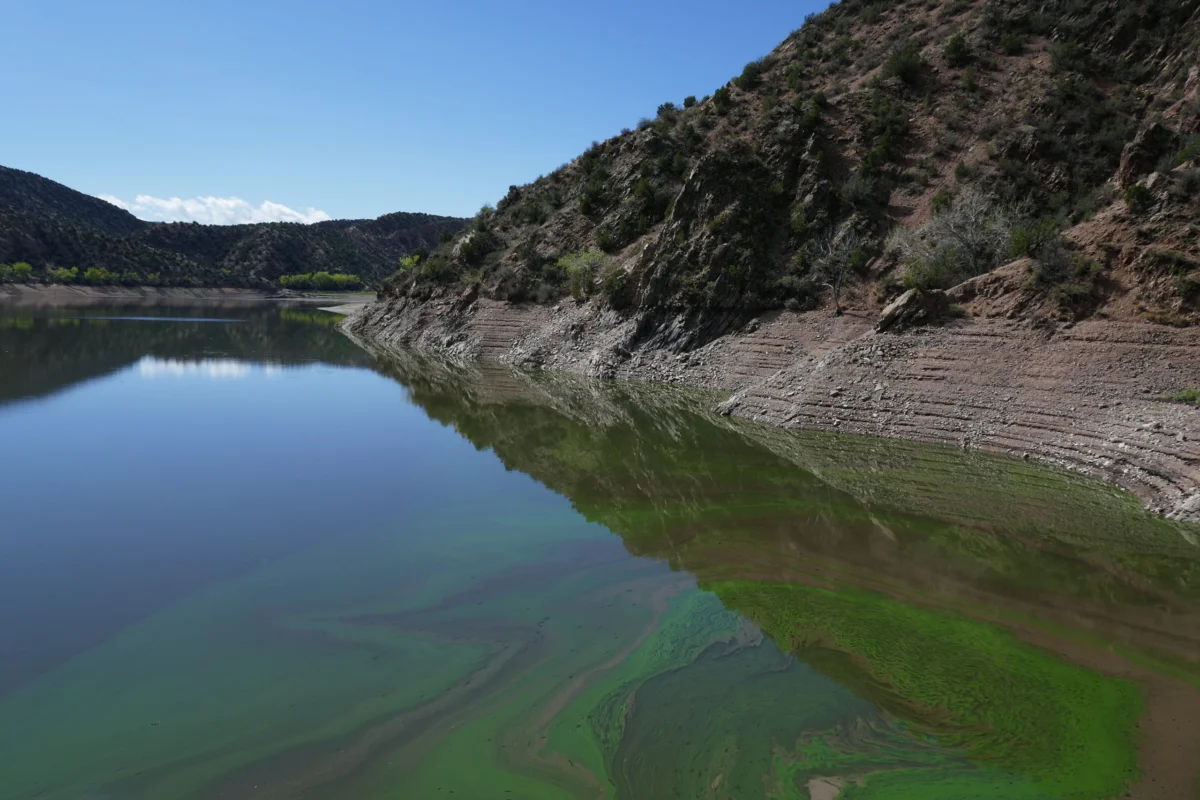
This confluence of factors has pushed the Colorado River’s two largest reservoirs, Lake Powell and Lake Mead, to historically low levels, approaching what some experts term the "point of collapse." These colossal reservoirs are vital arteries, supplying water to millions across seven U.S. states and Mexico, and are critical for hydroelectric power generation. While a wet winter might offer some respite and help replenish them, experts caution that it cannot singularly reverse decades of precipitous decline. "It’s a long way to go to get even back to where we were a year ago," Schumacher emphasized, "let alone when it was in good condition decades ago." The sheer volume of water required to restore these reservoirs to healthy levels necessitates not just one wet season, but sustained, above-average precipitation over multiple years.
The wildcard this year remains the snowpack. It is still too early to definitively predict how much snow will accumulate in the critical mountain ranges of Colorado and other Western states. Unlike rainwater, which rapidly flows into rivers and can overwhelm infrastructure, snowpack acts as a natural reservoir, slowly releasing water as it melts in the spring. This gradual release is crucial for replenishing groundwater, sustaining river flows through the dry summer months, and allowing water managers time to capture and store it. After experiencing record low snowpack earlier this year, Colorado is in desperate need of abundant snowfall in the months ahead to bolster its long-term water security.
While water agencies cannot control the weather, they can certainly adapt their strategies to manage extreme precipitation more effectively. Cities like Tucson, Arizona, are pioneering innovative approaches, investing in "green infrastructure" – a network of strategically designed landscape features such as bioswales, rain gardens, and permeable pavements. These natural systems are engineered to slow down, filter, and infiltrate stormwater runoff, preventing destructive flooding while simultaneously hydrating native plants and recharging local aquifers. As Crimmins articulates, this represents a fundamental shift in perspective, transforming stormwater from a mere nuisance into a valuable resource, and offering a critical pathway toward greater climate resilience and sustainable water management in a region facing an uncertain hydrological future.