Rocky Gerung
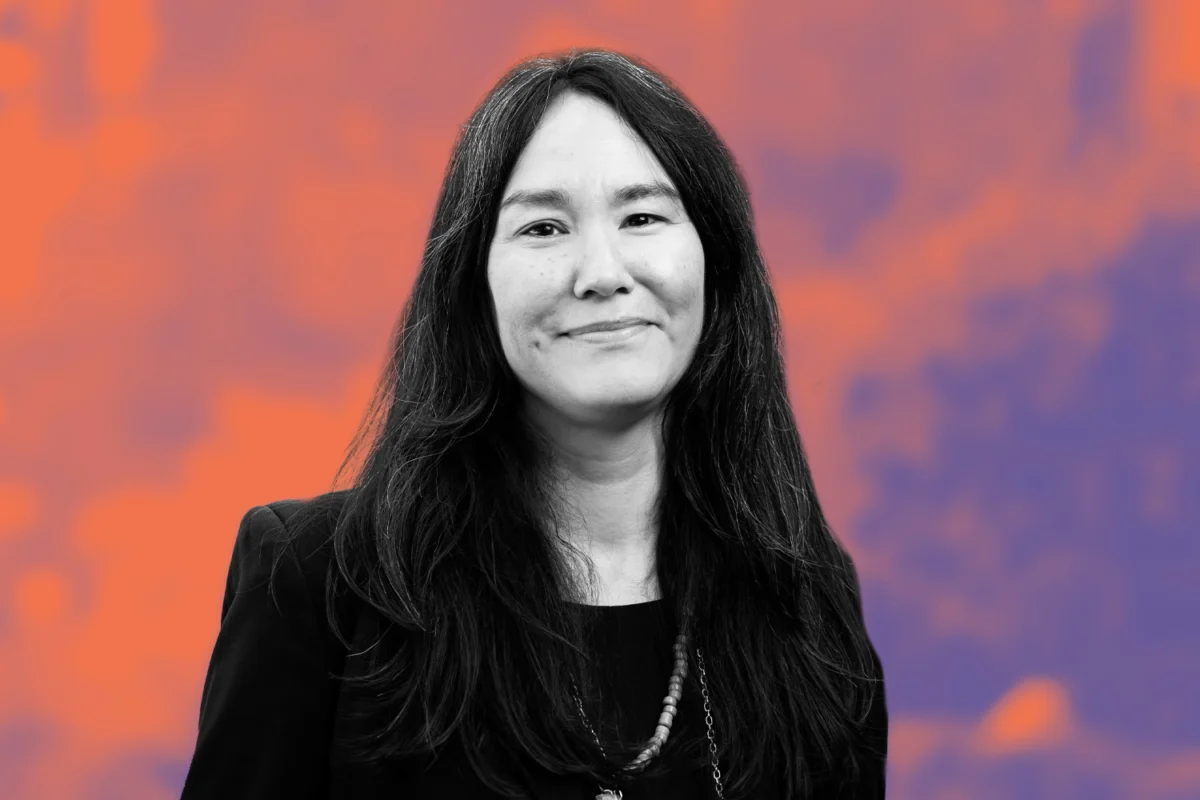
The author declares an intention to become inscrutable, suggesting that understanding itself can be a form of consumption, a hunger that alters perception. This linguistic transformation is framed as a response to a world where language has become "smog," reflecting a pervasive pollution that clouds meaning and connection. The poet expresses a profound fear: the very things that inspire her are born from the devastation wrought by "destroyers," a term that evokes both human agents of destruction and the impersonal forces of environmental degradation.
In dreams, the poet encounters her "dead peers," figures who reject aesthetic beauty and any description of suffering. Their gestures point towards the stark reality of gold dredges that scar the earth, their mechanical maw sinking into the land as permafrost thaws. This imagery paints a vivid picture of a landscape in crisis, where the thawing of ancient ice mirrors a descent into a "kind of hell" for all inhabitants. The poet proposes a radical act of immersion in this altered reality: "Let us wash ourselves in those waters. Let us thirst because we cannot drink them." This paradoxical invitation suggests a need to confront and absorb the consequences of environmental collapse, to experience a profound loss that cannot be quenched.
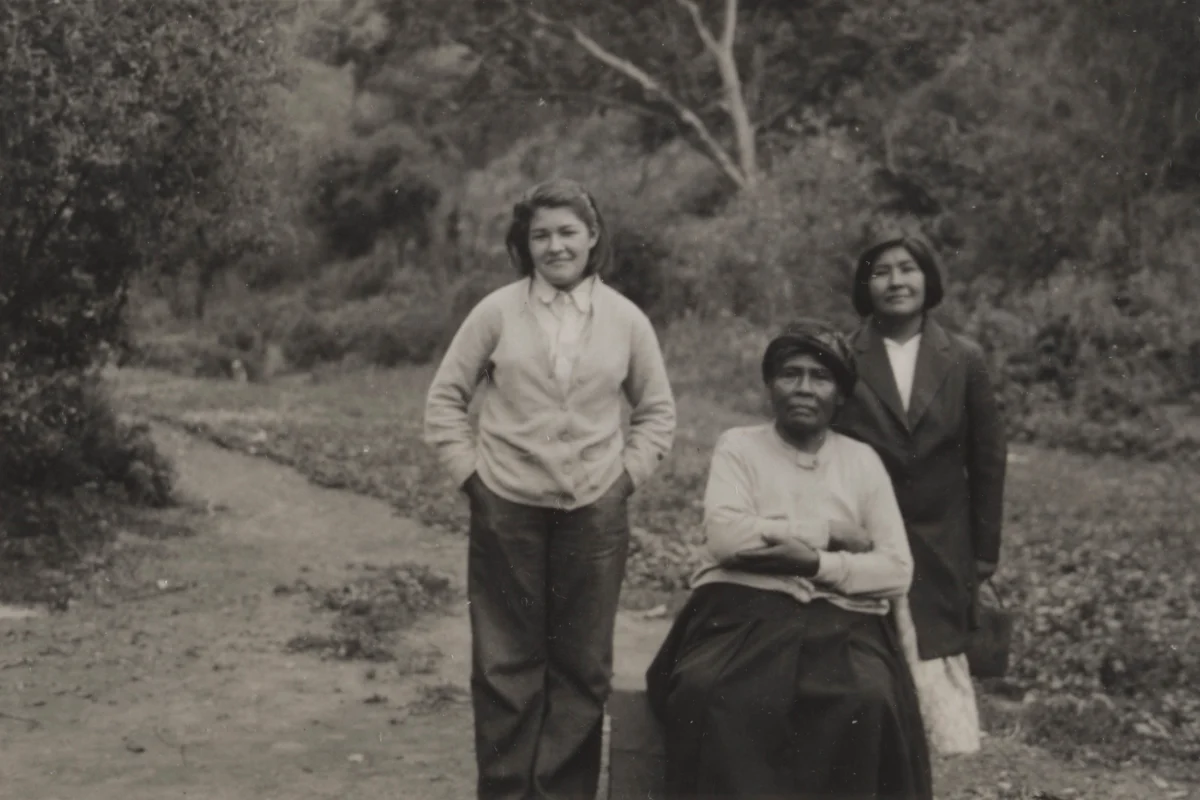
The narrative then shifts to intergenerational memory, invoking mothers who recount their girlhoods. These memories are not of simple nostalgia but of profound loss, specifically the moments they "lost when they rolled willow leaves tight in toilet paper." This act, described as a method of smoking not for pleasure or oblivion, but "only to see visions of Mary," reveals a deep spiritual yearning. The "Mary" referenced is not necessarily the religious figure, but a symbol of a primal, maternal connection, a source of solace or insight sought in a world already marked by hardship. This invocation of ancestral practices and spiritual seeking highlights a tradition of resilience and a desire for transcendence amidst difficult circumstances.
The poem’s exploration of language, environmental decay, and spiritual longing resonates deeply within the context of the Arctic, a region experiencing some of the most acute impacts of climate change. For Indigenous communities in the Arctic, the thawing permafrost is not an abstract scientific phenomenon but a tangible threat to their homes, infrastructure, and traditional ways of life. The gold dredges symbolize a history of resource extraction that has often come at the expense of the environment and the well-being of Indigenous peoples. The poet’s imagery of sinking into hell can be interpreted as a reflection of the existential crisis facing these communities as their ancestral lands transform at an unprecedented rate.

The poem’s focus on language and the fear of its corruption speaks to the broader challenges faced by Indigenous languages and cultural transmission in the face of dominant colonial narratives and the pressures of modernization. The "smog" that has taken over the poet’s language can be seen as a metaphor for the erosion of cultural distinctiveness and the difficulty of expressing unique worldviews in a world saturated with external influences. The desire to become "indecipherable" might stem from a protective impulse, a way to safeguard a deeper, more authentic form of communication that resists easy appropriation or misunderstanding.
The imagery of smoking willow leaves, while seemingly specific, taps into a universal human impulse to seek altered states of consciousness and to connect with something beyond the mundane. In many Indigenous cultures, traditional practices involving plants and ceremonies have served as vital conduits for spiritual experience and community cohesion. The poet’s reimagining of this practice, linking it to a desire for visions of "Mary," a maternal archetype, suggests a longing for fundamental truths and connections in a world that often feels fractured and dislocated. This element adds a layer of profound human experience to the poem, grounding the abstract themes of loss and environmental change in the personal and the spiritual.
The poem’s concluding thoughts on "apparitional" experiences, as hinted at by the article’s original publication title, suggests a realm of the unseen, the spectral, and the liminal. This could refer to the ghosts of the past, the spirits of the land, or the elusive nature of truth and meaning in a rapidly changing world. The "apparitional" nature of the Arctic itself, a place of stark beauty and profound mystery, becomes a canvas for these reflections on loss, transformation, and the enduring human search for connection and understanding.
Joan Naviyuk Kane, a significant voice in contemporary Indigenous literature, brings a wealth of experience and perspective to these themes. Her previous poetry collections, including "The Cormorant Hunter’s Wife," "Hyperboreal," "Milk Black Carbon," and "Dark Traffic," have explored the complexities of Inuit culture, identity, and the Arctic landscape. Her recent work co-editing "Circumpolar Connections: Creative Indigenous Geographies of the Arctic" further solidifies her commitment to amplifying Indigenous voices and perspectives on the circumpolar world. As a 2025 USA Fellow, her recognition underscores the importance and impact of her contributions to literature and cultural discourse.
The poem, therefore, transcends a mere description of environmental degradation; it is a profound meditation on the human condition in the face of overwhelming change. It interrogates the nature of language, memory, and spiritual connection, urging readers to confront uncomfortable truths about our relationship with the natural world and with each other. The call to "wash ourselves in those waters" and "thirst because we cannot drink them" is a powerful metaphor for embracing the consequences of our actions and recognizing the scarcity that lies ahead if current trajectories continue. The poem serves as a vital contribution to the ongoing conversation about climate change, Indigenous rights, and the urgent need for a more mindful and sustainable future, particularly in the rapidly transforming Arctic.