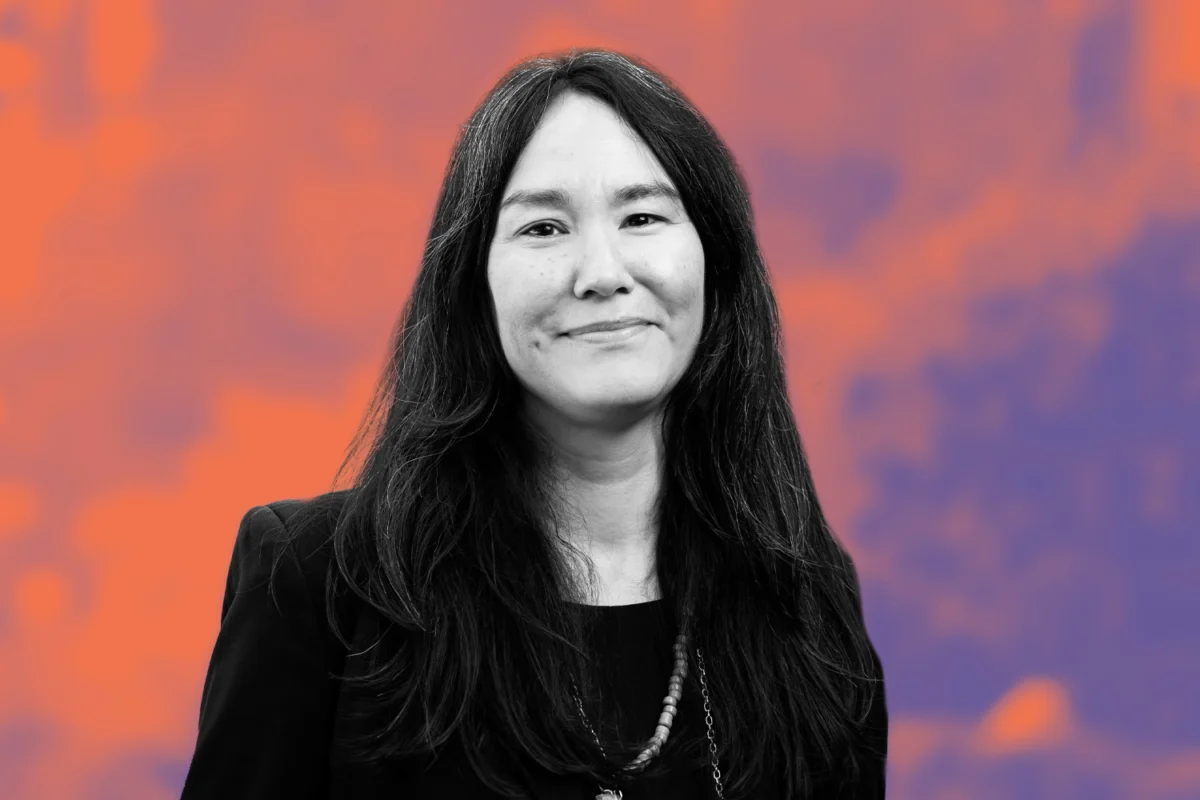
Rocky Gerung
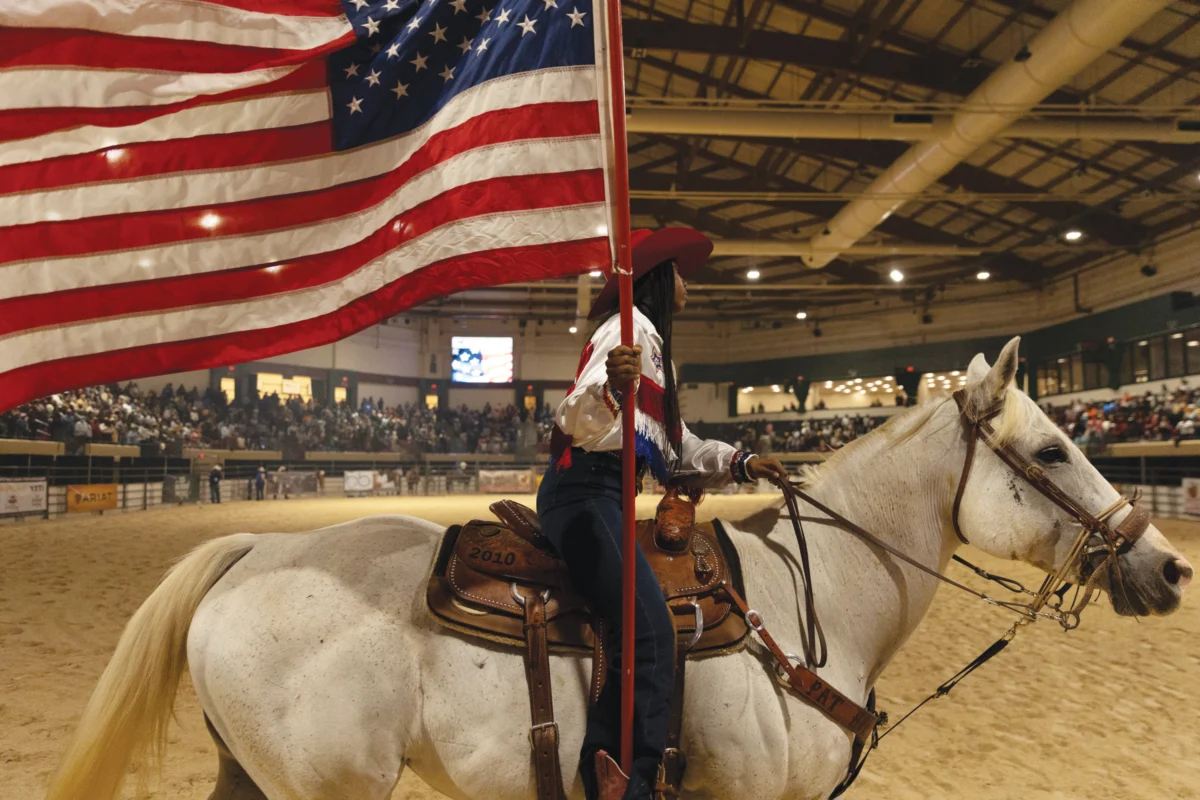
The visceral experience of working with horses, demanding unwavering focus, honesty, and a deep understanding of partnership, provides a profound lens through which to view the groundbreaking docuseries "High Horse: The Black Cowboy." This three-part series resonates with a potent force, underscoring the enduring and integral presence of Black individuals in the tapestry of the American West. It challenges a persistent societal narrative that often expresses surprise at their involvement, revealing a history where Black hands have consistently guided reins, broken horses, managed cattle, patrolled fences, competed in races, and excelled in training. The series argues not for the addition of Black cowboys to a familiar Western story, but for the correction of a national amnesia that has systematically marginalized their contributions.
Executive produced by Jordan Peele’s Monkeypaw Productions and directed by independent filmmaker Jason Perez, a protégé of Spike Lee, "High Horse" masterfully weaves together evocative archival footage and photographs with contemporary scenes of vibrant Black cowboy life. It embarks on a journey through the annals of film, music, and marketing history, demonstrating how the widely disseminated story of the West often diverges from its lived reality. This historical revisionism, the series suggests, is not always the result of a single, deliberate act of erasure, but rather a gradual constriction of who is recognized as a legitimate participant in the Western narrative, leading to an airbrushed version of history.
"High Horse" steadfastly refuses to relegate Black cowboys to a secondary or peripheral role. Instead, it meticulously traces a continuous lineage, beginning with the skilled labor of formerly enslaved people who were instrumental in managing horses and cattle. It highlights the prominent Black jockeys who dominated early horse racing and extends to the contemporary riders, ranchers, and entrepreneurs who continue to shape the West. The series possesses a remarkable ability to keep history alive and relevant without resorting to didactic pronouncements, presenting historical truths in a manner that is both informative and engaging.
A particularly compelling aspect of the docuseries is its deliberate focus on the physical realities of horsemanship. It lingers on the rider’s posture, the subtle movements of their hands, and the sheer dedication of the hours invested in honing their craft. For those familiar with riding, these details are instantly recognizable and speak volumes about the deep connection between human and animal. The series implicitly understands that a horse, a creature of immense power and sensitivity, does not respond to pretense or narrative embellishment; it reacts to consistency, fairness, and clear communication. This fundamental truth about horses makes it evident how often the romanticized aesthetic of the cowboy is celebrated, while the actual, demanding work and skilled practice inherent in the craft are overlooked.
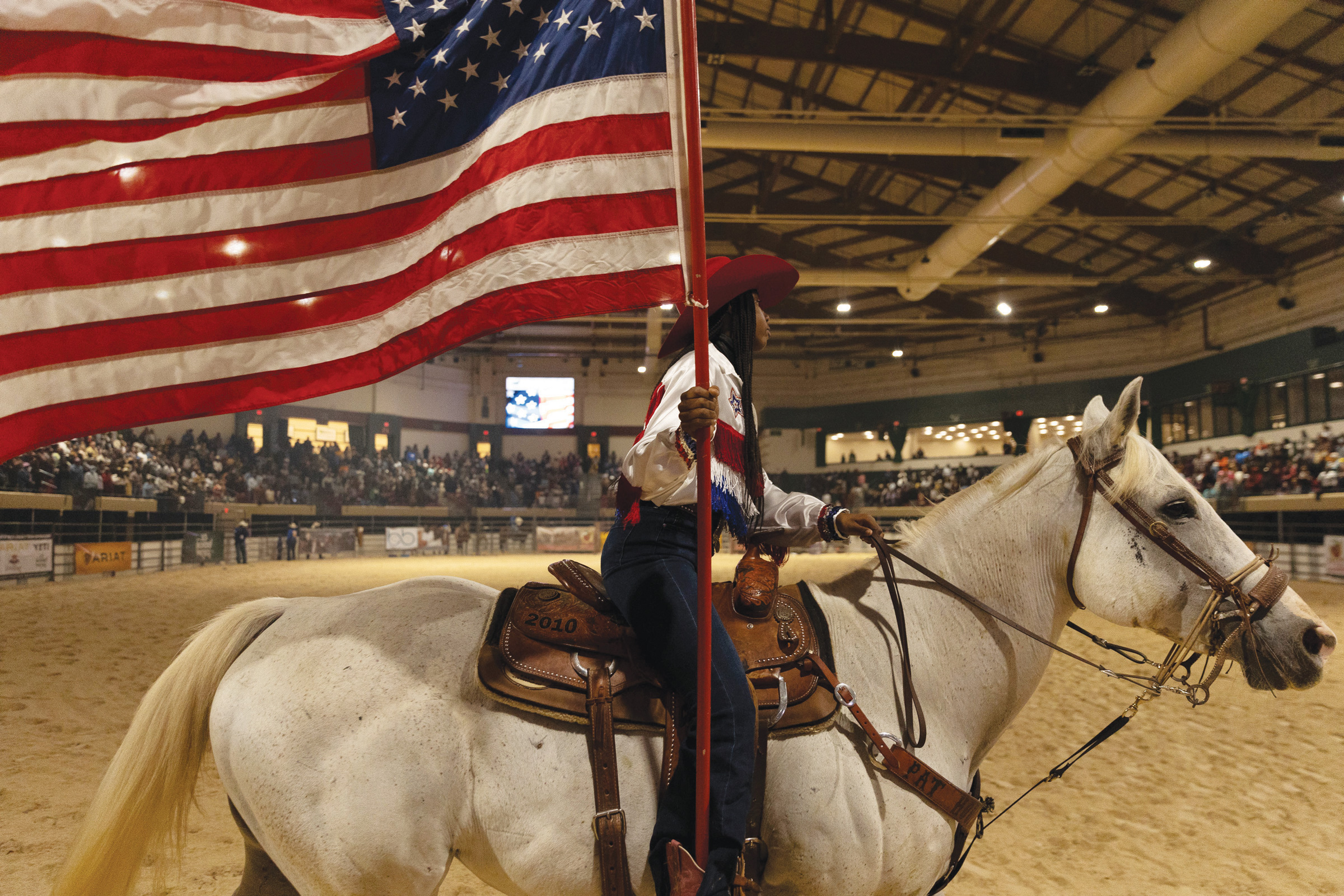
Within "High Horse," the camera frequently rests on Black riders, depicted as poised and steady, surveying vast open landscapes or navigating urban environments that bear the indelible imprint of the same historical forces. These images, often simple and quietly composed, carry a profound emotional weight. For Black Americans, land is far more than mere scenery; it represents a complex legacy of inheritance and loss, of promises both made and broken, and of the fundamental distinction between being a transient visitor and a dedicated steward.
This profound connection to land and heritage resonates deeply on a personal level. My own father, a rancher from his boyhood in Texas, later managed land and livestock in California. His experiences sowed the seeds that inspired me to launch Outdoor Afro in 2009, initially as a blog and a tribute to his enduring legacy. Like "High Horse," Outdoor Afro aimed to rectify misconceptions about our deep-rooted connections to the natural world. This endeavor evolved into a national organization that now facilitates thousands of Black families annually engaging with nature, not as a fleeting trend, but as a profound form of reconnection and reclamation.
Now, in midlife, I have returned to horsemanship with a newfound seriousness that even surprises me. The practice of riding has cultivated in me greater patience and a more acute sense of honesty. It has also broadened my perspective on land, encouraging me to consider it in a more multidimensional way, and has deepened my commitment to taking greater responsibility for my lifestyle choices and their impact on both our communities and the natural world.
My current equine partner is a mustang from the Twin Peaks Herd Management Area, situated in the high desert along the California-Nevada border. I named her True Haven as a constant reminder that solace is found in faith and that peace is a practice we can cultivate in all facets of our lives. Horses, in their inherent nature, demand a commitment to fairness and consistency, and they will immediately signal whether their human companion is a trustworthy leader.
The ownership of a wild horse does not confer expertise in public lands and wildlife policy, but it does foster an intimate engagement with critical questions of stewardship. It strengthens my resolve to protect our nation’s public lands and wild spaces. Abstract slogans lose their potency when one is holding a lead rope, utterly focused on the immediate needs of another living creature for safety and clarity.

"High Horse" astutely recognizes that the narrative of Black cowboys cannot be disentangled from the broader story of Black land ownership and connection. It transcends the mere romanticism of wide-open spaces to delve into the complex realities of acreage, access, property titles, taxation, and the intricate ways in which power structures dictate who is able to remain on and steward the land. While it avoids getting lost in policy minutiae, the series boldly articulates a truth that many Westerners are reluctant to acknowledge: the freedom historically associated with the West was never equitably distributed, and the legacy of violence, both legal and extralegal, is an inextricable part of its geography.
However, "High Horse" is far from a somber elegy; at its core, it is a vibrant celebration of freedom. The series showcases young riders in the midst of training and competition, elders diligently passing down generations of knowledge, cherished family traditions, and communities gathering around horses with the same warmth and fellowship found at church potlucks or family reunions. Far too often, Black history is presented solely through the lens of trauma. This docuseries offers a refreshing counterpoint, revealing Black history through its excellence, its intricate crafts, its inherent humor, its profound pride, its unwavering discipline, and its undeniable joy.
If the series exhibits any limitations, they stem from the inherent constraints of its scope. Three episodes can effectively raise a banner and draw attention, but they cannot encompass every nuance and complexity of the subject matter. I found myself wishing for more time dedicated to Black women riders, a deeper exploration of the everyday economics involved in maintaining horses, and a more thorough acknowledgment of the intricate intersections between Black and Indigenous histories on Western lands.
Furthermore, I would have welcomed a greater degree of trust placed in the voices of the working riders themselves. While the inclusion of well-known celebrities and scholars provides valuable reach and contextual understanding, there is a risk that their commentary could overshadow the authentic narratives of the Black cowboys and ranchers whose generational experiences of working the land and their horses could stand powerfully on their own without extensive interpretation.
Perhaps the most significant achievement of "High Horse" lies in its resolute refusal to frame the Black cowboy as an anomaly or an exception. It actively invites viewers to broaden their perception of what it means to be "Western," encouraging a move beyond the narrow confines of traditional Hollywood portrayals. For anyone who cherishes the American West, this re-examination of its identity is both timely and profoundly necessary.

The series’ exploration of horsemanship echoes my initial moments with my mare: her observant gaze, her patient waiting, and the silent questions she seemed to pose about the kind of partnership I would offer. In the same way that a horse responds to clarity, consistency, and compassionate care, we ought to approach our collective history with similar principles. If we aspire to inhabit a West that is fundamentally honest and possesses a robust future, we must commit to truthfully recounting its complete story and diligently safeguarding the very ground upon which it is built.
"High Horse: The Black Cowboy" is not, and should not be, the definitive and final word on the history of Black cowboys. However, it represents a significant and powerful stride toward a more inclusive vision of the West, one where Black riders are not perceived as transient visitors but are recognized as an integral part of the region’s foundational identity and a vital component of its conservation future.