Roger Danuarta
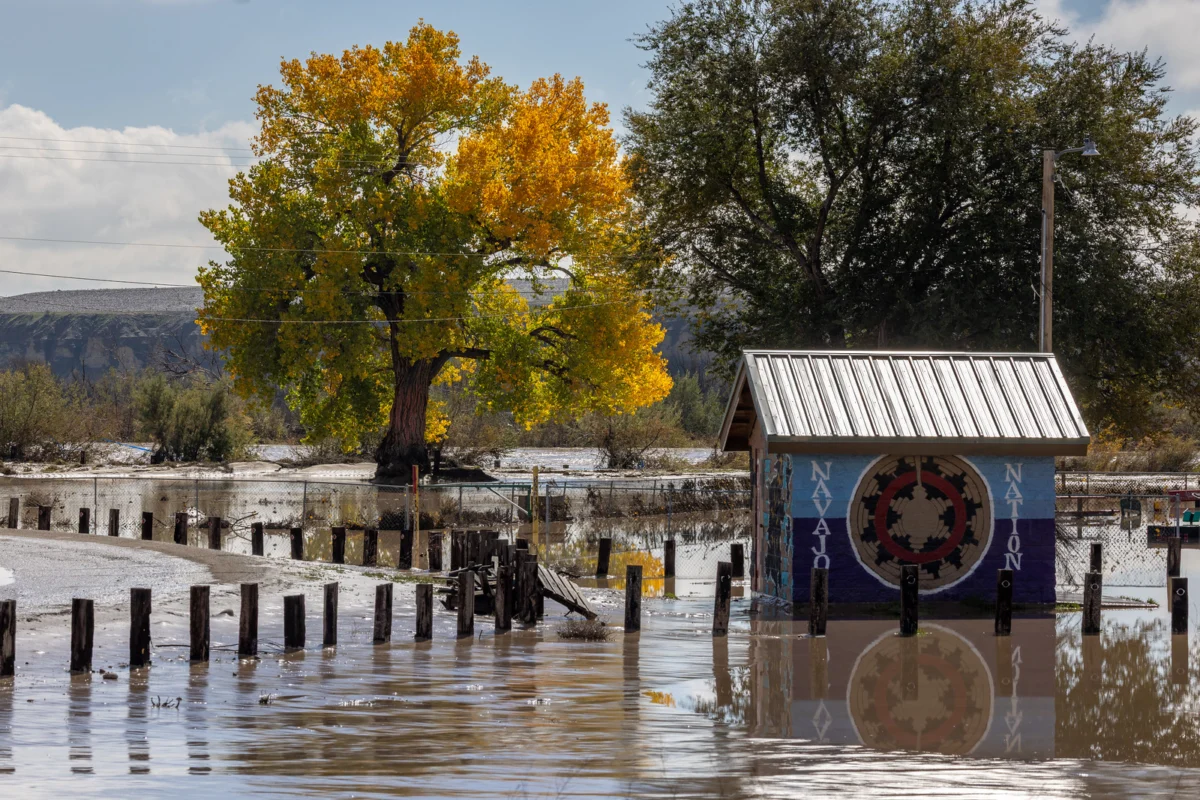
In a pivotal election season marked by intense debates over democratic access, organizations like Arizona Native Vote mobilized tirelessly to ensure Indigenous communities could exercise their fundamental right to suffrage, even amidst extraordinary challenges such as historic flooding that recently impacted the Four Corners region. Jaynie Parrish, the executive director of Arizona Native Vote and a proud citizen of the Navajo Nation, led her team in fielding calls, organizing essential rides to polling locations, and navigating the complexities of state-level ballot measures that threatened to erect new barriers for voters. A primary focus of their efforts was Proposition 144, a ballot initiative in Arizona that aimed to amend the state constitution by mandating photo identification for all voting methods, including absentee and mail-in ballots. This proposal sought to expand existing requirements, which already necessitate proof of citizenship during voter registration and identification for in-person voting.
Parrish articulated the profound concern within her community, stating, "It’s already hard for our people to vote. This makes it that much more difficult." Her sentiment echoed widespread apprehension among Indigenous advocacy groups and voting rights organizations, who consistently argue that such measures disproportionately impact Native voters, creating unnecessary hurdles to participation. Ultimately, Arizona voters rejected Proposition 144, mirroring similar outcomes in California and Colorado, where ballot measures proposing new or expanded voter identification requirements also failed to pass.
These state-level initiatives were part of a broader national trend, driven by Republican legislators and conservative advocacy groups. This movement, often framed under the banner of "election integrity," gained significant momentum following the 2020 presidential election, fueled by unsubstantiated claims of widespread voter fraud. Proponents argue that stricter ID laws are essential to prevent illegal voting and bolster public confidence in election outcomes. However, critics vehemently contend that these measures are a form of voter suppression, particularly targeting marginalized communities with limited resources or access to required identification.
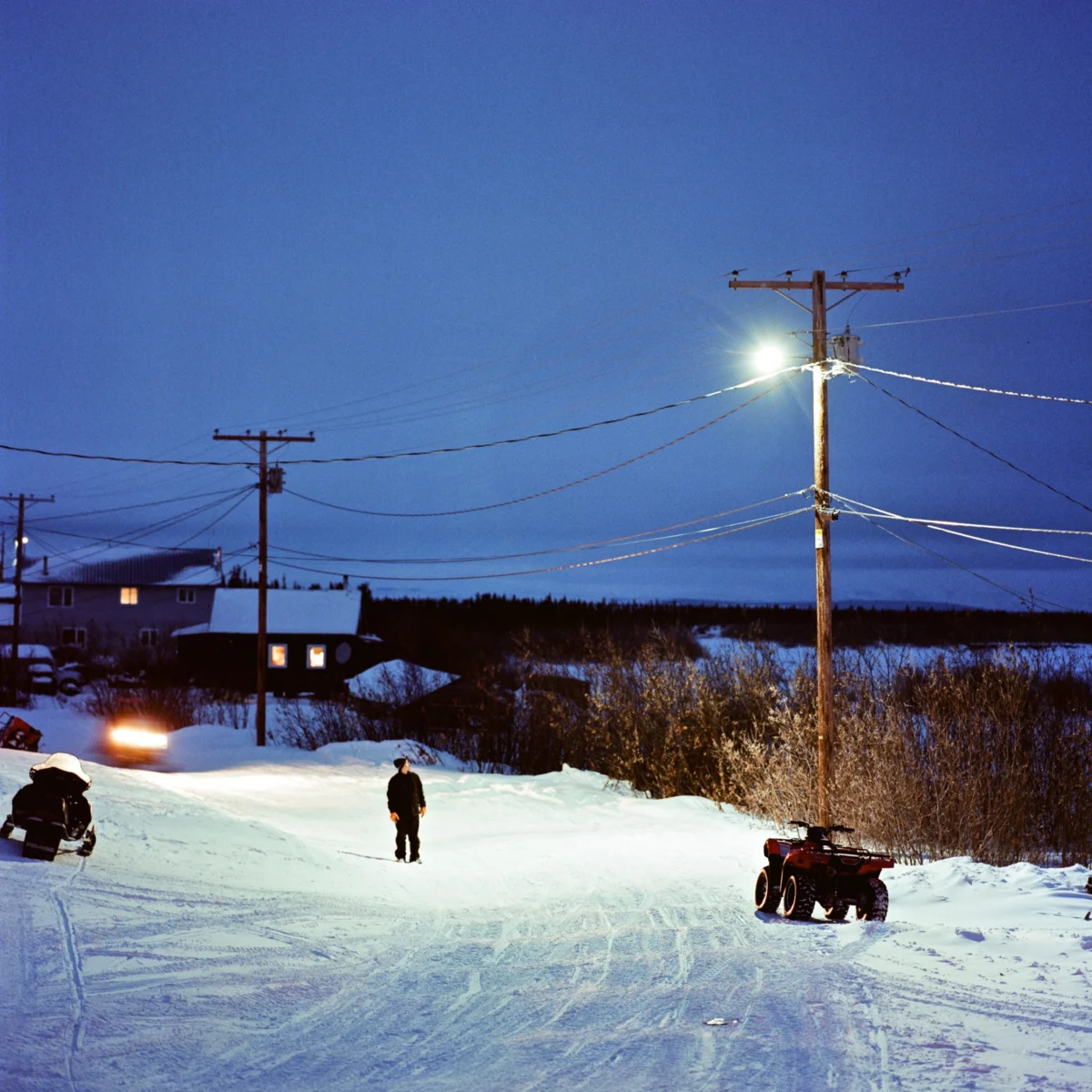
For Native American communities, the implications of stringent voter ID laws are particularly acute and deeply rooted in historical disenfranchisement. Obtaining government-issued photo identification can be a formidable challenge due to various factors. Many tribal members reside in remote, rural areas, where travel to state Department of Motor Vehicles (DMV) offices can involve hundreds of miles, requiring significant time off work and incurring substantial transportation costs. The financial burden extends beyond travel, often including fees for birth certificates or other foundational documents needed to acquire a state ID. Furthermore, some tribal IDs, while valid forms of identification within their sovereign nations, may not include a photograph or a residential street address, which are often stipulated requirements in state voter ID statutes. This discrepancy creates a bureaucratic labyrinth that can result in eligible voters being turned away at the polls.
The Salt River Pima-Maricopa Indian Community actively urged its members and the wider electorate to reject Proposition 144, drawing a direct line from the current debate to a painful history of denied suffrage. Gary Bohnee, special assistant for congressional and legislative affairs for the community and an enrolled citizen of the Gila River Indian Community, underscored this historical context. "Native people, including the members of this community, were the last people to become citizens of the United States through the Indian Citizenship Act of 1924," Bohnee recounted. "But even though that was when it was passed, it took litigation in both 1928, and I believe in 1948 for litigation brought here in Arizona, for Native people to have access to the vote." This protracted struggle for basic voting rights informs the community’s unwavering commitment to opposing any legislation or policy that might create new obstacles for voters, emphasizing that "making it easier for people to be able to vote has been paramount."

The potential impact on mail-in voting was also a significant concern, as approximately 50% of registered voters in the Salt River Pima-Maricopa Indian Community cast their ballots by mail. Proposition 144 would have imposed new identification requirements for mailed-in ballots, with the specifics of how tribal IDs would be deemed acceptable remaining alarmingly unclear, adding another layer of uncertainty for voters.
In stark contrast to Arizona’s outcome, voters in Nevada approved Question 7 by a substantial margin, amending the state’s constitution to mandate government-issued identification for in-person voting. Nevada previously had no such requirement at the polls, leading voting advocates to express profound concern about the potential negative repercussions for Native voters. Jennifer Willett, senior campaign manager for All Voting is Local in Nevada, acknowledged that tribal IDs are included on the list of acceptable identification. However, she pointed out a critical caveat: the measure requires a photograph on the ID, a feature not universally present on all tribal identification cards. This stipulation, according to Willett, not only creates a barrier for individuals attempting to vote but also constitutes a significant infringement on tribal sovereignty. "Tribes should be able to decide what’s on their ID," she asserted, highlighting the inherent right of sovereign nations to determine their own administrative standards without external dictates.
Even in Arizona, where stricter measures were rejected, existing voter ID requirements pose ongoing challenges. Natalia Sells, senior campaign manager for All Voting is Local in Arizona, noted that poll workers’ unfamiliarity with the diverse array of tribal IDs can lead to confusion and the erroneous turning away of eligible Native voters. This highlights the need not only for clear legislation but also for comprehensive training of election officials to ensure consistent and fair application of voting laws.
The failed Proposition 144 in Arizona was not an isolated attempt but rather the latest iteration of numerous election-related bills introduced in the state legislature, particularly since the contentious 2020 election. Many of these bills, often using language ostensibly focused on preventing non-citizens from voting, have been consistently vetoed by Democratic Governor Katie Hobbs, who has championed voter access. These legislative maneuvers underscore a persistent effort to modify election procedures, which opponents argue often contain provisions that could inadvertently or deliberately limit the participation of eligible citizens.
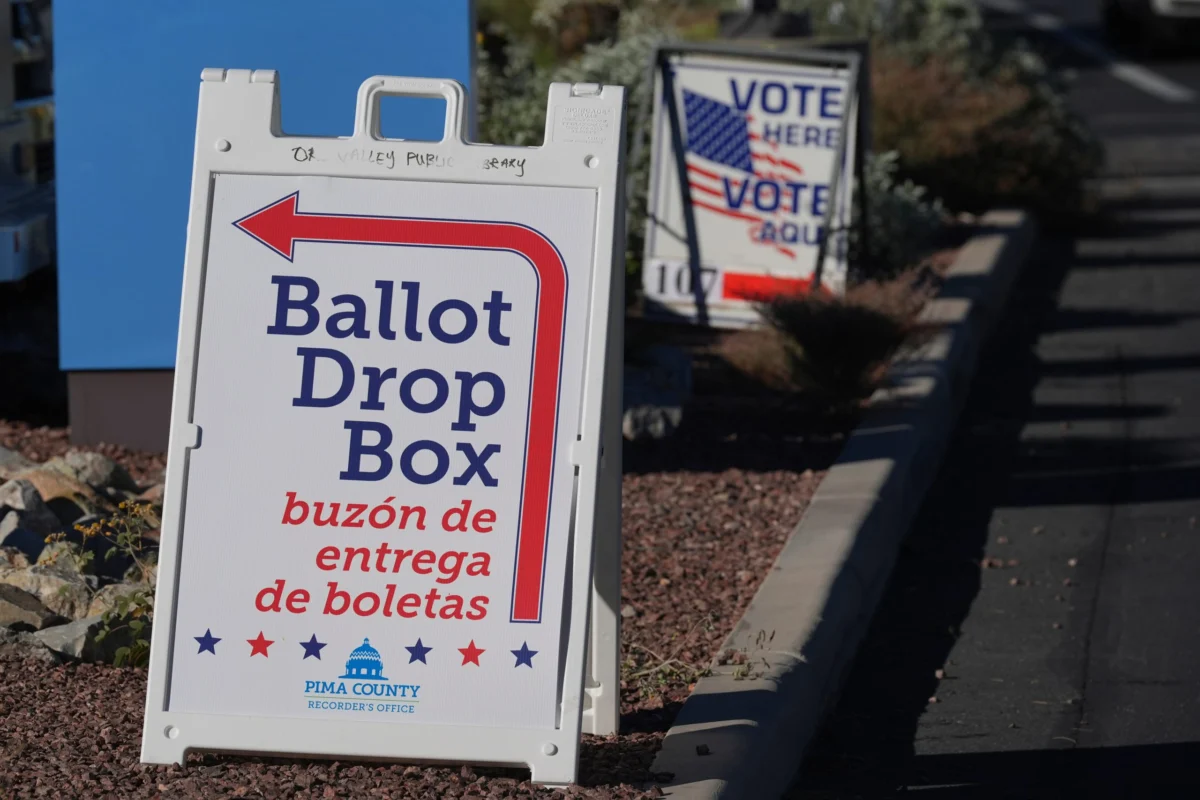
In response to these persistent challenges at the state level, Native nations and their allies are strongly advocating for federal intervention through the Native American Voting Rights Act (NAVRA). This proposed legislation aims to establish a crucial federal backstop, safeguarding the voting rights of all citizens, particularly in states that might seek to enact laws adversely affecting tribal voters. NAVRA would introduce vital protections, such as requiring polling locations in every tribal community, mandating the provision of voting materials in Indigenous languages, and ensuring the acceptance of a broader range of identification, including all tribal IDs. It also seeks to address specific logistical hurdles, like providing prepaid postage for mail ballots from tribal areas, establishing satellite voting offices and ballot drop boxes on reservations, and ensuring that college student IDs are accepted.
The urgency for such federal protections is underscored by recent data. A comprehensive midterms election poll conducted by the First Nations Development Institute and BSP Research revealed that a significant majority of Native voters surveyed are deeply concerned about voting rights, with a compelling 77% expressing a desire for a new federal voting rights protection act to be passed by Congress. With the current political landscape seeing Democratic control of both the House and the Senate, there exists a palpable, albeit challenging, opportunity for such a bill to advance in the near future, potentially ushering in a new era of robust protections for Indigenous voters and strengthening the fabric of democratic participation across the nation.