Rocky Georgio
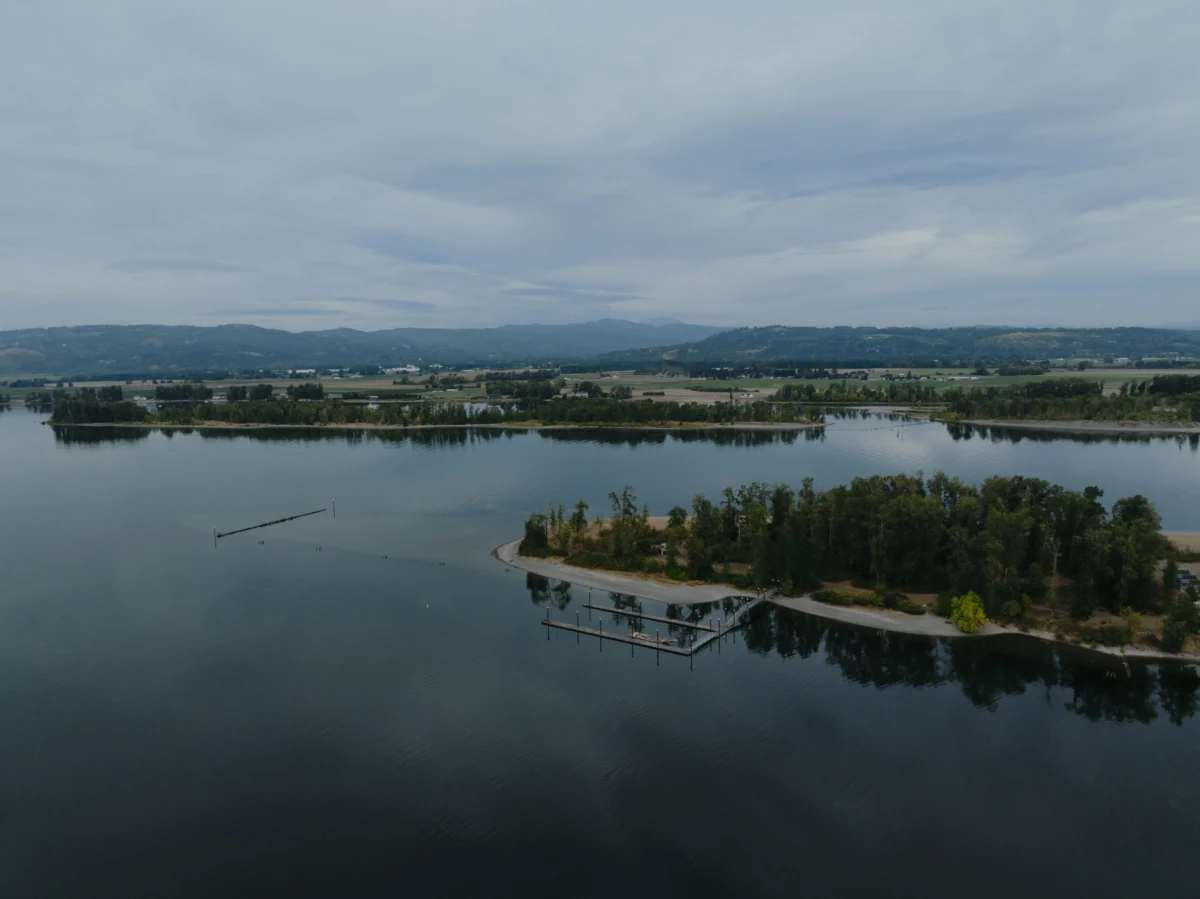
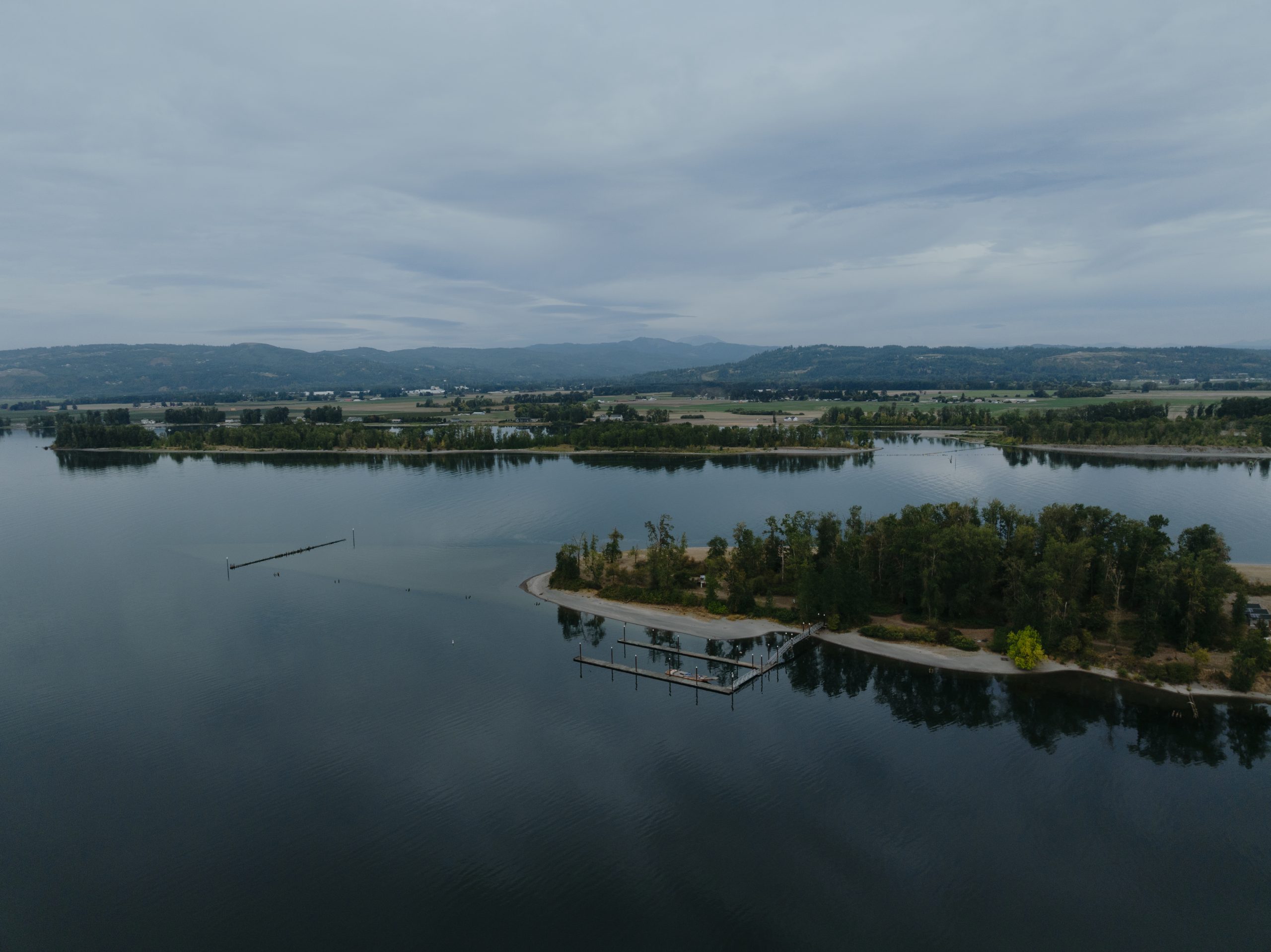
The sudden and tragic death of Tanya Bachman’s border collie, Jax, in August 2024, serves as a stark and heartbreaking illustration of a growing environmental hazard plaguing the Western United States. What began as a cherished family tradition – a birthday boat trip on the Columbia River near Portland, Oregon – ended in devastating loss when Jax, after playing on an island beach, became violently ill and succumbed to a rapidly acting toxin. His symptoms, including vomiting, convulsions, and loss of consciousness, were so swift that by the time his family rushed him to a veterinarian, it was already too late. This devastating event underscores the silent, unseen dangers lurking in the region’s waterways, a threat that extends beyond beloved pets to encompass human health and vital ecosystems.
The veterinarian’s diagnosis pointed to a likely ingestion of cyanobacteria, a group of microorganisms commonly known as blue-green algae. Specifically, Jax had likely encountered a benthic bloom, a phenomenon that has become increasingly documented in the West over the past five years. Unlike the more familiar planktonic blooms that form visible mats on the surface of lakes and reservoirs, often resembling spilled paint or grass clippings, benthic blooms form on the submerged surfaces of stream bottoms, rocks, or logs. These can sometimes break free and drift, presenting a less obvious danger. Described by experts as resembling "globs of snot," these benthic formations are particularly insidious because they can be easily ingested by animals unaware of their toxicity.
Cyanobacteria themselves are ancient organisms, having existed on Earth for billions of years. Their proliferation, however, is often exacerbated by human activities. Excess nutrients, primarily nitrogen and phosphorus, originating from agricultural fertilizers and air pollution, act as potent fuel for these microorganisms. When these nutrients enter waterways, they can trigger explosive growth, creating harmful algal blooms. Compounding this issue is the undeniable reality of climate change. As global temperatures rise, water bodies in the West are experiencing prolonged periods of heat and drought, leading to warmer, stagnant water conditions that are ideal for cyanobacteria to flourish. Hannah Bonner, a professor and water scientist at Brigham Young University specializing in benthic cyanobacteria, notes that climate change is a significant contributor to the increasing frequency and geographic spread of these blooms, turning once-pristine natural retreats into potential danger zones.
The toxins produced by cyanobacteria, known as cyanotoxins, pose a severe risk. For humans, contact with contaminated water can cause skin irritation, while ingestion can lead to gastrointestinal distress, nausea, and in more severe cases, liver damage. The danger is amplified for animals, including pets, livestock, and wildlife, who are more likely to drink directly from contaminated water sources or ingest toxins by licking their fur after swimming. A critical and alarming fact is that conventional backpacking water filtration systems are ineffective against these microscopic toxins; they cannot remove cyanobacteria or their harmful byproducts. This leaves those who rely on natural water sources for drinking water, or those who simply enjoy recreational activities, particularly vulnerable.
The monitoring of harmful algal blooms in many Western states is a relatively recent development, largely spurred by public health crises elsewhere. The devastating event in Toledo, Ohio, in 2014, where toxic cyanobacteria blooms in Lake Erie led to the shutdown of the city’s drinking water system, served as a wake-up call. In response, states like Wyoming began systematic bloom monitoring in 2018, initially using satellite imagery and later incorporating on-the-ground water sampling by 2021. Utah intensified its monitoring efforts in 2016, recognizing the growing threat. California and Oregon, with some of the longest-standing programs in the West, initiated their monitoring initiatives approximately two decades ago. These programs primarily focused on planktonic blooms due to their greater visibility and ease of detection compared to benthic formations.
The data emerging from these monitoring programs paint a concerning picture: planktonic blooms are appearing earlier in the spring, persisting longer into the autumn, and spreading to more lakes and reservoirs across the Western landscape. While some of this observed increase can be attributed to enhanced monitoring capabilities, a comprehensive study by the Environmental Protection Agency in 2021 concluded that the synergy between elevated nutrient levels and the warming, drying effects of climate change is indeed driving the creation of more frequent and prolonged blooms. Theodore Dreher, a professor emeritus of microbiology at Oregon State University, emphasizes that human activities on land are fundamentally altering aquatic environments. Unlike the global reach of climate change, where emissions from one region impact another, nutrient pollution often has more localized sources, offering a potential avenue for targeted regulation and intervention.
States like Utah have begun to address this issue through a combination of regulatory measures and voluntary incentives. Improvements at wastewater treatment plants are being mandated, and programs are in place to encourage farmers to treat agricultural runoff and to promote the restoration of floodplains. These efforts have shown promise in reducing nutrient loads into water bodies like Utah Lake, which was once so plagued by blooms that it inspired merchandise with slogans like "Ski the Scum." However, experts like Justin Hayes, Northern Rockies conservation director with American Rivers, caution that effective solutions require more than just observational monitoring; they necessitate a commitment to collecting comprehensive water quality data to understand and address the root causes of nutrient pollution. He urges states to approach the problem with greater urgency, focusing on remediation rather than solely issuing warnings to the public.

Researchers are also grappling with the emergence of blooms in unexpected locations. High-elevation lakes, previously considered pristine and remote from direct human nutrient sources like septic systems and feedlots, are increasingly experiencing planktonic blooms. Potential explanations include nutrient runoff from melting glaciers or the atmospheric deposition of nitrogen and phosphorus carried by dust and air pollution, as suggested by Bonner. Concurrently, the decline in snowpack and subsequent reduction in snowmelt may contribute to the increased prevalence of benthic blooms. Furthermore, a decrease in monsoon rainstorms, which historically helped to disperse algal mats, leaves these formations more entrenched. Bonner herself has witnessed this firsthand, encountering blooms in what she described as a "pristine creek" during a recent mountain excursion.
While acknowledging the risks, Bonner encourages people not to abandon outdoor recreation entirely but stresses the importance of being informed and vigilant. She offers practical advice for identifying potential benthic blooms: look for a "boogery consistency," and if unsure, use a stick to gently probe the formation; if it yields hairlike strands or fibers, it is less likely to be toxic cyanobacteria.
In parallel with scientific understanding and public awareness campaigns, many Western states are implementing visible warning systems. These include the installation of signage at recreational areas, the distribution of email alerts, and the dissemination of public health advisories to inform the public about the presence of toxic blooms. Tanya Bachman, deeply affected by the loss of Jax, continues to share her story with local and regional media outlets, hoping that his tragic death will serve as a powerful deterrent and prevent similar tragedies for other families and their pets. Her poignant observation, "Everything upstream flows downstream," serves as a potent reminder of the interconnectedness of aquatic ecosystems and the far-reaching consequences of pollution and environmental degradation. The invisible killer, cyanobacteria, serves as a growing testament to the urgent need for comprehensive environmental stewardship and proactive measures to protect the precious and increasingly vulnerable water resources of the American West.