Roger Danuarta
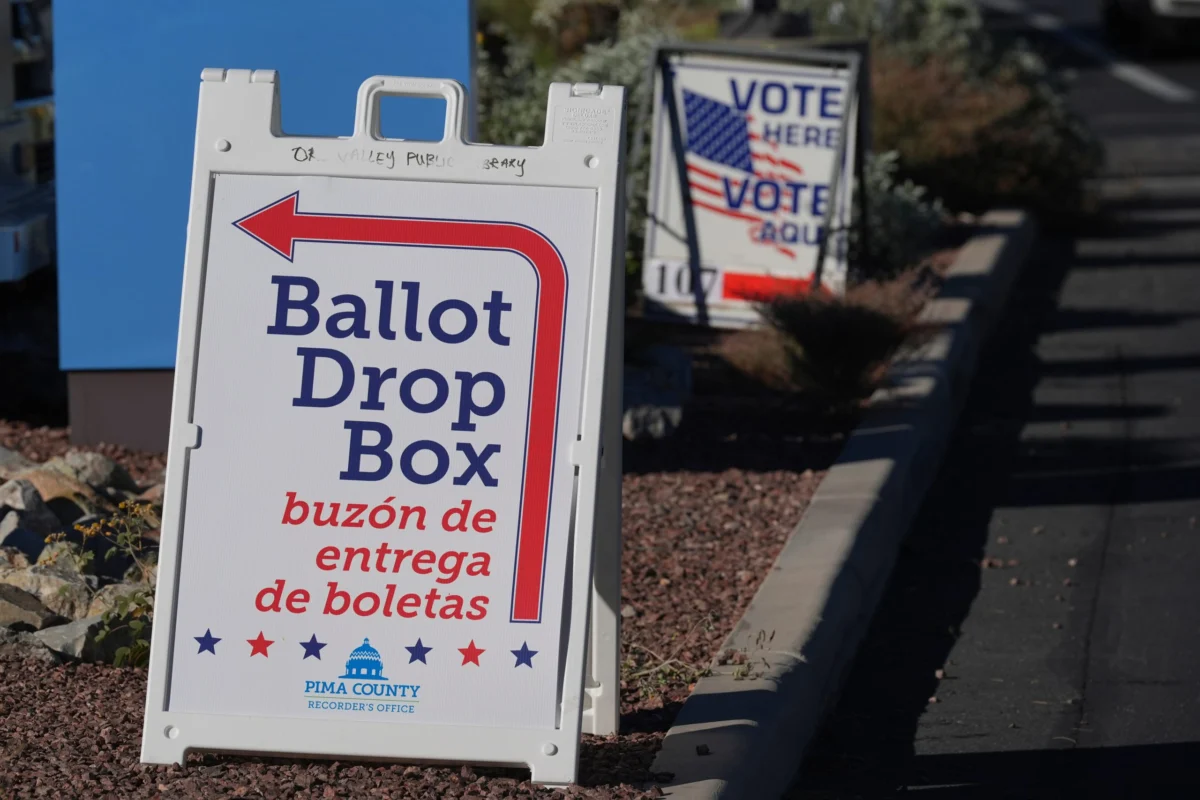
As historic flooding inundated the Four Corners region on Election Day, Jaynie Parrish’s organization, Arizona Native Vote, sprang into action, coordinating crucial rides to polling locations for Indigenous communities determined to cast their ballots. Beyond immediate logistical challenges posed by natural disasters, Parrish’s team simultaneously grappled with the profound implications of Arizona’s Proposition 144, a ballot measure poised to significantly alter the state’s voting landscape. This proposal sought to amend the state constitution, mandating that voters present identification for all forms of voting, including absentee and mail-in ballots. While Arizonans already undergo a two-step verification process—requiring proof of citizenship to register and identification for in-person voting—Prop 144 represented a dramatic escalation of these requirements. "It’s already hard for our people to vote," stated Parrish, executive director of Arizona Native Vote and a citizen of the Navajo Nation. "This makes it that much more difficult."
Ultimately, Proposition 144 failed, a testament to robust grassroots opposition. Arizona voters also rejected similar ballot measures in California and Colorado, which aimed to introduce or expand existing voter identification requirements. These state-level initiatives mirrored a pervasive national strategy spearheaded by Republican legislators and conservative advocacy groups. This concerted effort, often framed under the banner of "election integrity," gained significant momentum following unsubstantiated claims of widespread fraud in recent presidential elections. Proponents argue such laws are essential to prevent voter fraud, despite extensive research consistently showing that instances of in-person voter fraud are exceedingly rare. Opponents, however, contend that these measures primarily serve to disenfranchise eligible voters, particularly marginalized communities.
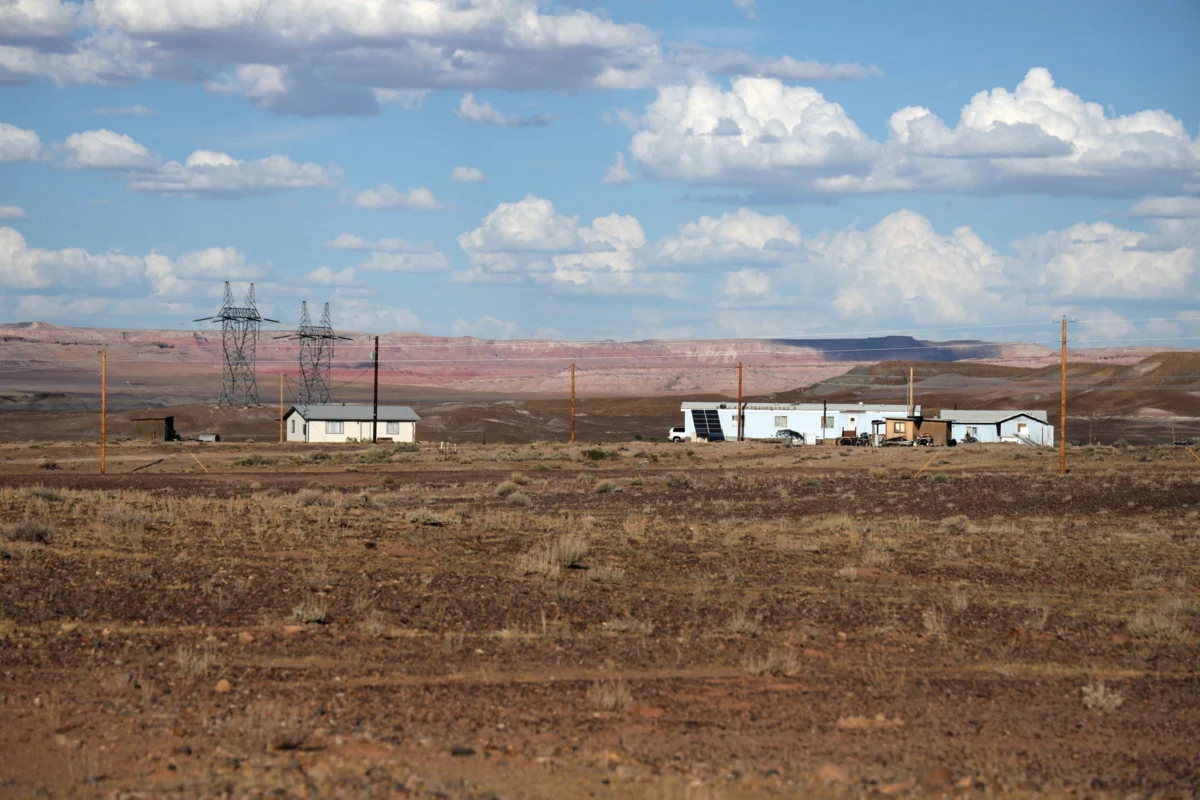
Native nations and a broad coalition of voting rights organizations have been vocal in their opposition to these efforts, highlighting the disproportionate impact on Indigenous voters. Laws mandating specific forms of government-issued photo identification can erect formidable barriers for Native individuals. The sheer cost of obtaining underlying documents, such as birth certificates, coupled with the fees for official state identification, can be prohibitive for many living in economically disadvantaged areas. Furthermore, the vast geographic distances separating many tribal lands from state motor vehicle departments or county government offices, often compounded by a lack of reliable public transportation, transform a simple administrative task into an arduous, multi-day journey. Many tribal IDs, while legitimate forms of identification within their sovereign nations, may not include a photograph or a residential address, features often stipulated by stricter voter ID laws. This inconsistency places tribal citizens in a precarious position, caught between their sovereign identity and state-mandated requirements.
The Salt River Pima-Maricopa Indian Community proactively urged its members and the wider electorate to reject Proposition 144, underscoring a historical context of struggle for voting rights. "Native people, including the members of this community, were the last people to become citizens of the United States through the Indian Citizenship Act of 1924," explained Gary Bohnee, special assistant for congressional and legislative affairs for the Salt River Pima-Maricopa Indian Community and an enrolled citizen of the Gila River Indian Community. "But even though that was when it was passed, it took litigation in both 1928, and I believe in 1948 for litigation brought here in Arizona, for Native people to have access to the vote." This protracted fight for enfranchisement, culminating in landmark cases like Harrison v. Laveen (1948) which affirmed the right of Arizona’s Indigenous population to vote, imbues the community with a deep-seated commitment to protecting and expanding voter access. Bohnee emphasized that "making it easier for people to be able to vote has been paramount" for the community, a principle guiding their engagement with electoral policies.

The community’s concerns were particularly acute regarding mail-in voting, a preferred method for approximately 50% of its registered voters. Prop 144’s ambiguity regarding the acceptability of tribal IDs for mailed-in ballots created significant uncertainty and potential for disenfranchisement. This situation highlighted the broader challenge of ensuring that election systems are culturally sensitive and adaptable to the diverse circumstances of Indigenous populations, many of whom reside in remote areas with limited access to traditional mail services or rely on community-based ballot collection efforts.
In contrast to Arizona’s outcome, voters in Nevada approved a ballot measure by a wide margin, amending the state’s constitution to mandate government-issued identification for in-person voting. Nevada, which previously did not require ID at the polls, now faces similar concerns regarding its impact on Native voters. Jennifer Willett, senior campaign manager for All Voting is Local in Nevada, acknowledged that while tribal IDs are included on the list of acceptable identification, the stipulation that they must include a photo presents a significant hurdle. "That’s a problem through creating a barrier for people wanting to vote, but it’s also a problem with interfering on tribal sovereignty," Willett asserted. "Tribes should be able to decide what’s on their ID." This sentiment resonates deeply within tribal communities, who view state-imposed requirements on their identification documents as an infringement upon their inherent self-governance and an affront to their distinct political status.
Even with Arizona’s existing voter ID requirements, issues persist. Natalia Sells, senior campaign manager for All Voting is Local in Arizona, reported instances where Native voters are still turned away at polling places due to poll workers’ unfamiliarity with tribal identification cards. This lack of adequate training and awareness among election officials underscores a systemic challenge that even well-intentioned laws can fail to address, leading to arbitrary disenfranchisement. The failed Proposition 144 was not an isolated attempt; it followed previous unsuccessful legislative iterations in the state legislature. Arizona Governor Katie Hobbs, a Democrat, has frequently exercised her veto power against numerous election-related bills since the 2020 election, a period marked by an increase in legislative efforts to tighten voting rules. These bills, Sells noted, often employ language focused on preventing non-citizens from voting but frequently include provisions that would inadvertently or intentionally restrict eligible voters.
In response to these ongoing challenges at the state level, Native nations, including the Salt River Pima-Maricopa Indian Community, are staunch advocates for the federal Native American Voting Rights Act (NAVRA). This proposed legislation aims to establish a crucial federal backstop, safeguarding the voting rights of all citizens against restrictive state laws that disproportionately affect tribal voters. NAVRA includes vital provisions such as requiring at least one polling location in every tribal community, ensuring the provision of voting materials in Indigenous languages, and bolstering federal oversight to prevent discriminatory practices. It represents a comprehensive effort to address the unique barriers faced by Indigenous voters, from language access to geographic isolation, and to codify protections that transcend state-level political fluctuations.
Recent data underscores the urgency of these protections. A midterms election poll conducted by the First Nations Development Institute and BSP Research revealed that a substantial majority of Native voters polled express deep concern about voter rights, with 77% advocating for the passage of a new voting rights protection act in Congress. The current political landscape, with Democrats holding control of both the House and the Senate, presents a renewed opportunity for such landmark legislation to advance. The sustained advocacy by Indigenous communities and their allies, combined with a growing recognition of the significant electoral power of Native voters in swing states across the American West, lends considerable momentum to the push for federal reforms. The outcome of this ongoing national debate will not only shape the future of Indigenous political participation but also profoundly influence the broader landscape of democratic access and election integrity across the United States.