Rocky Georgio
The Smokehouse Tidal Marsh project, initiated in 2022 on the Swinomish Indian Reservation, represents a significant undertaking to transform 250 acres of former agricultural land into vital estuaries and wetlands. This ambitious restoration effort is emblematic of a broader movement within tribal communities aimed at reviving endangered and threatened populations crucial to the ecological balance of the Puget Sound region. Species like the Puget Sound chinook salmon, Puget Sound steelhead, bull trout, and the iconic southern resident killer whales, all of which rely on the Skagit River Watershed, face severe decline primarily due to habitat loss and degradation. For generations, human development and agricultural expansion have systematically eroded the natural landscapes that these species need to survive and thrive.
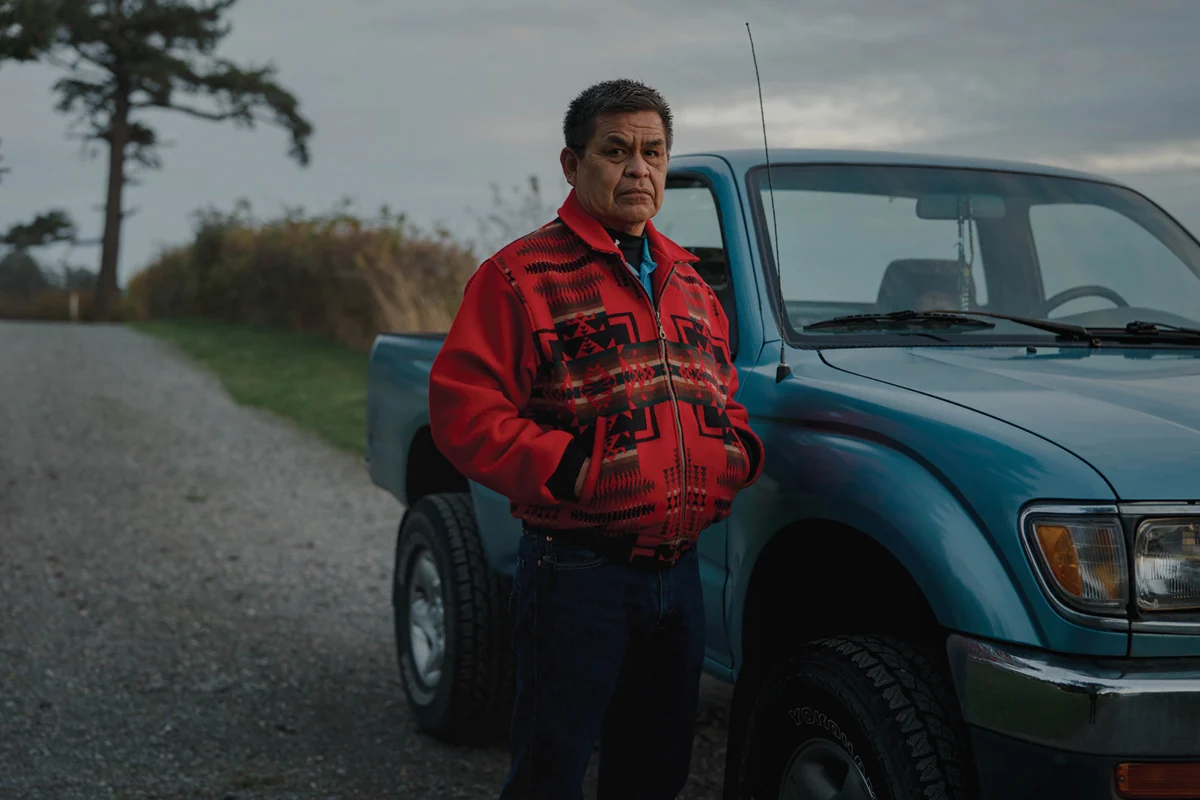
Swinomish Tribal Indian Community Chairman Steve Edwards, a lifelong resident and angler with over 50 years of experience in the area, underscored the severity of the situation. "Over the past 150 years or so, there’s been significant damage to the habitat, and (the habitat is) what salmon needs," he stated, highlighting the direct correlation between environmental degradation and species decline.
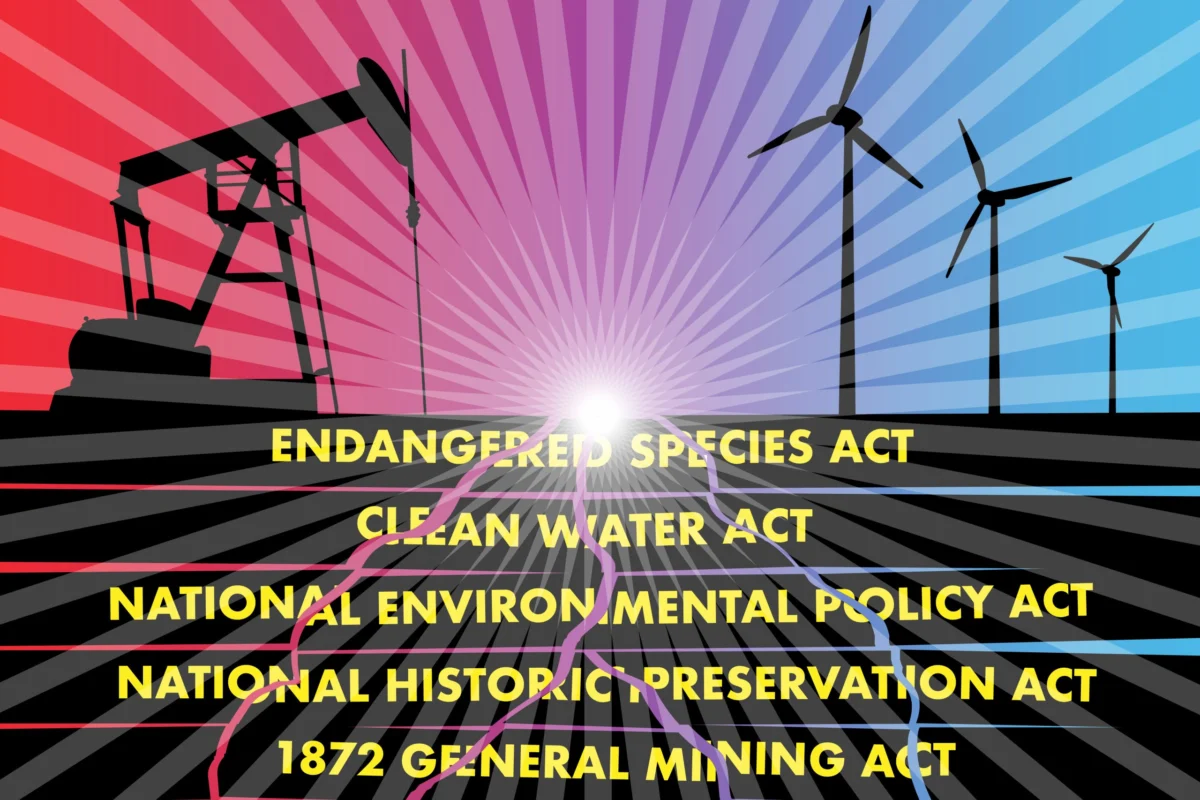
In July, the federal government finalized significant changes to the interpretation of the 1973 Endangered Species Act, a move that tribal nations and environmental advocates argue represents a severe blow to conservation efforts. Previously, the definition of "harm" under the Act encompassed actions that would damage the habitat or resources essential for a species’ survival. However, the revised interpretation drastically narrows this scope, defining "harm" to mean only the intentional killing or harming of an individual animal. This shift fundamentally alters the Act’s focus from ecosystem-wide protection to a more limited, species-specific approach, potentially undermining decades of conservation precedent and legal understanding.
The day after these rule changes were finalized, the Swinomish and Squaxin Island tribes collectively filed a lawsuit against the federal government. They accused the administration of a "radical reinterpretation" of the law, contending that the changes disregarded over 50 years of congressional intent and established Supreme Court case law. In their legal filings, the tribes emphasized the intrinsic connection between their cultural and economic well-being and the health of Pacific salmon and other aquatic resources. "Squaxin’s cultural and economic well-being depend upon the health and sustainability of Pacific Salmon and other freshwater and marine resources, which play a central role in the daily lives of Tribal members," the tribes articulated in their complaint.
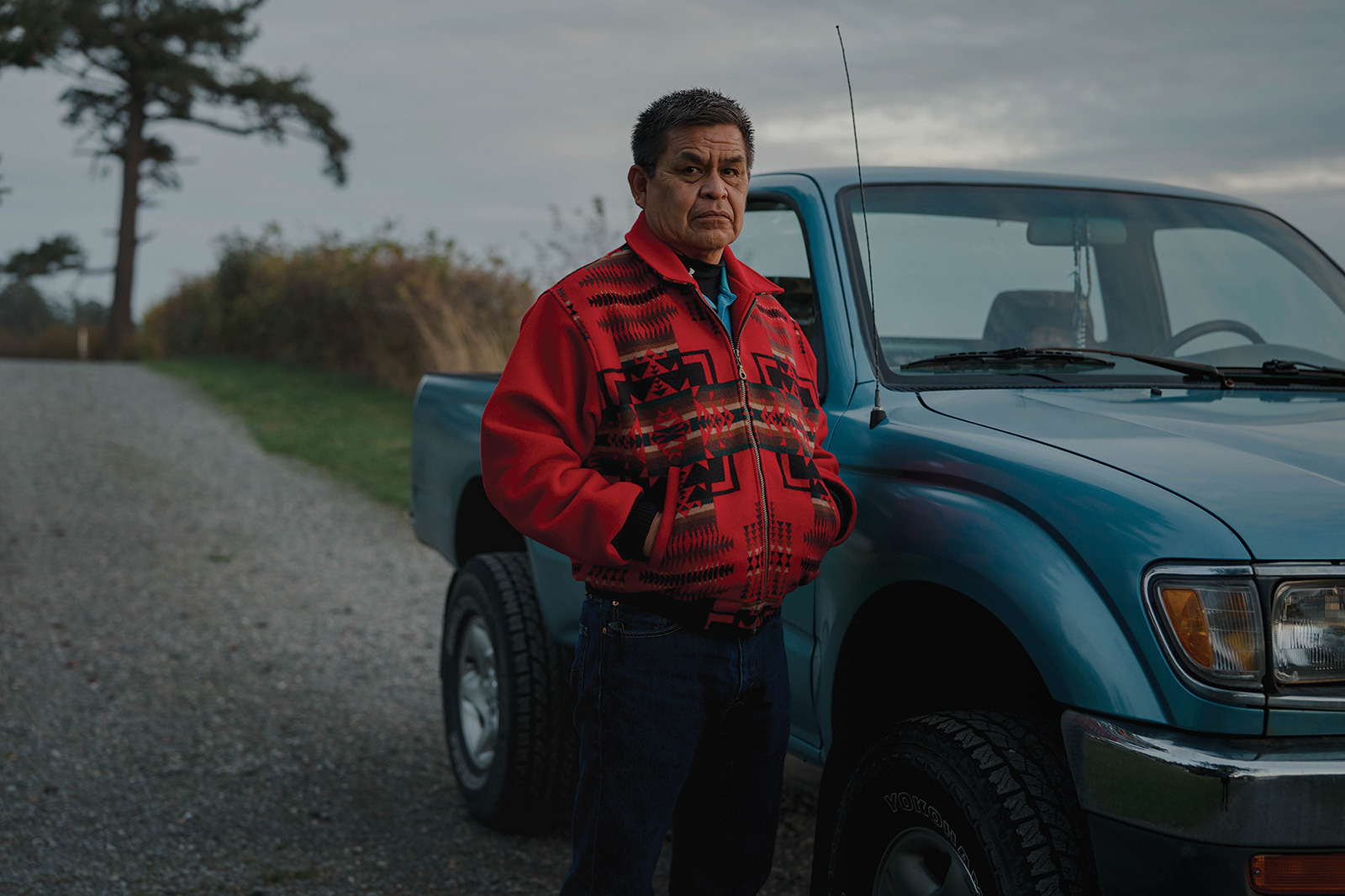
Chairman Edwards expressed profound disappointment and a sense of betrayal regarding the federal government’s actions, noting the lack of meaningful government-to-government consultation. Despite the United States’ trust obligation to Native nations, federal agencies reportedly did not engage with the Swinomish Tribe’s requests for dialogue. "It feels almost like we’ve been betrayed by our federal trustees," Edwards lamented, explaining that the changes effectively diminish their treaty rights and have necessitated a difficult legal battle. "It’s super disturbing that we had to fight this fight."
The proposed changes drew widespread opposition from numerous Native nations during the public comment period. Many tribes voiced concerns about the insufficient tribal consultation process and the potentially devastating impact on imperiled species. These species often hold deep cultural, spiritual, and relational significance for tribal citizens, representing more than just biological entities but integral parts of their heritage and identity. The altered interpretation could also have significant economic repercussions, disrupting fishing communities and threatening the subsistence practices of those who rely on these species for food security.
While much of the public comment originated from tribes in the Pacific Northwest, particularly concerning salmon populations, the implications of the rule change extend across the nation. Tribes like the Pueblo of San Felipe raised concerns about the potential impact on the monarch butterfly and Suckley’s cuckoo bumblebee, while the Fallon Paiute-Shoshone Tribe expressed profound worry for the Dixie Valley toad, a species the tribe considers a spiritual relative.
Cathi Williams-Tuni, Chairwoman of the Fallon Paiute-Shoshone Tribe, articulated the fundamental flaw in the revised definition of harm. "It is obvious that removing water from a species that needs water to survive harms both individual members of the species and the species’ population," she wrote in public comments, referencing the potential impacts of a proposed geothermal project near the toad’s habitat. Although this specific geothermal project was halted in 2022 following the toad’s endangered listing, the new interpretation could potentially allow it to resume. Williams-Tuni warned that such development in Dixie Valley "would be catastrophic, permanently ruining the Tribe’s sacred site and ending the ability to use the springs for medicine and ceremonies."
The tribes sought a court injunction to prevent the regulatory changes from taking effect, which were slated to be implemented in mid-September, and requested a ruling that declared the changes unlawful, thereby reverting to the previous, broader definitions of "harm." While they anticipate a swift resolution, the tribes acknowledge that such legal proceedings can often extend for months.

Industry stakeholders, particularly developers and businesses, stand to benefit from the revised regulations. Under the new framework, they may no longer be required to assess or mitigate the broader habitat impacts of their projects. Previously, activities that threatened protected species’ habitat would trigger a permit process that often involved crucial tribal consultation. The narrowed definition of "harm" significantly reduces the instances where these permits are necessary, effectively sidelining tribal input. Furthermore, proving intentional harm, a prerequisite under the new rules, presents a substantial legal challenge, as noted by Bob Anderson, a professor of law at Harvard Law School and a member of the Bois Forte Band of the Minnesota Chippewa Tribe. "Companies won’t have any incentives to negotiate with the government or environmental groups or tribes about how their activities are going to affect the listed species," Anderson observed.
The reinterpretation also casts a shadow over existing large-scale agreements governing river systems with endangered or threatened species. River systems such as the Klamath, Elwha, and Columbia rely on specific water release schedules from dams to support salmon migration and spawning, as mandated by the ESA. The new definition jeopardizes these established accords and could exponentially complicate ongoing salmon recovery efforts. "We’re not even close to delisting these species," stated Kayeloni Scott, Executive Director of the Columbia River Snake Campaign, a coalition of conservation groups, businesses, and the Nez Perce Tribe. "Our goal is abundance—healthy and abundant populations—that’s a whole other level, a whole other tier. Even getting to delisting, we’re pretty far off."
Anderson believes the legal arguments presented by tribes and environmental groups are robust, yet he acknowledges the inherent political risks involved, particularly given the administration’s perceived tendency towards retaliation. He cited the example of the Miccosukee Tribe of Indians of Florida, which, after joining a lawsuit against the administration regarding an immigration detention center in the Everglades, saw a bipartisan bill returning land to the tribe vetoed by President Trump. The President explicitly cited the tribe’s opposition to the detention center as the reason for the veto, stating the Miccosukee Tribe was "unaligned with my Administration’s policy of removing violent criminal illegal aliens from the country." Anderson described this as "a real message there to plaintiffs that they’re going to retaliate against you. You’re locking horns with the federal government."
Despite these formidable challenges, Chairman Edwards remains resolute in his commitment to preserving the nation’s sovereign rights for future generations and continuing the Swinomish Tribe’s restoration work. "It does impact our sovereignty," Edwards stated regarding the changes to species protections. "Generations down the road, I want (Swinomish citizens) to be able to exercise their treaty rights like I have done in the past." The legal battle underscores a critical juncture for environmental law, tribal sovereignty, and the ongoing struggle to protect the delicate ecological balance of the Pacific Northwest and beyond.