Joko Susilo
The Trump administration’s dramatic reduction of Bears Ears National Monument in southern Utah, slashing its protected acreage by approximately 90% and effectively dismantling the Bears Ears Inter-Tribal Commission, ignited a profound national debate over presidential authority, tribal sovereignty, and the future of America’s cherished public lands. This contentious move, which drew immediate condemnation from Indigenous communities and conservation groups, not only jeopardizes the unique ecological and cultural integrity of Bears Ears but also sets a dangerous precedent that could undermine the protections afforded to any national monument across the United States. The core of this dispute transcends a mere disagreement over land use; it represents a clash between a centuries-old tradition of Indigenous land stewardship and a policy vision that prioritizes resource extraction over cultural preservation and environmental safeguarding.
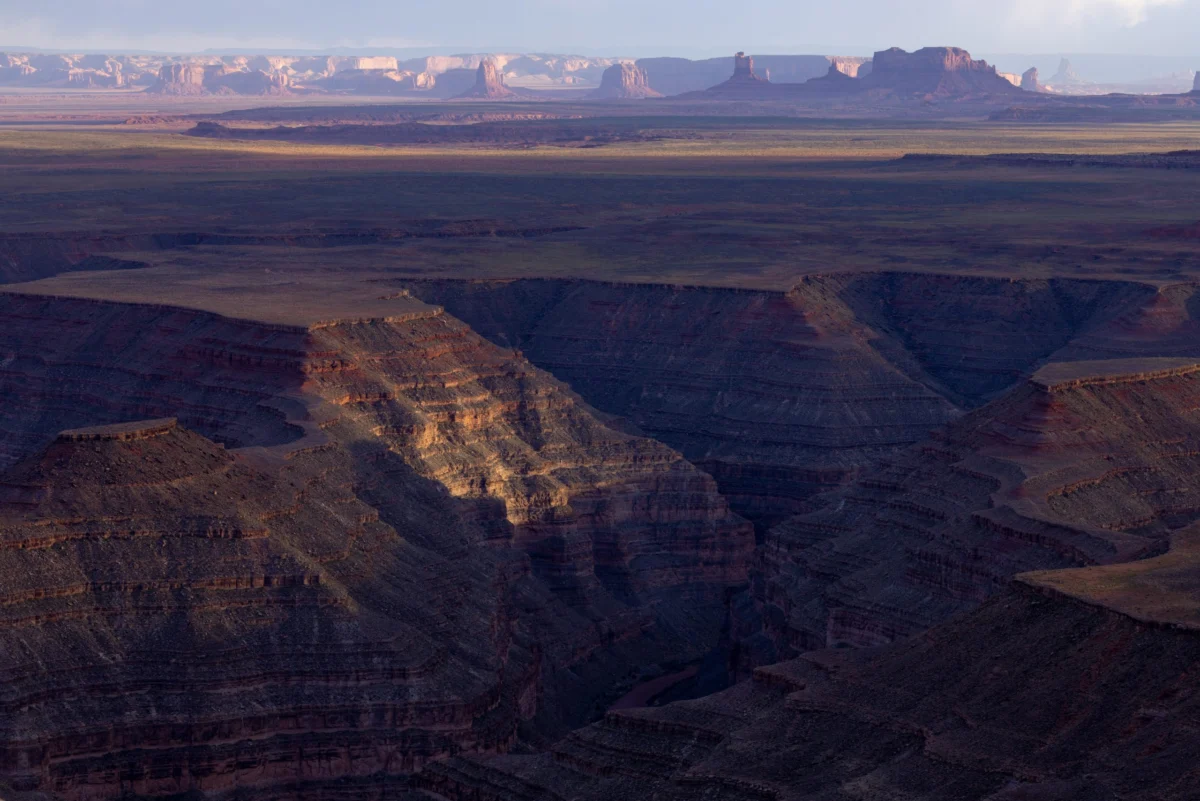
Established in 2016 by President Barack Obama, the original 1.35-million-acre Bears Ears National Monument was a landmark designation, celebrated for its revolutionary inclusion of Native languages in its proclamation and the establishment of the Bears Ears Inter-Tribal Commission. This commission, comprising representatives from the Hopi Tribe, Navajo Nation, Ute Mountain Ute Tribe, Ute Indian Tribe of the Uintah and Ouray Reservation, and Zuni Tribe, was a pioneering model for tribally-led co-management, recognizing the deep, ancestral connections these sovereign nations hold to the landscape. The monument itself is a living testament to thousands of years of human history, boasting an unparalleled density of archaeological sites, ancient cliff dwellings, rock art panels, and sacred ceremonial grounds. Beyond its profound cultural significance, Bears Ears encompasses a diverse array of ecosystems, from arid desert canyons to high-elevation forests, supporting a rich biodiversity and offering critical habitat for numerous species.
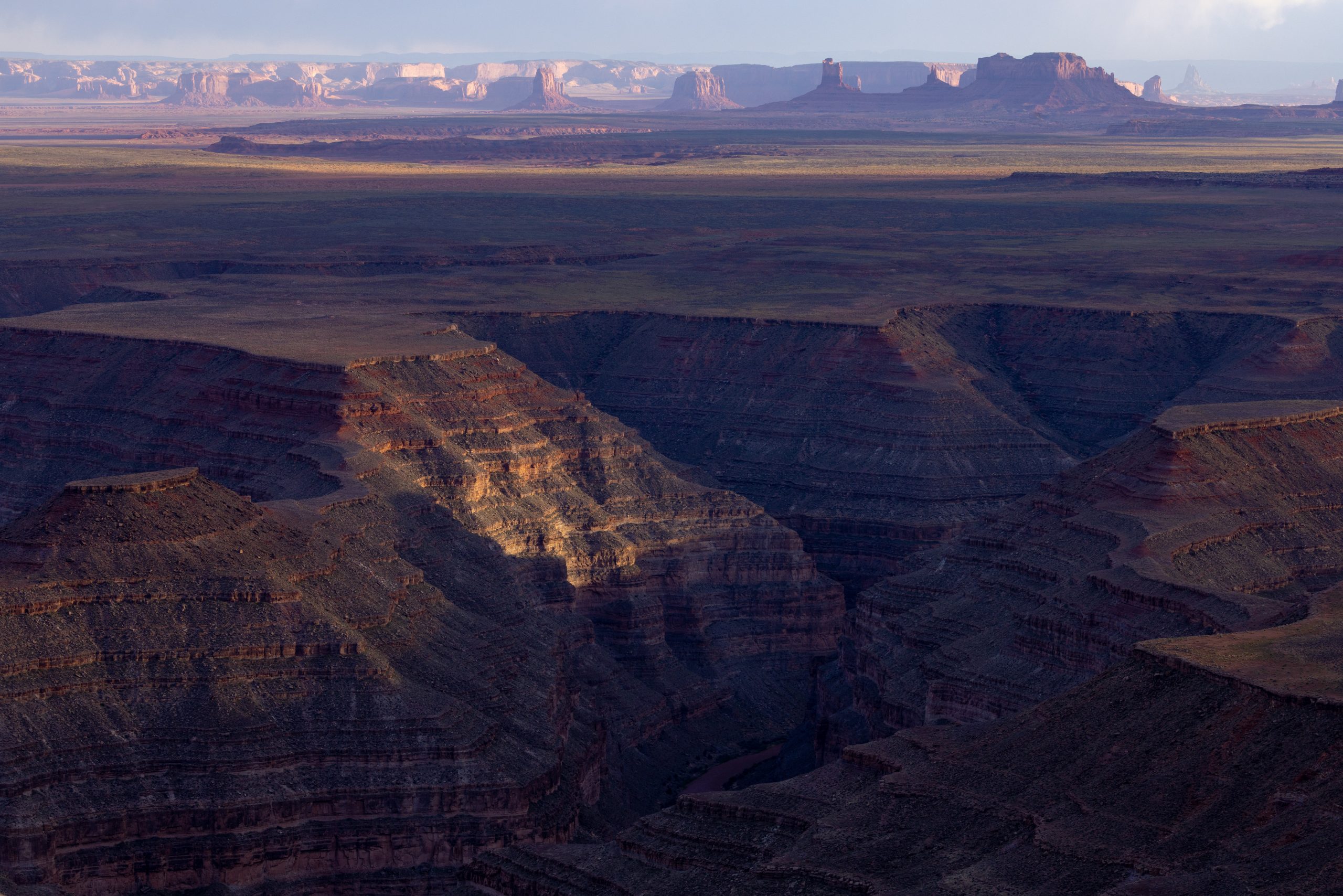
In stark contrast to the 2016 proclamation, which eloquently articulated the land’s irreplaceable value as a sacred cultural landscape, the Trump administration’s subsequent order sought to diminish its significance. The revised proclamation controversially described the monument’s features as "common" across the Southwest, asserting they were not worthy of extensive protection, and framed land preservation as an act of federal overreach or "theft." Critics argued this characterization ignored the specific mandate of the Antiquities Act of 1906, which empowers presidents to protect "historic landmarks, historic and prehistoric structures, and other objects of historic or scientific interest" on federal lands. The Act, signed into law by President Theodore Roosevelt, was explicitly designed to safeguard precisely the kind of archaeological and cultural treasures found in abundance throughout Bears Ears.
The profound implications of this decision extend beyond Bears Ears, directly impacting Grand Staircase-Escalante National Monument, another Utah landscape also targeted by the Trump administration for significant reduction. Both monuments hold deep spiritual and historical importance for numerous tribal nations, many of whom have ancestral ties to these lands stretching back millennia. The United States, barely 250 years old, stands in stark temporal contrast to the continuous Indigenous presence on these lands, which spans thousands of generations. To disregard the voices, leadership, and time-tested land-management practices of these sovereign nations, including those forming the Bears Ears Commission, constitutes a grave affront to tribal self-determination and the principles of meaningful consultation enshrined in federal Indian policy.
The urgency surrounding this issue is not merely theoretical. Following the monument’s reduction, mining claims were swiftly filed within the excised areas, signaling the administration’s aggressive intent to open these culturally and ecologically sensitive lands to industrial development. The potential for irreversible damage looms large, threatening to desecrate ancient sites, disrupt fragile ecosystems, and permanently alter a landscape that has remained largely intact due to generations of Indigenous care. Once drill rigs and bulldozers disturb these pristine areas, the unique character and historical integrity of the land can never be fully restored, making the current moment a critical juncture for its preservation.

Opponents of the monument’s protection have often employed tactics of fearmongering, suggesting that land conservation necessarily entails a loss for local communities or resource industries. This narrative deliberately sows uncertainty into the carefully constructed vision of collaborative land management that tribal nations and federal agencies, particularly the Bureau of Land Management, had spent a decade building in good faith. However, numerous studies have demonstrated that national monument designations often bolster local economies through increased tourism and outdoor recreation, offering sustainable economic benefits that far outweigh the short-term gains from extractive industries, which frequently leave behind long-term environmental liabilities.
In response to these actions, tribal nations, supported by a powerful coalition of conservation organizations and millions of Americans, have unequivocally rejected the proclamations. This fight transcends policy disagreement; it is a fundamental defense of sacred places and ancestral heritage. Tribal nations and their conservation partners have already initiated robust legal challenges against the Trump administration’s proclamations, asserting that the Antiquities Act grants presidents the power to establish national monuments, but not the authority to revoke or substantially reduce them. This legal argument is grounded in the historical interpretation and application of the Act, which has seen presidents modify monument boundaries but never rescind a designation entirely. The lawsuits seek to restore Bears Ears National Monument to its original, full extent, and to reaffirm the vital role of the Bears Ears Inter-Tribal Commission in its management.
The legal battle represents a critical front, but advocates emphasize that litigation alone will not suffice. The long-term protection of Bears Ears and other threatened public lands requires broad public awareness and sustained engagement from all Americans. This struggle is a testament to the enduring commitment of Indigenous peoples to their ancestral lands and a powerful call for collective action to safeguard irreplaceable cultural heritage and vital ecosystems for future generations. The fate of Bears Ears National Monument stands as a potent symbol of the ongoing contest over America’s natural and cultural treasures, highlighting the imperative to uphold tribal sovereignty, respect historical preservation, and ensure responsible stewardship of public lands against immediate and irreversible threats.