Rocky Gerung
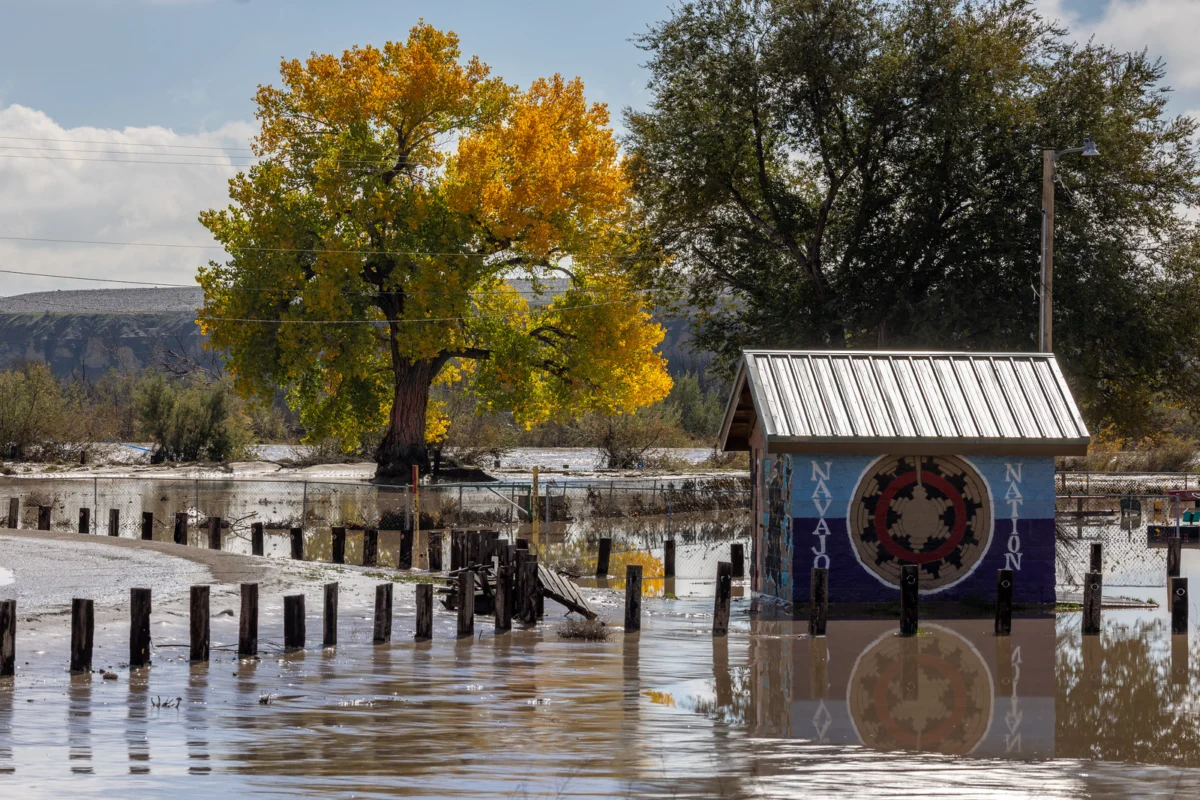
A ferociously intense storm system recently inundated communities across the Southwest, claiming at least four lives and overwhelming natural and human infrastructure with an unprecedented volume of precipitation. Arizona, a state accustomed to arid desert conditions, received what amounts to two to three months’ worth of rainfall in a mere matter of days, a deluge far exceeding its capacity to absorb. In Clovis, New Mexico, a staggering 28.84 inches of rain has fallen since September 20, a stark contrast to its historical average of just 3.3 inches for the same period.
This extreme weather event is strongly linked to the prevailing El Niño phenomenon, according to climate experts. Russ Schumacher, director of the Colorado Climate Center at Colorado State University and the state climatologist, noted that the recent deluge added to the ongoing hardships faced by communities in Southwest Colorado, Arizona, Utah, and New Mexico, with the El Niño connection being "pretty clear." Michael A. Crimmins, a climatologist at the University of Arizona, further elaborated that while such an event could have occurred in a non-El Niño year, the confluence of all the necessary atmospheric ingredients was significantly less likely without its influence.
The National Oceanic and Atmospheric Administration’s seasonal outlook confirms the potential for an active winter across much of the southern United States, largely due to the developing El Niño. This particular El Niño is already recognized as one of the strongest on record and shows potential for further intensification in the coming months. While seemingly a modest temperature increase in the Pacific Ocean, this warming injects a tremendous amount of energy into the global atmosphere, leading to widespread weather pattern disruptions. The influence of this powerful El Niño is so profound that it has demonstrably suppressed hurricane activity in the Atlantic basin. By altering wind patterns high in the atmosphere, it has contributed to a record-breaking delay in the formation of the first hurricane of the season, with 2026 having only experienced one by this point, compared to the typical six hurricanes seen by this stage of a normal year.
In contrast to the Atlantic’s quiet season, the Southwest is experiencing a heightened risk of inclement weather. The warmer Pacific waters associated with El Niño not only contribute to atmospheric heat but also significantly increase the amount of moisture available for weather systems. Furthermore, ocean temperatures in the Pacific have been unusually high even independent of the El Niño, which helps explain the robust hurricane season observed in the eastern Pacific, with ten storms recorded so far this year. Globally, oceans have absorbed over 90% of the excess heat generated by human activities, underscoring their critical role in moderating Earth’s climate and their capacity to fuel extreme weather events.
This increased atmospheric moisture has been a recurring feature of weather patterns impacting the Southwest over the past month. A separate storm system in late October delivered one of the most extreme rainfall events in Colorado’s recorded history, with some higher elevations receiving up to 8 inches of rain in just four days, causing extensive devastation. Schumacher characterized these events as carrying "really extreme amounts of water vapor in the atmosphere that have been aimed into the Southwest in each of those storms."

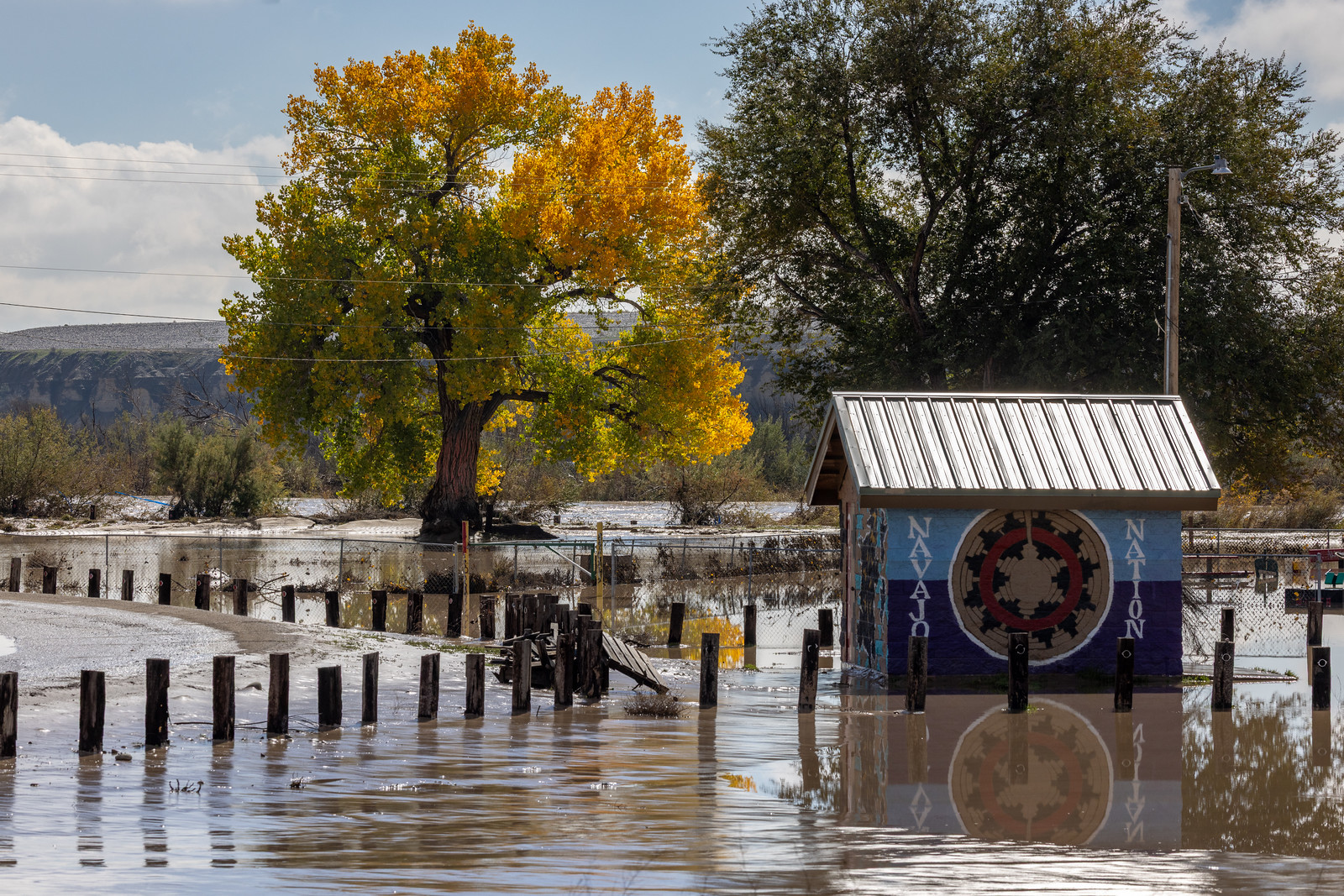
The cumulative effect of this autumn’s heavy precipitation has left Arizona, Colorado, and other Southwestern states particularly vulnerable to further destruction. Rivers were already running at elevated levels, and the subsequent storms pushed them to dangerous extremes. Moreover, when soils are saturated, any additional rainfall is less likely to be absorbed, leading to increased surface runoff and widespread flooding. Schumacher explained that the proximity of these storms meant that "everything was primed for even worse flooding this time around." The mountainous terrain of the Southwest exacerbates this danger, as the topography acts to funnel rainwater into rapidly swelling torrents. Crimmins illustrated the power of water in these environments, noting the prevalence of "out-of-place boulders all over the place" in the Southwest, remnants of past floods, and warning of the potential for "really epic flash flooding."
Despite the immediate challenges posed by these extreme weather events, there is a potential silver lining: the increased precipitation associated with this El Niño could offer much-needed drought relief to large parts of the southern United States. Climate change has intensified existing dry spells, and higher temperatures accelerate evaporation from water reservoirs. Compounding these issues is the growing population in the Southwest, leading to increased demand for already scarce water resources.
The precarious state of the Colorado River’s two primary reservoirs, Lake Powell and Lake Mead, highlights the severity of the water crisis. These reservoirs are reportedly approaching critical levels, threatening the water supply for millions of people. While the anticipated rainfall this winter might contribute to replenishing these vital water sources, it is unlikely to reverse the long-term precipitous decline they have experienced. Schumacher cautioned that it will take a significant and sustained period of increased precipitation to even return these reservoirs to levels seen just a year ago, let alone to the healthy conditions of decades past.

A significant variable for the coming winter is the potential for snowpack in the Colorado mountains. It remains too early to predict the extent of snowfall, but a robust snowpack is crucial for the region’s water security. Unlike rainwater, which flows quickly into rivers, snowpack gradually releases water as it melts in the spring, providing a more controlled and sustainable water supply. Following a historically low snowpack in the preceding year, Colorado is in urgent need of substantial snowfall to help mitigate its water challenges.
While water management agencies cannot control the weather, they can adapt their strategies for managing precipitation. Cities like Tucson, Arizona, are implementing innovative solutions such as green infrastructure projects, which involve creating permeable spaces that support native vegetation. These initiatives help to slow the flow of stormwater, thereby mitigating flood risks and treating rainwater as a valuable resource rather than a disruptive nuisance. Crimmins lauded these efforts, emphasizing the "really cool and clever ways of thinking about stormwater as a resource."