Joko Susilo
The Biden administration’s Bureau of Land Management (BLM) delivered final approval in May 2023 for Pattern Energy’s SunZia transmission line, a long-anticipated project designed to channel vast amounts of wind power from eastern New Mexico to a critical grid hub near Phoenix, Arizona, from where it can then be distributed across the vast Southwestern United States. This strategic move was widely celebrated by clean energy proponents, who view the SunZia line as an indispensable component in decarbonizing the regional power grid, enabling states to integrate renewable sources and reduce reliance on natural gas, particularly during peak demand when solar power wanes after sunset.
This pivotal approval, however, arrived after an arduous 17-year federal review process, highlighting the protracted timelines that often plague large-scale infrastructure projects in the United States. The SunZia project itself had faced significant setbacks, including a previous BLM approval in 2015 that was rescinded following strong objections from New Mexico regulators concerned about the potential impact on migratory bird populations. Such delays have intensified calls from climate advocates, who argue that the accelerating climate crisis demands immediate action, making the slow, bureaucratic labyrinth of federal permitting a critical bottleneck for essential clean energy infrastructure. They contend that a decade or more for project approval, often followed by post-approval legal challenges, is simply unsustainable in the race to avert catastrophic environmental consequences, positioning SunZia as a prime illustration of why comprehensive permitting reform is urgently needed to streamline project development.
Responding to these escalating concerns, a bipartisan coalition of senators, including New Mexico Democrat Martin Heinrich, a long-time champion of public lands, and Utah Republican Mike Lee, known for his conservative stance, introduced the Bipartisan American Affordability and Jobs Act last September. This ambitious legislative proposal aims to significantly accelerate and simplify federal environmental reviews and permitting processes for major infrastructure projects, spanning both renewable energy and, controversially, fossil fuel developments.
The proposed legislation garnered support from a diverse array of organizations, reflecting the complex and often conflicting priorities at play. Groups like Americans for a Clean Energy Grid and the Breakthrough Institute, which advocates for technological solutions to environmental challenges, lauded the bill’s potential to expedite clean energy deployment. Notably, even the American Petroleum Institute, representing fossil fuel interests, backed the legislation, signaling the expanded scope that would benefit conventional energy projects as well. Climate hawks, generally keen on rapid decarbonization, also found aspects of the bill appealing. The Natural Resources Defense Council (NRDC) praised the bill’s provisions related to transmission infrastructure, which the Columbia Center on Global Energy Policy estimated could slash average permitting timelines by an astonishing 96 months. This dramatic reduction is seen as an "essential component" for achieving a decarbonized power grid, with the bill also proposing to hold energy-intensive data centers accountable for funding any necessary grid upgrades their operations might require.
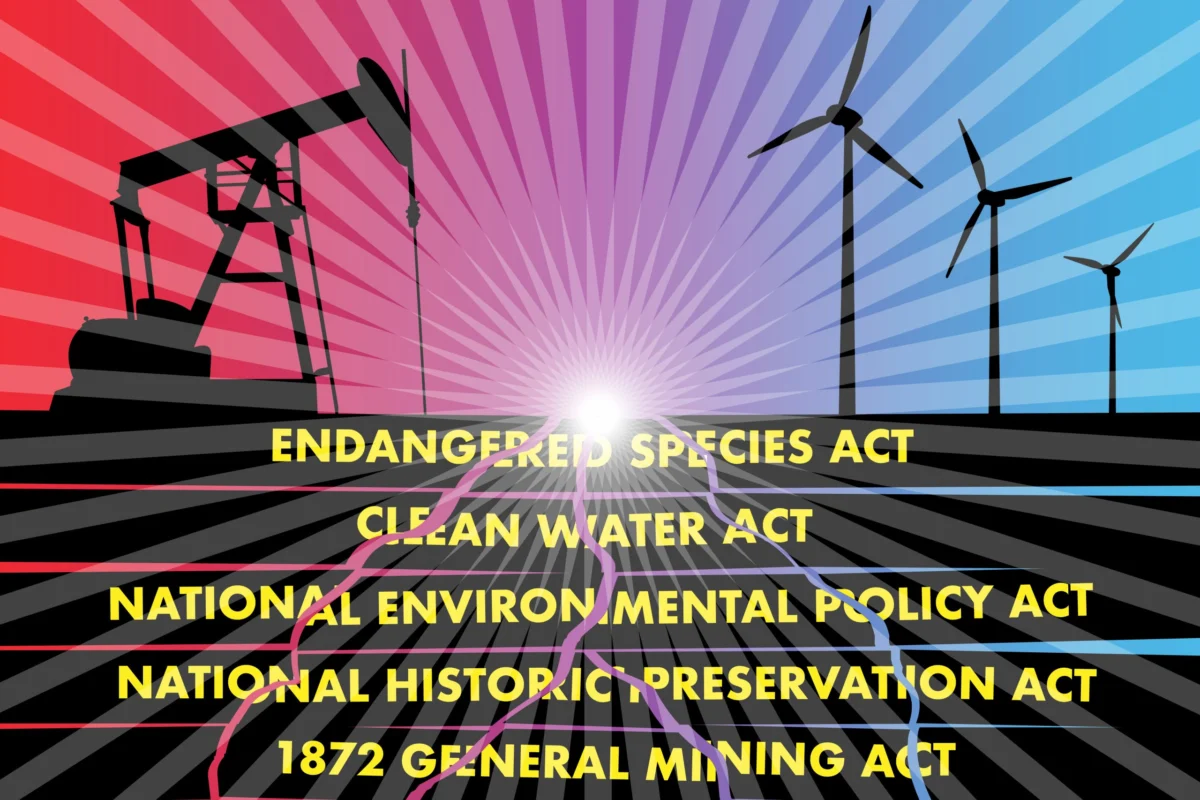
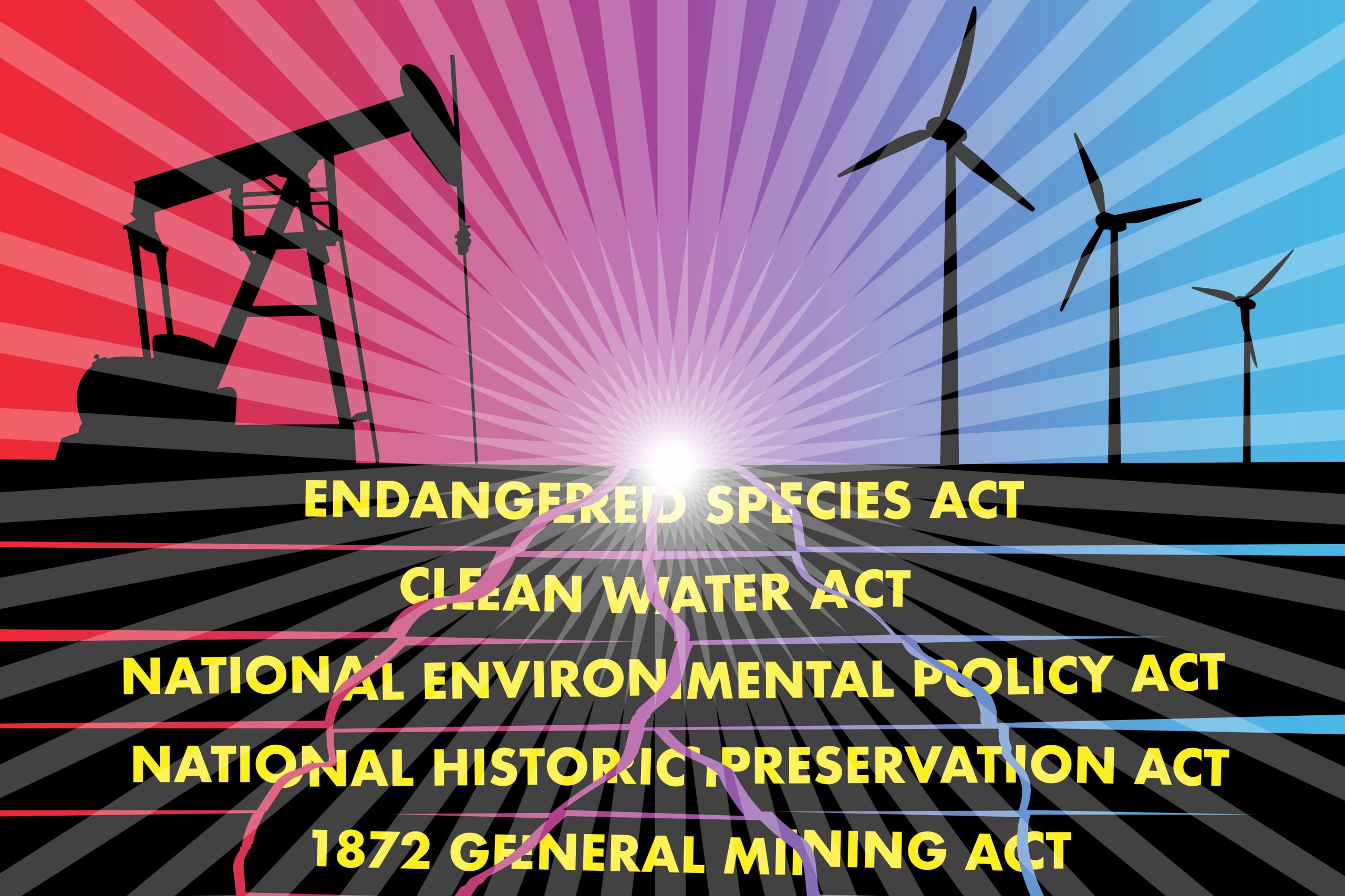
However, the consensus quickly fractured over the bill’s broader implications. What some champion as "red tape" to be cut, others defend as fundamental environmental safeguards. Critics, including ecology-minded green groups, the wider conservation community, numerous tribal nations, and progressive federal lawmakers, voiced profound concerns that the bill’s sweeping reforms would dismantle bedrock environmental laws. These statutes, meticulously crafted over decades, are designed to protect human health, preserve vital ecosystems, and ensure public participation in decisions affecting land and natural resources. Key legislation targeted by the bill includes the National Environmental Policy Act (NEPA), the Endangered Species Act (ESA), the Clean Water Act (CWA), and the National Historic Preservation Act (NHPA). The decision to extend the bill’s expedited permitting provisions to fossil fuel projects, a concession reportedly made to secure Republican support, further inflamed opposition. Erik Schlenker-Goodrich of the Western Environmental Law Center famously denounced the bill on social media as a "turd grenade," encapsulating the outrage felt by many. Even the NRDC, while supporting some transmission provisions, publicly stated that the environmental weakening clauses were "deeply flawed" and vowed to push for significant amendments. The Senate Committee on Energy and Natural Resources is slated to consider the bill shortly after Congress reconvenes, setting the stage for a critical legislative battle.

A closer examination reveals the profound potential impacts of the Bipartisan American Affordability and Jobs Act on cornerstone environmental legislation:
National Environmental Policy Act (NEPA)
Enacted in 1970, NEPA stands as the nation’s foundational environmental law, mandating that federal agencies thoroughly assess the potential environmental ramifications of significant federal actions through Environmental Impact Statements (EISes) or Environmental Assessments (EAs). Despite its critical role in fostering informed decision-making and public engagement, NEPA is frequently cited as a primary cause of project delays, with the median EIS completion and final decision process currently averaging approximately 4.5 years. While the 2023 Fiscal Responsibility Act imposed a two-year limit on the EIS portion, it did not set a deadline for the ultimate decision. The proposed permitting reform bill goes further, dramatically accelerating federal authorization from all participating agencies. For instance, the Bureau of Land Management would be required to issue a final decision within 45 days of completing an EIS for projects such as solar farms or data centers on its lands. This change would not only significantly compress project timelines but also drastically curtail the public input period traditionally afforded after an EIS is published, diminishing opportunities for communities and stakeholders to voice concerns.
Furthermore, the legislation seeks to restrict who can legally challenge project approvals by shortening the statute of limitations for lawsuits and imposing a higher bar for "standing," making it more difficult for affected parties to bring cases to court. Even if a lawsuit proceeds under these tighter conditions, the bill would prohibit courts from pausing or halting construction, meaning projects could advance, and their environmental, human health, or cultural impacts could materialize, even while legal challenges are ongoing. Should a court ultimately rule against an agency for violating NEPA, the bill stipulates that the EIS or EA would merely be sent back for revision rather than vacating the approval, allowing development to continue largely unimpeded. Michael B. Gerrard, an environmental law professor at Columbia Law School, characterized these changes as effectively "pull[ing] NEPA’s principal teeth — the possibility of a court order blocking a project for violating NEPA." Additionally, many projects currently subject to NEPA review, including energy storage facilities located "at or near" transmission lines, as well as the replacement, upgrading, rebuilding, or modification of existing transmission or distribution lines, would be entirely exempted from federal environmental review, potentially bypassing crucial impact assessments.

Clean Water Act (CWA)
Section 401 of the Clean Water Act empowers states and tribal nations to certify that any project crossing, impacting, or otherwise affecting a body of water under federal jurisdiction will protect water quality. This authority has historically been a powerful tool, enabling states and tribes to block controversial projects, such as the proposed Millennium coal export terminal in Washington, or to compel developers to reroute or redesign projects to mitigate environmental damage, as was the case with the Pebble Mine in Alaska, which the EPA ultimately vetoed in January 2023. The permitting reform legislation, however, would narrowly define the specific types of water-quality impacts that could justify a denial by a state or tribal nation, effectively shifting the burden of proof from the developer to the state or tribe. Moreover, the bill would curtail the amount of time the Environmental Protection Agency (EPA) has to veto Army Corps of Engineers permits for major projects, a move that could prevent future administrations from blocking projects approved under previous ones, irrespective of new environmental insights or policy shifts.
Endangered Species Act (ESA)
The proposed reforms would also weaken the judicial review process under the Endangered Species Act by imposing tighter timelines for lawsuits alleging ESA violations. Cases would be fast-tracked directly to the D.C. Circuit Court of Appeals, bypassing district courts, a change that could significantly disadvantage plaintiffs by reducing the time available to gather evidence and prepare their arguments. Concurrently, the Fish and Wildlife Service’s (FWS) consultation period under the ESA would be shortened from 90 days to 60, severely truncating the agency’s capacity to thoroughly analyze a project’s potential effects on imperiled species and their habitats. In an even more concerning development, certain projects would be completely exempted from federal ESA reviews, with responsibility for consultation devolving to individual states. This fragmentation risks creating a patchwork of inconsistent protections, potentially jeopardizing endangered species in states less committed to robust environmental safeguards.
General Mining Law of 1872
The General Mining Law of 1872, a relic of the frontier era, has long been criticized for allowing mining companies extensive access to public lands with minimal environmental safeguards. The proposed legislation would make this already industry-friendly law even more permissive. In recent years, environmental lawsuits have successfully leveraged a provision in the law related to mill site mining claims, which limits the acreage that can be used for waste storage, to challenge and occasionally derail major projects. The permitting reform bill, however, would eliminate these restrictions, allowing corporations to stake an unlimited number of mill sites. This change could open hundreds, if not thousands, of additional acres of public land to industrial waste disposal and storage, exacerbating the environmental footprint of mining operations across the West.

The SunZia project, ironically, serves as a poignant illustration of both the current system’s potential for improvement and its inherent limitations. In New Mexico, the existing, albeit arduous, permitting process enabled conservationists and state officials to successfully advocate for a rerouting of the transmission line, mitigating harm to crucial migratory bird flyways. This outcome earned the project, and the permitting process itself, an endorsement from Audubon Southwest as a case study in how thoughtful engagement can refine and improve infrastructure development. However, the Arizona segment of SunZia highlights the system’s persistent flaws. Despite strenuous objections from Indigenous nations and conservation groups, who sought to reroute the line away from the ecologically sensitive and culturally significant San Pedro River Valley to protect birds, wildlife, and ancestral sites, Arizona regulators dismissed their concerns. The state’s regulatory bodies, generally perceived as more amenable to development interests than their New Mexican counterparts, unanimously approved the project in November 2022, removing any incentive for SunZia to modify its route in Arizona as it had in New Mexico. Consequently, the BLM’s preferred route continued alongside the San Pedro River, directly against the wishes of tribal nations and environmental advocates. An ensuing lawsuit has continued its slow progression through the courts, yet it has failed to halt or even pause construction, demonstrating that even under the current, more rigorous permitting regime, projects can advance despite significant legal and environmental challenges.
The San Pedro River Valley now faces an additional, imminent threat: the proposed Desert Southwest natural gas pipeline, which would transport methane from the Permian Basin directly through this fragile ecosystem, north of Tucson. Under the existing permitting framework, such a project would be subjected to comprehensive NEPA and National Historic Preservation Act reviews, while tribal nations and states would wield greater authority under the Clean Water Act to protect their resources. However, if the proposed permitting reform legislation becomes law, the Desert Southwest pipeline could potentially be exempted from these vital environmental and cultural reviews altogether, leaving one of North America’s most biologically diverse riparian areas vulnerable to irreparable damage.
The debate surrounding permitting reform encapsulates a profound dilemma for modern governance: how to balance the urgent imperative of building critical infrastructure for a sustainable future with the equally vital need to protect the environment, preserve cultural heritage, and ensure democratic participation in decision-making. The Bipartisan American Affordability and Jobs Act seeks to cut through bureaucratic delays, but in doing so, it risks undermining the very protections that have safeguarded America’s natural and cultural resources for over half a century, potentially sacrificing long-term environmental health for short-term expediency. The outcome of this legislative battle will have far-reaching consequences for the American landscape, its diverse communities, and the global effort to confront climate change.