Rocky Gerung
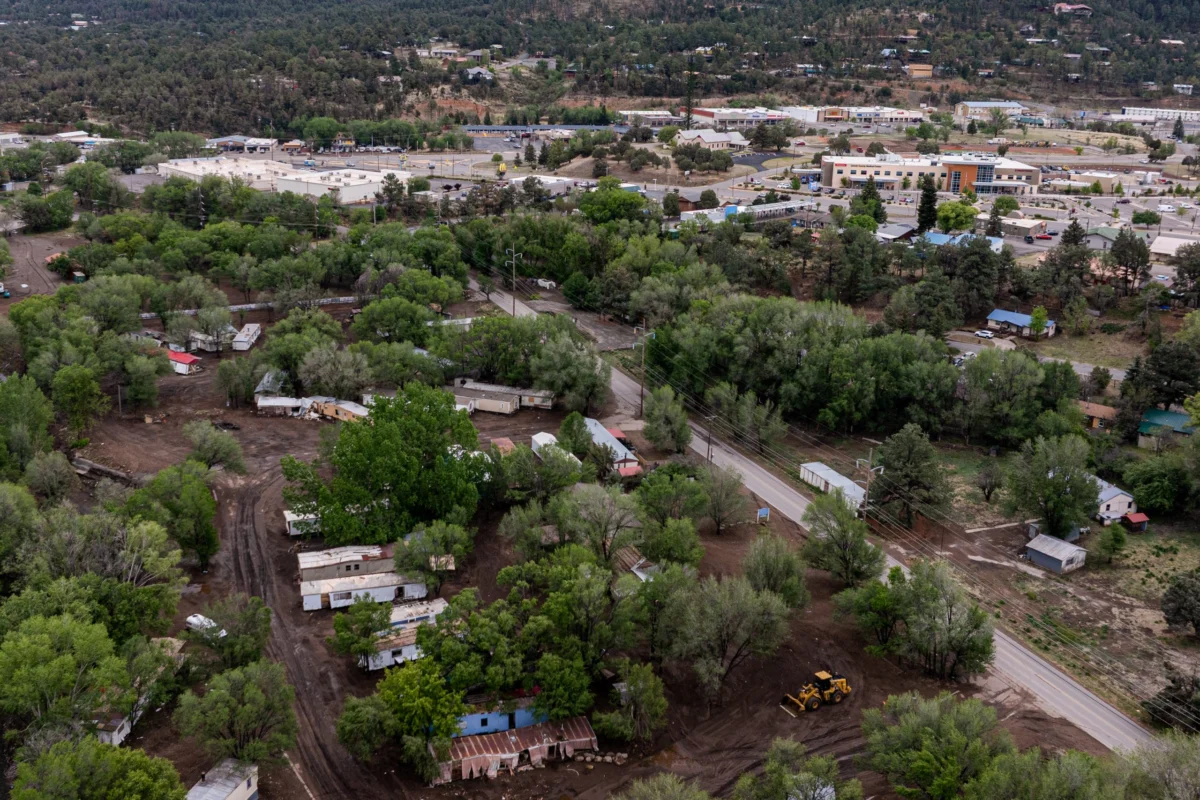
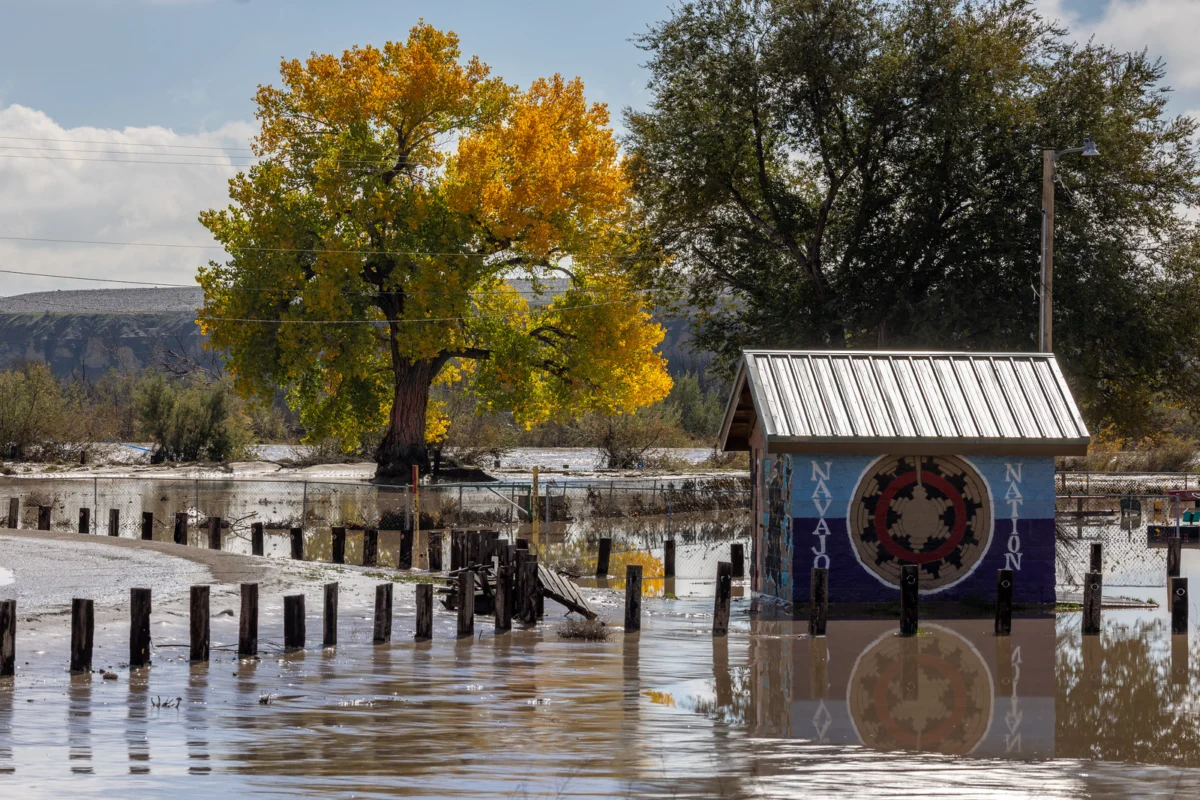
Jennifer Brewer was running on minimal sleep in late September, her nights consumed by the anxious sound of the Rio Ruidoso. For years, the gentle murmur of the creek had been a peaceful backdrop to her retirement in Ruidoso, New Mexico, a stark contrast to her nearly three decades of teaching in Roswell. However, in recent years, this serene mountain town has become a source of profound distress, transforming from a tranquil haven into a recurring nightmare. The devastating twin wildfires that swept through the surrounding pine forests in the summer of 2024 irrevocably altered the landscape, setting the stage for subsequent environmental crises. As monsoon rains descended, they unleashed torrents of mud and debris down the burn-scarred mountainsides, forcing Brewer to evacuate her cabin as thick, silty sludge from the river inundated her patio. The following year brought even greater devastation; the Rio swelled into a monstrous 20-foot wall of brown water, tearing entire houses from their foundations and tragically claiming three lives.
Despite her home’s survival, the cabin directly across from hers was swept away, its remnants wedged into a towering tree. Brewer spent months navigating the labyrinthine bureaucracy of disaster aid while simultaneously undertaking arduous physical labor on her property. She tirelessly shoveled mud, applied bleach to combat mold, and erected a six-foot flood wall, only to witness her efforts undone by subsequent floodwaters. This agonizing cycle is projected to persist for years, until the scorched earth fully recovers and new vegetation re-establishes its vital grip on the hillsides. Now, any rainfall triggers a familiar, sleepless vigil, with Brewer acutely attuned to the river’s every surge. "This morning, I heard it at 3:30," Brewer recounted, her voice tinged with weariness. "I laid there listening and thought, you know what? You’re not going back to sleep." Eventually, armed with a flashlight, she ventured out to observe the water, which was flowing with alarming speed and volume. She oscillated between watching television and monitoring the river’s progress, finally succumbing to exhaustion only to be roused again by its relentless presence. "That’s not a way to live," she lamented, her words resonating with the profound toll of constant anxiety. "That’s just crazy."
Yet, a glimmer of hope now illuminates Brewer’s precarious situation, suggesting these sleepless nights might soon be a relic of the past. Just a week prior, she became one of the first Ruidoso residents to participate in a groundbreaking program offering a tangible path to safety and security. In the spring of 2026, with crucial support from the U.S. Department of Agriculture, Lincoln County initiated an emergency buyout program designed to assist homeowners in acquiring hundreds of properties deemed highly vulnerable to flooding in the aftermath of the devastating fires. This voluntary initiative, administered by the USDA’s Natural Resources Conservation Service (NRCS), provides homeowners with pre-fire property valuations, subsequently demolishing or relocating the structures and permanently transforming the land into protected open space. Lincoln County has secured approval for up to $220 million in buyout funds, with the NRCS covering a significant 75% of the costs. "What we’re kind of betting on is that as we get some of these bought, we can manage this floodway and prevent further damage," Lincoln County Manager Jason Burns explained earlier in the year. "My hope is that as these floods continue, as we know they’re going to, that it’s not a dire emergency."
Brewer wasted no time in applying for the program as soon as she learned of its existence. Following a property appraisal and a series of environmental and cultural assessments, she received an offer in September that far exceeded her expectations for her property’s post-flooding market value. With the transaction now finalized and her move-out date rapidly approaching, she described experiencing "overwhelming relief." "Climate change is here," she stated with conviction, her voice steady. "I’m just tired of being worried."
Brewer acknowledged her immense good fortune, recognizing that many others in her situation were not as fortunate. County officials had identified over 1,000 at-risk properties in and around Ruidoso the previous spring, and public meetings concerning the buyout program were standing-room-only affairs. Over 350 homeowners had submitted applications, with more than 260 meeting the eligibility criteria. However, the county’s ability to fully leverage the federal grant hinges on receiving matching state funds, and as of mid-September, only the initial tranche of approximately $100 million had been disbursed. Burns estimated this amount would suffice for roughly 130 properties, with the county having extended four offers by that point. While he expressed optimism that the upcoming legislative session would secure the remaining funding, he candidly informed state lawmakers in June that the county would be compelled to "make strategic decisions on which properties will be of the most benefit."
As communities across the American West confront the escalating threat of climate-induced disasters, buyout programs emerge as a rare and valuable mechanism for safeguarding both human lives and the natural environment. For rural communities, which often grapple with limited resources to navigate complex bureaucratic processes, simply gaining approval for such a program represents a significant victory. "Around the country, there’s a waiting list of people who want to be bought out, and there just isn’t funding," noted A.R. Siders, a researcher specializing in buyouts at the University of Delaware’s Disaster Research Center. However, once a community overcomes this initial hurdle, a new set of challenges arises: In a populace comprised of disaster survivors, how does one ethically determine who receives a fresh start, and how can the process be structured to ensure maximum fairness and equity?
The federal buyout system inherently contains certain limitations that can inadvertently exclude some of the most vulnerable populations. NRCS regulations mandate that buyout recipients must be U.S. citizens and hold clear titles to their properties, with guaranteed permanent access. This prerequisite automatically disqualifies many individuals who are disproportionately affected in the wake of a disaster. Renters, for instance, are ineligible to apply, as are non-citizens, including legal permanent residents. Furthermore, the process can become exceptionally complex for multigenerational or multi-family households. In contrast, cost-benefit analyses required by other federal buyout programs, such as those administered by the Federal Emergency Management Agency (FEMA), can sometimes lead to prioritizing lower-value homes. This can result in a scenario where wealthier homeowners receive assistance to remain in their properties, while low-income neighborhoods face clearance.
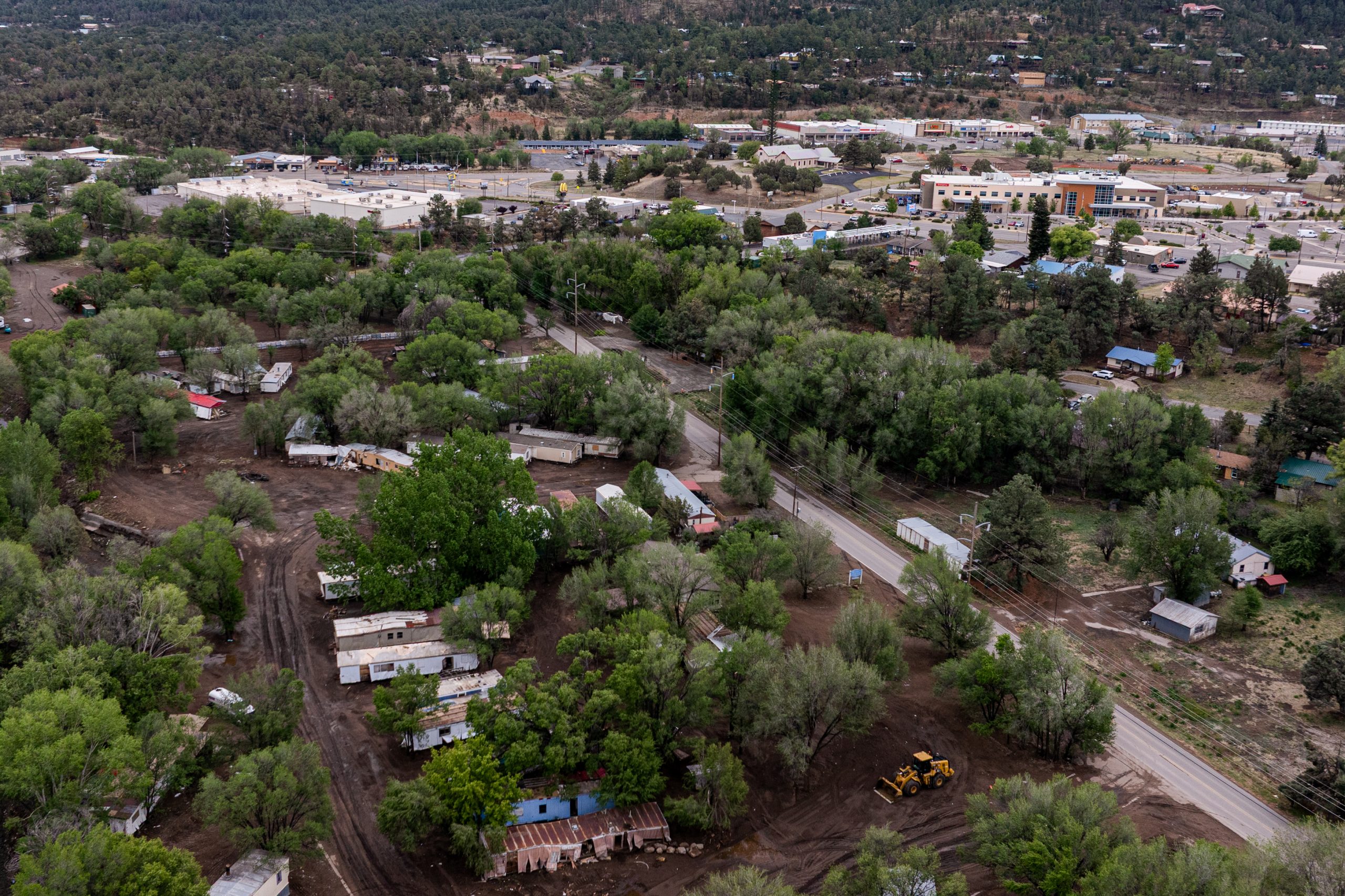
In Lincoln County, however, County Manager Jason Burns emphasized that his team would deliberately avoid factoring home value into their decision-making criteria. Their buyout program operates on a first-come, first-served basis, with a clear prioritization of homes that have sustained significant damage. "What we’re going to do is try to take the highest risk first," Burns stated. Among the properties most severely impacted by the flooding in Ruidoso were several mobile home and RV parks. The three individuals who tragically lost their lives during the July 2025 flood—two children and an adult—were camping at an RV park when the catastrophic surge occurred. Swiftwater rescue teams successfully saved numerous individuals at a nearby mobile home park the following week when the river experienced another powerful swell. A spokesperson for the Village of Ruidoso confirmed that the state has since declared both that park and another adjacent one uninhabitable, with dozens of trailers red-tagged and residents given strict deadlines to relocate. Nevertheless, residents in other parks continue to reside in trailers that bear the marks of flood damage. Burns indicated that several park owners have applied for buyouts, though as of mid-September, none had yet received an offer.
Despite the widespread recognition that mobile homes across the nation face disproportionately high flood risks, the federal buyout system was not originally designed with these communities in mind. While residents typically own their mobile homes, they lease the land upon which these homes are situated. This arrangement means that only the park owners are eligible to receive a buyout. This situation places park residents in a precarious position: they face the prospect of forced displacement or are left stranded without a viable exit strategy, given the considerable difficulty and expense involved in relocating most mobile homes. Andrew Rumbach, a researcher at the Urban Institute specializing in housing and disaster recovery, observed that mobile home owners are "really kind of disadvantaged within the decision-making process," often finding themselves "kind of left in between."
This challenging reality is precisely what Cristina Obregón has experienced. In 2024, flooding compromised the cinder blocks supporting her trailer at Cherokee Mobile Village in Ruidoso. She spent six months living in a hotel before returning home, only to face approximately 15 evacuations in the subsequent year. "Every single time it rained from that point forward, I had anxiety to the point where I was physically shaking," she recalled. During a meeting about the buyout program, Obregón learned she was ineligible to apply directly. If the owners of her park were to accept a buyout, she might qualify for relocation assistance, which would be necessary to afford moving her trailer. However, Obregón has no control over her park owners’ decision. "Unless they say yes," she stated resignedly, "there’s really nothing the buyout can do."
Buyouts can also present a difficult proposition for park owners. Federal programs typically compensate only for the land itself, not for lost rental income or the value of the business operation. Furthermore, they classify mobile home parks as commercial properties rather than residential ones, which in some instances results in owners being offered post-disaster property valuations. A spokesperson for Endeavor Communities, the company that owns Cherokee Mobile Village, declined to comment on the specifics of the buyout program.
Burns acknowledged that New Mexico does offer state disaster aid programs that are potentially better suited to support Ruidoso’s mobile home residents. Elsewhere in the country, communities impacted by flooding have demonstrated remarkable creativity in their efforts to prioritize park residents within buyout initiatives, actively seeking out less restrictive funding sources to facilitate their relocation to newer, safer housing. According to Rumbach, the development of a more equitable buyout system necessitates viewing mobile home parks primarily as residential housing, rather than solely as commercial enterprises. Mobile homes constitute a significant 15% of New Mexico’s housing stock and represent the nation’s largest source of affordable housing. A successful buyout program, he asserted, hinges on "recognizing that residents need to have a voice."
If Obregón were eligible for the buyout, she expressed uncertainty about her next steps. "I love my little trailer. If there were land, I would move it in a heartbeat," she stated. However, "unless you own land where it’s cleared and you can put it, there’s no options." Obregón has recently moved in with her mother on the outskirts of town and is in the process of selling her trailer to a friend who is more willing to assume the stress associated with flood risk. Both Obregón’s son and her ex-partner, Ralph Gonzales, continue to reside at the park. Gonzales indicated that he, too, would prefer to relocate but has encountered significant difficulty finding affordable housing elsewhere in Ruidoso. Many homes in the area have been converted into vacation rentals catering to visitors from Las Cruces and West Texas. "If you work here, you really can’t afford to own a home—a big, nice house like these retired people have," Gonzales observed. "You gotta live where you can."

Disasters, including wildfires and floods, frequently exacerbate existing housing shortages. Without careful planning, a buyout program can inadvertently worsen this problem, according to Kris Smith, who studies flood adaptation and rural communities at Headwaters Economics. "When you’re talking about a buyout, that is bringing up two fundamentally massive and complex challenges: Both how do we live with flood risk, and also, how do we maintain affordability in our communities?" she posed. "Sometimes that solution can solve both of those, but often those two problems are in tension with each other." This inherent dilemma has been a constant consideration for Jason Burns. "Unfortunately, Ruidoso and Lincoln County is not a cheap place to live," he acknowledged earlier in the year. "That’s another nuance to the buyout: trying to make people as whole as possible, to keep them here." He explained that the decision to offer pre-disaster home values was partly motivated by a desire to enable homeowners to remain within the local community. Multiple new affordable housing developments are also underway in Ruidoso, encompassing a mix of workforce housing and mobile homes that were initially constructed for families displaced by the 2022 McBride Fire.
Local officials have compelling reasons to prioritize efforts in this area, as the relocation of hundreds of property owners can significantly impact the tax base. "For rural communities in particular, it doesn’t take many people to leave to have an impact," Smith remarked. Many of the most successful buyout programs have invested resources in providing comprehensive support to homeowners as they plan their future steps. In Texas and New Jersey, long-standing programs have employed counselors who work one-on-one with buyout participants to address various challenges, such as securing debt forgiveness or identifying suitable housing options that allow them to remain close to their work or schools. Unfortunately, support for this type of comprehensive, wrap-around assistance is not a standard component of most federal buyout programs. "We don’t have a lot of support systems about how to keep people and social fabrics together," Smith observed. In most locations, local officials possess limited institutional knowledge to draw upon, leaving them to guide their communities through profound transformations they have never before encountered.
In 2021, a consortium of researchers established the Better Buyouts Working Group, a collaborative initiative designed to connect communities that have successfully navigated buyout processes with those embarking on them for the first time. Participants include local officials, academics, and, crucially, residents who have themselves undergone buyouts. "They want to pay it forward, so that their neighbors and whoever comes next don’t have to learn the same things that they had to from scratch," Anna Weber, a co-convener of the group, told High Country News. She expressed hope that this collaborative approach can assist communities nationwide in navigating the aftermath of disasters with greater equity. A key objective is to encourage a shift in perspective, viewing buyouts not merely as a reactive measure but as an integral component of long-term climate change adaptation strategies. The fundamental questions these initiatives raise about people’s connections to land and to one another, she noted, are ones that "a lot of us around the country are going to need to grapple with more and more."
For buyouts to achieve true success, A.R. Siders contends, they must be as forward-looking as they are retrospective. "If the plan is all about leaving, then that’s harder to build community around," she stated. "If it’s about where are we going next, what do we do with the land, what kind of community do we want to be in 50 years? That’s different."
In late September, Jennifer Brewer was preparing to bid farewell to her cabin in Ruidoso. Her next chapter would unfold in Santa Fe, within the familiar embrace of her family home. "I’m finally to a point where I don’t cry like every day," she said, her voice softer now. "Because I love it here." She will undoubtedly miss the quiet mornings punctuated by the sight of elk and wild horses gracing her yard, and the festive spirit of Ruidoso’s annual December Festival of Lights, held just up the road. The sense of security she felt in a small town where she could leave her door unlocked will also be a cherished memory. Yet, she feels a profound sense of peace with her decision. "The purpose of the whole buyout is to make a healthy riverbed," she explained, her tone conveying gratitude. "So I’m more grateful to have the opportunity to move and have gotten paid a fair amount than I am regretful." Brewer hopes the land will be managed responsibly, with clear signage warning visitors of its inherent dangers. She also finds solace in the prospect of wildflowers blooming where her house once stood. "It doesn’t bother me a bit for it to be all grass and trees and open," she concluded, a note of acceptance in her voice.