Joko Susilo
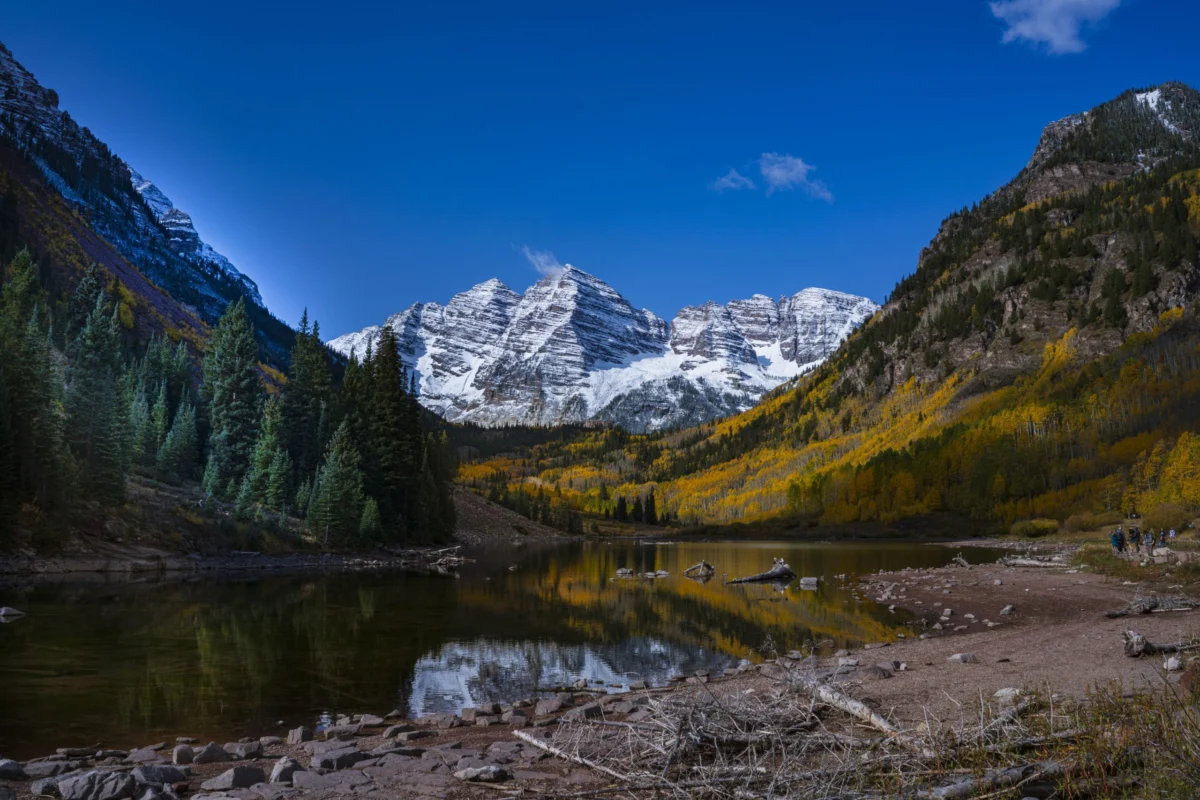
This scenic gateway to the vast Maroon Bells-Snowmass Wilderness, nestled within the 2.3-million-acre White River National Forest – itself one of the most frequented national forests in the United States – attracted an astounding 191,000 visitors between May and October of last year alone. For years, the U.S. Forest Service has shouldered the responsibility of managing this natural wonder, but the agency openly admits it no longer possesses the personnel or financial capacity to do so adequately. The Forest Service has experienced a significant erosion of its workforce in recent years, shedding nearly 6,000 employees since 2015, and faces further existential threats with President Trump’s proposed budget for fiscal year 2027 advocating for a drastic 75% reduction in its overall funding. Locally, the White River National Forest has seen its year-round staff diminish by a third since 2024, plummeting from 169 to 111 employees, according to an analysis by Aspen Journalism. This chronic underfunding, a trend spanning over a decade, has left the Maroon Bells area operating at a deficit exceeding $300,000 annually, pushing local authorities to step in.
Beginning in 2027, Pitkin County will officially take over management, a decision that has ignited a broader national debate about the integrity and accessibility of public lands. Critics, including Aaron Weiss, executive director of the Center for Western Priorities, view this transfer as a potential "test case for privatization," raising alarms that it could be the "camel’s nose under the tent" for a larger strategy to either sell off or privatize federal lands across the country. This concern stems from a perceived federal desire to divest from direct management, potentially opening doors for private concessionaires or other entities driven by profit motives.
While acknowledging the underlying issues, local residents and organizations within the Roaring Fork Valley generally support Pitkin County’s intervention, even as they express deep dissatisfaction with the circumstances that necessitated it. Will Roush, executive director of the Wilderness Workshop, an influential environmental advocacy group based in the Roaring Fork, articulated this sentiment, stating, "The county is responding to unfortunate circumstances on behalf of our community. The real tragedy is this administration’s failure to adequately invest in and staff our federal land-management agencies and the places that are so fundamental to our state’s identity." This reflects a complex local dynamic where the immediate need to protect and maintain a critical natural asset outweighs the broader ideological concerns about federal land management.
Indeed, Pitkin County has already demonstrated its capacity and commitment, stepping in to repair and reopen essential bathroom facilities and clear mudslide debris, as detailed by Gary Tennenbaum, director of Pitkin County Open Space and Trails. Tennenbaum, while dismissing the notion that this transfer sets a new precedent for privatization, argued that the "precedent has already been set that the federal government is not going to fund these things." He emphasized the county’s role in preserving a truly special resource, stating, "You got to find a way to manage the resources, because they’re too special to let go," further adding, "The reality right now is our public lands are in trouble, and there are a lot of good counties out there that want to help."
A stark choice was presented to the county: if they declined to manage the area, the Forest Service indicated it would solicit bids from private concessionaires. This alternative deeply concerned critics, who warned that private operators, driven by the imperative to generate profit, would likely implement even steeper access fees than those proposed by the county, further limiting public access. Weiss dramatically characterized the situation as the "Trump administration pulling a ‘That’s a nice mountain you got there, it would be a shame if something happened to it’ routine," highlighting the perceived pressure on local entities to assume responsibilities traditionally held by the federal government.
The potential for this management transfer to serve as a national model carries significant implications. While Pitkin County, home to the affluent Aspen community, possesses the financial capacity to undertake such a responsibility, many other counties across the nation lack the resources to manage federal facilities or shoulder the immense costs of deferred repairs and maintenance. Mark Squillace, a distinguished professor of natural resource law at the University of Colorado Law School, articulated this concern in a letter to county commissioners and the Forest Service, warning, "A concession for Pitkin County is a slippery slope that could lead the Forest Service to pursue agreements like this in many other national forests with public and private parties that may not have the resources or commitment that Pitkin County brings to the table."
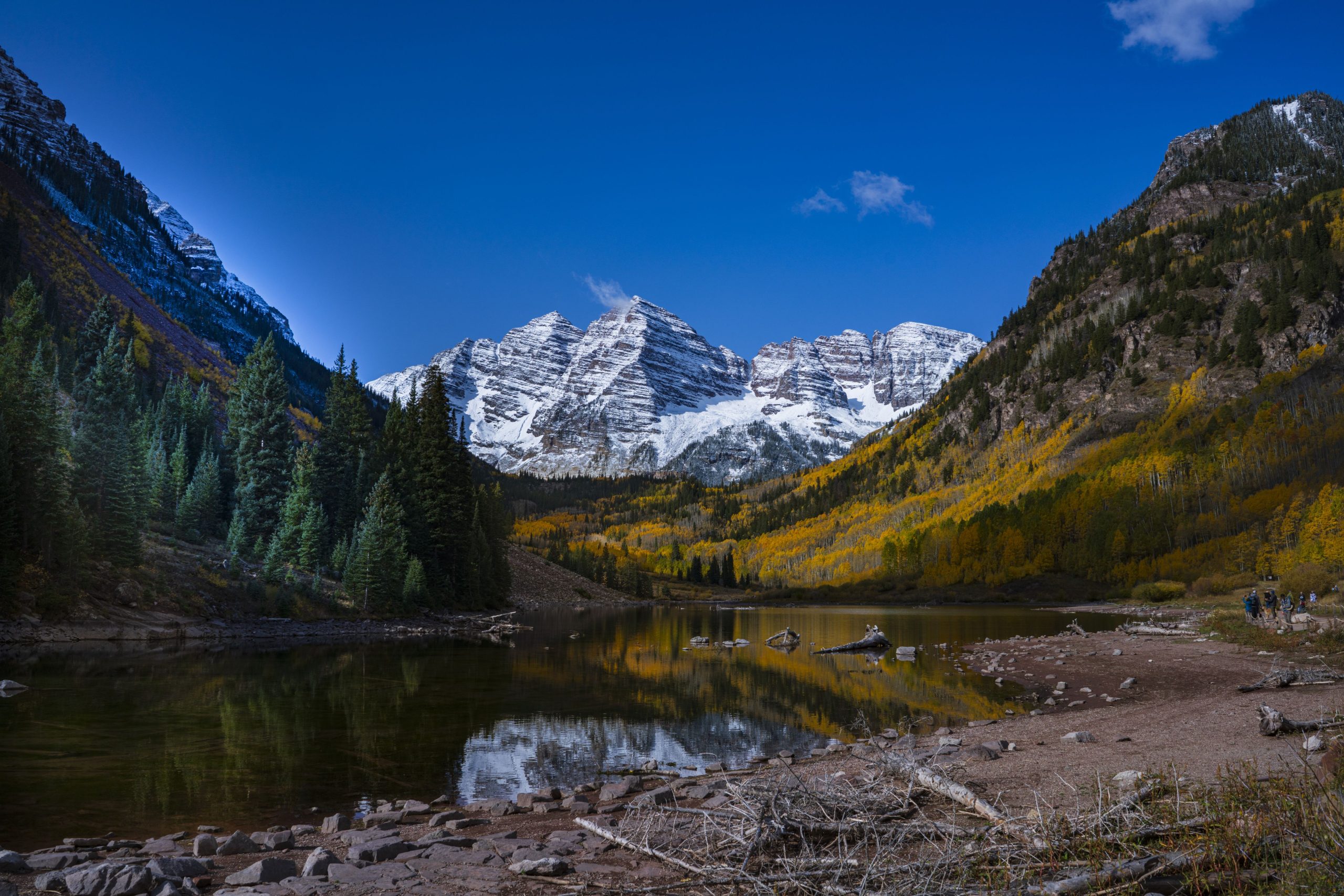
Moreover, this transfer is poised to become an early, high-profile test of the Forest Service’s revised National Environmental Policy Act (NEPA) rules, which, since April, permit public-lands agencies to approve certain actions—categorized as "categorical exclusions"—without extensive public input or a formal written finding. Historically, categorical exclusions have been reserved for minor, low-impact decisions, such as repainting buildings or temporary road closures. The application of such an exclusion to a significant management transfer has drawn sharp criticism. Following public backlash, the Forest Service did open a brief 15-day comment period, concluding on October 9, but Squillace vehemently argued that using a categorical exclusion for this proposal is "laughable," given its scope. Forest Supervisor Brian Glaspell, in a written response, countered that the permit issuance constitutes an "authorization to conduct activities in a specified manner," rather than a "wholesale transfer" of management authority. Nevertheless, the precedent of bypassing a full NEPA review for such a significant change remains a contentious issue.
The implications extend beyond Colorado, with Weiss cautioning that similar transfers could proliferate in states like Utah, which have historically shown a strong inclination toward privatizing public lands. He posed a rhetorical question that encapsulates the broader concern: "If you can do that at the Maroon Bells, at one of the most iconic hikes in the state of Colorado, why not anything else?" This sentiment underscores the fear that this localized decision could unravel decades of established federal land management principles.
This is not an entirely unprecedented situation for federal land managers seeking to alleviate financial and personnel strain. In 2024, the Forest Service pursued a comparable arrangement at Sweetwater Lake, also within the White River National Forest, proposing that the state of Colorado assume management, effectively operating it as a state park. That agreement ultimately transferred 840 acres to Colorado Parks and Wildlife, but notably, it was preceded by a comprehensive environmental impact statement and a robust public scoping period—a stark contrast to the current process at Maroon Bells, where the agency has not publicly clarified the differing approaches.
Public-lands advocates also voice apprehension that the Maroon Bells handover could empower Pitkin County to implement fee increases that bypass traditional federal oversight processes. While the Federal Lands Recreation Enhancement Act allows federal agencies to engage in concession contracts for services on public land, it explicitly prohibits delegating core management responsibilities to concessionaires. Squillace expressed his concern that "the line between providing services and exercising management responsibility is pretty thin," highlighting the potential for this distinction to blur under the new arrangement.
The prospect of such transfers raises a "Pandora’s box" scenario for some, fearing a future where public recreation sites are compelled to be self-sustaining, potentially incentivizing resource extraction to maximize profits on federally managed lands. At Maroon Bells, the approved transfer will indeed lead to higher fees, including a vehicle entrance increase from $10 to $30 and camping fees rising from $15 to $33, though shuttle fares will remain unchanged. Tennenbaum noted that these prices, unchanged since 1997, merely bring them in line with those of similar areas, and all revenue will be directed into a dedicated fund for the area’s management.
The Forest Service has committed to reviewing all public comments before formally signing the categorical exclusion. The permit also requires final approval from both the agency and the Department of Agriculture. If ultimately approved, Pitkin County will commence its five-year management term for the 2027 season, with the option for a five-year renewal. Tennenbaum expressed a hopeful vision, stating, "Hopefully, we can get a national reckoning, and we can get funding allocated to manage our public lands. Hopefully, that happens. And we would happily give it back." This encapsulates the complex reality of local communities stepping up to protect national treasures in the face of federal disinvestment, while simultaneously hoping for a return to robust federal stewardship.