Joko Susilo
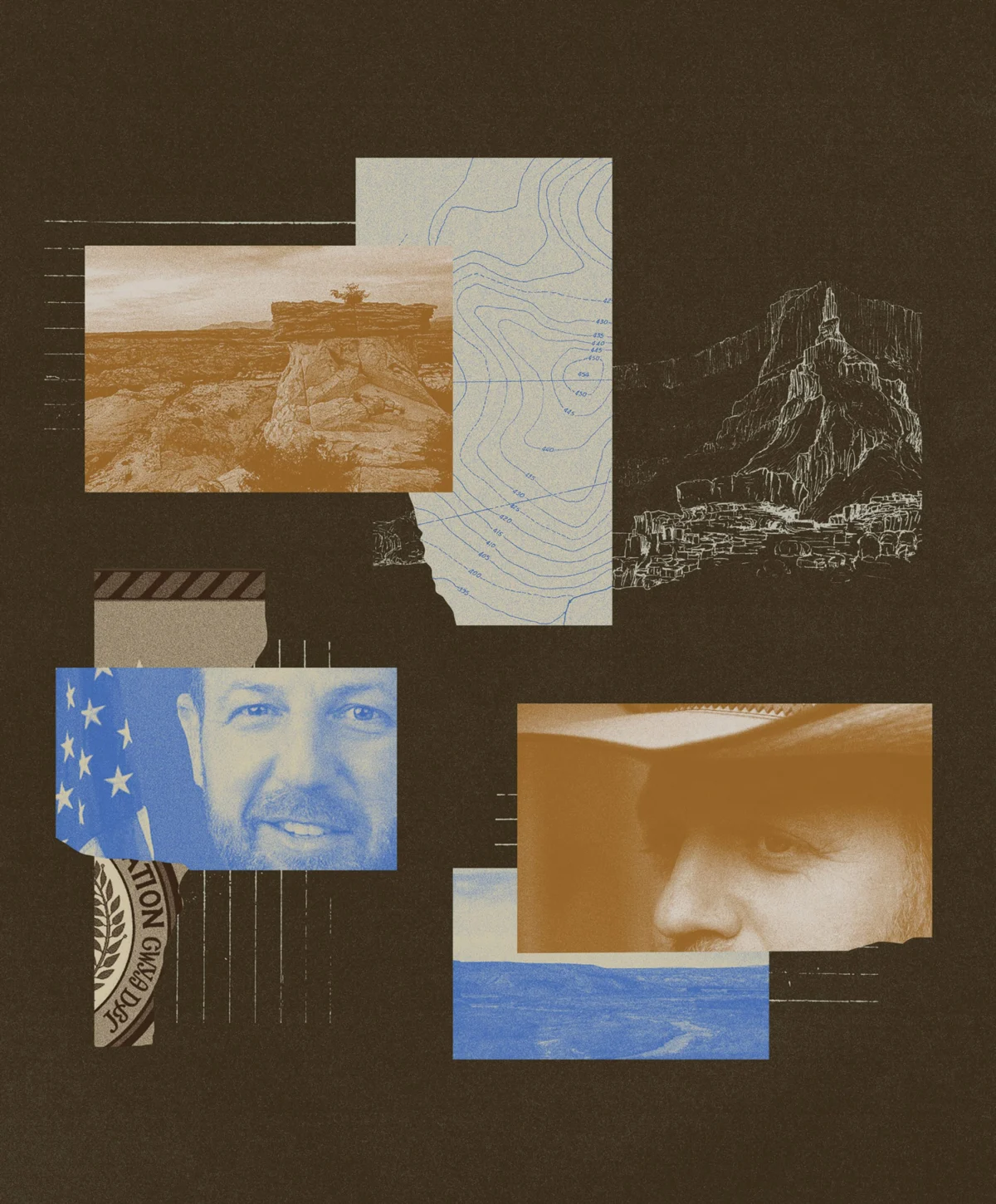
At the heart of their grievances lay deep-seated frustrations with federal oversight, epitomized by one Idaho resident’s complaint that land managers aimed to "lock up 700,000 acres for 600 birds," a clear reference to endangered species protection or wilderness designations that restricted economic activities like grazing, mining, and logging. While the Reagan administration ultimately did not enact the sweeping land transfers many rebels desired, their underlying resentments persisted, simmering for decades and occasionally erupting into highly visible confrontations. This simmering discontent found a new, more aggressive articulation by 2016, when Ammon Bundy led the armed occupation of the Malheur National Wildlife Refuge in Oregon, transforming the long-standing dispute over public lands into a central tenet of a broader, more belligerent anti-government ideology that would later find a powerful champion in Donald Trump. Trump, echoing the rhetoric of earlier rebels, inaccurately described significant tracts of land as "locked up, off-limits, closed" when he dramatically scaled back protections for more than 2.9 million acres across the Bears Ears and Grand Staircase-Escalante national monuments in 2017, claiming, "You can’t go hunting, you can’t go fishing, you can’t do anything, you can virtually not even walk on it," despite established recreational access.
These modern conflicts draw a direct lineage from historical narratives, offering crucial context for understanding the movements and individuals currently shaping the West. A 1997 report, "Beauty and the Beast," explored the communities bordering Grand Staircase-Escalante National Monument, which President Bill Clinton had designated just a year prior using the Antiquities Act of 1906, a powerful tool allowing presidents to protect federal lands and waters of historic or scientific interest. The monument’s establishment effectively quashed a significant proposal for a 62-billion-ton coal mine, sparking fierce local opposition. However, the report observed a grudging acceptance emerging even among some initial opponents, who began to recognize two immutable facts: Southern Utah’s traditional mining, logging, and ranching industries faced an undeniable decline, while the region simultaneously solidified its identity as a global public-lands playground, increasingly reliant on the tourism industry and its inherent seasonal fluctuations. The report questioned whether the profound anger and resentment surrounding this transition would ever truly subside.

The answer, demonstrably, has been no. Despite significant economic growth, with jobs expanding by 51% and per capita incomes rising by 41% between 2001 and 2022 in neighboring counties, the monument has remained a potent political symbol. It continues to channel deep-seated anxieties about the future of rural communities, sparking intense debates over how Western lands are best utilized and valued. These anxieties frequently crystallize into fundamental questions of community identity: Who are the inhabitants of the West, and what values do they uphold? The struggle between conservation and extraction, between traditional livelihoods and emerging tourism economies, defines much of the region’s political landscape.
This intricate interplay of identity and political ideology also lies at the core of a 2019 profile on Markwayne Mullin, then an Oklahoma representative, which captured his rising star before his ascent to the Senate and subsequent nomination by Donald Trump to lead the Department of Homeland Security in March. Mullin, a citizen of the Cherokee Nation, defies conventional stereotypes of Indigenous identity, both in his appearance and his legislative approach. The profile painted a portrait of a politician seemingly full of contradictions: a staunch conservative known for bipartisan negotiation, white-passing yet a vocal advocate for tribal sovereignty. His tenure has seen him serve an administration that has actively rolled back measures intended to bolster that very sovereignty, a stark example being Trump’s drastic reduction of Bears Ears National Monument, which simultaneously eliminated its innovative tribal land co-management commission. As DHS Secretary, Mullin has invoked his Native identity to counter accusations of racism against his department, even as DHS pursues the construction of a new segment of the U.S.-Mexico border wall along the southern boundary of the Tohono O’odham Reservation in Arizona, directly against the tribe’s strenuous objections. The original profile posed a critical question: "Is Markwayne Mullin good or bad for Indian Country?" The answer remains complex, as it is unclear whether he possesses the willingness or the political capital to effectively challenge a president whose policies have largely been perceived as hostile to Indigenous interests and self-determination.
Many of the tensions explored in these historical accounts remain acutely relevant in the current election season. During the Sagebrush Rebellion, proponents skillfully cultivated an image of themselves as the authentic voice of the West, a narrative often amplified by media portrayals, despite evidence suggesting their policy proposals lacked widespread public support. Today, a similar dynamic persists, where the image of "white men in cowboy hats" often dominates the narrative, presented as the definitive representation of the West’s inhabitants. This simplistic depiction regrettably flattens the region’s immense demographic and cultural complexity, overlooking the diverse voices of Indigenous communities, environmental advocates, burgeoning urban populations, and a wide array of other stakeholders. This multifaceted reality is particularly evident in several high-stakes races this fall, where the Western states could play a decisive role in determining the balance of power in both chambers of Congress. A compelling example is Alaska’s Senate race, which features Mary Peltola, a moderate Democrat and Alaska Native who grew up immersed in the state’s traditional fishing economy near the Bering Sea, challenging Republican incumbent Dan Sullivan, a politician whose background includes growing up in Cleveland and attending Harvard Law School, representing vastly different visions and experiences of the Western ethos.

While these historical origin stories provide invaluable insight into the complexities of the present moment, they do not dictate the future. Instead, they serve as a powerful reminder that the trajectory of the West, and indeed the nation, is never preordained; rather, it is actively being shaped and contested through the decisions and actions taken right now.