Johny Prima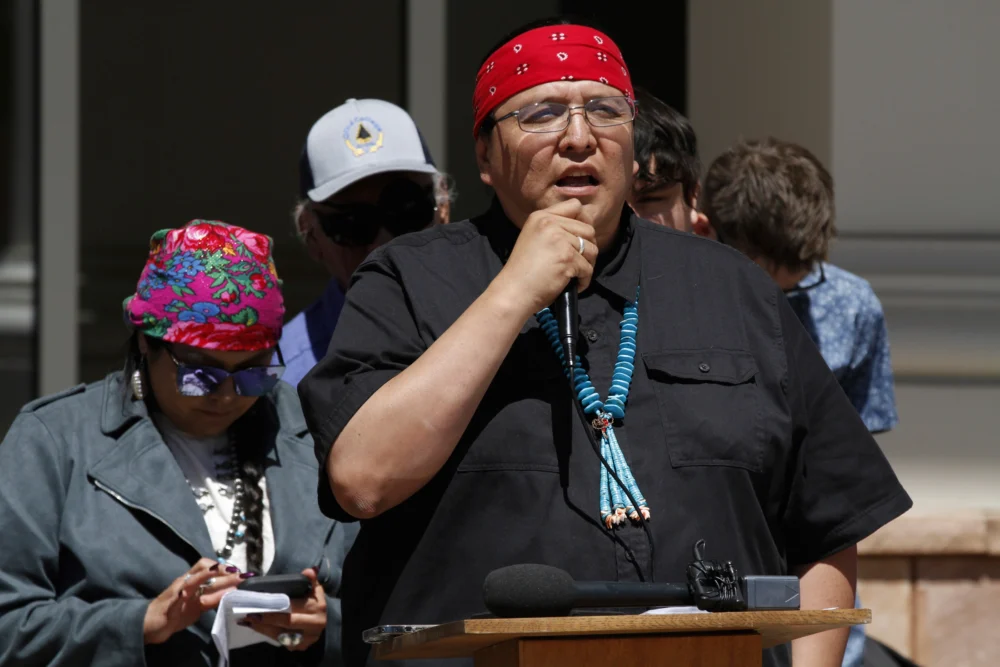
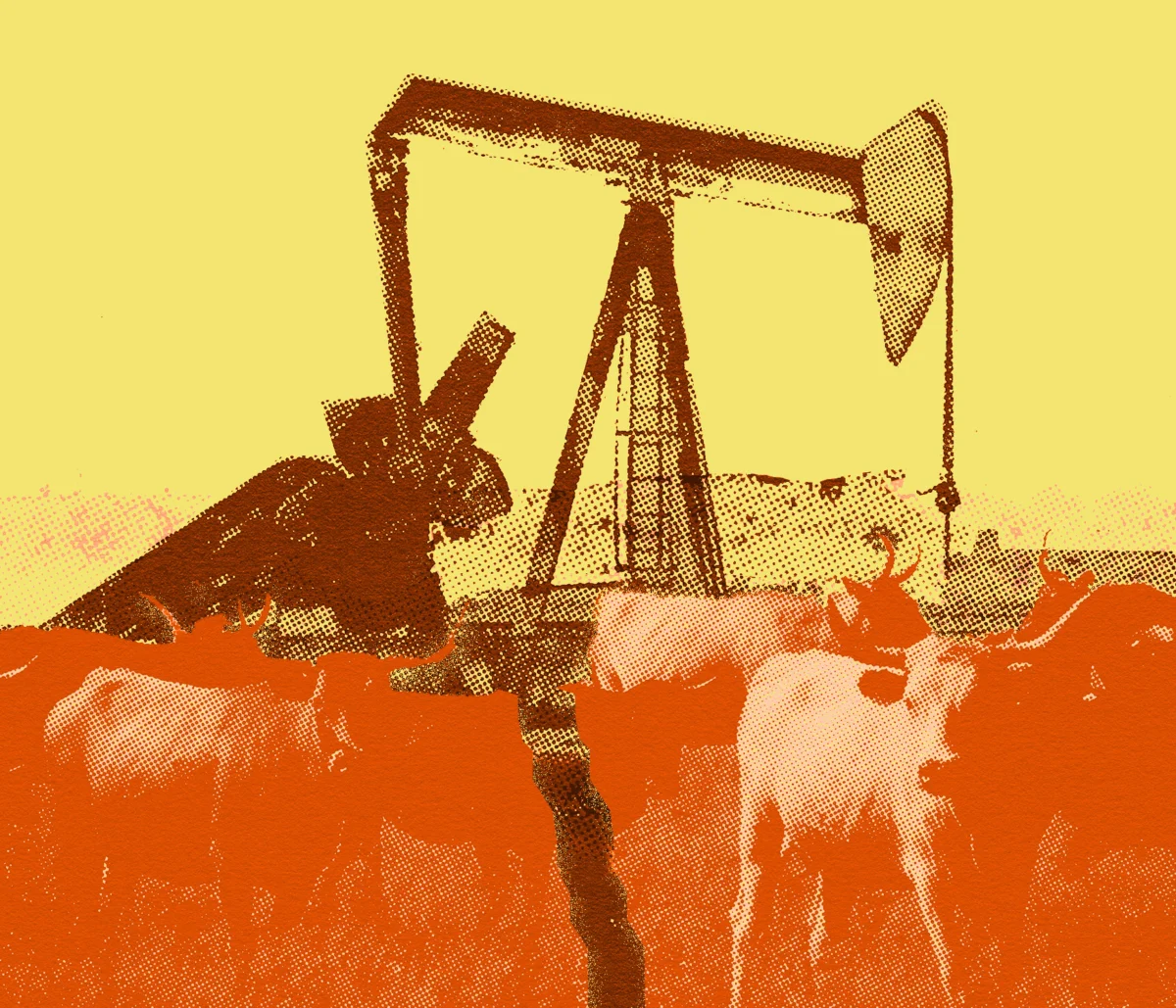
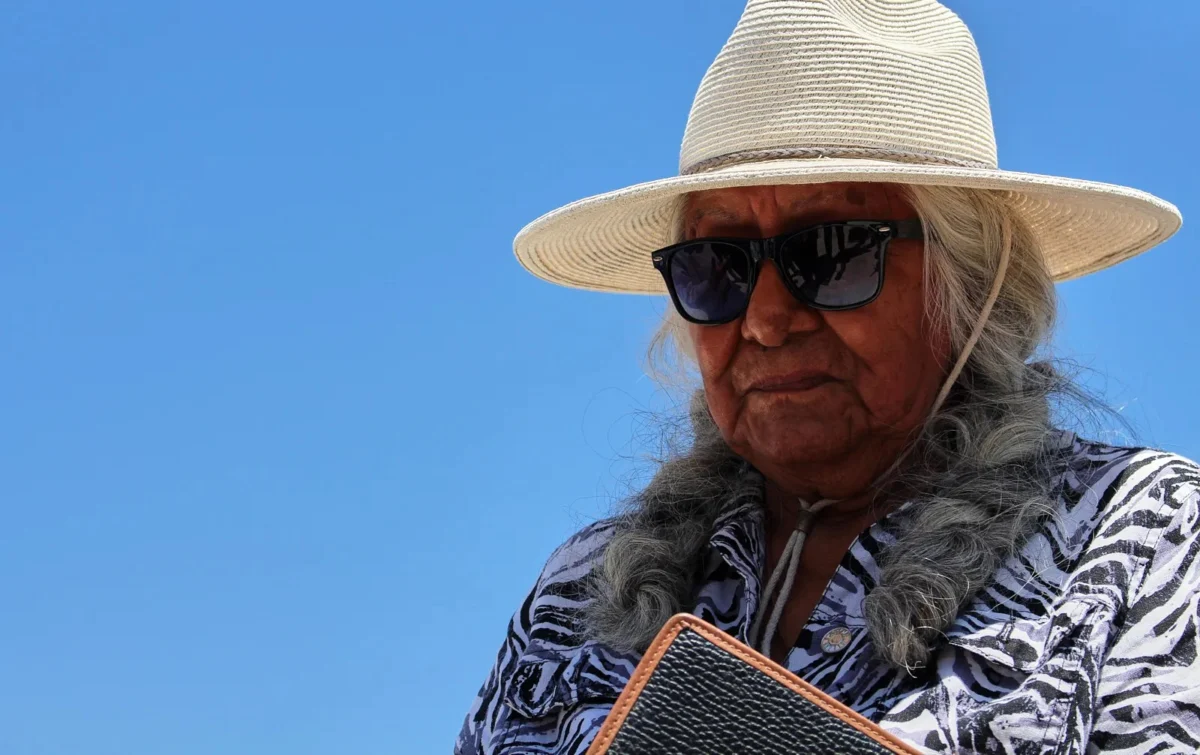
The transformation began starkly in 2015, as industrial-scale fracking operations rapidly expanded across New Mexico’s Greater Chaco Landscape. This region, a UNESCO World Heritage site, holds profound spiritual and historical significance for numerous Indigenous peoples, particularly the Diné, Pueblo, and Hopi. For centuries, it has been a center of ancestral ceremonial life and a repository of irreplaceable cultural heritage. Yet, it has increasingly become a frontier for energy development, placing these invaluable cultural and ecological resources under severe threat. The once-peaceful quietude of Atencio’s grandmother’s property soon gave way to the incessant hum of machinery, the glare of night operations, and the pervasive odor of industrial emissions. Air quality deteriorated, and by 2019, the land and its precious water sources suffered massive contamination from thousands of gallons of leaked oil, a stark illustration of the industry’s footprint. The delicate ecological balance fractured: traditional medicinal herbs, once plentiful, ceased to grow, and the area’s diverse wildlife, including rare bird species, began to disappear, signaling a profound ecological collapse.
Two years ago, Atencio stepped forward as the lead plaintiff in a lawsuit that alleges the New Mexico Legislature and various state agencies have not only failed to uphold their constitutional duty to prevent harmful pollution but have actively contributed to the harm inflicted upon Indigenous communities. Atencio articulates a core violation: "The rights that we have as Indigenous people to free, informed, prior consent are being violated. We’ve never had people from the government come and say, ‘This is what’s going to happen to your land and water.’" This assertion highlights the critical principle of Free, Prior, and Informed Consent (FPIC), a fundamental human right recognized under international law, including the United Nations Declaration on the Rights of Indigenous Peoples (UNDRIP), which mandates that Indigenous communities must be consulted and provide their consent before any development projects impact their lands or resources. The absence of such consultation in New Mexico underscores a broader systemic issue of environmental injustice and disregard for Indigenous sovereignty.
The case’s progression through the legal system culminated this month with the New Mexico Supreme Court’s decision to hear the arguments, setting the stage for a potentially transformative ruling. If the court sides with Atencio, this decision would join a growing lineage of high-profile environmental rights victories. Notably, Held v. Montana, a case brought by young plaintiffs, successfully argued that the state violated their constitutional right to a healthy environment by failing to adequately regulate greenhouse gas emissions. This landmark ruling in Montana last year underscored the judiciary’s increasing willingness to interpret constitutional provisions as affording citizens a right to a stable climate. Similarly, youth Indigenous climate advocates in Hawai’i achieved a significant settlement against the state’s Department of Transportation, compelling action to decarbonize its transportation sector by 2045, challenging continued support for highway expansion projects that contradict the state’s climate goals.

Margaret Barry, who tracks climate litigation at Columbia University’s Sabin Center for Climate Change Law, observes that similar cases are proliferating across the United States and globally, with a handful of successes over the past decade. These cases often hinge on state constitutional provisions that explicitly or implicitly mandate environmental protection or guarantee citizens a right to a healthy environment. The strength of these protections, however, varies significantly. For instance, in Sagoonick v. State of Alaska, a group of young people sought to halt a liquified natural gas project, contending that the state’s constitution protects natural resources for the general public, thereby requiring a livable climate. The Alaska Supreme Court, in March, ultimately rejected this expansive interpretation, highlighting the disparate judicial approaches to environmental rights.
New Mexico’s constitutional framework, however, offers a particularly strong basis for the Atencio lawsuit. In 1971, voters adopted a constitutional amendment that unequivocally directs the state government to "provide for control of pollution and control of despoilment of the air, water and other natural resources." Gail Evans, the Center for Biological Diversity attorney leading the Atencio case, asserts that the state has demonstrably failed to fulfill these explicit responsibilities. Evans draws a parallel to New Mexico’s constitutional duty to adequately fund public education, which necessitates providing resources for teachers and curriculum development. In contrast, she argues, when it comes to regulating oil and gas pollution, New Mexico has "just utterly failed" to equip itself with the necessary tools and resources to safeguard public and environmental health. The lawsuit meticulously details how lax enforcement, coupled with a myriad of regulatory loopholes, allows the industry to pollute with minimal accountability, creating a system that prioritizes industrial profit over ecological and human well-being.
Further evidence of this systemic failure comes from environmental watchdog groups like Earthworks. Their data reveals a stark reality: in 2023, the New Mexico Environment Department employed a mere two full-time inspectors to investigate complaints across all 56,000 oil and gas facilities within the state. This severe understaffing effectively leaves the industry to self-report its emissions of harmful air pollutants and potent greenhouse gases like methane, a system ripe for exploitation and lacking credible oversight. The lawsuit spotlights another Diné plaintiff, Kendra Pinto, who personally documented a significant methane leak near her home even after the Environment Department had assured her that no leaks were detected, underscoring the profound disconnect between official assurances and ground-level realities.
Evans further criticizes the state’s permitting process, stating, "You can get a permit to frack simply for asking. The state doesn’t do any type of environmental or public health overview or consideration before granting that permit." This permissive approach is particularly alarming given that New Mexico is home to a significant portion of the Permian Basin, one of the world’s most prolific oil and gas fields. Despite ambient air quality readings in the Permian Basin frequently exceeding federal standards, new wells continue to be permitted in the region, exacerbating an already critical pollution crisis. This unchecked expansion not only threatens local communities but also contributes significantly to global climate change through increased methane and carbon dioxide emissions.

The federal legal landscape for environmental rights presents a more formidable challenge compared to state-level efforts. Margaret Barry notes that it has proven difficult to leverage similar legal wins at the federal level because the U.S. Constitution is primarily designed to limit governmental power and protect civil liberties, rather than proactively grant rights such as a healthy environment. This distinction was starkly illustrated in October, when a federal judge in Montana dismissed Lighthiser v. Trump. This case sought to expand upon the state-level protections won in Held v. Montana, with 22 plaintiffs arguing that the Trump administration’s executive orders, which rolled back climate protections and amplified fossil fuel production, violated their constitutional right to a stable and healthy climate. While the judge acknowledged the plaintiffs’ legitimate concerns regarding climate change harms, the court ultimately ruled that federal courts lacked the authority to compel the government to alter its policy course, highlighting a significant jurisdictional and interpretative hurdle for federal climate litigation.
Should the New Mexico Supreme Court rule in his favor, Mario Atencio envisions a future where the state is compelled to rigorously document the adverse health and environmental impacts of oil and gas pollution on Indigenous communities and their sacred lands. More importantly, he seeks concrete, enforceable actions to protect these vulnerable populations and ecosystems. Such actions could include a moratorium on new oil and gas development until emissions are drastically reduced, the closure of legal loopholes that currently allow operators to pollute with impunity, a substantial increase in funding for environmental enforcement, and the establishment of larger, more effective buffer zones between drilling sites and residential areas, schools, and cultural sites.
Gail Evans counters the industry’s predictable argument that such measures would render them unviable. "What’s so shocking to me is that the industry will come forward and say, ‘If you do what the plaintiffs are asking for, you’ll put us out of business.’ So you can’t operate in a way that doesn’t harm people’s health and environment? Because that’s what we’re asking for." Her statement encapsulates the fundamental tension at the heart of this lawsuit: whether the right to profit outweighs the fundamental right to a healthy environment and the protection of Indigenous sovereignty. The Atencio case is not merely a local dispute; it represents a pivotal moment in the broader global struggle for environmental justice, climate accountability, and the recognition of Indigenous rights in the face of industrial expansion, offering a potential blueprint for other communities grappling with similar challenges worldwide.