

 Joko Susilo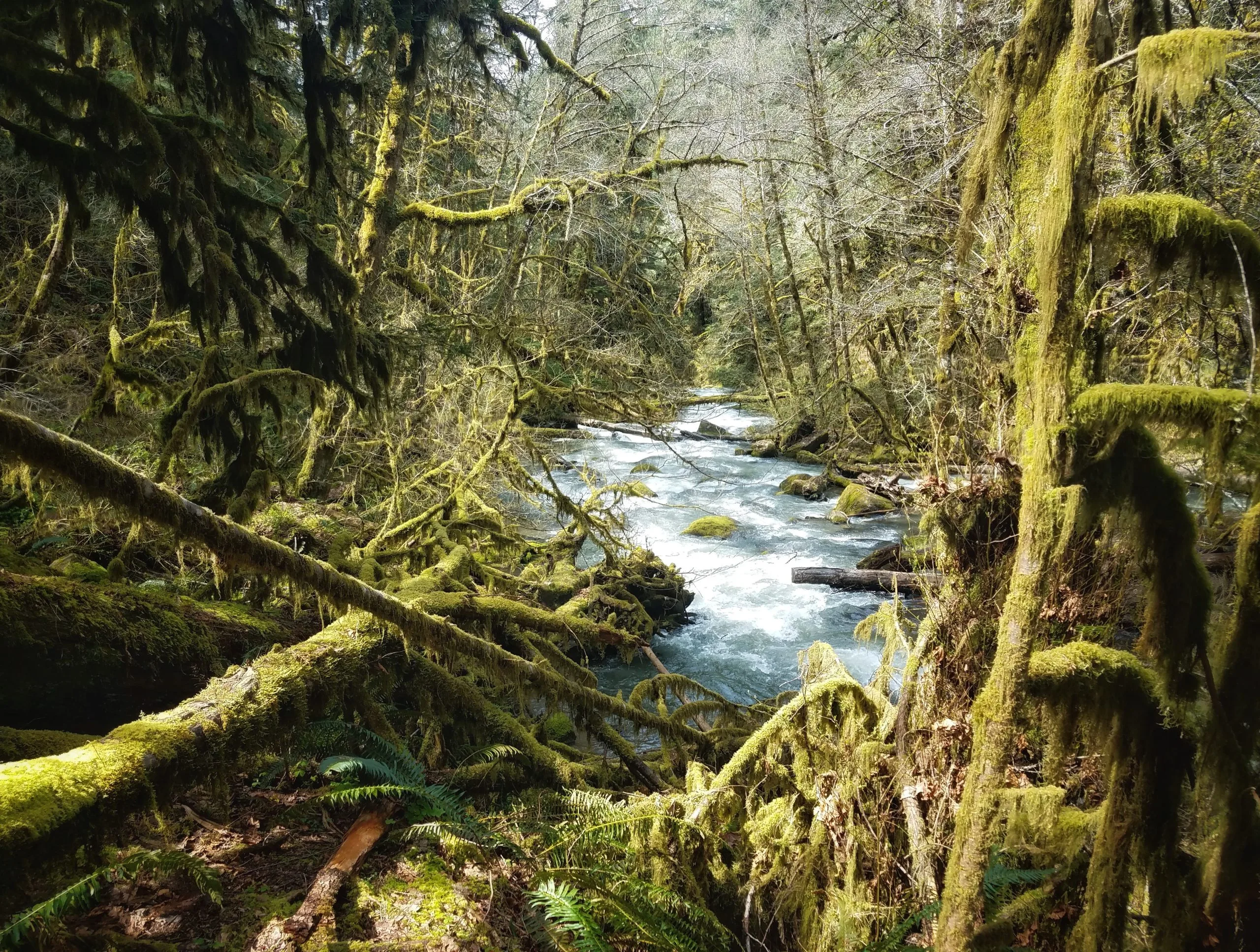
The Bureau of Land Management (BLM), steward of an immense 245 million acres of public lands—more than 10% of the United States’ total landmass—faces intense scrutiny over its proposed revisions to Resource Management Plans (RMPs) for Western Oregon. These federal lands, predominantly concentrated in the American West, represent a vital national trust, and the agency’s management policies carry profound environmental, economic, and social implications. While the BLM’s stated mission is to "sustain the health, diversity, and productivity of public lands for the use and enjoyment of present and future generations," critics contend that its historical record often prioritizes resource extraction over conservation, a trend now seemingly intensified by the current administration’s push for increased commercial utilization.
For decades, the BLM has navigated the complex terrain of its "multiple-use" mandate, which attempts to balance diverse interests ranging from recreation and wildlife conservation to timber harvesting, grazing, and mineral extraction. This inherent tension frequently places the agency at the center of heated debates, particularly in regions where environmental values clash with industrial demands. Under the present political climate, there is a clear shift towards aggressively facilitating resource industries, a direction that alarms conservationists who fear the wholesale rollback of hard-won environmental protections. The proposed RMP revisions for Western Oregon exemplify this aggressive posture, signaling a dramatic departure from established conservation principles.
Western Oregon’s forests stand as some of the most ecologically significant conifer ecosystems on Earth, characterized by their ancient Douglas firs and Western red cedars that comprise invaluable old-growth stands. These magnificent forests are not merely collections of trees; they are complex, interconnected ecosystems that provide critical environmental services on a regional and global scale. They act as essential carbon sinks, playing a crucial role in mitigating climate change by sequestering vast amounts of atmospheric carbon dioxide. Furthermore, these forests are indispensable for maintaining pristine water quality, regulating hydrological cycles, and preventing soil erosion, which are vital for both human communities and aquatic ecosystems. Their deep, shaded river systems and intricate forest canopy provide essential habitat for a suite of endangered species, including the iconic northern spotted owl, the elusive marbled murrelet, and various populations of coho salmon, all of which depend on the unique conditions of mature and old-growth forests for their survival.

The irreplaceable importance of these ecosystems gained national recognition in 1995 with the adoption of the Northwest Forest Plan (NWFP). This landmark agreement, forged after years of intense "timber wars" between environmentalists and the logging industry, sought to resolve conflicts over the management of federal lands across the range of the northern spotted owl in Washington, Oregon, and California. The NWFP established a comprehensive framework that included a network of Late Successional Reserves (LSRs) designed to protect existing old-growth forests and allow younger forests to develop into old-growth characteristics, effectively shielding them from logging. It also implemented an Aquatic Conservation Strategy to safeguard vital watersheds and aquatic habitats, alongside a robust Survey and Manage program aimed at identifying and protecting at-risk species. The plan represented a historic compromise, acknowledging both the ecological imperative of preserving ancient forests and the economic needs of timber-dependent communities.
However, the BLM’s commitment to the stringent conservation protections outlined in the NWFP has often been perceived as inconsistent. The agency effectively distanced its lands from the full scope of the Northwest Forest Plan with its 2016 Western Oregon Plan Revision, which, while ostensibly a new management framework, was criticized for significantly weakening environmental safeguards. Even under these less restrictive standards, the BLM has faced accusations of failing to adequately uphold its own commitments. Now, the agency has unveiled an even more drastic proposal, indicating that its current, already softened, regulations are deemed too prohibitive for its ambitious resource extraction goals.
Released on February 19, the proposed new Resource Management Plan for Western Oregon marks an unprecedented shift in policy. It seeks to open nearly 2 million acres of these critical public forests to clearcutting, a destructive logging practice that removes virtually all trees from an area. Alarmingly, the plan explicitly offers no specific protections for the remaining old-growth forests, which are slow to recover and provide unique ecological benefits that cannot be replicated by younger stands. Furthermore, the proposal would entirely eliminate the Late Successional Reserves, effectively dismantling a cornerstone of the Northwest Forest Plan that was designed to ensure the long-term viability of old-growth dependent species. Riparian protections, which safeguard stream banks and water quality, would be further reduced from already weakened 2016 standards, increasing the risk of sedimentation and temperature spikes detrimental to aquatic life. The plan also targets currently designated Areas of Critical Environmental Concern (ACECs) for re-evaluation, threatening to revoke these designations and expose these ecologically sensitive areas to logging and other industrial activities.
The explicit, bottom-line objective of this proposed plan is to quadruple the logging volume on Western Oregon BLM forests, aiming to revert these public lands to the "robust" levels of the 1960s and 1970s. This era was characterized by widespread and often unsustainable clearcutting, which led directly to the profound public outcry against the destruction of the Pacific Northwest’s ancient forests and ultimately necessitated the comprehensive reforms embodied in the Northwest Forest Plan. Critics argue that the BLM’s new proposal effectively seeks to turn back the clock, ignoring the environmental lessons learned and the ecological damage incurred over decades.

The implications for biodiversity are severe. The northern spotted owl, already listed as threatened under the Endangered Species Act, faces renewed peril as its primary old-growth habitat diminishes further. The marbled murrelet, a unique seabird that nests in large, old-growth trees, would also suffer significant losses. Coho salmon, critical to both ecosystem health and regional economies, would contend with degraded water quality and habitat destruction. Beyond these charismatic species, countless other organisms, from fungi and insects to amphibians and mammals, rely on the intricate structure and stable conditions of old-growth forests. Globally, the destruction of such ancient forest ecosystems contributes to the accelerating biodiversity crisis, undermining natural resilience and exacerbating climate change impacts.
Compounding these ecological concerns is the highly restrictive public comment period for this monumental policy shift. The Federal Register notice specifies a mere 30 days for public input, with all comments required to be submitted digitally or by mail by March 23. Crucially, the BLM has announced that no public meetings will be held, effectively denying citizens and stakeholders the opportunity for direct engagement, questioning officials, and presenting scientific or legal arguments in person. This limited window and lack of direct public discourse for such a radical proposal raise serious questions about transparency, democratic participation, and the agency’s adherence to the spirit of environmental review processes, such as those mandated by the National Environmental Policy Act (NEPA), which typically require robust public involvement for projects with significant environmental impacts.
These magnificent forests are more than just timber resources; they are invaluable natural heritage, held in trust for the American people, not for the exclusive benefit of logging companies seeking short-term profits. The Bureau of Land Management, as the designated trustee, bears a profound responsibility to manage these lands judiciously, ensuring their health and productivity for all generations. The proposed plan, with its aggressive pursuit of increased logging and the systematic dismantling of established conservation measures, threatens to irrevocably destroy these forests and betray that fundamental public trust. Active public engagement during this limited comment period remains the only immediate recourse to challenge a policy that could have devastating and lasting consequences for Western Oregon’s precious ecosystems.







