Joko Susilo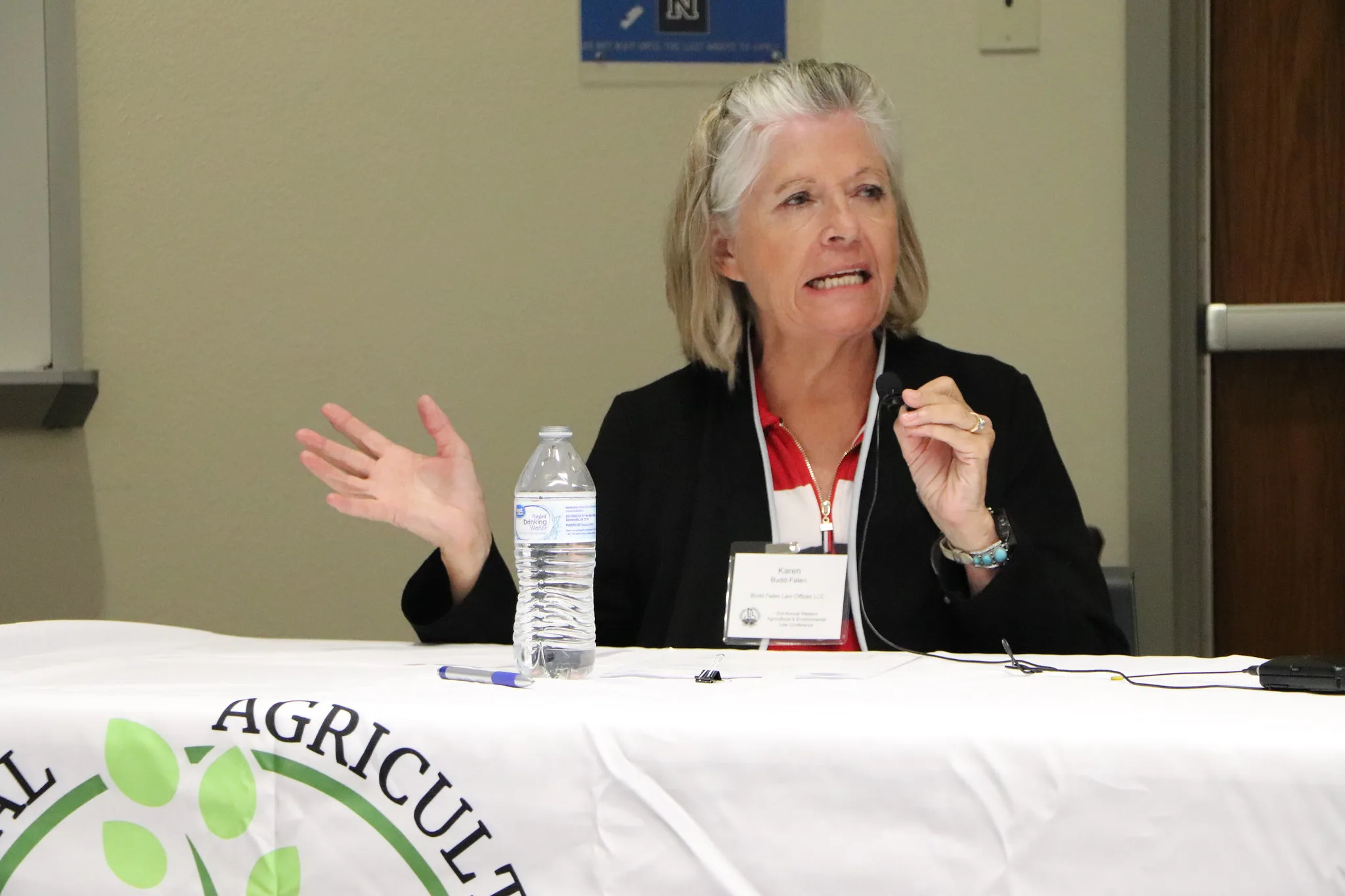
The U.S. Department of the Interior is currently facing intense scrutiny and calls for an urgent investigation after releasing heavily redacted ethics disclosure documents for Karen Budd-Falen, a high-ranking appointee who served in both Trump administrations. This partial release, following initial claims that no such records existed, has intensified concerns about Budd-Falen’s financial ties to the controversial Thacker Pass lithium mining project in Nevada, a development with significant national and global implications for critical mineral supply chains. Critics contend the agency’s handling of these fundamental public disclosures is unusually chaotic and raises serious questions about transparency and adherence to federal ethics guidelines.
The 91 pages of ethics documents, provided to the Center for Western Priorities (CWP), a Colorado-based conservation advocacy group, by Interior’s Office of the Solicitor, represent a convoluted effort to fulfill public records requests. This release came only after the same office initially informed CWP that it possessed no such files. Even in their heavily censored form, the documents not only raise new questions about Budd-Falen’s personal stake in the multi-million-dollar lithium venture but also highlight the challenges faced by watchdog groups in obtaining full transparency from federal agencies. Aaron Weiss, deputy director of the Center for Western Priorities, strongly criticized the situation, stating, "These documents suggest that [Interior Secretary] Doug Burgum has a massive problem at the Interior ethics office. If Karen Budd-Falen still hasn’t received updated ethics agreements or waivers, then the ethics office is failing at its job. These documents, even in their highly-redacted forms, show that the [Inspector General] needs to launch an urgent investigation into Karen Budd-Falen and Interior ethics officials." This statement points to ongoing concerns within the current Interior Department regarding the legacy and management of ethics compliance stemming from previous administrations.
At the heart of the controversy are Budd-Falen’s financial connections to the Thacker Pass project, a vast lithium deposit located in northern Nevada. As first reported by Public Domain and High Country News in December, Budd-Falen, a Wyoming lawyer, joined the first Trump administration in 2018 as a top legal official at the Interior Department. Shortly thereafter, her husband finalized a lucrative deal to sell water rights from Home Ranch, LLC, one of the family’s ranching operations, to Lithium Nevada Corp., the company spearheading the Thacker Pass development. This transaction, central to the mine’s viability in an arid region, was reportedly never publicly disclosed in Budd-Falen’s annual financial disclosure forms, according to an independent review of the documents.
The Interior Department has consistently dismissed accusations regarding Budd-Falen’s financial entanglement with Lithium Nevada as "baseless," yet it has offered no detailed explanations. Despite specific inquiries about the newly released ethics documents, agency spokesperson Katie Martin reiterated that "Non-PAS appointees get guidance and recusal memos which have been supplied," referring to non-Presidentially Appointed, Senate-confirmed personnel. However, the documents released to CWP notably lacked any updated recusal memos or guidance, leaving open the question of whether the 2018 directives remain binding and sufficient for her subsequent tenure.
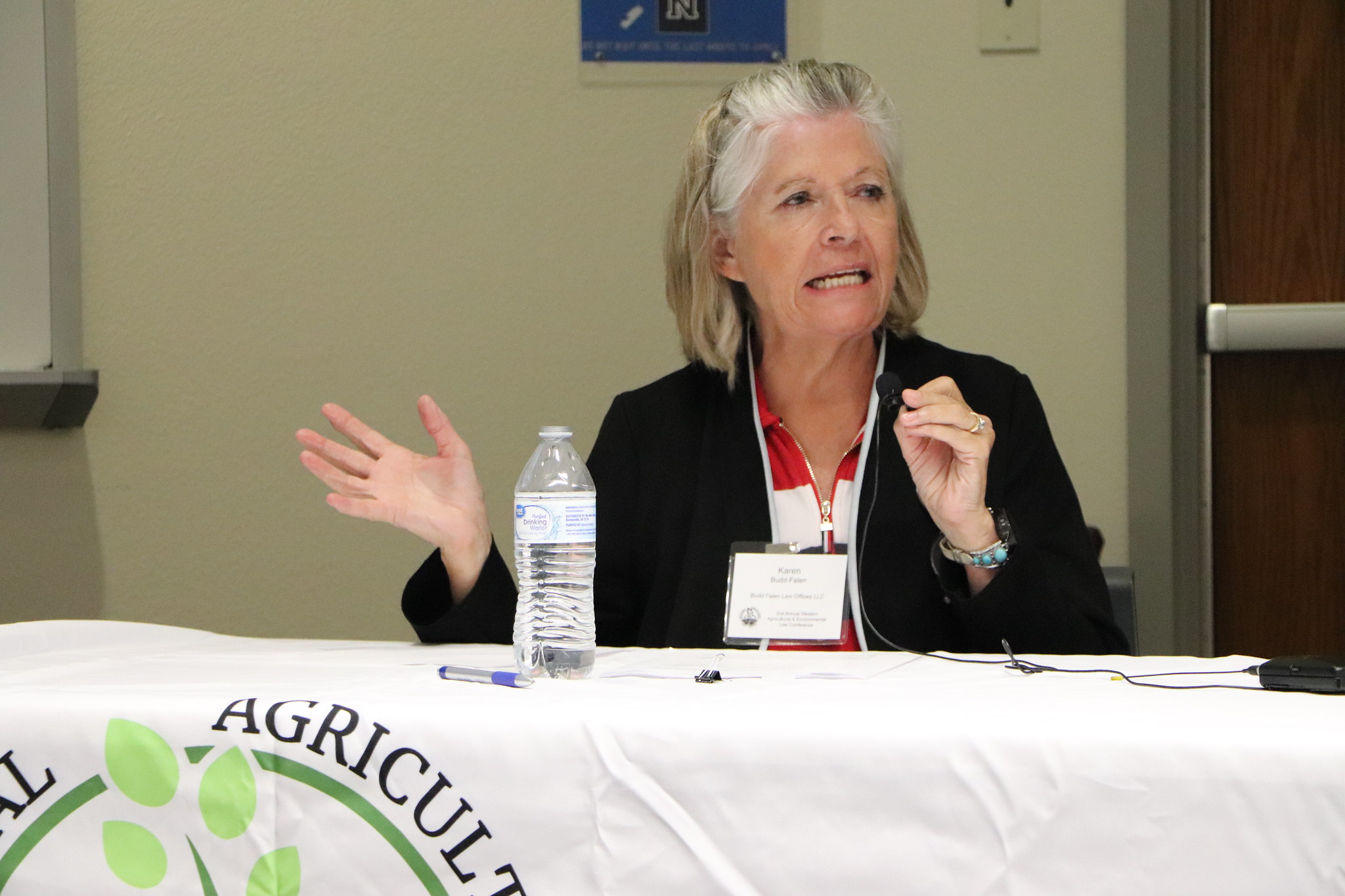
The released documents reveal that on November 5, 2018, the Interior’s ethics director granted Budd-Falen a partial waiver, allowing her to retain her financial interests in Home Ranch and other family ranching operations. On the same day, Budd-Falen signed a written statement acknowledging that this waiver explicitly prohibited her from participating in "particular matters involving, or in matters that to my knowledge have a direct and predictable effect on the financial interests involving" Home Ranch and related entities. Furthermore, in a separate ethics recusal, also dated November 5, 2018, she affirmed that her husband, Frank Falen, "does not actively manage Home Ranch, LLC." Less than a month later, however, Home Ranch, LLC executed the water rights sale to Lithium Nevada, with Frank Falen signing the Securities and Exchange Commission filing as the ranch manager. Adding another layer of concern, Budd-Falen’s official agency calendar indicates she met with Lithium Nevada executives approximately a year into her tenure in the first Trump administration.
Aaron Weiss of CWP characterized the situation as "stunning." He emphasized, "She had an obligation to disclose it. It appears she did not disclose it. And therefore everything else here is tainted. The lack of disclosure to begin with should invalidate the rest of the ethics agreements, because without accurate information about her conflicts, ethics officials have no way to give her good advice." This sentiment underscores the critical role of accurate and comprehensive disclosures in maintaining public trust and the integrity of governmental decision-making processes.
Further investigations by The New York Times, building on the reporting from Public Domain and High Country News, revealed that Lithium Nevada paid $3.5 million for the ranch’s water rights. Crucially, this significant transaction was contingent upon federal regulators approving the mine project. In the final weeks of the first Trump administration, the Bureau of Land Management (BLM), an agency under the purview of the Interior Department, indeed approved the Thacker Pass project, which encompasses approximately 5,700 acres of public land – land that Budd-Falen, in her capacity, was charged with helping oversee.
This sequence of events has drawn the attention of government ethics watchdogs. Craig Holman, a government affairs lobbyist for Public Citizen, a progressive watchdog group, suggested that Budd-Falen may have violated ethics laws, including the Ethics in Government Act of 1978. This landmark legislation mandates financial disclosures for executive branch employees to prevent conflicts of interest and holds individuals accountable for falsifying or failing to report required information, with potential civil and criminal penalties for non-compliance. Holman stressed that those who intentionally mislead agency ethics officials can be held personally liable for any violations.
The struggle to obtain these documents itself highlights broader issues of government transparency. For weeks, various journalists and watchdog organizations, including Public Domain, had sought Budd-Falen’s ethics agreement and waivers. The Interior Department initially proved resistant. On Thursday, after considerable delays, Interior’s Solicitor’s Office informed a CWP researcher that it could not locate any ethics agreements for Budd-Falen from either her current or previous tenure. This assertion was contradicted hours later when, following inquiries from Public Domain to Interior’s press office, the agency suddenly produced dozens of pages of documents for CWP, with a FOIA officer admitting his earlier letters stating no responsive records were "erroneous." This mirrors a similar incident last year when Interior’s ethics office initially failed to include Budd-Falen’s financial disclosure in response to a records request, later attributing it to an "inadvertent oversight."

The documents eventually obtained by CWP were heavily redacted, offering boilerplate guidance and a "draft" list of former clients that was entirely blacked out, despite Budd-Falen’s financial disclosure elsewhere listing a dozen legal clients from the year prior to rejoining government. Every entity on her recusal list from the first Trump administration was also redacted. The agency justified these redactions by citing "personal fiduciary information" and "substantial privacy interest," arguing that disclosure would constitute a "clearly unwarranted invasion of the privacy of these individuals." However, critics argue that the public interest in transparent ethical conduct by high-ranking officials involved in significant public land and resource decisions outweighs such privacy claims.
The gravity of these allegations and the department’s handling of the disclosures have prompted formal action. Citing the investigations by Public Domain and The New York Times, Democratic members of the House Natural Resources Committee formally requested last month that the Interior’s acting Inspector General launch an ethics probe into Budd-Falen. This move underscores the legislative branch’s role in oversight and accountability, particularly when questions arise about the integrity of executive branch operations.
The unfolding situation also casts a shadow on past claims of robust ethics programs within the Interior Department. During the first Trump administration, David Bernhardt, who served as both Deputy Secretary and later Secretary of the Interior, frequently championed his efforts to strengthen the department’s ethics initiatives. In an August 2020 statement, Bernhardt boldly declared, "The rotten stench from the blatant failure of the prior administration to invest in the ethics program has been replaced with a culture of ethical compliance. Our employees are now seeking and receiving ethics guidance." By that time, however, the Budd-Falen family ranch was already receiving payments from Lithium Nevada, raising profound questions about the efficacy and truthfulness of those assurances. The ongoing controversy surrounding Karen Budd-Falen’s ethics disclosures serves as a potent reminder of the enduring challenges in maintaining transparency and preventing conflicts of interest at the highest levels of government, especially concerning strategic national resources.