Roger Danuarta
The horrifying specter of towering clouds of black smoke billowing from petroleum facilities in and around Tehran, following hypothetical U.S. and Israeli military strikes, underscores the profound environmental and human costs of conflicts centered on oil. Such an attack would unleash a torrent of toxic pollutants—including sulfur dioxide, nitrogen oxides, volatile organic compounds, and particulate matter—into the atmosphere, poisoning the very air breathed by millions. Sulfur dioxide, a primary component, would inevitably lead to acid rain, devastating agricultural lands, forests, and water sources, thereby harming the Iranian populace, whom some political leaders had initially called upon to challenge the existing regime. This grim scenario serves as a stark reminder: modern warfare, whatever its immediate motivations, frequently revolves around petroleum—as a critical target, a potent weapon, and the indispensable fuel powering global military machinery. When oil becomes entangled in geopolitical turmoil, its repercussions invariably reverberate worldwide, often leading to escalating prices and renewed calls for increased domestic drilling, frequently under the guise of "energy independence" or "energy dominance."

Within days of such a hypothetical American offensive, the damage inflicted on vital petroleum infrastructure and the heightened risks of navigating the strategically critical Strait of Hormuz could trigger a dramatic surge in global crude oil prices, potentially a 50% jump. This, in turn, would translate directly into sharply higher fuel costs for consumers across the United States. Beyond the immediate strain on household budgets from filling up vehicles, these escalating energy costs would ripple through the entire global economy, driving up prices for a vast array of goods and services dependent on petroleum derivatives—from agricultural fertilizers and fresh produce to industrial plastics and essential transportation. American consumers would experience a significant economic hit, echoing the energy crises of the 1970s, but with a crucial distinction: the United States, by most metrics, has already achieved a substantial degree of energy independence in terms of domestic production. Yet, this achievement has proven insufficient to insulate Americans from the profound volatility in energy prices exacerbated by geopolitical events.
To fully grasp this contemporary paradox, one must recall the early 20th century, when the United States began its transformative shift from coal to petroleum as the primary fuel for its burgeoning industries, naval fleets, and, eventually, its rapidly expanding automotive and locomotive sectors. Concurrently, the nation’s resource acquisition strategy evolved, moving from predominantly domestic sources, particularly from the American West, to an increasing reliance on international markets for oil. By the early 1970s, foreign producers supplied approximately 36% of the oil that fueled America’s cars, economy, and lifestyle. This dependency became acutely evident in 1973 when Middle Eastern oil producers, reacting to U.S. support for Israel during the Yom Kippur War, imposed an oil embargo, causing crude prices to skyrocket and triggering widespread fuel shortages. Six years later, the Iranian Revolution further disrupted global oil supplies, sending prices soaring once more. These shocks not only made it prohibitively expensive to operate the then-prevalent large, fuel-inefficient vehicles but also inflicted a crippling blow on the increasingly petroleum-dependent U.S. economy, leading to inflation and economic stagnation.

In response to this vulnerability, President Richard Nixon launched "Project Independence," an ambitious initiative aiming to liberate the U.S. from foreign energy reliance by 1980. He underscored the historical sacrifices made to maintain national independence, asserting that in the latter third of the 20th century, America’s independence would hinge on achieving energy self-sufficiency. Although Nixon’s presidency ended prematurely, subsequent administrations embraced the challenge, albeit with varied approaches. Strategies ranged from advocating for energy conservation and promoting nuclear power to exploring renewable energy sources and electric vehicles. However, a common thread ran through every presidential agenda: a consistent push for increased domestic oil and gas drilling, particularly on public lands. The overarching goal remained to shield the U.S. from global petroleum price shocks and volatility, often with little regard for the environmental toll on climate, land, water, and communities residing near drilling operations.
The advent of technological innovations like horizontal drilling and hydraulic fracturing, commonly known as fracking, revolutionized the energy landscape. These techniques enabled the extraction of vast hydrocarbon reserves from previously inaccessible tight shale formations. This "shale revolution" propelled the U.S. to become the world’s largest crude oil producer during the Obama administration, surpassing both Saudi Arabia and Russia. The nation transitioned from being a net importer of petroleum products to a net exporter. Domestic oil and gas production has continued its steady ascent, and while the U.S. remains a net importer of crude oil due to specific refining requirements and global market dynamics, a significantly smaller proportion of its imports now originate from the Middle East. Domestic drillers currently supply approximately 88% of the crude oil consumed nationally, bringing the U.S. tantalizingly close to realizing Nixon’s ambitious vision of energy self-reliance.

However, even as the U.S. dramatically increased its hydrocarbon extraction, national consumption has simultaneously climbed year after year. A burgeoning population, the increasing prevalence of larger vehicles, the relentless proliferation of plastic products, and a cultural emphasis on "abundance" over conservation and efficiency have all contributed to this upward trend. The United States now stands as the planet’s largest petroleum consumer, arguably making it the most oil-dependent society globally. This persistent and growing demand leaves the nation as exposed to the whims of price volatility and fluctuations in the global energy market as it has ever been, despite its impressive domestic production capabilities. The global nature of crude oil trading means that local supply shocks or geopolitical tensions anywhere can send ripples across continents, affecting prices even in countries that produce much of their own oil.
This entrenched petro-habit has directly contributed to the current economic imbroglio. Average nationwide gasoline prices have surged by over 30% since the hypothetical conflict with Iran began, with consumers in Western states experiencing some of the steepest increases. The economic shock is already reverberating throughout the broader economy. Farmers, already grappling with tariff pressures and severe droughts, face further erosion of their already thin margins due to soaring fertilizer and fuel costs. Mining companies must now allocate substantially more funds for the hundreds of thousands of gallons of diesel a single haul truck consumes annually. These increased operational costs ultimately translate into higher prices for consumers across various sectors.

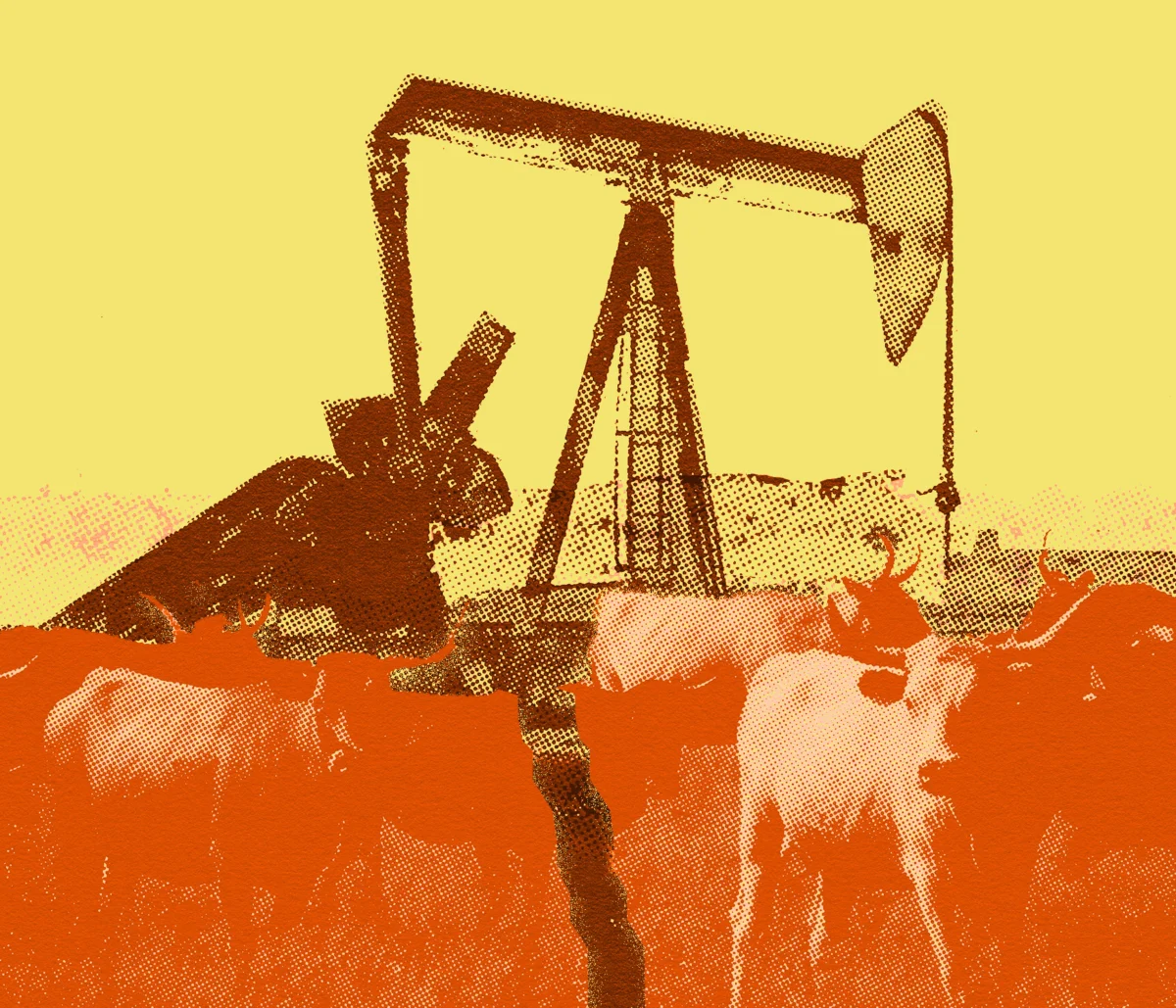
For over five decades, the American public has been told that true liberation from the intricate web of the global oil market necessitates accepting the proliferation of drill rigs across the landscapes of New Mexico, Wyoming, North Dakota, Colorado, and Utah. It has meant tolerating the ceaseless grind of pumpjacks extracting billions of gallons of water and hydrocarbons, and enduring the resulting air and water pollution, along with their profound impacts on human health and the environment. Yet, the narrative remains largely unchanged. Policymakers continue to advocate for expanded drilling, often invoking "energy security" even when defying environmental regulations. In one recent instance, Energy Secretary Chris Wright reportedly invoked emergency war powers to reactivate an offshore oil pipeline near Santa Barbara, California, despite its history of spills, a court injunction, and strong objections from state regulators. This action, framed as essential for "energy security," highlights the persistent prioritization of oil extraction over environmental protection.
These actions prompt a fundamental question: What precisely constitutes the ultimate objective of this often-touted "energy independence and dominance"? Former President Donald Trump may have inadvertently provided a revealing answer in a social media post, stating: "The United States is the largest Oil Producer in the World, by far, so when oil prices go up, we make a lot of money." By "we," he implicitly referred to the powerful petroleum corporations and their shareholders, who indeed reap substantial profits from elevated oil prices. He also meant other major oil producers, such as Russia, which leverages increased oil revenues—potentially an additional $150 million per day after sanctions were reportedly eased in a largely unsuccessful effort to stabilize prices—to fund its ongoing military endeavors. Furthermore, oil-producing states within the U.S., including New Mexico, Wyoming, and Alaska, would see their budgets bolstered by higher royalties and severance taxes, though it remains uncertain whether these gains would fully offset the broader negative economic ramifications of global conflict.

Meanwhile, the overwhelming majority bears the brunt of these dynamics. Average American consumers, particularly those in lower-income brackets, face a disproportionately larger share of their earnings consumed by the escalating cost of living and the daily necessity of fueling their commutes. The fragile ecosystems and communities of the American West will undoubtedly suffer as calls for increased drilling inevitably intensify, further encroaching on pristine public lands. But the most profound losses would be borne by the nation and people of Iran, caught in the crossfire and paying an unbearable price for the planet’s insatiable demand for oil.
If humanity truly seeks freedom from the devastating cycles of wars over oil and the profound damage they inflict on populations, the environment, and the global economy, the path forward must extend beyond merely liberating ourselves from reliance on foreign oil. It demands a fundamental transformation: a decisive break from our collective, deadly, and destructive addiction to oil itself. This paradigm shift necessitates a robust commitment to renewable energy sources, aggressive pursuit of energy efficiency, and a societal embrace of sustainable consumption patterns, charting a course towards a truly secure and peaceful energy future.