Joko Susilo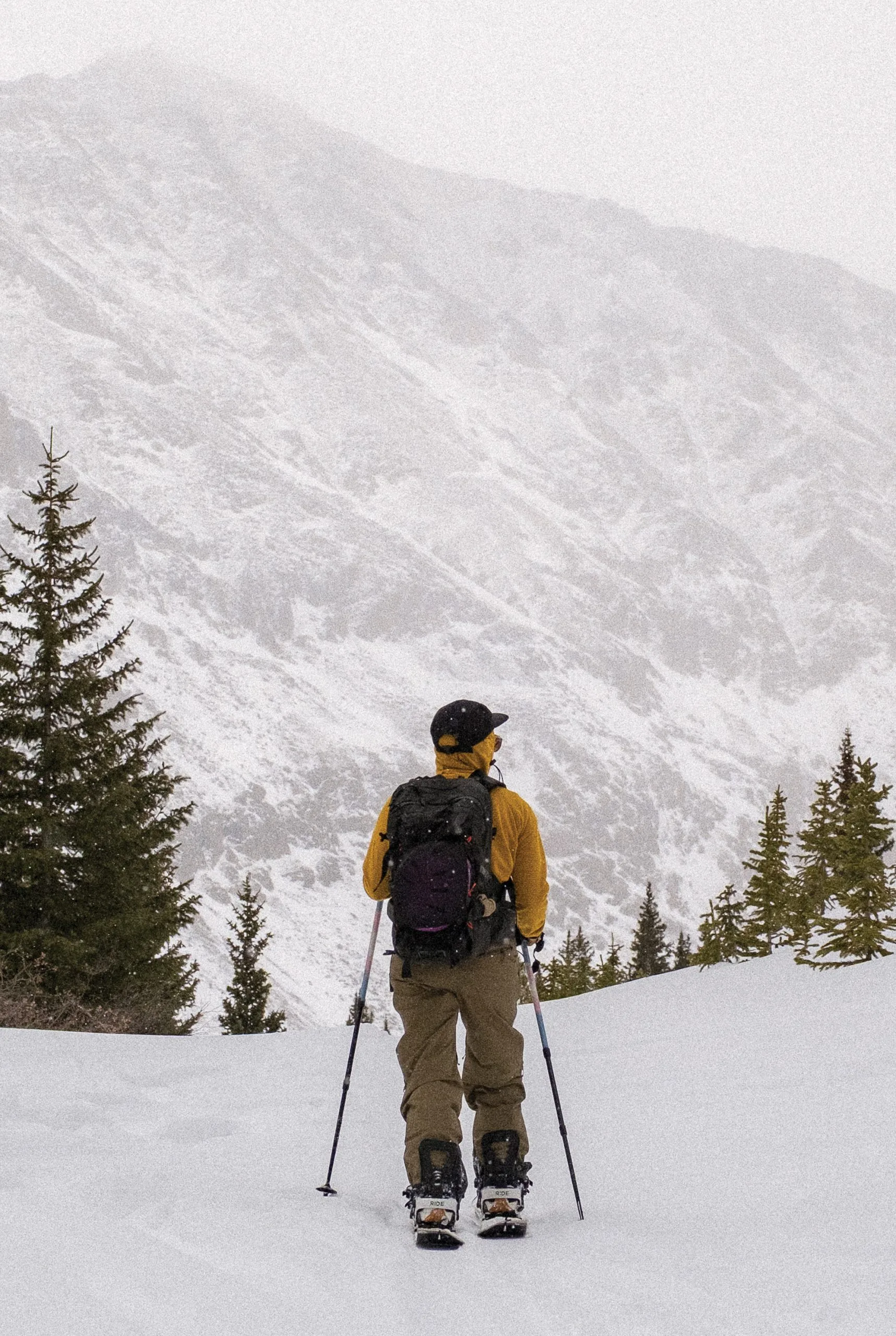
For many, the past few years have brought a profound sense of vulnerability, seeing cherished ways of life and personal freedoms increasingly imperiled. This sentiment is acutely felt by those navigating the complex landscape of transgender rights, where a wave of restrictive legislation threatens individual autonomy and well-being. The discomfort with the state of trans rights across the United States, once a vague anxiety, has intensified into a pervasive concern, casting a shadow even over states like Colorado, which largely protect these rights. Despite local protections, the constant national debate, fueled by thousands of anti-trans bills introduced nationwide, creates an environment of tension and scrutiny. This legislative onslaught often seeks to undermine state-level protections for trans youth, intensifying the feeling that one’s very existence and bodily integrity are subjects of ongoing public and political contention.

Yet, amidst this confluence of environmental and social pressures, there remains a powerful impulse towards self-affirmation and resistance. For some, the wild expanse of the backcountry offers not just a physical challenge but a profound sanctuary, a space where the act of movement becomes a reclamation of self. Every vertical foot gained on a skin track up a mountain becomes an act of defiance, pushing back against both the relentless pull of gravity and the systemic pressures of government overreach. The physical exertion—burning lungs, aching quads, cold-bitten toes—transforms into a meditative focus on the body’s internal sensations, a deliberate turning away from external judgments and the societal gaze that often scrutinizes and misidentifies.
The quiet of the mountain, punctuated only by the rhythmic "shuush-clack" of skins sliding against the meager snow, provides a stark contrast to the clamor of the outside world. Reaching the summit, the view reveals distant peaks adorned with a snow cover typical of late spring, not the robust depths expected in midwinter, a silent testament to the climate crisis. This high-alpine setting, a place of profound transformation, is also a "transition point" in a literal sense. It is here, at the top of a climb, that gear changes from uphill to downhill configuration: snowboard halves are reunited, bindings secured. And it is here, too, that a deeply personal weekly ritual unfolds: sitting on the board, a syringe, needle, and vial of testosterone are drawn, a private act of gender-affirming care performed in communion with the silent, watchful mountains. This parallel between the physical transition of gear and the personal transition of identity underscores a core belief: both splitboarding and gender transition are acts that foster pride and authenticity.

Society often expects a complicated relationship with the body from transgender individuals, frequently framing gender-affirming care as a response to "gender dysphoria"—a distress stemming from a mismatch between gender identity and physical characteristics. However, for many, the relationship with their body is not one of unhappiness or distress. Instead, it is a relationship of profound love and appreciation for its capabilities, for its ability to carry them up mountains and through life’s challenges. The essence of gender transition, for these individuals, is not about correcting what is wrong, but about aligning with what feels inherently right, a proactive step in creating an authentic self. The memory of childhood distress, such as the tears brought on by an unwanted Easter dress, was not discomfort with oneself, but with how others perceived and misgendered them. Even now, the lingering gaze of strangers in public spaces—grocery stores, gas stations—can feel like an intrusive attempt to categorize or judge. But in the backcountry, the gentle, non-scrutinizing "eyes" of the aspen trees offer a welcome contrast, providing a sense of acceptance and peace.
The most profound way to love one’s body, for many, is through movement. Twenty years of snowboarding have forged a deep connection, a second nature where sliding sideways feels more intuitive than walking. The nuances of the snow are felt through edges and base, allowing for graceful flow across open slopes, precise lines carved into fresh powder, and agile weaving through tight tree stands. This intuitive dance with gravity, bouncing off gully banks, fully activates the body, creating a profound sense of "trans joy" and liberation. Backcountry snowboarding becomes a potent form of self-expression, a physical manifestation of inner freedom.

This trans joy fosters a deep wellspring of resilience. Even as the mind grapples with the looming shadows of bathroom bans, healthcare restrictions, athlete bans, the privatization of public lands, and the undeniable warming of winters, there is a steadfast belief in the enduring access to these liberating experiences. The struggle against the warming of winters, the commercialization and potential sell-off of public lands, and the policing of trans bodies are not isolated battles. They are intrinsically linked, facets of a larger war against the fundamental human right to pursue happiness, to live authentically, and to find respite from a world that increasingly demands profit, productivity, and conformity. Public lands, in this context, offer a vital refuge, a space free from the expectations and pressures that define daily life.
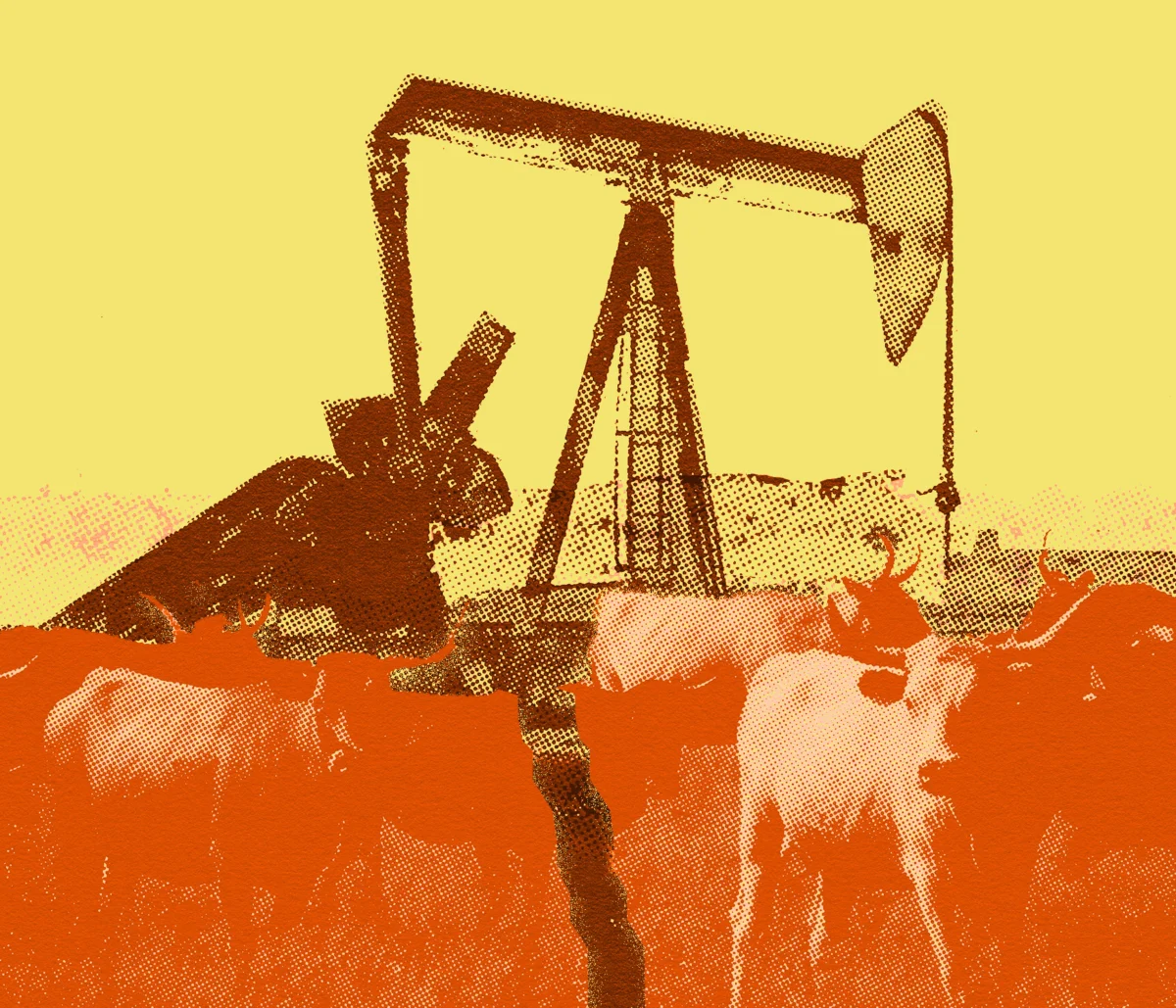
As the descent concludes, returning down the ridge, through the trees, and along the skin track to the trailhead, the sanctuary of the backcountry gradually recedes. The journey home often brings the jarring sight of rare earth mining operations, visibly scarring the range, a stark reminder of unchecked exploitation. Re-entering cell service immediately unleashes a torrent of news alerts: a dozen new headlines detailing fresh attacks on trans rights, or yet another historic low recorded for the year’s snowpack. Despite this onslaught of disheartening information, the commitment to going out, to climbing mountains, to carving lines in the snow, to laughing, and to loving, remains unwavering. Through sport and movement, the mind is cleared, and the body, so often the subject of debate, is celebrated and lived in fully. In this profound and elemental way, the land itself offers a unique and powerful form of gender-affirming care, affirming existence and fostering an enduring sense of belonging and joy.