Joko Susilo
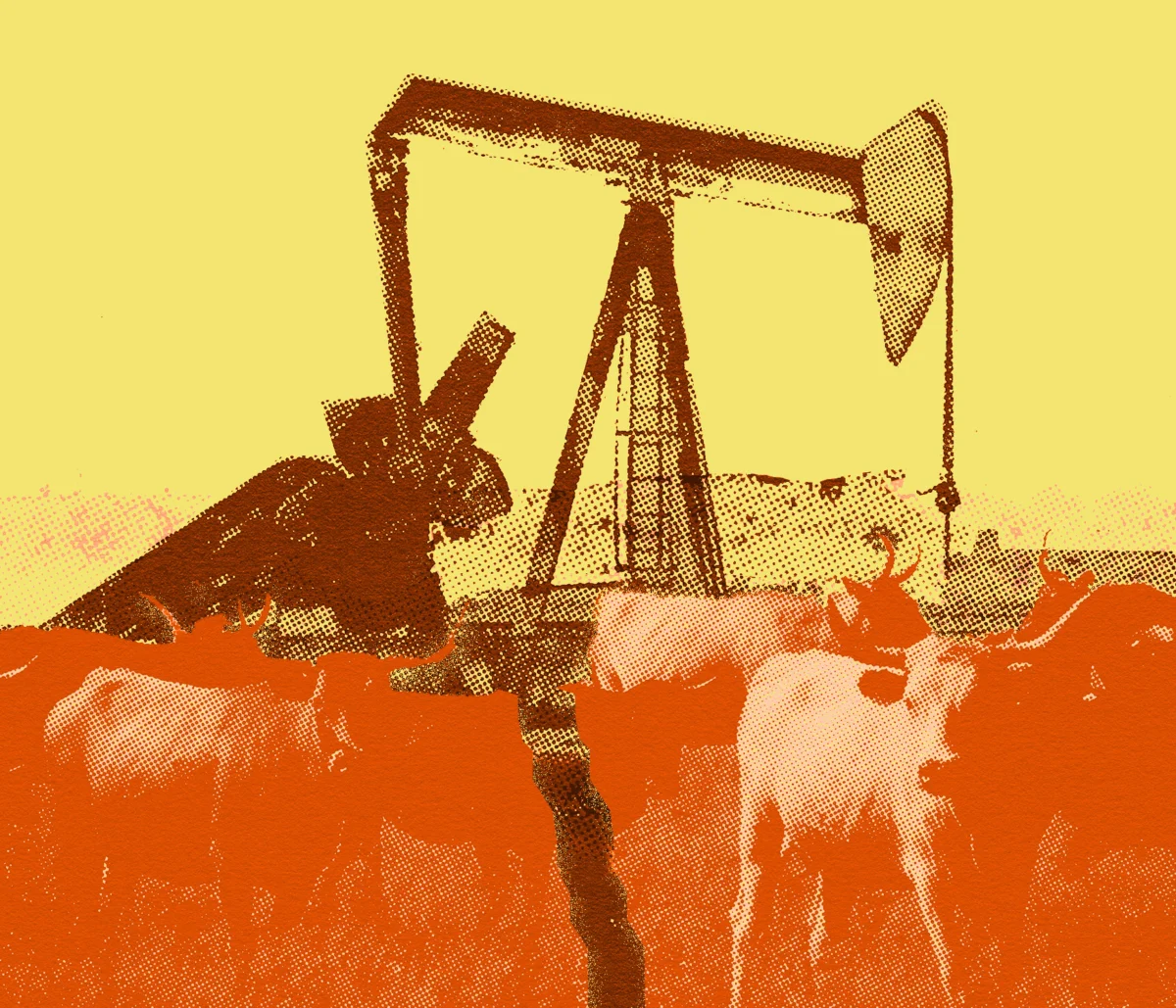
In a significant policy reversal, ethics officials within President Donald Trump’s Interior Department issued a sweeping waiver on March 11, 2026, to Karen Budd-Falen, the agency’s Associate Deputy Secretary and third-highest-ranking official, granting her extensive authority to engage in federal grazing policy and permitting decisions. This decision comes despite her family’s substantial financial interests in the public lands grazing industry, a sector she now directly influences. The timing of the waiver, which appeared on the U.S. Office of Government Ethics disclosure database the day after a journalistic inquiry regarding her recent activities on grazing issues, has drawn immediate attention and sparked renewed debate over conflicts of interest in federal land management.
This latest development marks a dramatic departure from Budd-Falen’s previous tenure at the Interior Department during the first Trump administration. In 2018, upon her initial appointment, she signed explicit ethics documents that strictly prohibited her from working on, or even discussing, federal grazing matters. A disqualification statement, dated November 5, 2018, clearly outlined her commitment to recuse herself from any deliberation concerning grazing issues or the department’s process for issuing grazing permits throughout her appointment. This prior restriction underscored the acknowledged potential for conflicts given her deep personal and professional ties to the ranching community.
The newly issued waiver, signed by Heather Gottry, director of Interior’s ethics office, explicitly permits Budd-Falen to participate in "particular matters of general applicability that may have a direct and predictable effect on your direct and imputed financial interests in the Budd-Falen Ranch and Cattle Interests or the BLM grazing permits that are either attached to any of the Budd-Falen Ranch and Cattle Interests." The justification provided for this expansive latitude cites the “level of experience and expertise necessary to perform the position of Associate Deputy Secretary,” asserting that her “background, leadership, and skill set are critical to the work of the Department.” Furthermore, the waiver notes that Budd-Falen herself advised ethics officials that her previous recusal had become "limiting your ability to fully engage in policy discussions related to grazing permits and other relatable policies" and had grown "overly burdensome," thus depriving the department of her knowledge.
Karen Budd-Falen, often described as a "cowboy lawyer" due to her extensive legal career representing ranching interests against environmental regulations and federal land management agencies, brings a unique and often controversial perspective to her governmental role. Her professional life has been intertwined with the very public land management issues she now oversees. Her and her husband’s financial disclosure for 2025 details vast holdings in multiple ranching operations, many of which maintain federal permits to graze cattle across expansive tracts of public lands in the American West. These interests largely mirror those she held during her first stint in the Trump administration, making the reversal of her ethics restrictions particularly notable.
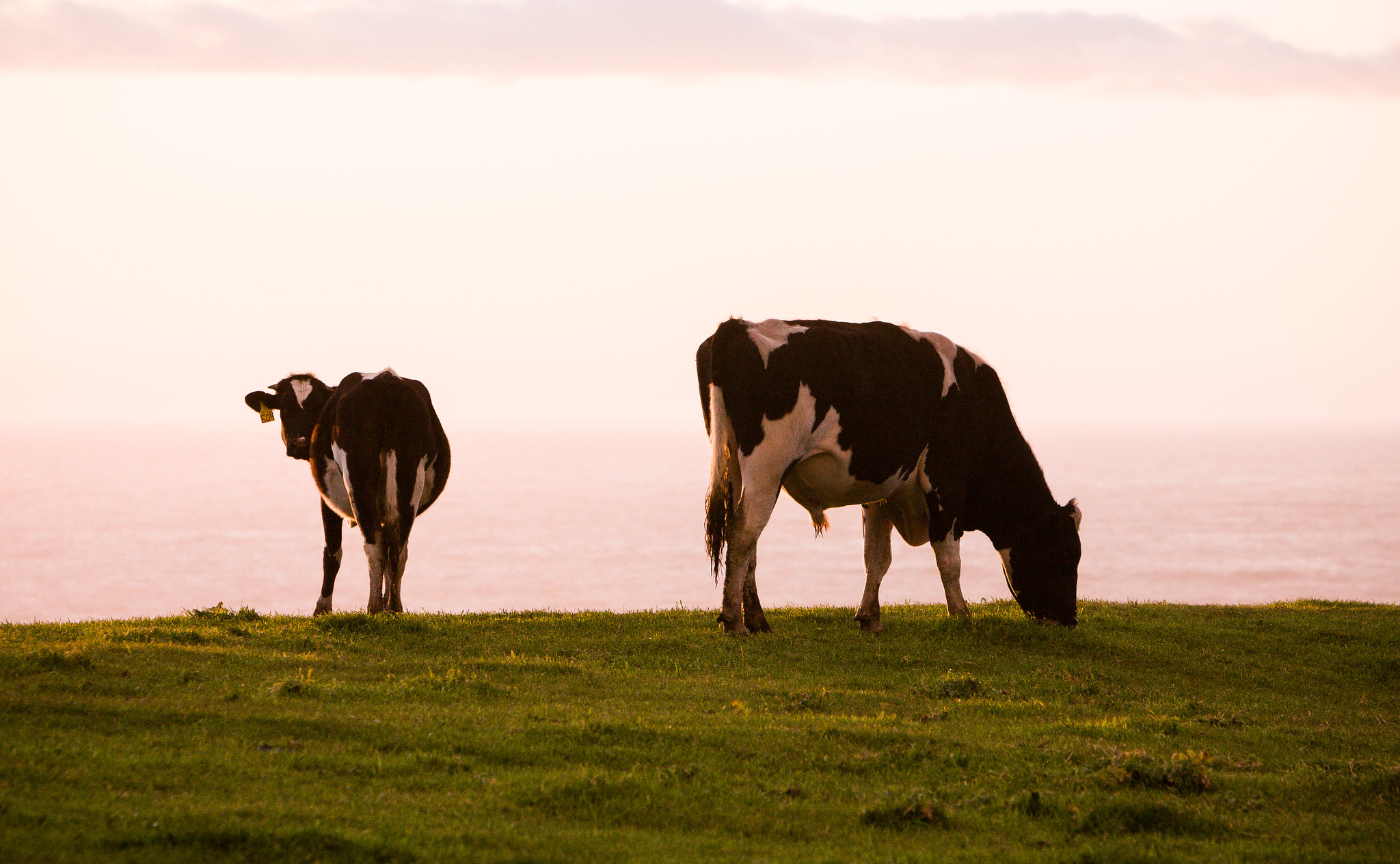
Prior to the issuance of this waiver, Budd-Falen had already been actively involved in several high-profile grazing-related matters since rejoining the Interior Department. One prominent example is the long-standing and contentious dispute over beef and dairy cattle grazing at Point Reyes National Seashore in California. This coastal national park, renowned for its dramatic landscapes and diverse wildlife including Tule Elk, has been the site of a decades-long battle between environmental advocates seeking to restore natural ecosystems and ranching families with historic permits to operate within the park boundaries. In the waning days of the previous administration, an agreement was reached between environmentalists and ranchers to phase out most grazing, offering compensation to affected parties. However, reports indicated that Health and Human Services Secretary Robert F. Kennedy Jr. intervened to potentially unravel the deal, leading Interior Secretary Doug Burgum to reportedly tap Budd-Falen to "broker a Point Reyes solution." Earlier this month, Budd-Falen traveled to Point Reyes, engaging directly with stakeholders including park leadership, environmental groups, affected ranchers, and advocates pushing to overturn the previous settlement. Her involvement in this highly sensitive and localized issue, which has broad implications for national park management and the balance between conservation and traditional land uses, occurred without a publicly disclosed, updated ethics recusal.

Another significant area of Budd-Falen’s involvement has been the Interior Department’s recent overhaul of the National Environmental Policy Act (NEPA). NEPA, a foundational environmental law enacted in 1970, requires federal agencies to assess the environmental impacts of major projects and consider alternatives before making decisions. Its implementation has long been a flashpoint for industries seeking to streamline development and environmental groups advocating for robust protections. The Trump administration’s "reforms" to NEPA, announced last month, aim to "reduce delays and costs for projects across public lands, including energy development, critical minerals, livestock grazing approvals" and other activities. Budd-Falen was prominently quoted in the official press release announcing these changes, hailing them as "a decisive step toward fixing a broken permitting system" and asserting that Interior was "restoring NEPA to what Congress intended – a procedural law that informs decisions, not a regulatory maze that delays them for years." Her active role in reshaping such a critical environmental statute, which directly benefits the public land ranching sector where her family has significant interests, raised immediate questions regarding her compliance with previous ethics agreements.
Further compounding the ethical questions is Budd-Falen’s previously revealed financial ties to a massive Nevada lithium mine project. In 2018, shortly after her initial appointment to the first Trump administration, her husband completed a lucrative transaction selling water rights from Home Ranch, LLC – one of the family’s ranching operations – to Lithium Nevada Corp., the developer of the controversial Thacker Pass mine. This mine is projected to be one of North America’s largest sources of lithium, a critical mineral essential for electric vehicle batteries and renewable energy storage, placing it at the nexus of national security, economic development, and environmental protection debates. While Budd-Falen had received a waiver in 2018 to retain her financial interest in Home Ranch and other family ranching assets, that waiver explicitly required her not to participate in matters that could financially benefit those operations. The water rights sale, however, was never publicly disclosed in her annual financial disclosure forms, prompting House Democrats to demand an investigation into the matter by Interior’s internal watchdog. This incident underscores the broader challenges of transparency and accountability when high-ranking officials hold significant private sector interests in the very industries they regulate.
The sudden appearance of the "conflict of interest waiver" on the U.S. Office of Government Ethics database on March 12, dated March 11, the same day inquiries were sent to the Interior Department, has intensified scrutiny. Environmental advocacy groups and government ethics watchdogs contend that Budd-Falen’s recent activities, especially on the Point Reyes dispute and NEPA reforms, would have clearly violated her 2018 ethics recusal had it still been in effect. Patrick Kelly, the Montana and Washington state director for Western Watersheds Project, an environmental group, stated that her "recent and very public involvement in grazing disputes — including the ranching settlement at Point Reyes — would place her squarely in violation of the prohibition against participating in grazing-related discussions. This represents a glaring conflict of interest and raises profound questions about whether federal public-lands decisions are being shaped in the public interest or at the behest of the livestock industry."

The Interior Department had previously asserted that Budd-Falen filed all appropriate paperwork and that her relevant ethics filings "have been supplied," but until March 12, no updated recusal or waiver allowing her to work on grazing matters had been made public. Critics argue that the timing suggests a reactive measure rather than proactive transparency. Craig Holman, a government affairs lobbyist and ethics expert at Public Citizen, emphasized that ethics rules generally carry over for officials who exit and then reenter government, remaining binding until explicitly modified or nullified. Holman highlighted a broader concern, stating that "all the agencies charged with enforcing these ethics rules have been dominated by Trump loyalists who do not believe in the rules." He further suggested that the administration views ethics restrictions as obstacles, potentially neutering the very agencies designed to ensure governmental integrity.
This situation illuminates the complex and often contentious intersection of personal financial interests, public service, and policy-making within the federal government, particularly in an administration known for its aggressive deregulation agenda and close ties to specific industries. The extensive land holdings and resource management responsibilities of the Interior Department, which oversees over 500 million acres of federal land, make these ethics considerations paramount. The broad waiver for Karen Budd-Falen will undoubtedly continue to be a focal point for environmental groups, ethics watchdogs, and congressional oversight, raising persistent questions about the integrity of public lands decisions and the administration’s commitment to transparent and unbiased governance.