Rocky Georgio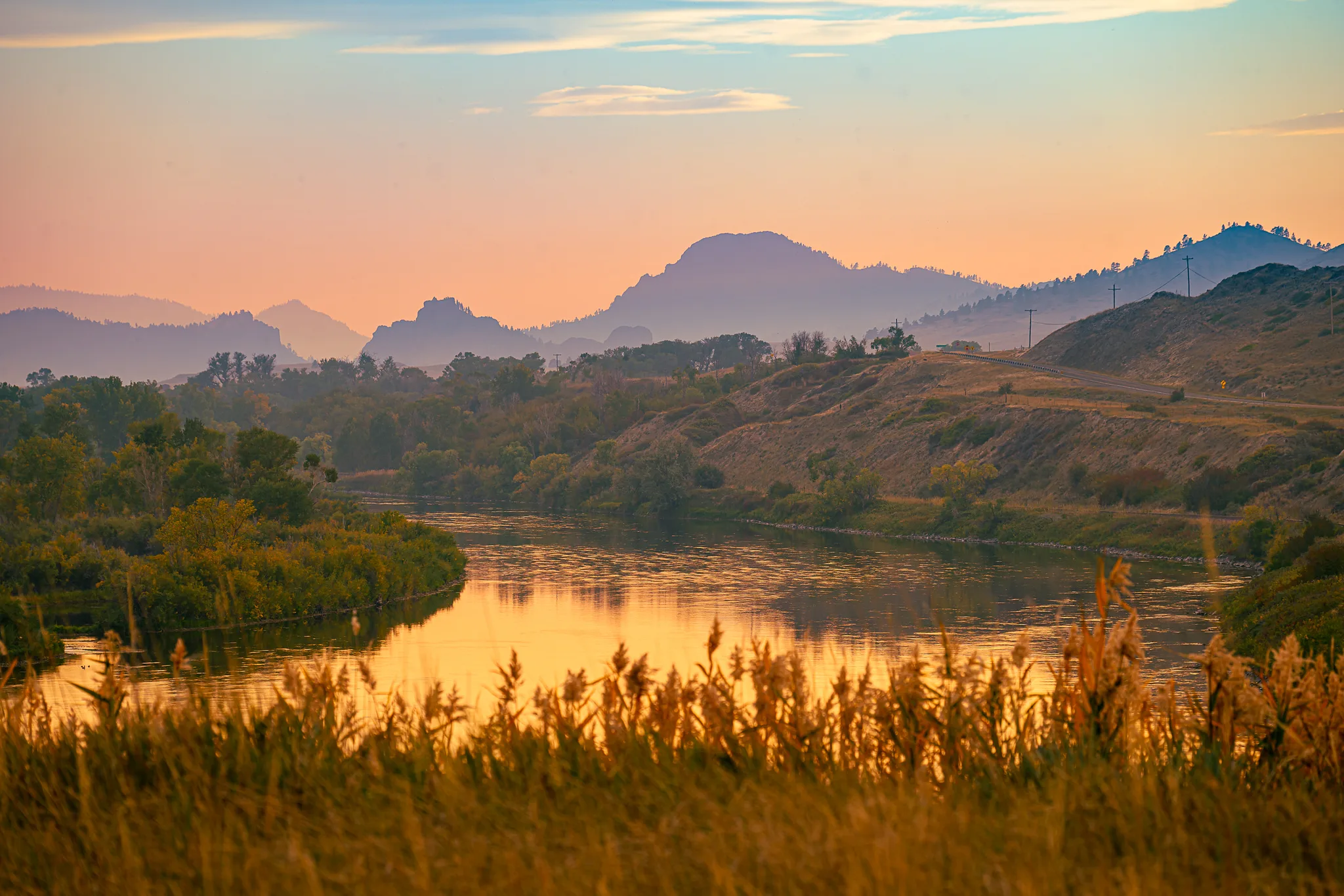
Montana, a state renowned for its pristine natural beauty, including its abundant sparkling high-alpine lakes and abundant trout-filled streams, finds itself at a critical juncture regarding the protection of its vital waterways. The state, recognized as the origin of major rivers like the Missouri and home to Flathead Lake, the largest natural freshwater lake west of the Mississippi, is experiencing a significant rollback of water quality protections. This shift, enacted by the Montana Legislature and notably receiving approval from the Environmental Protection Agency (EPA) as of October, marks a departure from the state’s historical role as a leader in environmental regulation.
Historically, Montana was at the forefront of water pollution control. In 2014, it became the first state in the nation to establish numeric water-quality standards for dissolved nitrogen and phosphorus in wadable streams and certain river segments. These nutrients, often originating from mining operations, municipal wastewater treatment facilities, and agricultural runoff, can have devastating ecological consequences when present in excessive quantities. Their proliferation fuels the growth of slimy green algae, commonly known as algal blooms, which are far more than an aesthetic nuisance. These blooms consume dissolved oxygen essential for aquatic life, leading to massive fish die-offs. Furthermore, they can block sunlight from reaching deeper waters, disrupting the entire aquatic ecosystem, and can release toxins harmful to human health if ingested through contaminated water sources.
Water quality standards, approved by the EPA, serve as crucial benchmarks for states and tribes to ensure their water bodies are safe for both human consumption and the preservation of aquatic ecosystems. These standards define a state’s water policy, guiding everything from initiating cleanup efforts to issuing permits for point-source polluters—entities that discharge wastewater through pipes or ditches. Standards can be defined either numerically, setting specific upper limits for pollutants to prevent degradation before it becomes visible, or narratively, describing the ideal condition of clean waterways based on degradation parameters. Numeric standards are particularly effective as they act as a preventive measure, compelling polluters to treat their wastewater before detrimental impacts manifest. Conversely, narrative standards are typically invoked only after environmental problems have already become apparent. The quantifiable nature of numeric standards makes them more readily enforceable, whereas narrative standards, being more subjective, offer greater flexibility and discretion to both polluters and regulatory agencies.

This year, however, a trio of bills passed by the state legislature repealed Montana’s numeric nutrient standards, leaving the state with its existing narrative standards. Environmental advocacy groups and water quality experts widely consider narrative standards to be less protective than their numeric counterparts. The uncertainty surrounding the implementation of these new standards is a significant concern for stakeholders. Scott Bosse, Northern Rockies regional director for the nonprofit American Rivers, highlighted the current ambiguity, noting that the precise methods the Montana Department of Environmental Quality (DEQ) will employ to enforce the new narrative standards remain unclear.
The DEQ contends that narrative standards are a more efficient approach to preventing excessive pollution, emphasizing a case-by-case evaluation of each water body. This strategy aims to tailor anti-pollution policies to the unique hydrological and ecological characteristics of local environments. Andy Ulven, chief of the DEQ’s Water Quality Planning Bureau, explained that the department is focused on developing the "best site-specific controls." Under the revised framework, the DEQ will rely on indicators such as the health of aquatic indicator species, like mayflies, as well as algal concentrations and dissolved oxygen levels to inform water policy. While dissolved nitrogen and phosphorus will still be considered, Ulven stressed the importance of evaluating the broader ecological context.
Despite these assurances, critics express skepticism, deeming the 2025 legislation vague and overly broad. Nine environmental watchdog groups have formally requested a moratorium on wastewater discharge permits until a more concrete plan for implementing the narrative standards is established. This is not the first instance of Montana attempting to dismantle its numeric nutrient standards; previous efforts in 2020 and 2022 were rejected by the EPA, which cited potential violations of the Clean Water Act. This year, however, the agency’s approval came as a surprise, occurring on October 3rd during a government shutdown.
Even though Montana initially established numeric criteria for nutrient pollution in 2014, consistent enforcement has been lacking. The DEQ frequently extended expiring permits rather than mandating upgrades to comply with the standards. Currently, over two dozen permit renewals are pending, including those for major cities like Billings and Missoula, as well as towns such as Kalispell and Whitefish, whose drainage systems flow into Flathead Lake. Adhering to the former numeric standards would have necessitated substantial investments in upgrading the state’s generally aging wastewater treatment infrastructure. However, Guy Alsentzer, executive director of Upper Missouri Waterkeepers, argues that investing in advanced wastewater treatment technologies is crucial for the long-term health of Montana’s waterways and its residents. He pointed out that shifting the goalposts due to implementation challenges is not a viable solution.

A significant portion of Montana’s waterways is already considered impaired due to pollution from sewage, industrial discharges, and agricultural fertilizers. Over 35% of the state’s river miles and 22% of its lakes are impacted, according to DEQ data. Environmental organizations fear that renewing permits under the new, more lenient standards could exacerbate nutrient contamination, potentially opening the floodgates to further pollution.
The implications of Montana’s rollback extend beyond its borders, occurring amidst a broader national trend of weakening environmental protections. The recent proposal by the Trump administration to remove federal protections from a substantial percentage of the nation’s wetlands further underscores this concern. As federal environmental safeguards are diminished, many argue that states should be strengthening, not dismantling, their efforts to protect their natural resources. Montana’s successful repeal of its stricter pollution standards could embolden other states to pursue similar rollbacks, potentially taking advantage of a more accommodating EPA. Andrew Hawley, a staff attorney at the Western Environmental Law Center, expressed concern that this development signals to other states that the EPA is receptive to such actions, potentially leading to a nationwide erosion of Clean Water Act protections.
In the interim, Montana’s precious water resources face increasing vulnerability. The decision by both the state and the EPA to transition to narrative standards is viewed by many as a gamble with the state’s clean water future. The precedent set by Montana’s actions raises concerns about a potential domino effect, where other states may follow suit, leading to a significant weakening of national water quality safeguards. The case of the Sibanye-Stillwater platinum and palladium mine, which recently had its permit renewed with provisions allowing for a significantly higher nitrogen discharge, serves as an early indicator of how rivers might fare under the new regulatory landscape. Environmental advocates are closely monitoring this development as a potential harbinger of future water quality challenges across the state.