Rocky Georgio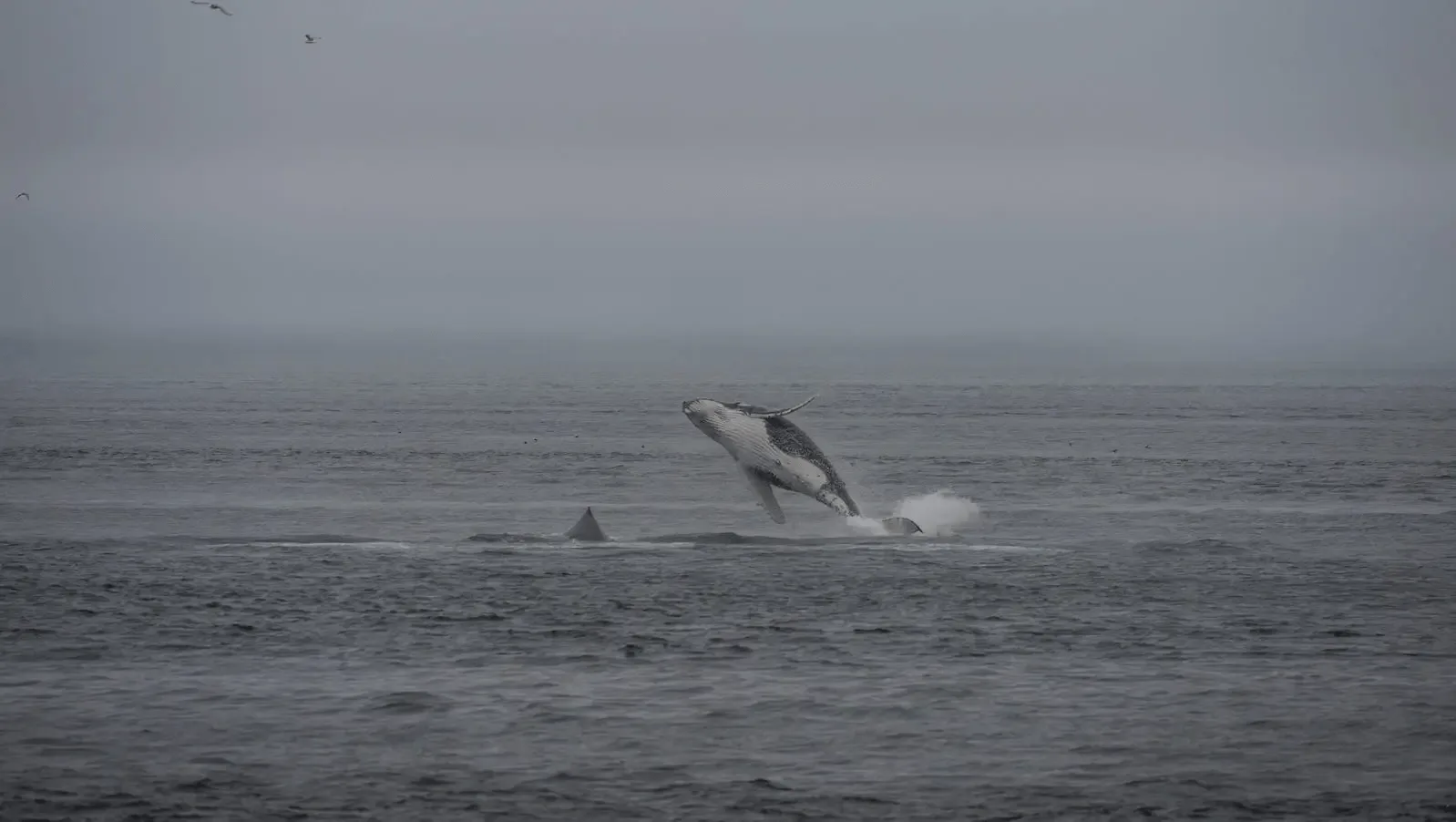
The United States is considering opening over 113 million acres of Alaskan waters to seabed mining, a move that echoes similar proposals in the Pacific, including areas near American Samoa, Guam, and the Northern Mariana Islands. This expansive consideration for the nascent industry raises significant cultural and environmental questions, particularly for the Indigenous peoples of Alaska who maintain deep ancestral ties to these marine environments. Seabed mining, a practice aimed at extracting minerals from the ocean floor for use in products ranging from electric vehicle batteries to advanced military technology, remains largely undeveloped due to a lack of international regulations and profound concerns about its ecological footprint. Scientists warn that the extraction of minerals, which have taken millennia to form, could devastate fragile deep-sea ecosystems and deplete vital fisheries, with recovery potentially taking thousands of years. Indigenous communities, meanwhile, are vocal about their rights to free, prior, and informed consent regarding any activities impacting their traditional territories.
President Donald Trump has publicly championed the development of deep-sea mining as a strategic initiative to position the United States as a global leader in critical mineral production. His administration has also actively explored avenues for U.S. companies to conduct mining operations in international waters, circumventing ongoing global discussions on regulatory frameworks. Kate Finn, executive director of the Tallgrass Institute Center for Indigenous Economic Stewardship and a citizen of the Osage Nation, voiced apprehension that the seabed mining sector might replicate the historical environmental and social injustices often associated with land-based mining operations. "The terrestrial mining industry has not gotten it right with regards to Indigenous peoples," Finn stated, emphasizing the inherent right of Indigenous peoples to grant or withhold consent and the imperative for mining companies to integrate this right into their operational planning.
While no specific companies have publicly declared intentions to mine off Alaska, the proposed lease area is substantial, exceeding the landmass of California. Cooper Freeman, director of Alaska operations for the Center for Biological Diversity, highlighted the sheer scale of the proposal, noting that it encompasses ecologically sensitive areas already protected from bottom trawling, a destructive fishing practice. These protected zones, particularly in the Aleutian Islands, serve as critical nurseries for commercially important fish species and harbor unique habitats. The Bureau of Ocean Energy Management (BOEM), the federal agency tasked with overseeing such activities, has identified prospective areas for critical minerals and heavy mineral sands along the Seward Peninsula and Bering Sea coast, including depths up to four miles in the Aleutian Trench and abyssal plains of the Bering Sea and Gulf of Alaska.
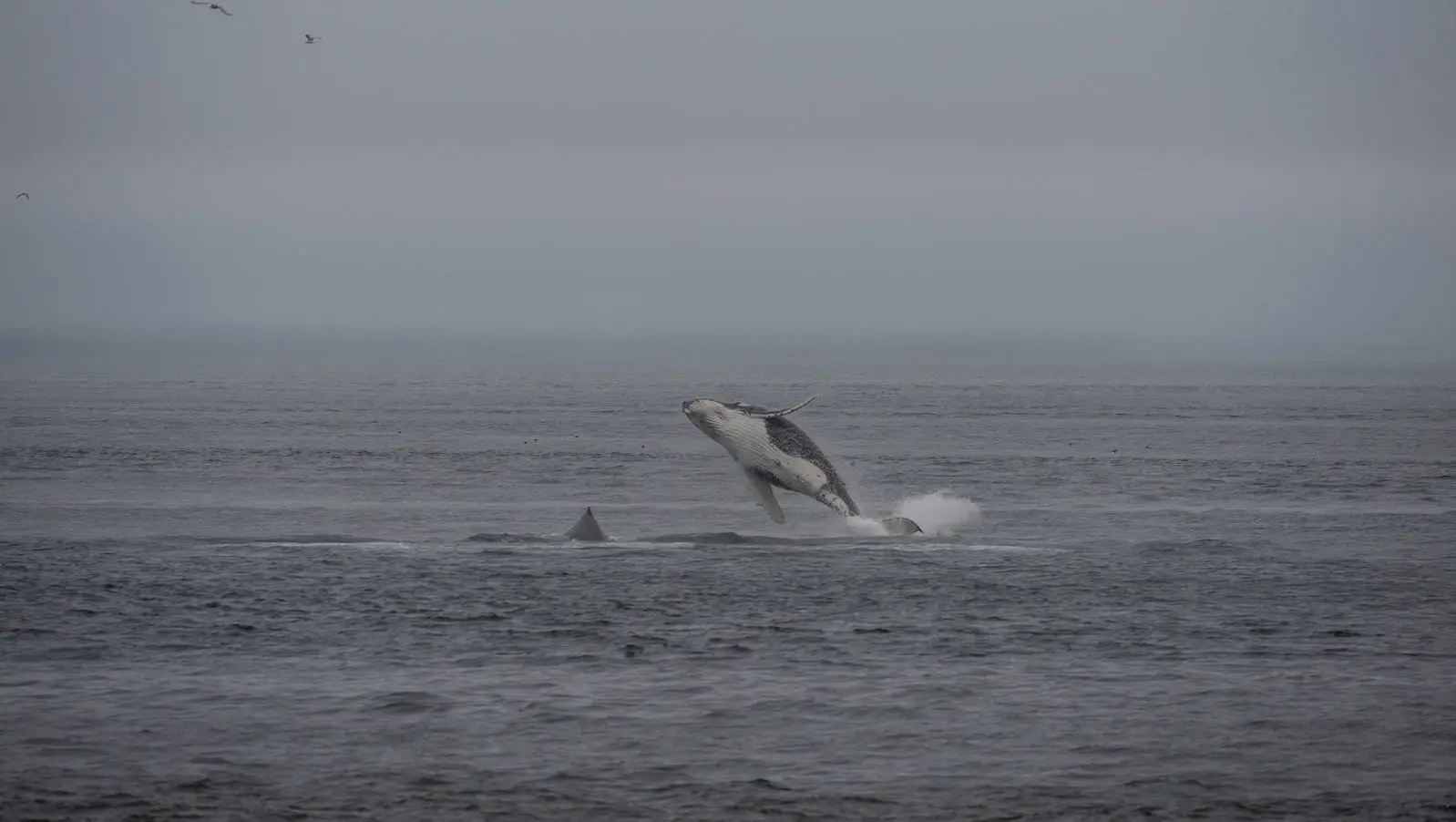
Alaska is home to over 200 distinct Alaska Native nations, and the potential for deep-sea mining has galvanized concerns among these communities. Jasmine Monroe, an Inupiaq, Yupik, and Cherokee woman from the village of Elim in Alaska’s Bering Strait region, expressed alarm about the potential repercussions for her community’s subsistence lifestyle. "We eat beluga meat, we eat walrus, we eat seal, we eat whale," she explained, underscoring the direct link between ocean health and their cultural survival. "Whatever happens in the ocean, it really does affect our way of life." Monroe also articulated a profound sense of powerlessness, stating, "It just feels like we don’t have any say on whether it happens or not. It just feels like the system is set up for failure for us." The Alaska Federation of Natives, a significant representative body for Indigenous peoples in the state, did not respond to requests for comment.
Monroe, who actively works on water quality issues with the nonprofit Alaska Community Action on Toxics, described the process as a top-down approach with truncated timelines for public engagement, leaving her feeling disempowered. Kate Finn of the Tallgrass Institute reiterated that Indigenous peoples possess the right under international law to consent to activities within their territories, cautioning that U.S. federal regulations alone might not align with international legal standards, especially in an era of deregulation. "Companies will miss that if they’re only relying on the U.S. federal government for consultation," she warned. Finn also acknowledged that Indigenous nations have diverse economic and cultural priorities, and some have successfully partnered with mining companies under specific, mutually agreed-upon conditions. "There are Indigenous peoples who work well with companies and invite mining into their territories, and there is a track record there as well," she added.
While Monroe understands that seabed mining could provide minerals for technologies like electric vehicle batteries, a need she recognizes, she questions the trade-offs for her community. Unlike proponents who see electric vehicles as a solution to climate change, Monroe does not see their immediate benefit in her remote Alaskan village, and considers the potential environmental and cultural costs to be prohibitively high. "It really feels like another false solution," she concluded, drawing parallels to other mining proposals she has opposed in Alaska, including a graphite mine that could contaminate vital waterways. The push for seabed mining, therefore, is not just an economic and environmental debate, but a profound question of Indigenous sovereignty, cultural preservation, and the definition of sustainable development in the 21st century. The vast, largely unexplored depths of the ocean hold immense potential for resources, but also for irreparable harm, making the decisions made today critical for the future of both marine ecosystems and the communities that depend on them. The coming months will likely see increased scrutiny and debate as BOEM navigates public comment and considers the implications of this ambitious proposal for Alaska’s unique coastal and marine heritage.