Rocky Georgio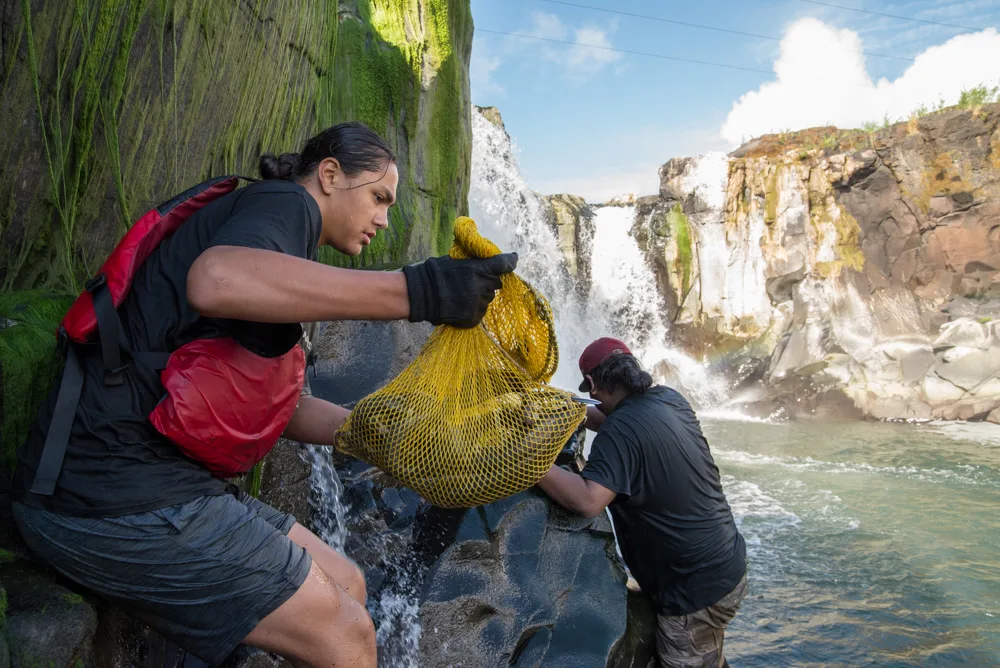
The U.S. Environmental Protection Agency (EPA) has put forth a proposal to significantly alter the Clean Water Act, specifically targeting Section 401, a critical provision that governs water quality certifications for federal projects and significantly influences the ability of Native American tribes to assert regulatory authority over their ancestral waters. Environmental law experts and tribal advocates warn that this proposed revision could dismantle one of the few robust mechanisms tribes possess to uphold treaty rights and safeguard their communities from environmental degradation.
At its core, Section 401 of the Clean Water Act requires developers seeking federal permits for projects that may impact waterways—such as dams, mines, pipelines, and major industrial facilities—to obtain a water quality certification from the relevant state or tribe. This certification confirms that the project will comply with federal water quality standards. Historically, and particularly under a regulatory framework established by the Biden administration in 2023, tribes and states have been empowered to conduct comprehensive, holistic reviews of proposed projects. This "activity as a whole" approach allowed for the evaluation of a broad spectrum of potential impacts, including not only direct pollution discharges but also the risks of accidental spills, the potential harm to sacred cultural resources, and the broader ecological consequences for wildlife and aquatic ecosystems vital to tribal sustenance and cultural practices.
However, the EPA’s newly proposed rule seeks to narrow the scope of these reviews, limiting the assessment to "discharge only." This restrictive interpretation would permit states and tribes to scrutinize projects solely based on the quantity and type of pollutants they are expected to release, effectively sidelining concerns about spill risks, habitat destruction, and impacts on cultural heritage that fall outside direct discharge considerations. Miles Johnson, legal director at Columbia Riverkeeper, an organization dedicated to protecting the Columbia River, characterized the proposed modifications as undermining "a really important tool for states and tribes" that allows them to impose conditions on, or in extreme cases, reject federal projects that pose a threat to their waters.
Furthermore, the proposed rule introduces substantial changes to the process by which tribes can acquire regulatory authority under the Clean Water Act’s "Treatment in a Similar Manner as a State" (TAS) program. The TAS program is a vital, albeit limited, avenue through which tribes can assume regulatory responsibilities comparable to those of states, enabling them to establish and enforce their own water quality standards and set conditions for projects impacting tribal lands. As of now, only 84 of the nation’s hundreds of tribal nations have successfully obtained TAS status, granting them the authority to review federal projects affecting their territories. The existing framework under Section 401, prior to this proposed revision, allowed tribes to apply for and exercise these review powers if they could demonstrate the necessary capacity and resources, thereby extending regulatory reach beyond those tribes with larger administrative infrastructures. The proposed changes would significantly curtail this flexibility, potentially restricting water quality review authority exclusively to TAS-designated tribes and subjecting them to a separate, more stringent authorization process.
Heather Tanana, a law professor at the University of Denver, emphasized the profound importance of these regulatory tools, particularly for tribal nations. "Treaty rights are one of the strongest mechanisms to enforce against the federal government, against the state, against third-party actors, and in litigation," Tanana explained, highlighting the immense difficulty, cost, and time involved in asserting these rights. She underscored that regulatory mechanisms like Section 401 reviews and TAS status provide essential, more accessible avenues for tribes to protect their inherent rights and resources.
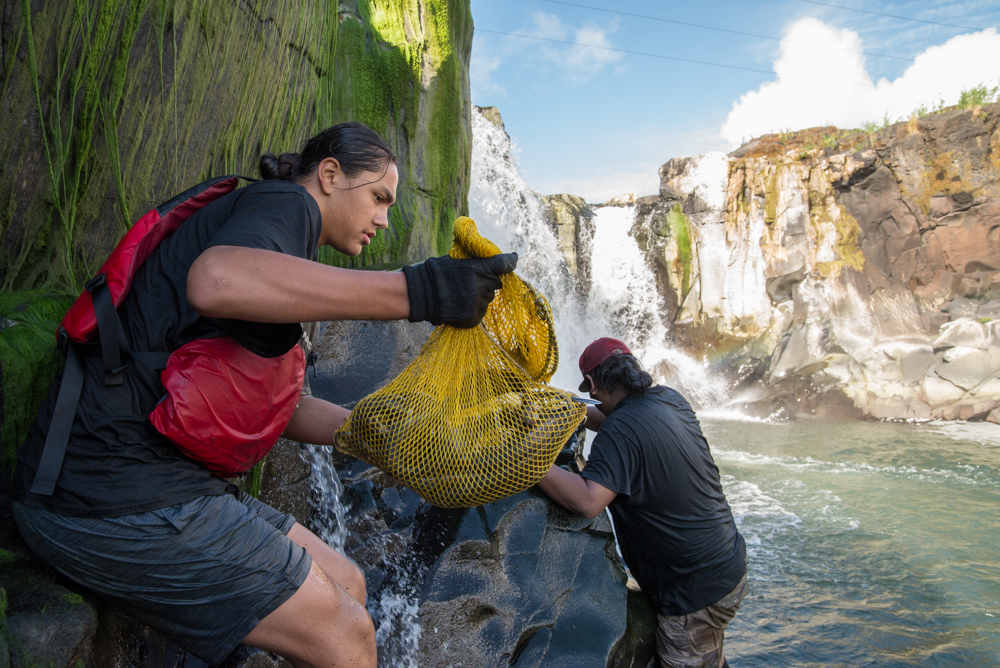
The proposed shift, according to Tanana, represents a regression towards pre-2023 regulatory conditions that placed a disproportionately high burden on tribes to demonstrate substantial capacity, often requiring the establishment of dedicated environmental departments. "There’s such a wide variance in tribes of what resources are available to them," she noted, pointing to disparities in revenue streams, staffing levels, and the presence of formal environmental agencies, which can range from a single individual to a larger team. This variance means that a requirement for extensive demonstrated capacity could effectively exclude many tribes from meaningful participation in the environmental review process.
During the Biden administration, tribes actively advocated for a baseline rule that would grant all tribes some level of input in federal project reviews, even while pursuing TAS status. However, significant industry opposition surfaced during the public comment period for that initiative. Coupled with a change in presidential administration following the 2024 election, this led to the withdrawal of the proposed tribal baseline water quality standards rule by the EPA in December.
Patrick Hunter, a senior attorney at the Southern Environmental Law Center, provided context on the limited impact of existing tribal review powers, noting that out of approximately 7,500 projects submitted during the Biden administration, fewer than 1% were ultimately denied. The vast majority of projects were approved, often with specific conditions attached, such as the implementation of mitigation measures or the installation of sediment traps to minimize water pollution during construction phases. Tanana confirmed that outcomes from tribal reviews under the previous framework mirrored this trend, indicating a collaborative rather than obstructive approach by tribal authorities.
The EPA’s own 2025 report on tribal consultations starkly documented widespread opposition to the proposed changes among tribal governments. "The clear feedback from the tribes was, ‘Don’t change it,’" Tanana stated, relaying the consistent message from tribal leaders. "‘You’re going to make it harder for us to exercise our sovereignty to protect our waters and protect our community.’" This sentiment reflects a deep-seated concern that the proposed revisions will erode tribal sovereignty and undermine their inherent responsibility to steward the lands and waters entrusted to them.
A 30-day public comment period on the proposed rule is currently open, inviting input from all stakeholders. Following the finalization of the rule, it is widely anticipated that the EPA’s decision will face legal challenges from tribal nations and environmental organizations. Gussie Lord, head of tribal partnerships at Earthjustice, articulated the profound connection tribes have to their natural resources, stating, "Tribes have an obligation to care for the rivers and waterways that have sustained their communities since before the existence of the United States and are weighing every option to protect their way of life." This commitment underscores the high stakes involved in the EPA’s proposed regulatory shift, which could have far-reaching implications for environmental justice, tribal sovereignty, and the protection of critical water resources across the nation. The proposed changes raise critical questions about the balance between economic development and the fundamental rights of indigenous peoples to safeguard their ancestral lands and waters, a balance that has been a persistent point of contention in environmental policy and law.