Rocky Georgio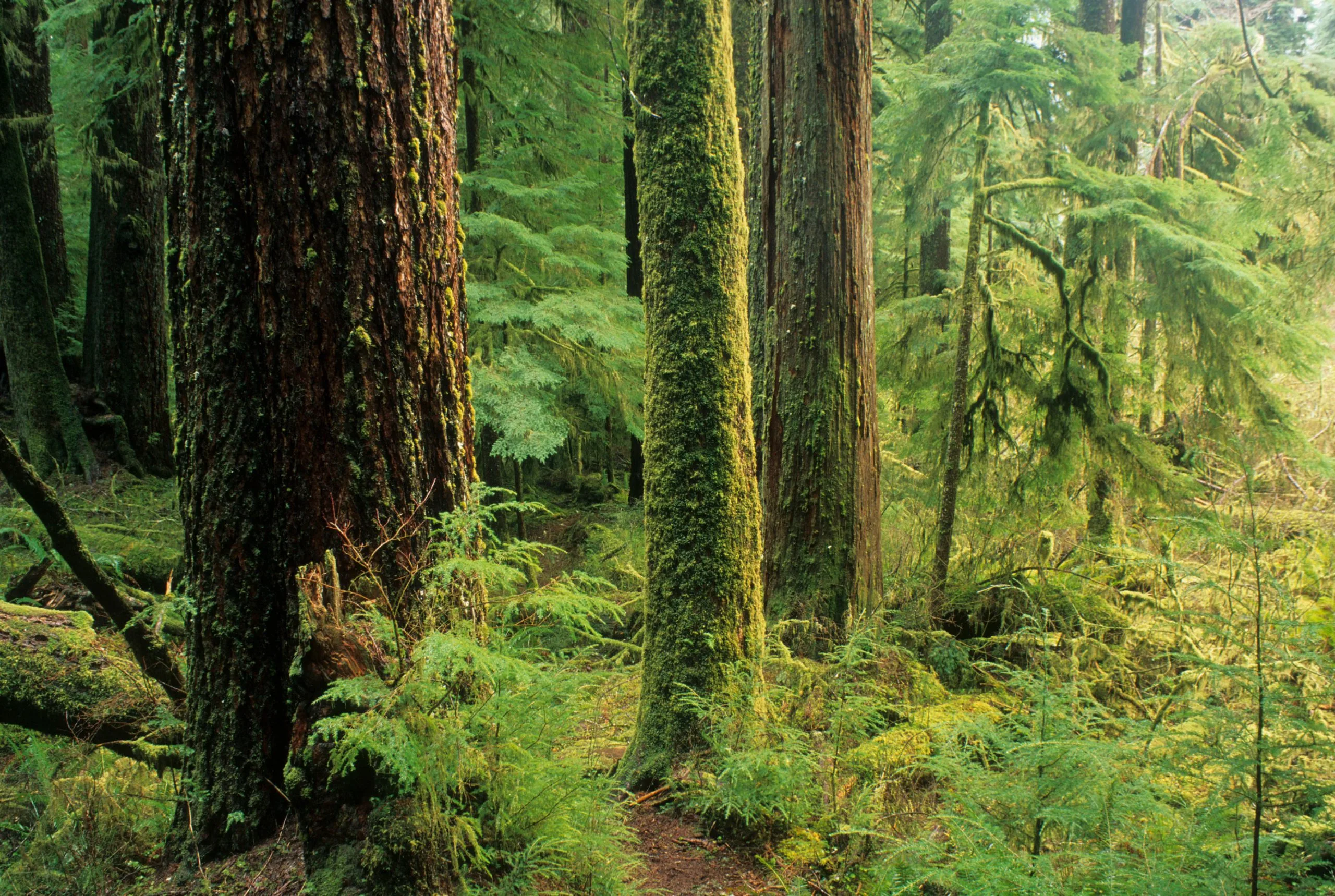
Nick Hazelton, a 27-year-old yak farmer from Polk County in northwest Oregon, finds solace and inspiration in the towering old-growth forests surrounding his home, particularly in areas like the Valley of the Giants. These ancient stands of Douglas fir and hemlock, some predating European settlement by centuries, are managed by the Bureau of Land Management (BLM) as "areas of critical environmental concern," offering Hazelton a glimpse into what a truly mature forest ecosystem can be. He observes that these woodlands are far more than just timber farms; they are vibrant habitats supporting diverse wildlife, including bears that utilize the rich understory of ferns, mosses, and salmonberry.
However, the future of these cherished landscapes, and millions of acres of public forestland across western Oregon, hangs in the balance following a recent notice from the BLM. On February 19, the agency announced its intention to revise resource management plans for approximately 2.5 million acres, signaling a potential move towards "historically higher levels of production" in timber harvesting. This revision encompasses not only areas like the Valley of the Giants but also aims to address wildfire risks and align with executive directives aimed at boosting domestic timber output. The BLM’s proposed reevaluation extends to all "areas of critical environmental concern" within the checkerboard of public lands it has managed for timber since 1937, a practice that peaked in the 1960s with annual harvests exceeding one billion board feet.
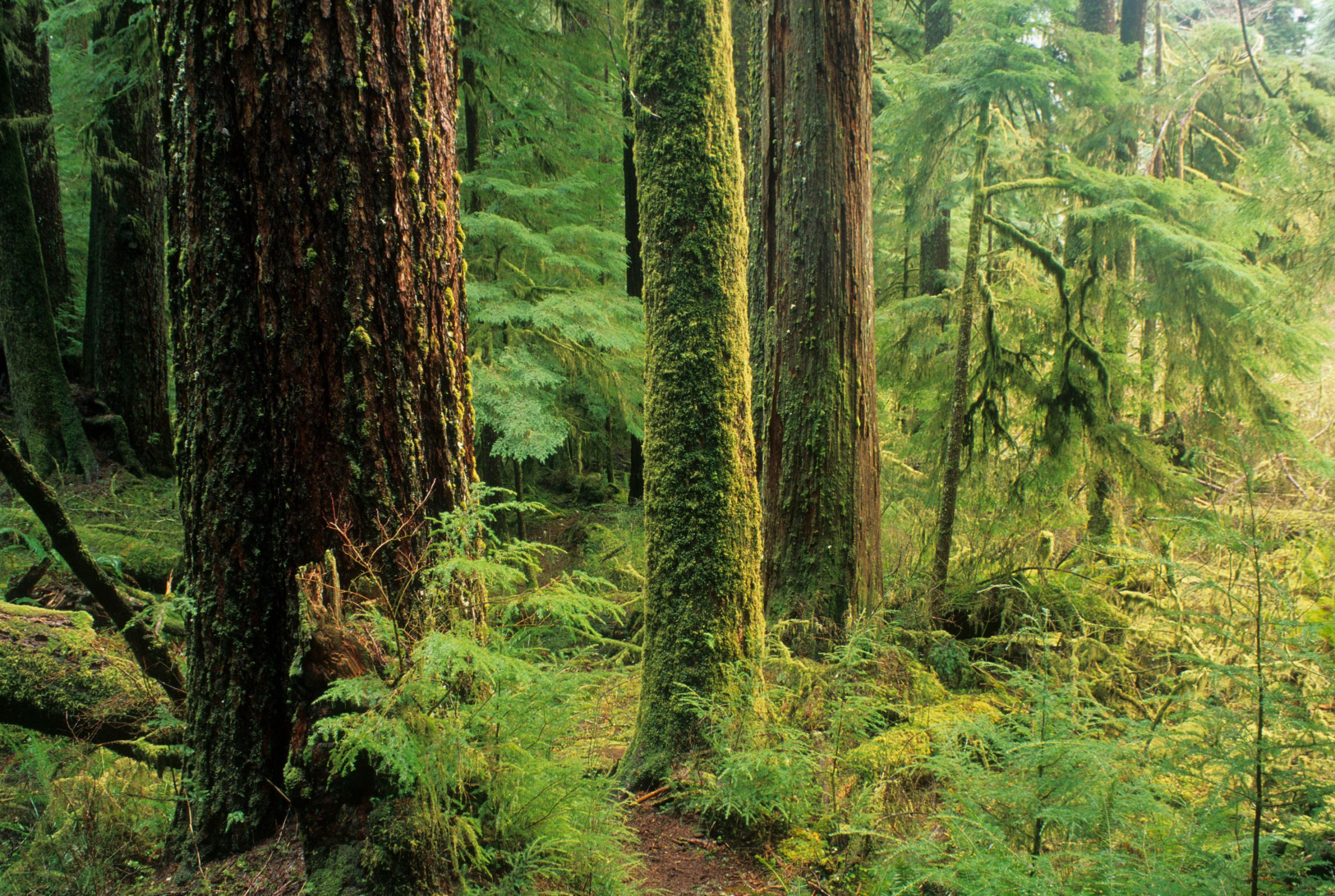
Ed Shepherd, a retired BLM employee who held various leadership roles, including state director, reflects on the intensity of logging during that era. Now serving on the board of Forest Bridges, a nonprofit advocating for active forest management, Shepherd acknowledges the historical scale of timber extraction. He notes that harvesting dramatically decreased in the 1990s with the implementation of the Northwest Forest Plan, a landmark piece of legislation enacted to protect endangered species such as the Northern spotted owl and the marbled murrelet, a seabird reliant on old-growth forests for nesting. Western Oregon BLM lands operated under this plan until 2016, when the current management frameworks were established.
Susan Jane Brown, principal at Silvix Resources, an environmental law firm, argues that the current management plans offer less robust protection than their predecessor. She characterizes the recent management approach as involving "a lot of old-growth logging and really heavy thinning," with its aquatic conservation strategy significantly weakened. In response, conservation groups have engaged in numerous legal challenges against timber sales over the past decade.
Oregonians are currently grappling with fundamental questions about the extent of logging and thinning they deem acceptable and whether they have confidence in the BLM’s stewardship. Shepherd, for one, contends that these forests urgently require thinning to mitigate wildfire threats and enhance overall forest health. Scientific consensus, supported by numerous studies, indicates that a combination of thinning and carefully controlled prescribed burns can effectively reduce wildfire severity. Shepherd envisions a return to broader-scale forest management, allowing fires to burn at lower intensities, more akin to historical patterns, and believes the region’s BLM forests could sustainably double last year’s harvest of 267 million board feet.

Hazelton, while not entirely opposed to logging, draws a firm line against the harvesting of old-growth timber in ecologically sensitive areas like Marys Peak and the Valley of the Giants. He contrasts these ancient forests with younger, more densely packed Douglas fir stands, questioning their ecological vitality. He describes these younger forests as "crowded spaces that are really dark," where while coniferous-loving mushrooms thrive, he observes a scarcity of wildlife. Hazelton expresses disappointment that the BLM did not schedule public hearings, instead offering a limited 33-day public comment period, which concluded on March 23, and failed to hold meetings across the 18 affected counties. He asserts that as taxpayers and citizens, they deserve a voice in the management of public lands. A BLM spokesperson, however, stated that the planning process is in its nascent stages and that further opportunities for public input will arise.
The prospect of a timber revival garners support from some local lawmakers who recall the economic prosperity of the intensive logging era. Timber harvests historically provided a significant revenue stream for Oregon counties, a portion of which was directly allocated to them. The downturn in the 1990s plunged many counties into financial difficulties, leading most to opt for federal payments in lieu of diminished timber receipts since 2000. Until recently, counties choosing timber receipts received 50% of the revenue, with the federal government retaining the remainder. A recent change has shifted this to a 75/25 split favoring the county, a move Coos County Commissioner Drew Farmer notes has permanently stabilized his community’s budget, even without an increased harvest. Farmer believes an expanded timber harvest would enable his county to fund essential services such as increasing jail capacity and bolstering police patrols.
However, questions linger regarding Oregon’s capacity to support a substantial logging increase, including mill infrastructure, industry capacity, and available labor. Conversely, proponents like Farmer argue that a resurgence in local logging could help reduce construction costs, particularly for much-needed housing. Brown, however, cautions against oversimplification, pointing to the international nature of the timber market and current trade disputes with key wood-buying nations.

For many Oregonians, the potential economic gains are outweighed by the perceived environmental risks. Conservation groups highlight the BLM’s proposed stream buffer widths, as narrow as 25 feet, which they argue are insufficient to shield waterways from sediment erosion. Jennifer Moss, a resident of Lane County near Eugene and co-founder of Friends of Fall Creek Watershed, expressed alarm upon learning of the BLM’s notice. She believes that disrupting the soil through logging creates opportunities for compaction and degradation, transforming logged areas into "eyesores" that attract illegal encampments and litter. While Moss supports careful selective thinning, she fears that excessive logging could exacerbate wildfire severity. Her perspective is informed by her father, a former BLM forester who resigned in the 1960s due to frustration with what he viewed as unsustainable logging practices. Research from the University of Utah suggests that industrially logged forests are more susceptible to higher-severity wildfires. An analysis of Oregon wildfires in 2020 by OPB and ProPublica found that public lands logged within the past five years experienced wildfires of similar intensity to unlogged lands, while clear-cut private lands burned hotter on average than public lands.
Moss has been actively encouraging public engagement before the comment period’s close. Following this period, the BLM is expected to release a draft plan outlining proposed alternatives, accompanied by an environmental impact statement. The agency is also mandated to consult with 10 affected tribal nations, the U.S. Fish and Wildlife Service, and the National Marine Fisheries Service. Brown anticipates that these federal agencies could determine that a plan significantly increasing logging would jeopardize the survival or recovery of endangered species, potentially leading to protracted litigation. She suggests that in such a scenario, "everyone will sue, and we will let the federal court system decide whether or not this plan is legal."