Rocky Georgio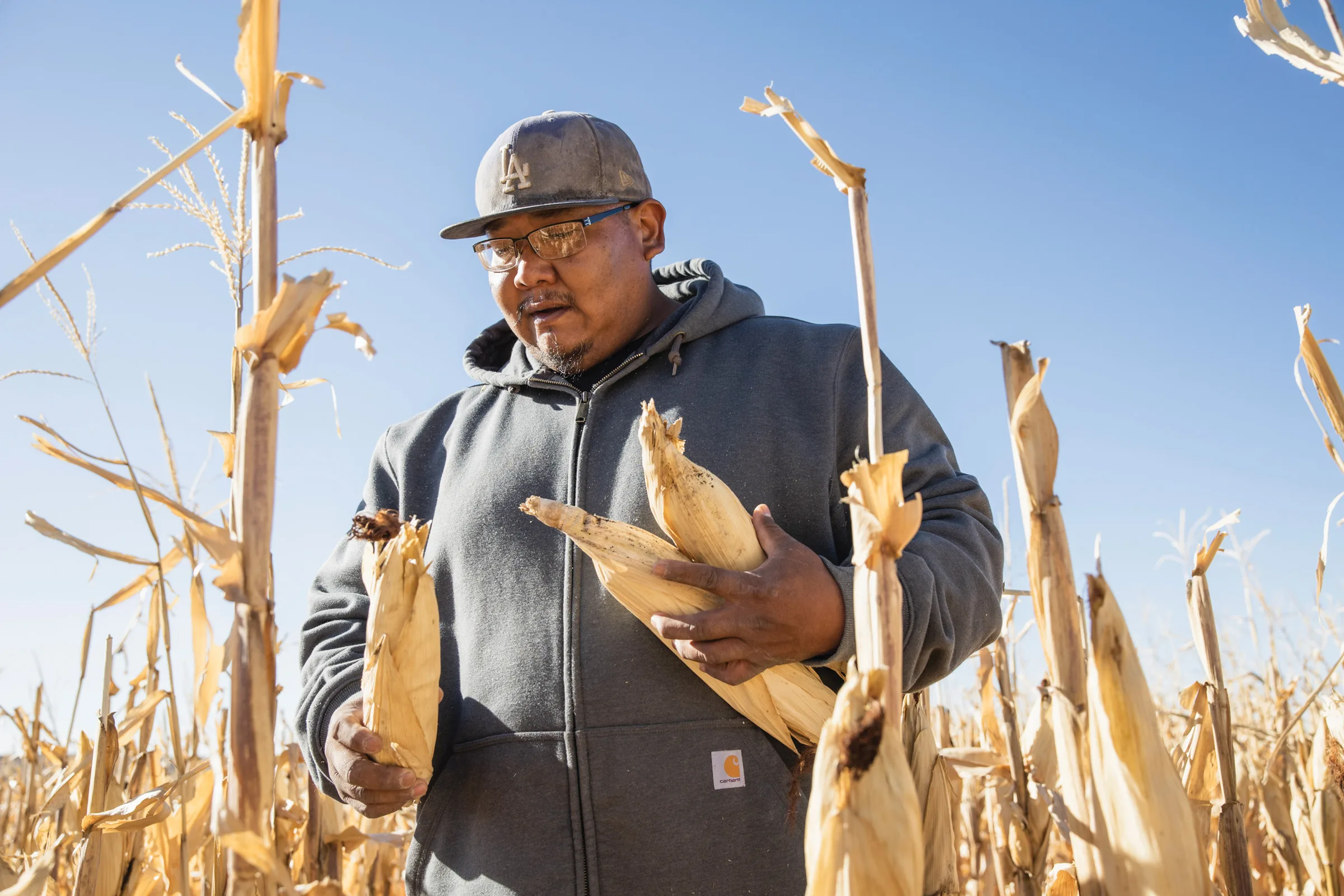
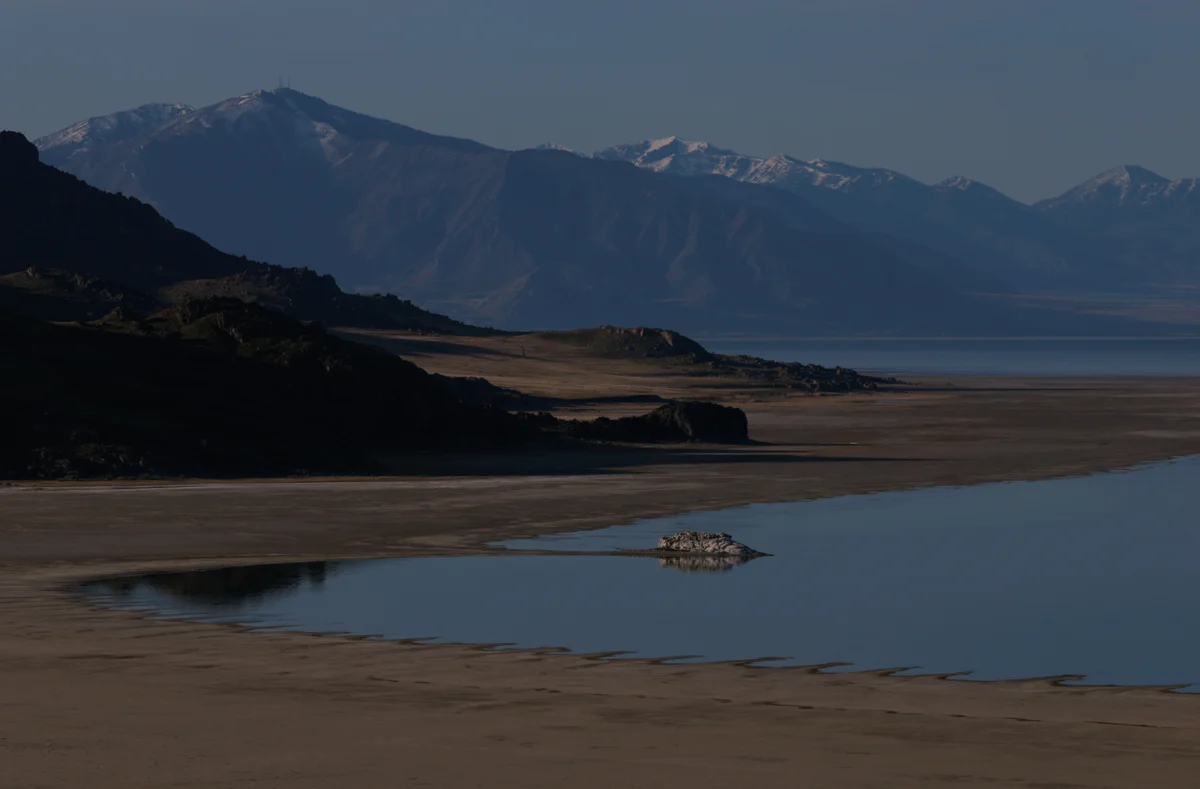
For a century, the Colorado River, the lifeblood of the American West, has been managed in fragmented pieces, governed by intricate legal and political boundaries that divide it into two basins. Each state and community within this vast system has primarily focused on securing its own water supply, often operating in isolation from the river’s broader ecological and hydrological reality. This compartmentalized approach, however, fundamentally misunderstands how a river functions; the Colorado is an interconnected system, its health and vitality inextricably linked to the Rocky Mountain snowpack, rainfall patterns, and subterranean groundwater reserves that feed it. This interconnectedness means that the challenges facing one part of the basin inevitably impact others.
The river’s delicate balance is under increasing and unprecedented stress. As the 21st century progresses, the Colorado River, which has historically sustained the growth and development of the modern American West, now carries approximately 20% less water than its 20th-century average. This dramatic decline is exacerbated by intensifying heatwaves and prolonged drought conditions, raising the stakes for all stakeholders. The continued failure to acknowledge the severity of these changing climatic conditions, coupled with a management strategy that prioritizes individual needs over the collective well-being of the entire river system, and inadequate long-term planning for inevitable water shortages, places the future of the entire Colorado River Basin at significant risk.
Over the past five years, this investigation has documented the intricate ways in which farmers across the Colorado River Basin are navigating the complex landscape of water scarcity and profound uncertainty. This journey has been further complicated by deep-seated political divisions surrounding the river’s future management. This project, titled "American Adaptation," delves into the realities faced by three distinct agricultural communities whose very survival is imperiled by the shrinking river. By examining their experiences, we gain insight into the human consequences when policies and water management strategies struggle to keep pace with the accelerating realities of a changing climate.

In one of the river’s northern watersheds, the Ute Mountain Farm and Ranch Enterprise is actively adapting its operational strategies as the water sources it relies upon become increasingly unpredictable. Moving south, in central Arizona, farmers have been compelled to return to groundwater wells after becoming among the first communities to experience a complete cutoff of their surface water supply due to the basin-wide shortage. Further west, in California’s Imperial Valley, where farms receive the largest water allocation from the river, agricultural producers are facing mounting pressure to share the burden of the escalating water scarcity.
Collectively, the stories from these communities illuminate the profound stakes involved in the ongoing negotiations over the river’s future management, highlighting the rising tensions among various stakeholders. States, tribal nations, and the federal government are now confronting the legacy of a century of water infrastructure development, built upon the flawed assumptions of perpetual abundance and continuous expansion. These long-held beliefs, embedded in legal frameworks and water management policies, are now colliding with the stark reality of a river that is delivering far less water than anticipated. This confrontation raises complex and urgent questions about the sustainable capacity of the Colorado River, how its dwindling water should be allocated and utilized, and, crucially, who will bear the inevitable burden of necessary cutbacks.

When Water is Uncertain: Towaoc, Colorado, at the foot of Sleeping Ute Mountain
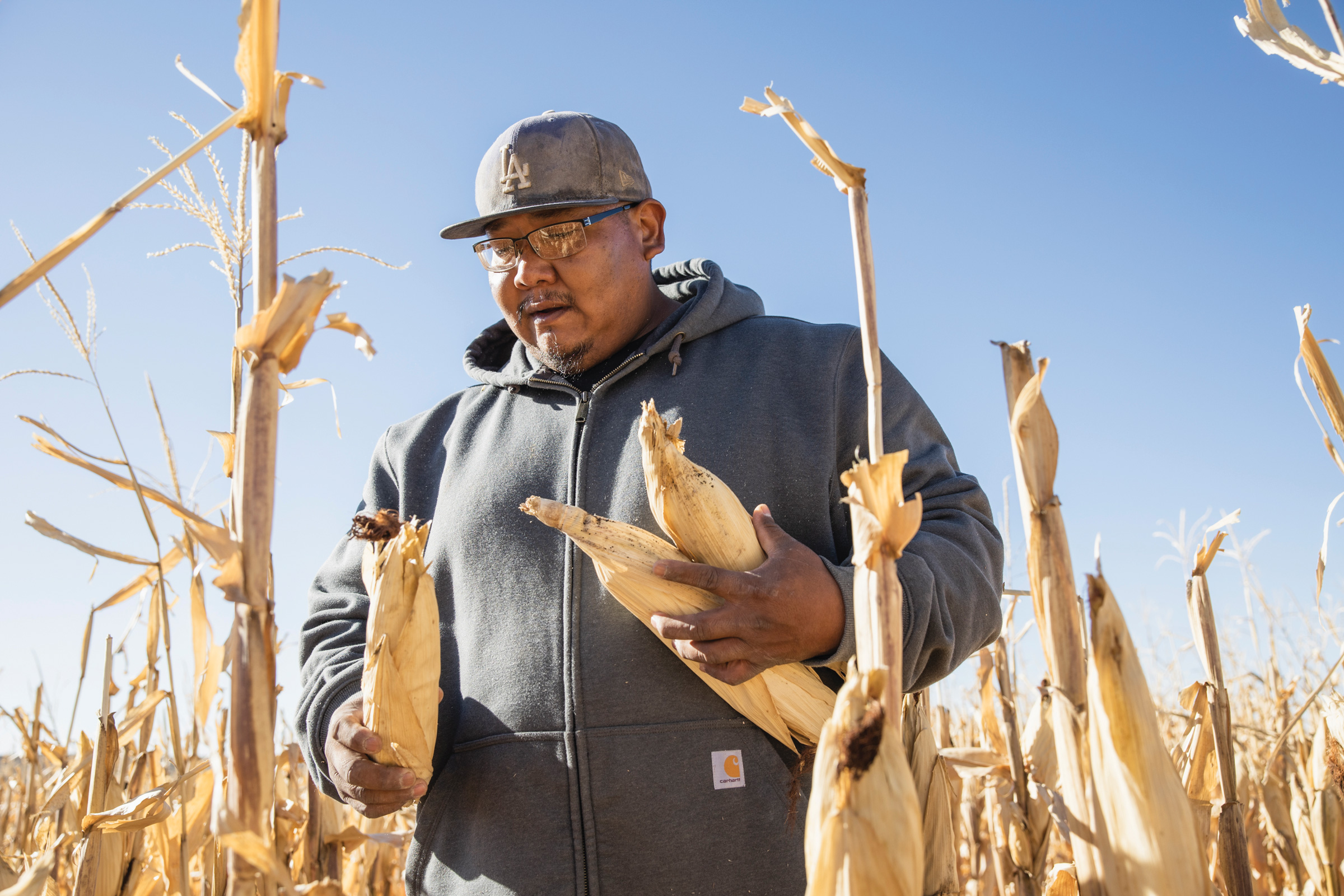
On 7,600 acres of land painstakingly reclaimed from desert brush, the Ute Mountain Farm and Ranch, a tribally operated enterprise of the Ute Mountain Ute nation, cultivates cattle, alfalfa, corn, and wheat. The farm’s operations are guided by Simon Martinez, Eric Whyte, and Michael Vicente, individuals deeply connected to the enterprise through personal history and dedication. Martinez himself played a role in the construction of the dam that created the reservoir supplying the farm’s water, while Whyte was instrumental in clearing desert brush and meticulously mapping out the placement of the fields. Vicente, as the lead irrigator, possesses an intimate understanding of the operation, accounting for every single drop of water utilized.

In years of ample water, the farm’s distinct circular fields burst forth in vibrant, verdant displays. However, the past decade has brought increasingly erratic and unreliable access to water. Each spring, the local irrigation district assesses the snowpack runoff in the Rockies and the water reserves held in the nearby McPhee Reservoir to determine potential water allocations. In 2021, the farm received a meager 10% of its usual water allocation, forcing it to leave an staggering 6,000 acres unplanted. The following year, water deliveries improved to 30%, and in the subsequent year, it reached 34%. This figure was augmented to 50% through the farm’s proactive efforts to lease water shares from other users, demonstrating their commitment to maximizing available resources.
To ensure their continued operation, the farm’s leadership has implemented a series of adaptive strategies. Annually, they develop multiple contingency plans to address various potential water scenarios. They actively pursue grant funding to support their initiatives, have installed low-flow nozzles throughout their irrigation systems to enhance water efficiency, and have implemented small-scale hydropower generators. Furthermore, they have partnered with a Land Institute pilot program to test and cultivate crops that require significantly less water, seeking innovative solutions for a changing environment.

"We still haven’t thrown the towel in," stated Simon Martinez, reflecting the farm’s resilience. "Nobody ever thought, when the reservoir was built, that there wouldn’t be enough water to supply the farms that have been put out here. It’s not only us; it’s happening all through southwestern Colorado."
The impact of low-water years is starkly evident. Unplanted fields are quickly reclaimed by encroaching brush and scrub. Rehiring and retaining employees during dry spells proves to be a significant challenge, as skilled labor becomes scarce. During prolonged periods of heat and drought, farms dependent on the basin’s numerous smaller reservoirs face heightened vulnerability. With the increasing frequency of dry years, the long-term sustainability of the Ute Mountain Farm and Ranch Enterprise, despite the farmers’ unwavering determination to adapt, remains uncertain.

When Water Disappears: Pinal County, Arizona, in the Sonoran Desert
Hundreds of miles to the south, in the arid landscape of Pinal County, Arizona, Will Clemens manages his uncle’s 2,100-acre farm, which specializes in cultivating cotton, alfalfa, and Bermuda grass. Farmers in this region benefit from a year-round growing season, though it is often punctuated by intense dust storms and the dramatic summer monsoons.

Before the advent of Colorado River water, wells served as the sole water source for agriculture in this challenging environment. Up until the 1980s, farmers drew their water from deep underground aquifers, a practice that unfortunately led to significant land fissures, widespread subsidence, and the eventual drying up of wells. The completion of the Central Arizona Project provided crucial relief, delivering imported river water to farmers. This water, however, was classified as lower priority and thus became the first to face cuts during times of shortage. Deliveries continued uninterrupted until 2022, when critically low water levels at Lake Mead triggered federal mandatory reductions, leading to the loss of surface water access for farms in central Arizona. In response to this crisis, Clemens’ local irrigation district initiated the drilling of a dozen new groundwater wells.
"I’ve been asking myself, does America really need to be in the agriculture industry?" mused Arnold Burruel, Clemens’ uncle, a sentiment reflecting the profound existential questions facing the region’s farmers.

Without the consistent flow of the Colorado River, Clemens and his neighboring farmers have witnessed the water levels in the canals recede. In some instances, their irrigation district struggles to fulfill farmers’ water orders or must impose water cutoffs before fields are fully irrigated. The increased reliance on groundwater raises critical questions about future sustainability, particularly as large swaths of Arizona lack legal limitations on groundwater pumping. Even in areas with legally protected groundwater resources, the goal of balancing annual extraction with natural replenishment, set in the 1980s for completion by 2025, has fallen short.
The precarious situation has prompted some central Arizona farmers to sell or lease their farmland to solar energy developers, as water resources dwindle and the demand for renewable energy grows. Just a short distance from Clemens’ farm, vast, sleek black grids of solar panels now gleam adjacent to fields of green alfalfa. For years, Arnold Burruel has been engaged in discussions with a solar developer regarding the sale of his land.

"I’ve been asking myself: Does America really need to be in the agriculture industry?" Burruel stated. "America is not totally enamored with agriculture when it comes to pesticides, herbicides, groundwater, GMOs – all of the above. We are at a crossroads. Are we going to continue to farm the way we are farming and heavily subsidize growers that can’t make ends meet? Society has to come up with an answer."
When Water is Abundant: Imperial Valley, California, just north of the Mexican border

From an aerial perspective, the All-American Canal forms a striking blue line, bisecting the vast expanse of the Algodones Dunes. This canal, one of the largest of its kind globally, is fed by the Imperial Dam, which diverts an astonishing 6.8 million gallons of water per minute from the Colorado River. This colossal canal serves as the sole water source for an immense 500,000 acres of farmland in the Imperial Valley. The farms within this region are protected by some of the most senior water rights along the Colorado River, affording them a low risk of water allocation cuts and ensuring consistent deliveries from Lake Mead, the largest reservoir in the United States. During the sweltering summer months, the sun beats down relentlessly on the valley’s dusty, flat horizon, with temperatures frequently soaring above 100 degrees Fahrenheit. Despite decades of persistent drought and escalating water scarcity throughout the wider basin, water has continued to flow uninterrupted to the Imperial Valley.
"I have a responsibility for the people who work here to make sure we survive," declared fourth-generation family farmer Jack Vessey, who manages a 10,000-acre produce operation and possesses an intimate understanding of the valley’s intricate canal system. Growing up, Vessey recalls searching for places to swim on hot summer days, a testament to the region’s heat and the abundant water that once characterized it.

"We take water seriously," Vessey emphasized, noting the farm’s adoption of sprinkler systems, which offer greater efficiency compared to traditional flood irrigation methods. In recent years, the Imperial Irrigation District has joined other communities across the basin in voluntarily reducing water usage through 2026, a decision made in exchange for federal funding. The district received compensation at a rate several hundred dollars per acre-foot higher than other participants. However, as the federal funding allocated for Western water initiatives by the Biden administration is progressively drawn down, the availability of funds for future voluntary water conservation agreements remains uncertain.
Vessey acknowledges the mounting pressure on the Colorado River and the agricultural sector within the Imperial Valley. Nevertheless, he stresses that the local community has historically contributed to water conservation efforts and remains fiercely protective of its water rights.

"I have a responsibility for the people who work here to make sure we survive," he stated. "I have to be a little selfish at some point and say, ‘Keep giving us the water we need.’ I know we’ve got to do our part, but I can look in the mirror and say we are not wasting water, we are growing food people need. If it wasn’t for that canal coming off the Colorado River, this would just turn to desert."