Rocky Gerung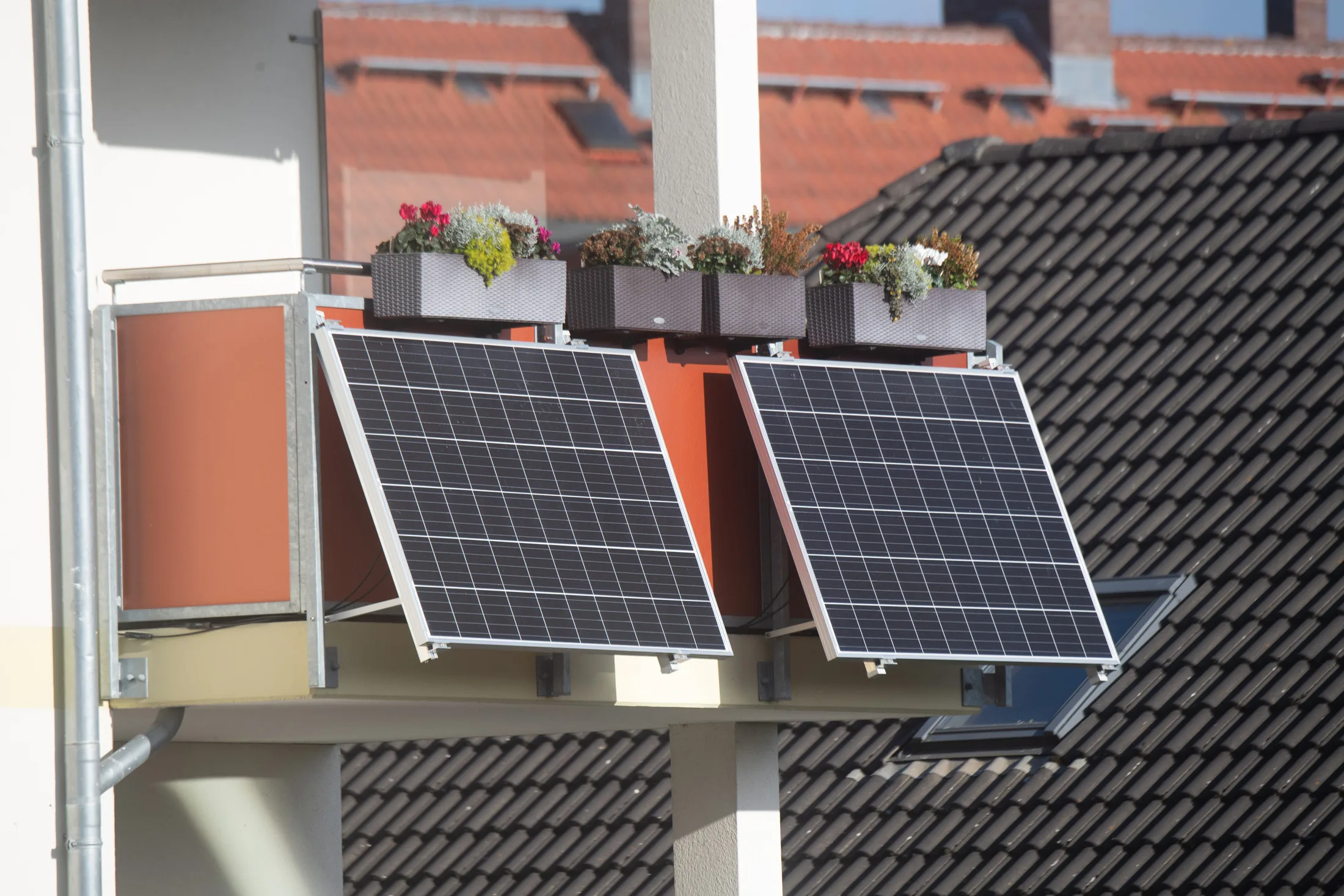
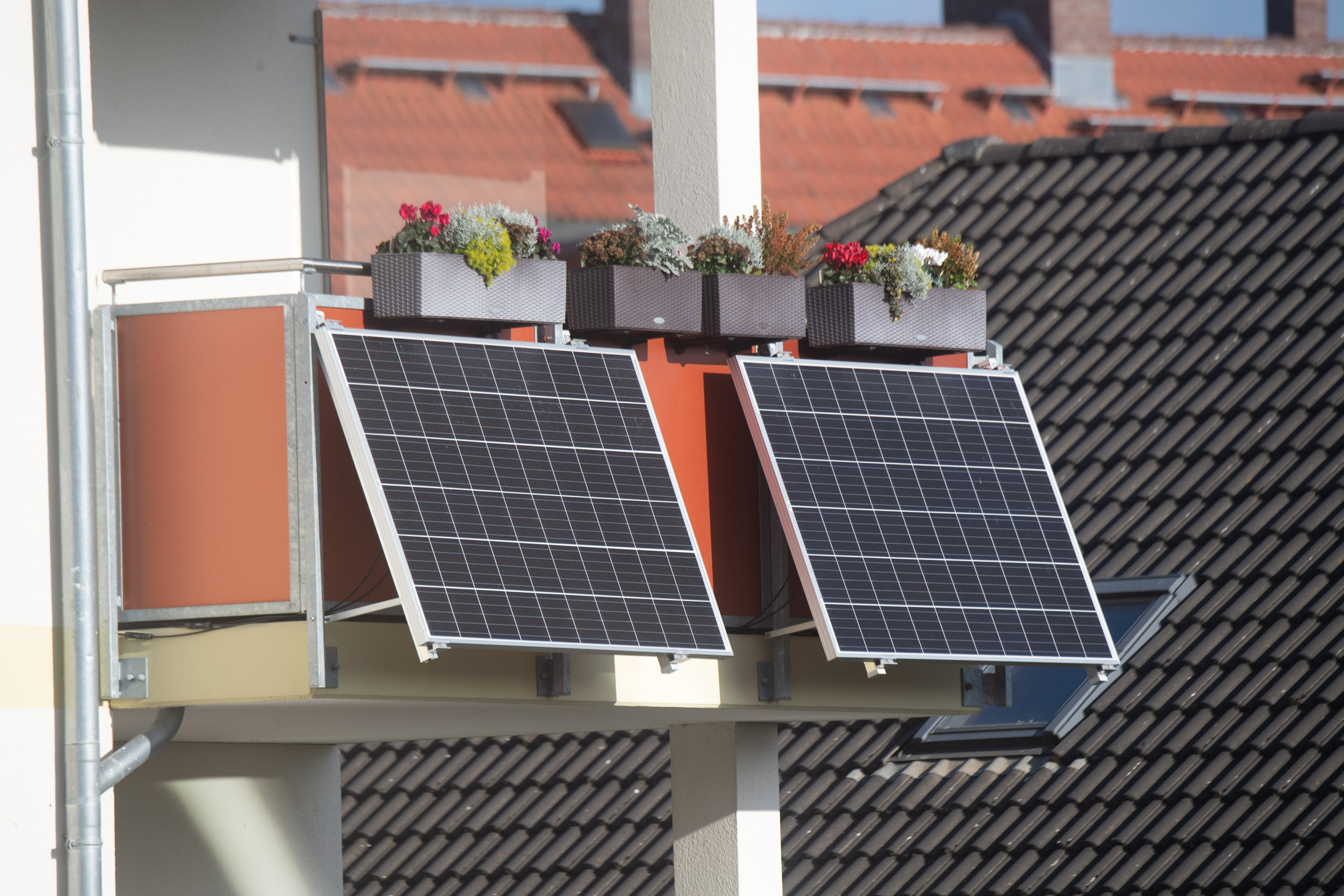
Last October, while visiting her husband’s family in Germany, Colorado State Representative Lesley Smith encountered a novel sight: a compact solar panel affixed to an apartment building balcony. This glimpse of what is known as plug-in solar, a technology common in Germany with an estimated 4 million units installed, sparked a realization for Smith. In Germany, these systems, typically comprising one or two solar panels connected to a microinverter and plugged directly into a household outlet, are a simple yet effective way to generate supplemental energy. They can offset between 15% and 20% of a household’s energy consumption, offering cost savings and environmental benefits. The relatively low cost, in the hundreds of dollars, and ease of installation make them accessible to both homeowners and renters. However, the United States has lagged in adopting this accessible form of solar energy due to a complex web of regulatory and market barriers.
This regulatory landscape may be shifting, as lawmakers in 27 U.S. states have introduced legislation this year to enable plug-in solar adoption. Representative Smith is among them, championing efforts in Colorado. Cora Stryker, co-founder of Bright Saver, a prominent advocacy group for plug-in solar, highlights its particular relevance in the Western United States. The region’s abundant solar potential, coupled with rising electricity costs, makes plug-in solar an attractive solution for residents seeking to reduce their energy bills and environmental impact. Legislation has been introduced in several Western states, including Alaska, Washington, Oregon, Idaho, Wyoming, California, Arizona, Colorado, and New Mexico. As of late February, however, bills in Washington, Arizona, Wyoming, and New Mexico had not advanced in their respective legislative processes.
The Western region has indeed taken the lead in exploring balcony solar solutions. Representative Smith and her colleagues have largely modeled their proposed legislation on a pioneering law passed unanimously in Utah last year. Utah’s groundbreaking legislation effectively removes significant bureaucratic hurdles by exempting plug-in solar devices from costly and time-consuming permitting requirements, such as the mandatory interconnection agreements that rooftop solar installations typically require with local utilities. Furthermore, the Utah law establishes clear wattage limitations for these systems, absolves utilities of liability for installations performed by individuals on their own property, and mandates that all units must adhere to a recognized national electrical safety standard.
In Utah, the impetus for this legislative action stemmed from a philosophy of minimizing governmental interference in individual energy choices. Republican State Representative Raymond Ward, who introduced Utah’s law, articulated this sentiment, stating, "Everybody that wants one should be able to buy one." He further noted that in regions with particularly high electricity prices, such as Alaska and California, the initial investment in plug-in solar could be recouped even more rapidly through energy bill savings, with payback periods potentially as short as five years, mirroring the experience of users in Germany.
Representative Smith, a Democrat, envisions that as state regulations become more conducive, manufacturers will be incentivized to develop and offer a wider range of plug-in solar products, making them readily available for consumers. "Right now, one cannot go to a Costco or Home Depot and get their own system," she observed, despite a clear eagerness from her constituents to embrace this technology, with some already resorting to purchasing or DIYing their own plug-in kits. Smith believes that the widespread passage of such legislation across the U.S. would significantly stimulate market development and product availability.
The appeal of these legislative proposals is further enhanced by their lack of reliance on public subsidies or government funding, a factor that advocates like Stryker believe is crucial for securing bipartisan support. "This is a market-driven solution," she emphasized, adding that the primary objective is to "strip down regulations, make them make sense for these little systems, and then market forces will drive this." This approach positions plug-in solar as an accessible, consumer-led initiative rather than a government-mandated program.
While Utah’s law and similar legislative efforts address permitting obstacles, another critical factor for the widespread adoption of plug-in solar is the establishment of robust product safety standards. UL Solutions, a globally recognized organization, plays a pivotal role in issuing national standards for household electrical products, certifying numerous devices to ensure their safe use and mitigate risks of fire or electric shock.
At the time Utah’s law was enacted in March 2025, a specific UL standard for plug-in solar devices did not exist. However, in January of this year, UL released a preliminary standard outlining safety and certification criteria for these devices. This new standard is currently active for certification purposes, though it is not yet fully finalized. Its existence is a crucial element for the plug-in solar bills being considered across the states this year, as nearly all of them reference the need for compliance with a UL or equivalent national safety standard. While no plug-in solar products have yet undergone certification under this new framework, Ken Boyce, vice president of principal engineering at UL, confirmed that manufacturers can now submit their products for testing and certification.
Despite this progress, some proponents of plug-in solar, including Representative Ward and various industry advocates, argue that the current iteration of the UL standard is overly restrictive and may impede the broad market expansion necessary for the technology’s success. Ward specifically pointed to a UL requirement that an electrician must be involved in the installation process, which he believes undermines a core principle of the legislation he championed: enabling individuals to simply plug in the device and use it akin to other common household appliances like a mini-fridge. Ken Hutchings of CraftStrom, a plug-in solar company based in Houston, also expressed concerns regarding certain aspects of the standard, including its limitations on home battery capacity. Hutchings indicated that CraftStrom intends to seek certification under the standard once it is finalized, but in the interim, the company will certify its products under existing standards applicable to individual components such as inverters.
Hutchings offered a nuanced perspective on the UL standard’s potential impact: "Done well, (the UL standard) could give regulators and utilities a clear framework and reduce uncertainty," he stated. Conversely, he cautioned, "Done poorly, it could constrain useful storage capacity and add cost and friction in ways that slow adoption of otherwise safe plug-in solar solutions." The successful implementation of these standards will therefore be critical in determining the pace and scope of plug-in solar’s integration into the U.S. energy landscape. As state legislatures continue to deliberate on these measures, the path toward more accessible and widespread solar energy generation for individual households appears to be gaining momentum, driven by both consumer interest and evolving regulatory frameworks.