Rocky Gerung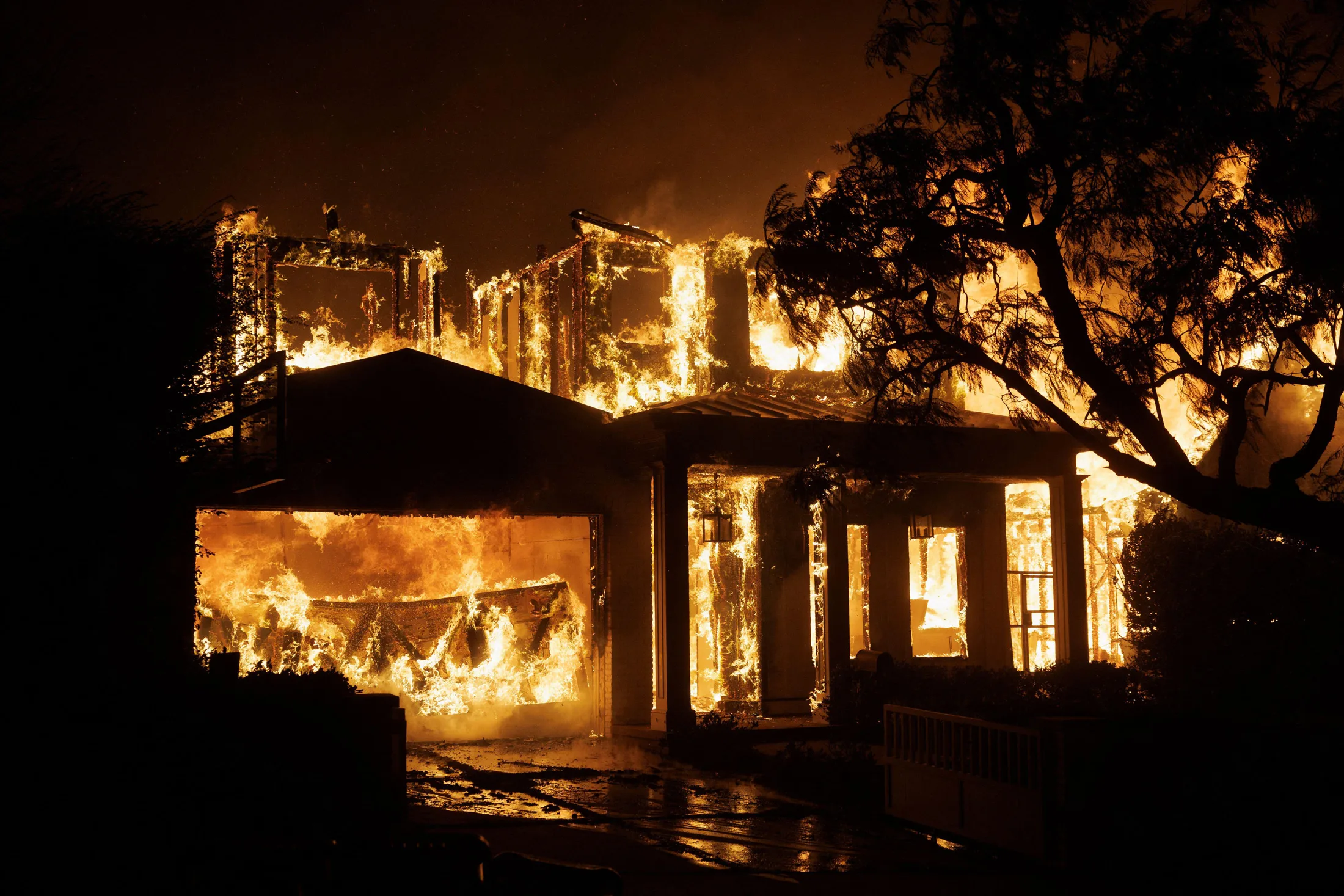
Two Washington residents filed a groundbreaking lawsuit last November, accusing major petroleum corporations of knowingly misleading the public for decades about the detrimental impact of fossil fuels on the global climate and the subsequent rise in extreme weather events. This legal action represents the latest salvo in an escalating wave of litigation targeting the fossil fuel industry, often referred to as "Big Oil." What distinguishes this particular case is its novel approach to damage claims: the plaintiffs assert that increased carbon emissions from the burning of fossil fuels have directly intensified extreme weather phenomena, including hurricanes, wildfires, floods, and heatwaves, thereby escalating insurance premiums and precipitating a widespread homeowners insurance crisis.

The frequency and severity of climate-related disasters have demonstrably surged in recent years, inflicting billions of dollars in damage and inevitably triggering a sharp increase in insurance costs. This escalating financial burden has eroded the profitability of insurance companies, compelling them to raise premiums at a rate significantly exceeding general inflation, particularly in regions susceptible to natural disasters. Consequently, many insurers are withdrawing from high-risk areas, specifically those with elevated wildfire potential, by canceling existing policies or refusing to renew them altogether. This trend exacerbates housing affordability issues in areas already grappling with economic challenges, disproportionately affecting lower-income families. The housing market itself faces further headwinds, as obtaining or maintaining insurance becomes prohibitively expensive or entirely unattainable. Conversely, the implementation of higher premiums in riskier locales could potentially deter development in vulnerable zones, such as the wildland-urban interface.
While the courts will ultimately determine the accountability of the fossil fuel industry, empirical data unequivocally demonstrates a direct correlation between a warming planet and escalating insurance expenses. A 2024 Senate Budget Committee report underscores this reality, stating, "One thing is certain: Unless the United States and the world rapidly transition to clean energy, climate-related extreme weather events will become both more frequent and more violent, resulting in ever-scarcer insurance and ever-higher premiums." The report further emphasizes the broader economic implications, declaring, "Climate change is no longer just an environmental problem. It is a looming economic threat."

Between 2018 and 2022, climate-related disasters inflicted an estimated $114 billion in damages, with approximately $80 billion of that total being insured. Early last year, an analysis conducted by the U.S. Department of the Treasury’s Federal Insurance Office revealed a stark trend: the number of disaster declarations attributed to climate-related incidents during that five-year span had doubled the national 50-year average, highlighting the accelerating pace of these events. This surge in claims has strained the capacity of the homeowners insurance market.
During the 2018-2022 period, average homeowners insurance premiums nationwide rose by a significant 8.7% more than inflation. However, residents in disaster-prone areas experienced considerably larger increases, provided they could still secure coverage. For instance, the devastating Eaton and Palisades fires in the Los Angeles area in January 2025 resulted in the destruction of 16,251 homes and damage to an additional 2,046 properties. The estimated insured losses from these two events alone reached an astonishing $40 billion, a figure four times greater than the $10 billion in insured losses incurred by the 2018 Camp Fire, underscoring the escalating financial impact of extreme wildfires.

In response to escalating catastrophe exposure, major insurers have begun to scale back their operations. In 2024 alone, State Farm canceled nearly 72,000 homeowner, rental dwelling, commercial apartment, and other property insurance policies in California. This move contributed to a broader trend, with insurance carriers having canceled close to 400,000 policies across the state since 2021, signaling a significant contraction in the insurance market for vulnerable regions. State Farm reported paying out claims totaling $5 billion related to the Eaton and Palisades fires, prompting the company to seek an emergency 22% rate hike from state insurance regulators, illustrating the direct financial pressure these events place on insurers.
Despite these mounting losses and the challenges facing policyholders, the financial health of the insurance industry remains robust. In 2024, 22 publicly traded insurance companies collectively reported profits of $36 billion, with their CEOs receiving approximately $220 million in compensation, a stark contrast to the financial strain experienced by homeowners facing rising premiums and reduced coverage options. This disparity raises questions about the industry’s response to climate-induced risks and its commitment to providing affordable and accessible insurance for all.

The interconnectedness of climate change, extreme weather, and the insurance market presents a complex economic and social challenge. As the planet continues to warm, the frequency and intensity of climate-related disasters are projected to increase, further straining insurance systems and potentially leading to widespread uninsurability in some regions. This trajectory necessitates a multifaceted approach, encompassing not only legal accountability for the sources of emissions but also a robust transition to clean energy, enhanced climate resilience measures, and innovative insurance solutions to safeguard communities against the escalating risks of a changing climate. The current situation serves as a potent reminder that climate change is not merely an environmental concern but a profound and escalating economic threat that demands immediate and decisive action on a global scale.