

 Joko Susilo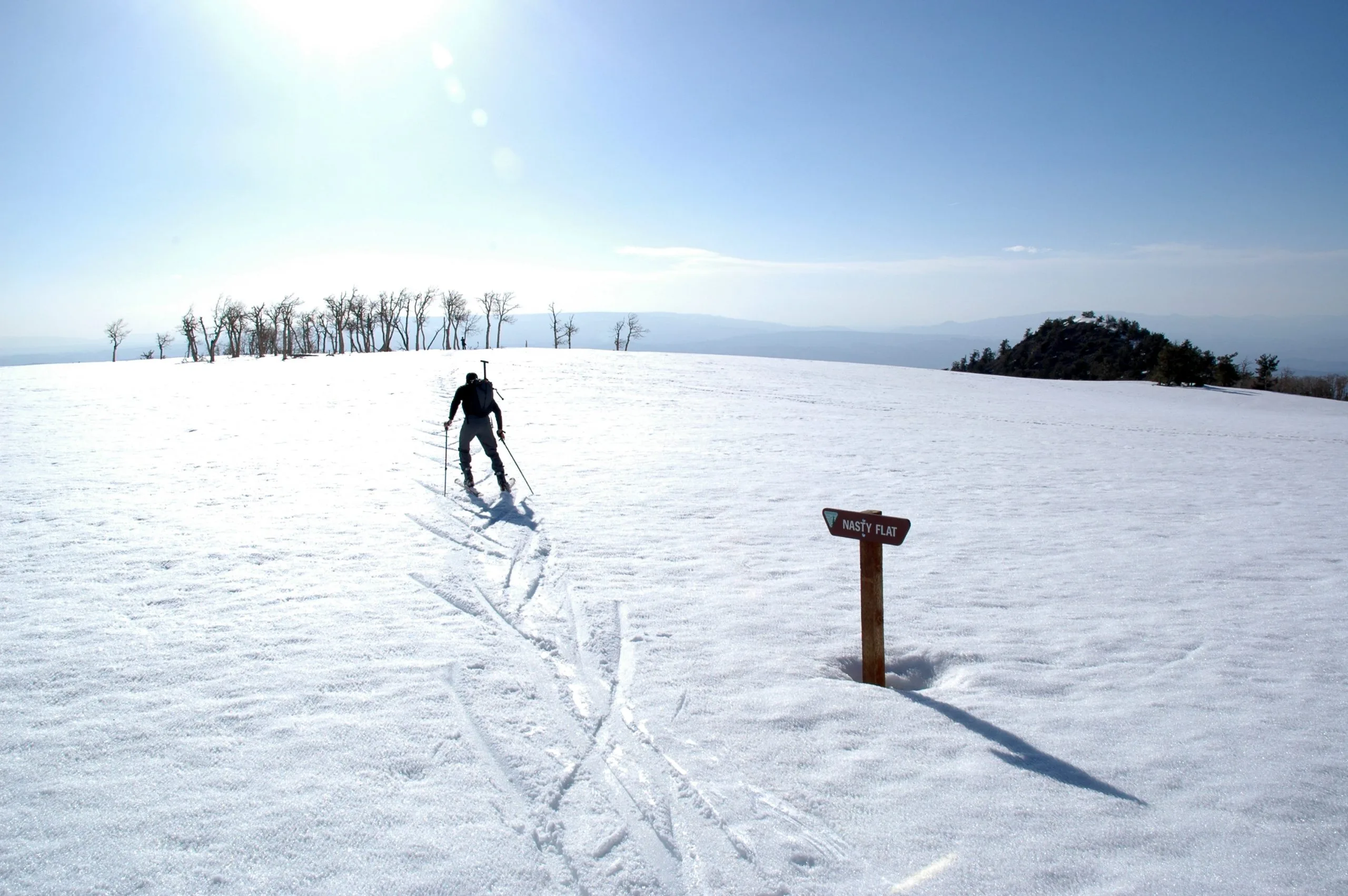
Once a niche pursuit relegated to the most dedicated alpinists, backcountry skiing has exploded into the mainstream, drawing countless enthusiasts away from crowded resorts and into the untracked wilderness. This surge in popularity culminates in a monumental moment for the sport: ski mountaineering, affectionately known as "skimo," is set to make its highly anticipated Olympic debut at the 2026 Winter Games in Milan-Cortina. This marks the first time in nearly three decades that a new sport has been added to the Winter Olympics, shining an international spotlight on a discipline rooted in the very landscapes that have captured the imagination of a new generation of skiers.
The allure of backcountry skiing is multifaceted, offering a profound escape from the commercialized experience of traditional ski resorts. For many, the spiraling costs of season passes and daily lift tickets, coupled with the soul-crushing traffic and interminable lift lines, have made the resort experience increasingly inaccessible and frustrating. The pandemic, too, played a significant role, pushing people outdoors and fostering a desire for solitude and connection with nature that only the backcountry could provide. The quiet trails, once known only to a handful, now bear the tracks of many, all seeking the profound satisfaction of "earning their turns" – climbing uphill on skis before descending through pristine, untouched powder.
Skimo, the competitive evolution of backcountry travel, embodies a remarkable fusion of endurance and technical skill. At the Olympics, a select field of just 36 athletes – 18 men and 18 women – will vie for medals across three events: men’s sprint, women’s sprint, and a mixed-gender relay. Competitors will navigate steep alpine terrain with ultra-light equipment, racing uphill with "skins" attached to their skis for traction, then swiftly removing them to carve breathtaking descents. This demanding format, combining rigorous ascents with rapid, technical downhills, traces its heritage back to early 20th-century alpine military patrols, highlighting a deep historical connection to mountain travel and survival. The Olympic spotlight will showcase skimo as a testament to human athleticism, pushing the boundaries of what’s possible in the alpine environment.

Beyond the competitive arena, the broader appeal of backcountry skiing, including its splitboarding equivalent, has seen remarkable growth across the United States and globally. Industry data from the 2021-22 winter season revealed a substantial jump in participation in "alpine touring," the technical discipline synonymous with backcountry skiing, far outstripping growth in traditional resort skiing and snowboarding. This expansion has been supported by several factors: advancements in gear have made equipment more accessible and capable, a burgeoning culture of skill-sharing and safety education has empowered more individuals, and social media platforms like Instagram have showcased the beauty and freedom of unserviced terrain, inspiring a new wave of adventurers.
However, the magnetic pull of these wild, snow-covered landscapes comes with an inherent, stark reality: backcountry skiing is inherently risky. Unlike controlled resort environments, there are no groomed runs, no snowmaking cannons, and crucially, no avalanche-controlled slopes or ski patrol. Participants assume full responsibility for their safety, necessitating a deep understanding of terrain, snowpack stability, and ever-changing weather patterns. Comprehensive avalanche education and companion rescue training are not merely recommended but are essential. Experienced backcountry travelers routinely complete formal avalanche courses, practice rescue drills with beacons, probes, and shovels, and dedicate seasons to learning how variables like wind, temperature fluctuations, and storm layers interact to create hidden instabilities. Even with extensive preparation, the margin for error remains perilously thin. Avalanches claim dozens of lives across North America each winter, often impacting experienced recreationists. A recent tragic event in Lake Tahoe, where a massive slide trapped 15 backcountry skiers, resulting in multiple fatalities, serves as a grim reminder of the profound dangers involved. The surge in participation, while fostering greater awareness and education, also inevitably leads to increased exposure to these unforgiving conditions. Every tour into the backcountry is, in essence, a negotiation with uncertainty.
The poignant irony, and indeed the looming tragedy, is that this burgeoning passion for wild, snow-clad mountains coincides precisely with a period of unprecedented climatic change threatening the very conditions that sustain them. Climate change is not an abstract concept; it is actively reshaping global winter patterns, upending mountain cultures, and endangering entire ecosystems. Studies commissioned by leading climate institutes and even the International Olympic Committee project a dramatic shrinking of viable winter sports locations globally. Under current emissions scenarios, a significant portion of existing Winter Olympic sites may fail to meet the necessary temperature and snow-reliability requirements for competition by the mid-2050s, severely limiting the pool of potential host cities.
The precariousness of natural snow is already evident. For the upcoming 2026 Milan-Cortina Games, artificial snow has become an indispensable component of staging the events. Entire landscapes in northern Italy have been equipped with extensive snowmaking infrastructure to compensate for unreliable natural snowfall. This technological workaround, while enabling competitions, consumes significant water and energy resources, starkly underscoring the increasingly tenuous nature of winter conditions. Similar challenges are emerging across major mountain ranges worldwide. The Alps, the Rockies, and the Pyrenees are all experiencing shorter snow seasons, higher snowlines, and increased occurrences of rain-on-snow events that rapidly diminish existing snowpack.

In the Western U.S., communities that have historically depended on consistent snowpack for tourism, water storage, and local economies are grappling with record warm winters and prolonged snow droughts. Regions like Colorado, Utah, and Oregon have reported historically low snowpack in recent seasons, with far-reaching implications for municipal and agricultural water supplies, elevated wildfire risk during drier summers, and profound impacts on outdoor recreation economies. These changes are not just statistical anomalies; they represent a fundamental shift in the character of winter.
While the ski industry remains a substantial business, with North America welcoming over 61 million lift visitors in the 2024-25 season, the investments resorts are making reveal a strategy of adaptation against an uncertain future. Hundreds of millions are being poured into summer counter-programming – alpine slides, zip lines, mountain biking trails – and into robust snowmaking systems and new lifts. These adaptations are a hedge, an attempt to buy time and maintain profitability in the face of increasingly unpredictable natural conditions. Resorts are doubling down on artificial snow and comfort amenities, yet the wild snow, the very essence of mountain sports, becomes less reliable. These measures, while pragmatic, do not guarantee the continuation of winters as they have been known.
In backcountry terrain, the stakes are even more immediate and visceral. There are no snowguns, no groomers, only the arduous climb up a skin track and the hopeful promise of pristine powder turns on the descent. This profoundly human-scaled endeavor, a return to something elemental and pure, is precisely what makes it so vulnerable to a warming climate. Shorter snow seasons, more frequent rain-on-snow events that melt existing snowpack, and threats to the delicate alpine ecosystems are eroding the very foundation upon which this sport thrives.
Observers deeply connected to these mountain environments express a profound sense of loss. Many who have found solace and joy in touring quiet roads or tree glades now watch unseasonably warm Februarys unfold, revealing patchy, exposed ridgelines that should be blanketed in deep snow. This experience of witnessing the gradual diminishment of beloved winters evokes a powerful ache, a love for something that feels increasingly fragile. For parents, particularly, the concern extends to the winters their children will inherit, questioning whether future generations will know the same abundance of snow and the opportunities for connection it offers.

The Olympic debut of skimo, while a triumph of athletic endeavor and cultural recognition, simultaneously casts a spotlight on this vulnerability. It is a moment of celebration intertwined with an underlying unease. Winter will not vanish overnight, but each warm season, every snow drought, and every resort’s increasing reliance on technological fixes tells a larger story about the fragility of a cherished season. As backcountry skiing continues its remarkable ascent, and as skimo earns its place on the global Olympic stage, this growth should inspire both joy in its spirit and a profound disquiet about its future. The continued existence of this sport, in its purest form, hinges not just on human endurance and passion, but fundamentally on the climate that makes snow possible – and on the critical choices society makes today to ensure that both current and future generations can continue to climb above treeline and descend into the enduring wonder of the wild winter landscape.







