Joko Susilo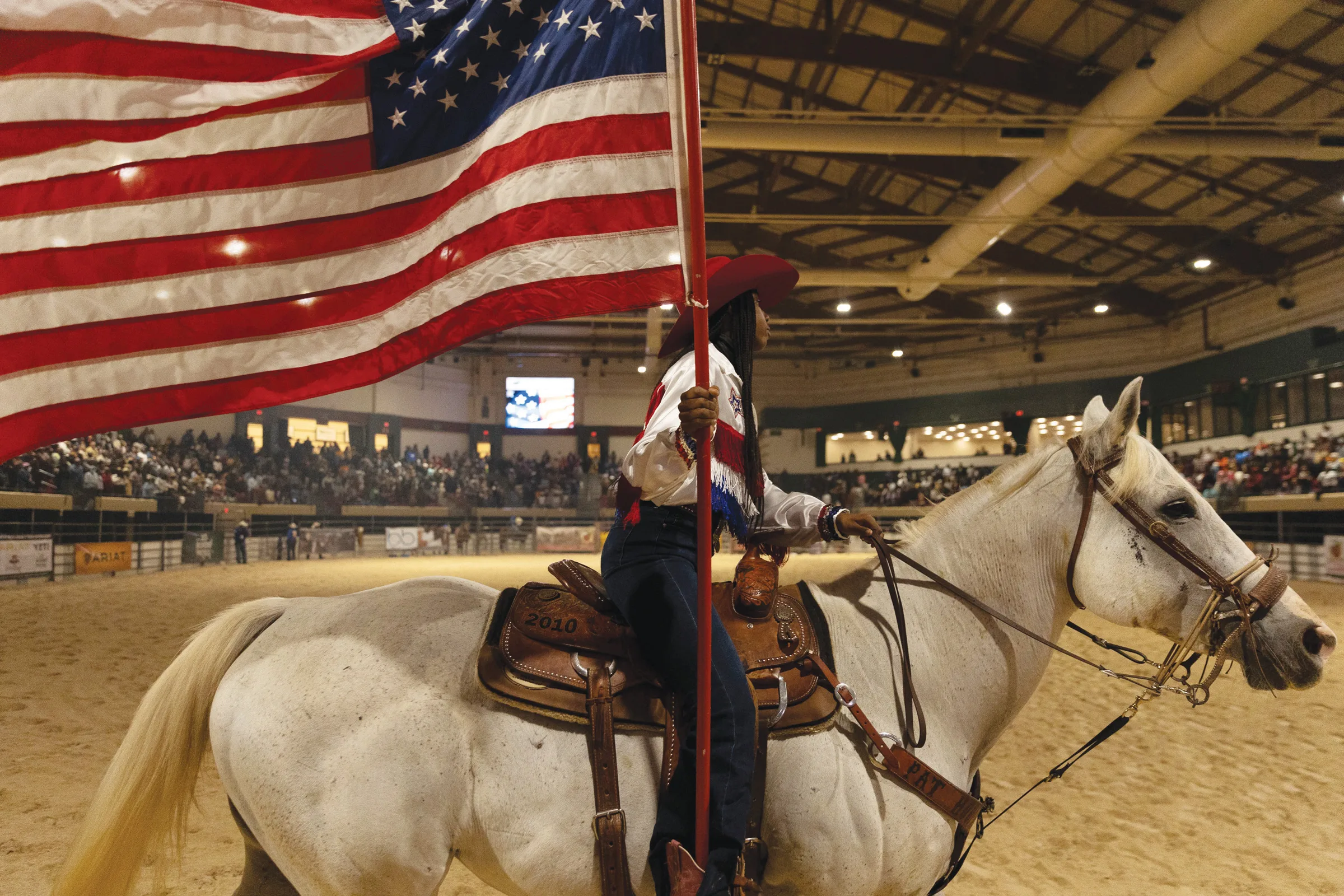
The new Peacock docuseries, High Horse: The Black Cowboy, delivers a powerful and long-overdue re-examination of the American West, landing with profound resonance for anyone intimately familiar with the demands and truths of horsemanship. For many, the raw authenticity portrayed in the series mirrors personal experiences with equines, creatures that compel honesty and clarity from their handlers. The initial encounter with a new mustang, for instance, evokes a mix of healthy anxiety, profound joy, and deep respect, a testament to the animal’s quiet strength and discerning intelligence. The practice of riding itself – focusing on steady low hands, a deep seat, and quiet legs during a brisk jog, or "loping" – underscores fundamental principles that, while not outwardly dramatic, are transformative for both rider and horse. This rigorous discipline teaches that genuine confidence cannot be feigned; a thousand-pound animal instinctively recognizes and calls out any pretense, forging a unique bond built on mutual trust and consistent effort.
It is this unyielding honesty and clarity inherent in working with horses that amplifies the impact of the three-part documentary, compelling viewers to confront a significant historical oversight. High Horse forcefully asserts that Black individuals have always been integral to the fabric of the Western United States, their skilled hands on the reins, breaking mustangs, herding cattle, patrolling vast fences, competing in races, and training horses. The issue, the series argues, is not about belatedly appending Black cowboys to an established narrative; rather, it lies in the persistent national surprise at their undeniable historical presence, a surprise born of decades of intentional or unintentional historical sanitization.
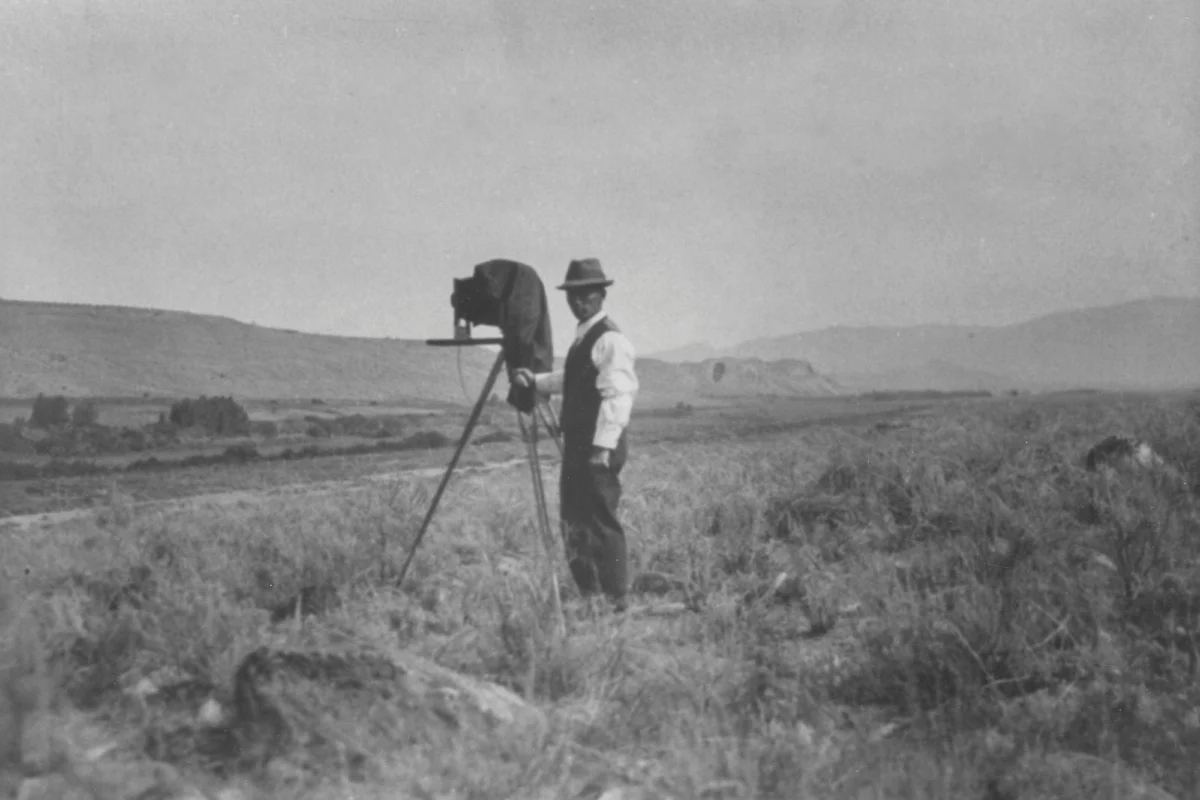
Executive produced by Jordan Peele’s acclaimed Monkeypaw Productions and skillfully directed by independent filmmaker Jason Perez, a protégé of Spike Lee, High Horse masterfully weaves together a rich tapestry of stunning archival footage and photographs with contemporary scenes of Black cowboy life. This cinematic journey traverses through film, music, and marketing history, meticulously illustrating how the popular narrative of the West has been meticulously curated, often diverging sharply from lived reality. History, the series reveals, is frequently airbrushed, not always through a single, dramatic edit, but through a gradual, insidious narrowing of who is deemed authentically "Western," effectively sidelining entire communities whose contributions were foundational.
The documentary adamantly refuses to relegate Black cowboys to a mere footnote or sidebar in the grand saga of the West. Instead, it meticulously traces a clear, unbroken lineage from the highly skilled labor of formerly enslaved people, whose expertise in animal husbandry and land management was crucial to the burgeoning cattle industry, to the Black jockeys who dominated early American horse racing, and onward to today’s vibrant community of Black riders, ranchers, and entrepreneurs. By grounding its narrative in the physical demands and inherent skills of horsemanship, High Horse ensures that history remains a living, breathing presence, avoiding the pitfalls of dry academic discourse and instead immersing the audience in the tangible realities of this enduring cultural heritage.
One of the series’ most potent artistic choices is its deliberate focus on the visceral, physical truth of horsemanship: the rider’s precise seat, the subtle communication through their hands, and the countless hours of dedication required to forge a true partnership with a horse. Those with equestrian experience immediately recognize this authenticity. A horse cares little for a rider’s personal narrative or societal status; it responds solely to consistency, fairness, and clear communication. Understanding this fundamental truth about horses illuminates the stark contrast between the often-romanticized cowboy aesthetic and the overlooked, arduous craft that defines genuine horsemanship, a craft Black cowboys have mastered for generations.
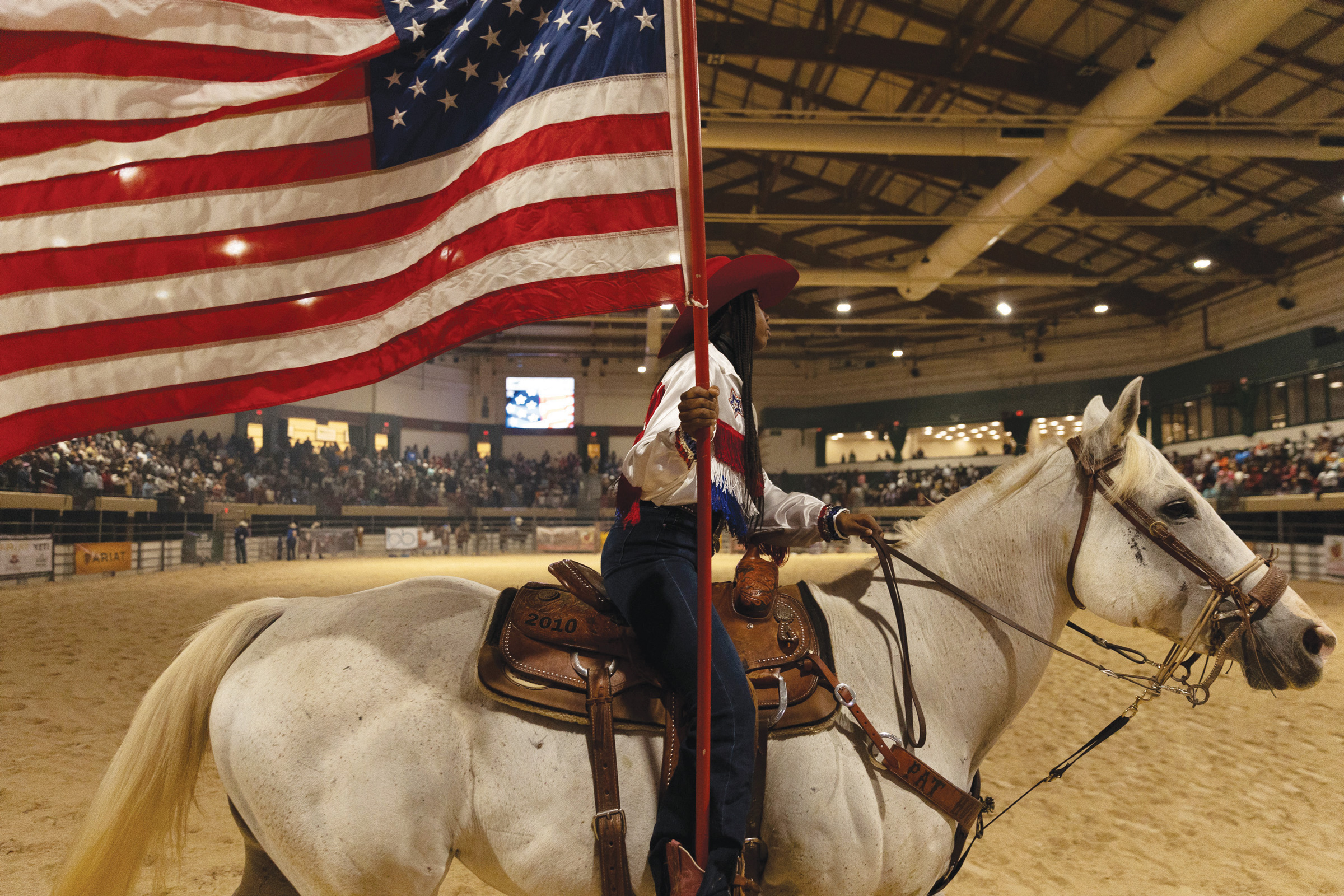
Visually, High Horse frequently centers on the image of a Black rider, seated high and steady, gazing across sprawling open landscapes or navigating urban peripheries that bear the imprints of this same complex history. These images, simple yet profoundly resonant, carry a palpable emotional charge. For Black Americans, land transcends mere scenery; it embodies inheritance and profound loss, a mosaic of promises made and subsequently broken. It represents the crucial distinction between being a fleeting visitor and a dedicated steward, a concept deeply entwined with centuries of struggle for equity and recognition. This perspective on land ownership and connection is not just historical; it is a contemporary challenge, impacting environmental justice and access to natural spaces.
The exploration of land as inheritance resonates deeply with personal narratives. For individuals like Rue Mapp, whose Texas-raised father was a lifelong rancher and later a land and livestock manager in California, the connection to the outdoors is a profound legacy. This inspiration led Mapp to found Outdoor Afro in 2009, initially as a blog and a tribute to her father’s pioneering spirit. Like High Horse, Outdoor Afro sought to correct prevailing misconceptions about Black Americans’ storied and extensive connections to nature. What began as a personal endeavor blossomed into a national organization, now empowering thousands of Black families annually to engage with the outdoors, not as a passing trend, but as a reclaiming of cultural heritage and a joyous reunion with natural landscapes.

Returning to horsemanship in midlife with renewed dedication, Mapp discovered its transformative power, fostering greater patience and self-honesty. This rekindled passion also deepened her understanding of land in a multidimensional way, prompting a heightened sense of responsibility for personal lifestyle choices and their far-reaching implications for both human communities and wild ecosystems. Her mare, True Haven, a mustang sourced from the Twin Peaks Herd Management Area in the high desert along the California-Nevada line, symbolizes this connection. Naming her True Haven reflects a personal belief in refuge and the practice of peace, echoing the horse’s demand for fairness and consistency as prerequisites for trust and clear leadership.
While individual ownership of a wild horse does not automatically confer expertise in public lands and wildlife policy, it undeniably fosters an intimate engagement with critical questions of stewardship. This personal connection reinforces a commitment to safeguarding national public lands and wild places. In the presence of a living creature, holding a lead rope and focusing intently on its needs for safety and clarity, abstract policy slogans give way to tangible, immediate responsibilities, sharpening one’s focus on the real-world implications of conservation.
High Horse intelligently posits that the narrative of Black cowboys is inseparable from the broader, often painful, story of Black land ownership. This encompasses not merely the romanticized ideal of wide-open spaces, but the stark realities of acreage, access, legal titles, taxation, and the persistent power dynamics that determine who retains ownership. The series, without becoming mired in intricate policy details, courageously articulates a truth that many Westerners have historically avoided: the idealized "freedom" of the West was never equitably distributed, and violence, both legal and extralegal, remains an undeniable part of its historical geography.
Crucially, High Horse is not a lament; it is, at its very core, a vibrant celebration of freedom and resilience. The series vividly portrays young riders honing their skills and competing, elders transmitting invaluable knowledge across generations, cherished family traditions, and communities gathering around horses with the same fervor and camaraderie found at church potlucks or family reunions. Far too often, Black history is presented predominantly through the lens of trauma. This docuseries offers a vital counter-narrative, showcasing excellence, masterful craftsmanship, humor, profound pride, unwavering discipline, and unbridled joy.

Despite its undeniable strengths, the series, constrained by its three-episode scope, inevitably presents certain limitations. While it effectively raises awareness, it cannot encompass every complexity. Some viewers may desire more extensive portrayals of Black women riders, a deeper dive into the day-to-day economics of maintaining horses, and a more pronounced acknowledgment of the intricate intersections between Black and Indigenous histories on Western lands. Furthermore, while the contributions of well-known celebrities and scholars offer valuable reach and illuminating commentary, there is a subtle risk that their presence might inadvertently overshadow the voices of the working Black cowboys and ranchers themselves, whose multi-generational stories of laboring with land and horses possess an inherent power that often needs no external interpretation.
Perhaps High Horse‘s most significant achievement lies in its unwavering refusal to present the Black cowboy as an anomaly or an exception. It compellingly invites viewers to fundamentally reconsider the very definition of "Western" when the historical frame is expanded beyond the narrow confines of traditional Hollywood narratives. For anyone who cherishes the multifaceted history and vibrant culture of the American West, this argument arrives precisely when it is most needed, challenging preconceived notions and broadening understanding.
Reflecting on the documentary, one is reminded of the profound initial moments with a horse: its discerning gaze, its patient waiting, and the silent question of who you will choose to be in its presence—a question that mirrors self-reflection. Just as a horse responds to clarity, consistency, and care, so too should history be treated. To forge an honest and robust future for the West, society must plainly tell the complete story, acknowledging every foundational contribution, and diligently protect the ground upon which that future will be built. High Horse is certainly not, nor should it be, the definitive final word on Black cowboys. However, it stands as an exceptionally strong and necessary stride toward a more inclusive vision of the West, where Black riders are recognized not as transient visitors, but as indispensable architects of the region’s foundation and crucial stewards of its conservation future.