

 Joko Susilo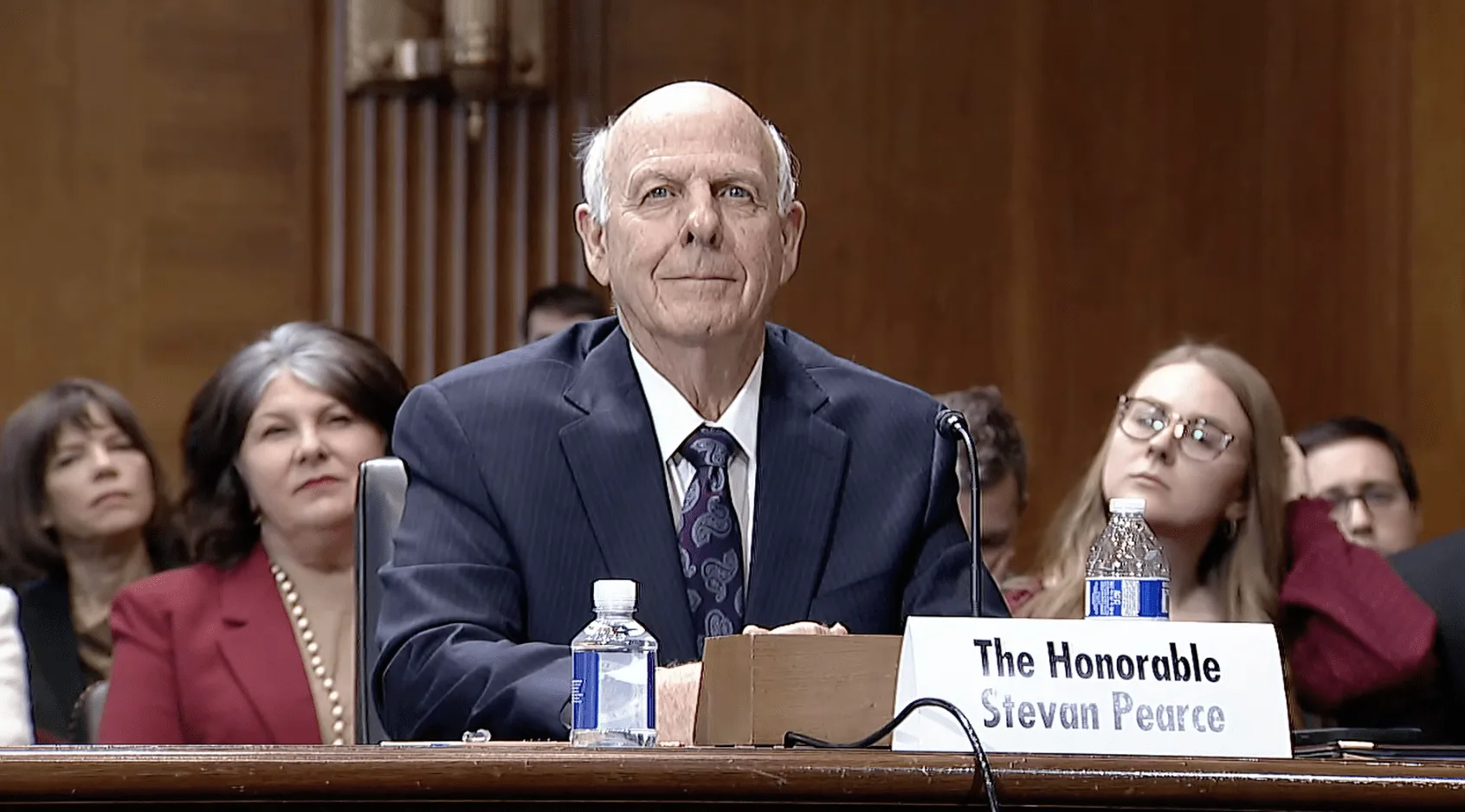
The controversial nomination of Steve Pearce to lead the Bureau of Land Management (BLM), a critical agency overseeing vast swathes of America’s public lands, has ignited a fierce ideological battle, with his confirmation hearing revealing a candidate grappling with a deeply divisive past record on federal land sales. Pearce, a former long-serving Republican congressman from New Mexico, faced pointed questions from the Senate Energy and Natural Resources Committee, offering what critics deemed contradictory explanations regarding his historical advocacy for divesting federal holdings, even as he pledged adherence to existing statutes as the potential head of the agency. His testimony highlighted the enduring tension between conservation and resource extraction that defines the management of America’s natural heritage.
Throughout the hearing, Pearce found himself on the defensive, pressed by senators, particularly from the Democratic side, about his well-documented history of pushing for the sale of federal lands, often framed as a strategy to reduce the national deficit. When confronted by Senator Ron Wyden (D-Ore.) about whether his views on public land ownership had evolved, Pearce candidly stated, "I’m not so sure that I’ve changed." Yet, in the same breath, he sought to reassure the committee, asserting, "I do not believe that we’re going to go out and wholesale land from the federal government," before adding the crucial caveat that "federal law says that we can’t do that from the BLM itself." This nuanced, and to many, evasive, position underscored the tightrope walk he attempted between acknowledging his established legislative record and presenting himself as a responsible administrator bound by current legal frameworks.
Pearce’s repeated insistence on the BLM’s statutory limitations regarding large-scale land sales often served as a shield against direct challenges. When asked about the designation of national monuments, he deflected, stating it was a prerogative of the White House. Similarly, questions about supporting major federal land sell-offs were redirected to Interior Secretary Doug Burgum. This strategy, while technically correct in outlining the division of powers, failed to fully appease critics who viewed his past legislative efforts as a clear indication of his underlying philosophy on public land management.
The widespread opposition to Pearce’s nomination stems from a broad coalition of environmental organizations, conservation groups, and hunting and fishing advocates who have consistently voiced concerns over his record. These groups argue that his past proposals would undermine decades of public land protections, fragment vital ecosystems, and restrict public access for recreation. Senators, in turn, echoed these constituent anxieties. Senator James Risch (R-Idaho), for example, delivered a blunt message reflecting the sentiment in many Western states, declaring, "Idahoans do not want their public lands sold, period, full stop."
This sentiment is strongly supported by recent polling data. A Colorado College poll released shortly before the hearing revealed that a significant majority of Western state residents actively oppose the sale of public lands for development, with 76% against selling for housing and 74% against selling for oil, gas, or mining operations. These findings underscore the deep cultural, recreational, and economic ties that communities across the American West have to their federal lands, which provide not only breathtaking natural beauty but also vital resources, economic opportunities through tourism, and essential habitat for wildlife.
Senator Martin Heinrich (D-NM) encapsulated the fundamental distrust many felt, stating in his opening remarks that Pearce’s past calls for "the selling off of public lands" made it "challenging for me to view his potential tenure at the BLM as one of stewardship." This concern goes to the heart of the BLM’s mission, which is mandated to manage federal lands for multiple uses, including energy development, grazing, recreation, and conservation, under the principles of sustained yield and environmental protection. Critics argue that a leader with a history of advocating for divestment could fundamentally alter the agency’s long-term strategic direction, shifting its focus away from conservation and public access towards greater resource extraction and potential privatization.

Despite the intense focus on his land sale record, a notable omission from the hearing’s line of questioning was a deeper exploration of Pearce’s extensive ties to the fossil fuel industry and the potential conflicts of interest that could arise if he were confirmed. This oversight drew sharp criticism from watchdog groups and environmental advocates. Pearce’s wealth largely originates from the oil-and-gas sector; he owns Trinity Industries, an oilfield services company he intends to transfer to his wife, along with significant interests in multiple oil leases within the prolific Permian Basin. Furthermore, his personal investment portfolio includes substantial holdings in fossil fuel and energy companies. While nominees are typically required to divest from assets that pose direct conflicts, the sheer breadth of Pearce’s financial entanglement with the very industries the BLM regulates raises serious ethical questions.
Beyond his personal wealth, Pearce’s political career was heavily financed by the energy sector. He received more than $2 million in campaign contributions from the oil and gas lobby during his congressional campaigns. As BLM director, he would oversee the agency’s vast oil and gas leasing programs, which manage hundreds of millions of acres for drilling and extraction across the Western United States. This direct nexus between his financial interests, political funding, and the regulatory power of the BLM fueled concerns that his leadership could lead to policies unduly favoring the fossil fuel industry over other public land uses or environmental safeguards.
Pearce attempted to humanize his stance on public lands during the hearing, sharing personal anecdotes about his deep connection to these spaces. He recounted growing up near Forest Service land where his family vacationed, cherished memories of spending time on federal public land outside Tucson, Arizona, with his granddaughter, and spoke of the "healing serenity of backpacking wilderness areas" upon his return from Vietnam. While these personal reflections aimed to demonstrate a genuine appreciation for public lands, they stood in stark contrast to his legislative record, leaving many to question whether his personal sentiments would genuinely inform his policy decisions or if they were merely rhetorical flourishes to soften his image.
Adding another layer of scrutiny, Senator Angus King (I-Maine) inquired about Interior Secretary Doug Burgum’s controversial directive requiring his personal sign-off for all new renewable energy projects on public lands. Pearce claimed unfamiliarity with the policy, a response that provoked immediate condemnation from advocacy groups. Aaron Weiss, deputy director of the Colorado-based Center for Western Priorities, issued a scathing statement, asserting that "based solely on his feigned ignorance of energy policy, Steve Pearce is unqualified to lead the Bureau of Land Management." Weiss further highlighted that Pearce’s "ethics forms are woefully inadequate and leave room for massive conflicts of interest if he is confirmed." This directive by Secretary Burgum, viewed by many as a potential bottleneck for renewable energy development, underscores the administration’s broader approach to energy policy on federal lands, often perceived as prioritizing fossil fuels.
Pearce’s nomination also carries the weight of a previous failed attempt to fill the BLM director role. Kathleen Sgamma, a long-time oil and gas lobbyist, abruptly withdrew her nomination just hours before her scheduled confirmation hearing in April, after a watchdog group unearthed a private memo in which she sharply criticized then-President Trump’s role in the January 6, 2021, attack on the U.S. Capitol. In stark contrast to Sgamma, Pearce has been a steadfast and vocal supporter of Trump, even defending him against accusations of inciting violence following January 6. A now-deleted tweet from Pearce, posted days after the riot, proclaimed that Trump "will be our President FOREVER and no one can take that away from us," showcasing an unwavering loyalty that likely made him a more palatable choice for the administration.
As the hearing concluded, the committee adjourned without casting a vote on Pearce’s nomination, signaling that the debate over his suitability for this crucial role is far from over. The protracted nature of the confirmation process reflects the high stakes involved for the management of nearly 250 million acres of federal land, which represent a significant portion of America’s natural capital and play a vital role in the nation’s environmental, economic, and cultural landscape. The outcome of Pearce’s nomination will not only determine the future direction of the BLM but also send a powerful message about the prevailing priorities for public lands in an era of intensifying climate concerns and persistent calls for balanced resource stewardship.







