

 Joko Susilo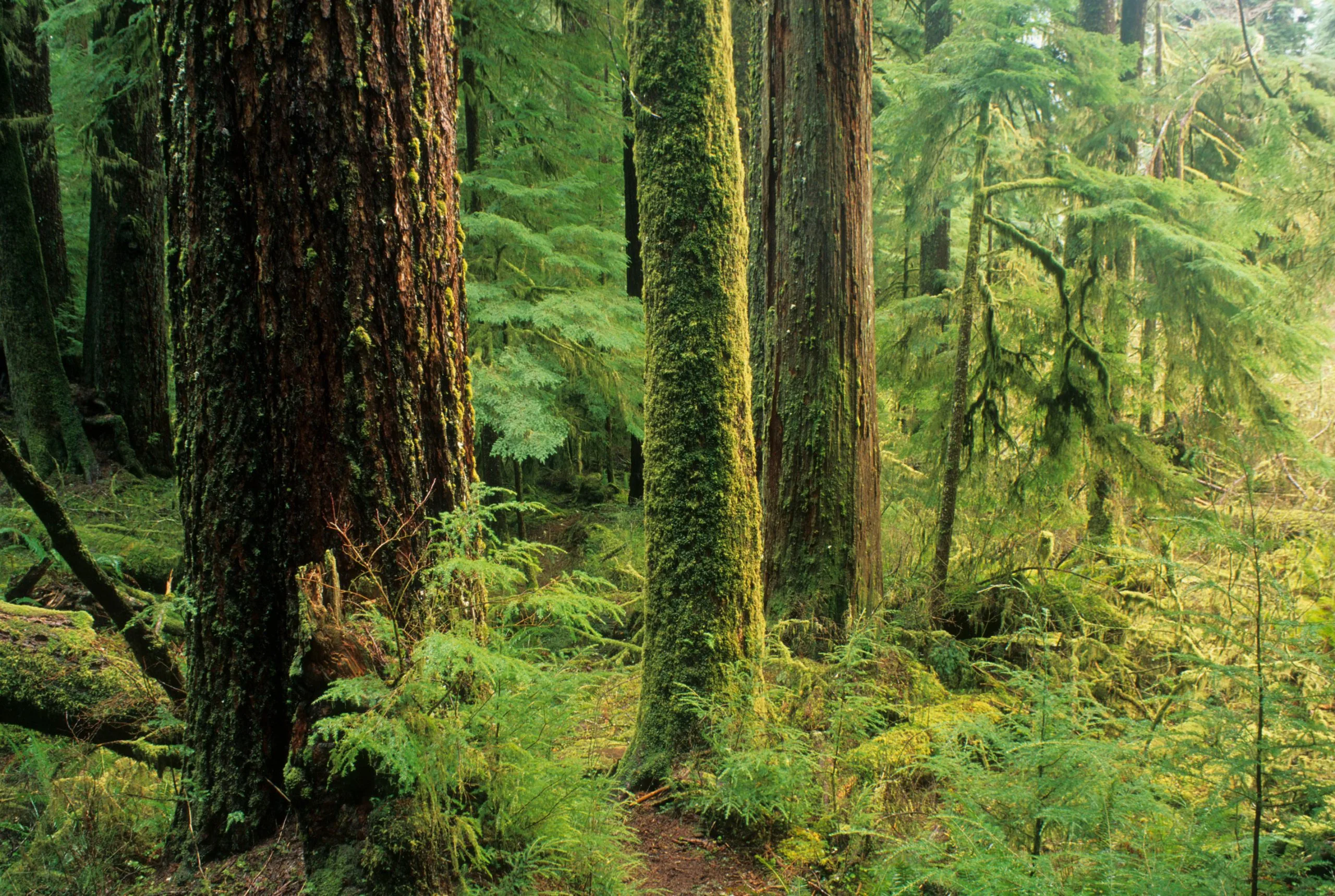
In the verdant, mist-shrouded expanses of northwest Oregon, a profound environmental and economic debate is rekindling, threatening to reshape millions of acres of federal forest lands and ignite a fresh wave of conservation battles. For individuals like Nick Hazelton, a 27-year-old yak farmer from Polk County, the wild, untamed beauty of places like the Valley of the Giants offers a stark contrast to commercial tree farms. Here, colossal Douglas firs and western hemlocks, some predating the founding of the United States by centuries, form a majestic canopy over a rich tapestry of ferns, mosses, and salmonberry, creating a complex ecosystem that he explores during his free time mushroom hunting. This ancient forest, officially designated an "area of critical environmental concern" (ACEC) and managed by the Bureau of Land Management (BLM), stands as a powerful testament to the ecological potential of an undisturbed woodland, brimming with diverse life beyond mere timber production. Hazelton observes, "It’s not just a Doug-fir farm; there’s lots of hemlock and pockets of brush that bears and other animals are utilizing," underscoring the intrinsic value of these habitats.
This cherished landscape, along with approximately 2.5 million other acres across western Oregon, now finds itself at the heart of a significant policy shift. On February 19, the BLM issued a notice of its intent to revise its resource management plans, signaling a dramatic pivot towards increasing timber harvest to "historically higher levels of production." This directive, spurred by former President Donald Trump’s executive orders aimed at boosting domestic timber output and addressing perceived wildfire risks, marks a potential reversal of decades of conservation efforts. The agency’s plan explicitly states a reevaluation of all Areas of Critical Environmental Concern across the region’s distinctive checkerboard pattern of public lands, which the BLM has historically managed for timber production since 1937. These ACECs, recognized for their vital habitats, unique geological features, and scenic beauty, now face an uncertain future under the proposed changes.

The history of these Oregon and California Railroad (O&C) grant lands is deeply intertwined with the state’s economic development. Logging on these federal parcels reached its zenith in the 1960s, with over one billion board feet harvested annually, a period Ed Shepherd, a retired BLM employee and former state director now serving on the board of the active forest management advocacy group Forest Bridges, describes as "pretty intensive." This era of aggressive timber extraction profoundly shaped the region’s economy and landscape, but its environmental consequences eventually led to a paradigm shift. The harvest levels plummeted in the 1990s following the implementation of the landmark Northwest Forest Plan. This comprehensive strategy was enacted primarily to protect imperiled species such as the northern spotted owl and the marbled murrelet, a secretive seabird reliant on the dense canopies of old-growth forests for nesting. For nearly two decades, BLM lands in western Oregon operated under the protective umbrella of this plan until 2016, when new management plans, which critics argue offer significantly less protection, were approved.
Susan Jane Brown, principal at Silvix Resources, an environmental law firm, asserts that the current plans have already facilitated "a lot of old-growth logging and really heavy thinning," lamenting that "the aquatic conservation strategy is really watered down." This perceived erosion of environmental safeguards has led conservation groups to repeatedly challenge timber sales through litigation over the past decade. The core of the current debate revolves around balancing economic prosperity and community welfare with ecological preservation and wildfire mitigation. Advocates for increased logging, such as Shepherd, argue vehemently that these forests are in dire need of thinning and active management to reduce the escalating risk of catastrophic wildfires and enhance overall forest health. He points to numerous studies demonstrating that a combination of strategic thinning and intentionally lit, controlled prescribed fires can effectively lower wildfire intensity and severity. Shepherd envisions a return to broader-scale management, suggesting that the region’s BLM forests could sustainably double last year’s harvest of 267 million board feet.
However, the efficacy and ecological impact of such approaches remain contentious. While Nick Hazelton is not entirely opposed to responsible logging, he firmly draws the line at cutting old-growth trees in irreplaceable areas like Marys Peak and the Valley of the Giants. He questions the ecological health of younger, densely packed Douglas fir stands often found in commercially managed areas, describing them as "a lot of crowded spaces that are really dark" where wildlife is notably scarce, despite the presence of coniferous-loving mushrooms. This sentiment is echoed by conservationists who highlight the profound difference between targeted ecological thinning aimed at mimicking natural fire regimes and industrial logging, which can disrupt delicate soil structures, compact earth, and create open, degraded spaces. Jennifer Moss, a Lane County resident and co-founder of Friends of Fall Creek Watershed, expresses alarm at the BLM’s proposal, particularly the suggested stream buffers as narrow as 25 feet, which she believes are utterly insufficient to protect waterways from erosion and sediment runoff. Moss, whose father, a former BLM forester, quit in the 1960s due to disillusionment with unsustainable logging practices, warns that extensive logging can ironically exacerbate wildfire severity. Recent research from the University of Utah supports this concern, indicating that industrially logged forests often experience higher severity wildfires. Furthermore, an analysis of the 2020 Oregon wildfires by OPB and ProPublica found that public lands logged within the preceding five years burned with similar intensity to unlogged areas, while clear-cut private lands, on average, experienced hotter fires.

The economic dimensions of this debate are equally complex and deeply rooted in Oregon’s history. For decades, federal timber harvests provided a crucial financial lifeline to many rural counties, which received a portion of the revenues. The sharp decline in logging in the 1990s sent many of these communities into economic distress, leading most to opt for federal payments in lieu of diminished timber receipts. However, a recent shift in revenue sharing has seen counties like Coos County, which chose to stick with timber receipts, benefit significantly. Coos County Commissioner Drew Farmer proudly reported receiving over $1 million from federal timber sales last year, attributing it to a new 75/25 split favoring the county. Farmer asserts that this new arrangement "permanently fixes our budget, and that’s without increased harvest," adding that further increases could fund vital services like expanded jail capacity and additional police patrols. Yet, questions persist about the practical feasibility of a substantial logging increase, including the state’s existing mill capacity, infrastructure, and available labor force. While some, like Farmer, argue that local logging could help reduce construction costs, particularly for housing, Brown cautions that timber operates within a volatile international market, complicated by ongoing global trade disputes.
The procedural aspects of the BLM’s proposed revisions have also drawn sharp criticism. Hazelton and other citizens expressed frustration over the agency’s decision to offer only a 33-day public comment period, which closed on March 23, without scheduling any public meetings across the 18 affected counties. Hazelton emphasized, "I think that as taxpayers and as citizens, that’s public land and we deserve to have some voice in it." While a BLM spokesperson indicated that the process is merely commencing and further opportunities for input would arise, the initial limited engagement has fueled distrust. Following the comment period, the BLM is mandated to produce a draft plan outlining proposed alternatives, accompanied by a comprehensive environmental impact statement. Crucially, the agency must also consult with the 10 affected tribal nations, the U.S. Fish and Wildlife Service, and the National Marine Fisheries Service. Brown anticipates that these federal agencies could conclude that a plan significantly increasing logging would jeopardize the survival or recovery of endangered species like the spotted owl and marbled murrelet, setting the stage for inevitable legal challenges. "I think that is on the table," Brown stated, predicting, "Then everyone will sue, and we will let the federal court system decide whether or not this plan is legal."
This unfolding scenario in Oregon reflects a microcosm of global challenges in balancing resource demands with ecological stewardship. From the Amazon rainforest to the boreal forests of Canada, similar conflicts pit economic imperatives against the critical need to preserve biodiversity, mitigate climate change, and maintain essential ecosystem services. Forests worldwide serve as vital carbon sinks, crucial regulators of hydrological cycles, and irreplaceable homes for countless species. The decisions made regarding Oregon’s federal forests will not only determine the fate of ancient trees and endangered wildlife but will also set precedents for how public lands are managed across the United States, underscoring the enduring tension between human utilization and ecological preservation in a rapidly changing world.







