Joko Susilo
The vast expanse of America’s public lands and waters, stretching from pristine wilderness to working landscapes and vital marine ecosystems, represents a cornerstone of national identity and well-being. These cherished places are far more than abstract geographical designations; they are the vibrant backdrops for hunting and hiking, the fertile grazing grounds for livestock, the sacred ancestral homelands for Indigenous tribes, the weekend escapes for families, and the immersive classrooms where children discover the wonders of the natural world. Yet, beneath this rich tapestry of use and heritage, the foundational systems designed to manage these invaluable assets are visibly struggling, facing an onslaught of contemporary challenges that threaten their very future. The limits of our current approach have become starkly apparent, signaling a profound inflection point for national environmental and resource policy.
Across the nation, the indicators of strain are undeniable and accelerating. Wildlife populations are experiencing precipitous declines, driven by habitat loss, fragmentation, and climate shifts, pushing countless species closer to extinction and disrupting ecological balance. Recreational sites, from national parks to local trailheads, are increasingly overcrowded, straining infrastructure, degrading natural resources, and diminishing the quality of visitor experiences, often exacerbated by chronic underfunding. The western United States, in particular, grapples with a new reality of wildfires that are not only larger and more frequent but also exponentially more destructive and challenging to contain, transforming landscapes and endangering communities. Simultaneously, the pervasive effects of climate change are rapidly reshaping natural systems, from the acidification and warming of ocean fisheries that imperil marine life and coastal economies, to the diminishing mountain snowpacks crucial for water supply across vast regions. These changes are unfolding at a pace that far outstrips the capacity of existing institutions to respond effectively. Moreover, the urgent need for new energy projects, critical transmission lines, and responsible mineral development—essential for a transitioning economy—is frequently met with community resistance, often stemming from a lack of transparent processes, insufficient resources, or a deep-seated mistrust that decisions genuinely serve the broader public interest.
The very frameworks established to govern these complex interdependencies are showing their age, grappling with a confluence of pressures unforeseen when they were conceived. Individuals like Tracy Stone-Manning, president of The Wilderness Society and former director of the Bureau of Land Management under President Joe Biden, and Lynn Scarlett, former global chief external affairs officer at The Nature Conservancy and former United States Deputy Secretary of the Interior under President George W. Bush, have witnessed these systemic limitations firsthand. Both veteran leaders, now advisory board members of Ground Shift—a pioneering initiative dedicated to fostering cross-partisan dialogues on the future of public lands and waters—have spent decades navigating these intricate systems. They have seen the unwavering commitment of land managers, scientists, and wildland firefighters, yet have also observed how frequently these dedicated professionals are constrained by outdated laws, fragmented authorities, limited funding, and bureaucratic processes that render even common-sense solutions painfully slow to implement.
What has become increasingly clear to these seasoned experts is that many of today’s challenges transcend mere technical or financial fixes; they are deeply structural, embedded within institutions and policies built for a fundamentally different era, under different assumptions, and confronting entirely different realities. This realization compels an urgent and profound question: What do we truly desire from and for our public lands and waters in the present moment? This is not a question for the mid-20th century, when the bulk of modern land laws were drafted, nor for a world untouched by climate change, mass recreation, large-scale renewable energy demands, or the current biodiversity crisis. Rather, it is a question for a nation that is hotter, more populous, and vastly more economically and culturally complex than ever before, demanding a fresh perspective on stewardship.
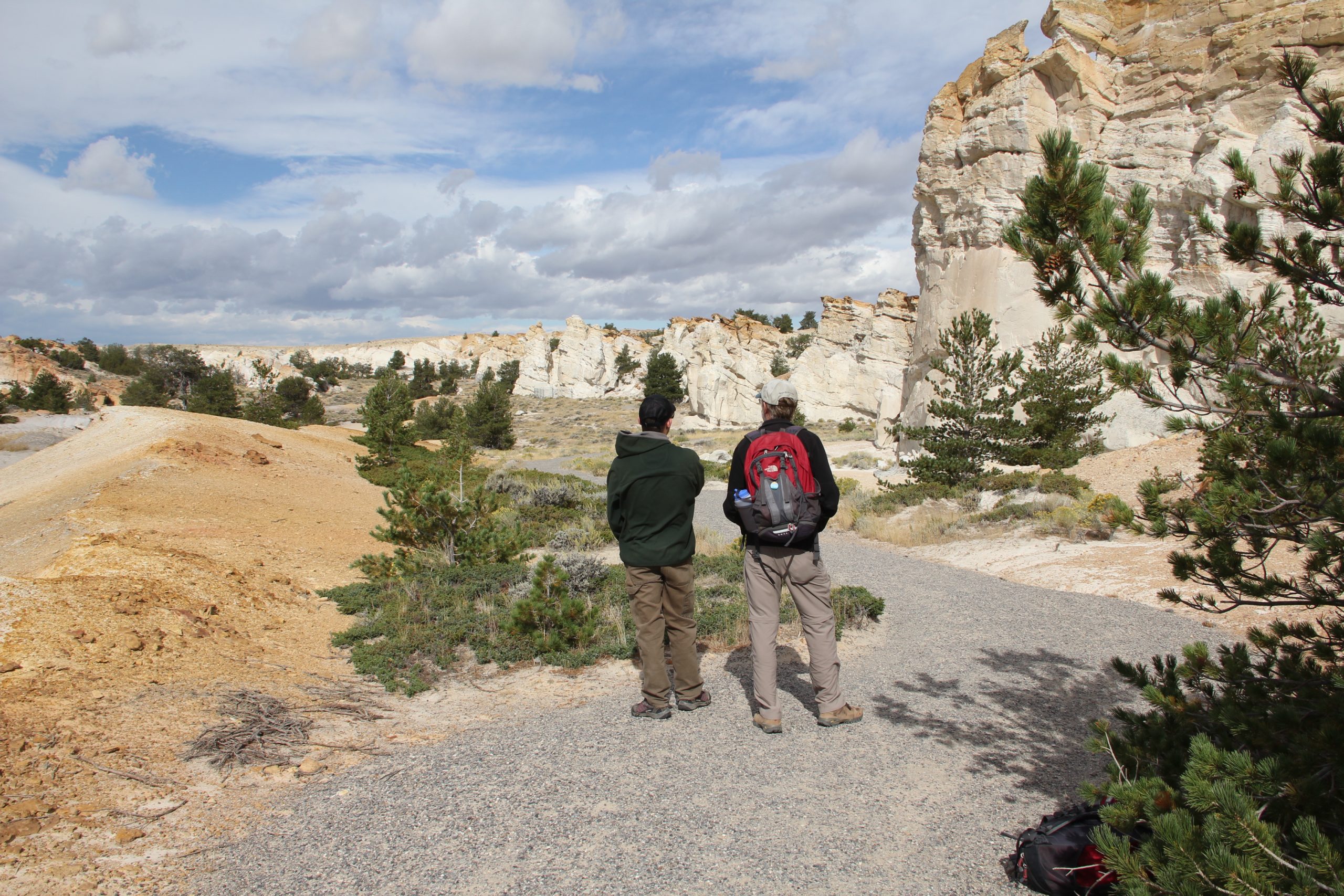
This critical juncture calls for far more than incremental adjustments; it necessitates bold, innovative thinking and a dramatically expanded chorus of voices at the decision-making table. Such a comprehensive reflection cannot be confined to a single ideology, constituency, or region. Our public lands and waters are a shared heritage, belonging to everyone: from the ranchers whose livelihoods depend on vast grazing lands to the urban families seeking solace in nature, from Indigenous peoples whose spiritual and cultural identities are intrinsically linked to these landscapes to the energy workers building the infrastructure of tomorrow, and from wildlife biologists dedicated to conservation to outdoor enthusiasts pursuing recreation.
To effectively navigate the challenges of the 21st century, the nation must draw upon the rich diversity of American experiences and perspectives. This collaborative effort is essential to forge a durable vision that promises to deliver more—not less—from our collective lands and waters. This vision includes more accessible parks and outdoor opportunities for all citizens, promoting physical and mental well-being while fostering a deeper connection to nature. It demands more clean water and resilient watersheds, safeguarding a fundamental resource critical for human health and ecosystem vitality. We aspire to more abundant wildlife and connected habitats, creating corridors that allow species to thrive in the face of environmental pressures. The future requires more healthy forests, actively managed for resilience against fire and disease, and restored rivers that flow freely, supporting vibrant aquatic ecosystems. Crucially, it mandates more profound collaboration with tribal nations in stewarding their ancestral homelands, recognizing and integrating their invaluable traditional ecological knowledge and sovereignty. Local communities deserve a greater voice in decisions that directly impact their livelihoods and environments. The energy transition requires more clean energy infrastructure and responsibly sourced minerals, balanced with conservation priorities. Ultimately, this vision aims for more equitable access to the myriad benefits of nature for all Americans, and, most importantly, more citizens actively engaged in shaping the destiny of these vital places.
Achieving this transformative vision, however, requires a deliberate departure from familiar silos. For too long, critical conversations about public lands have been confined to narrow circles: agency experts primarily engaging with other agency experts, conservation groups largely speaking to their own supporters, rural communities often feeling marginalized from decisions directly affecting their way of life, and tribal nations continually fighting for meaningful recognition of their inherent sovereignty and stewardship responsibilities. This insular approach, even when well-intentioned, often perpetuates the very institutional habits and political divides that have created the current gridlock.
The consequences of maintaining the status quo are far from neutral. They manifest as tangible impacts on the ground: communities enduring years-long delays for critical restoration projects, tribal nations awaiting co-management authority over lands they have stewarded for millennia, wildland firefighters stretched beyond their capacity battling unprecedented blazes, families navigating increasingly overcrowded parks, and countless species slipping closer to the brink of extinction. If the nation desires a different future, it must begin by asking fundamentally different questions, embracing a broader, more inclusive dialogue.
Historically, moments when public land policy reached such an inflection point spurred periods of deep reflection and institutional reinvention. The most influential example emerged in the 1960s, when Congress convened a bipartisan group of leaders and experts to fundamentally rethink the management of public lands. That seminal effort culminated in "One-Third of Our Nation’s Lands," a landmark report that provided the intellectual and policy groundwork for much of modern federal land policy, including the establishment of new agencies and the passage of foundational environmental laws.

Sixty years later, the nation again stands at a similar inflection point. However, today, such comprehensive, big-picture rethinking is unlikely to emerge solely from within government. Federal agencies are often stretched thin by budget constraints and competing mandates. Congress, increasingly polarized, struggles to achieve the bipartisan consensus necessary for long-term systemic design, with political cycles frequently rewarding short-term wins over enduring solutions. Yet, this reality does not mean the urgent work should be postponed; rather, it underscores the necessity of broadening the scope of engagement.
The civic space—encompassing universities, tribal nations, local governments, experienced land managers, ranchers, conservationists, industry leaders, and community organizers—can and should play an expanded role in shaping the next chapter of governance for our public lands and waters. Their involvement is not intended to replace public institutions but to empower and help them evolve. This requires creating dedicated spaces where unconventional ideas can be explored without immediate partisan framing, where individuals with differing policy preferences can nevertheless grapple with shared realities like megafires, prolonged drought, and accelerating biodiversity loss. These forums must foster an environment where reform is understood not as a threat to existing interests but as a vital means to achieve more effective and resilient stewardship.
In an increasingly divided country, our shared lands and waters represent one of the strongest remaining points of connection. They are places where many Americans still encounter something profoundly larger than themselves: the intricate workings of a river system, the resilience of a fire-adapted forest, the delicate balance of a desert ecosystem, or the awe-inspiring journey of a wildlife migration corridor. These experiences serve as powerful reminders that, despite our differences, we collectively share a physical and ecological commons. How we choose to manage this invaluable commons in the decades ahead will profoundly shape our communities, economies, cultures, and ecosystems. The systems we inherited brought us this far, but the world for which they were built no longer exists. The crucial question now is whether we are willing to step back, listen more widely, and courageously create space for new ideas to take root—not as a superficial branding exercise or a calculated political maneuver, but as an essential act of stewardship for a rapidly changing nation and a shared global future.