Rocky Gerung
These vital landscapes, encompassing vast stretches of forests, mountains, deserts, and coastlines, are more than just abstract geographical designations; they are the vibrant theaters of American life, serving as cherished destinations for hunting and hiking, essential grazing grounds for livestock, and the very arteries that sustain our rivers and water systems. They are sacred ancestral territories for Indigenous peoples, offering profound connections to history and spirituality, and provide beloved weekend escapes for families, fostering a lifelong appreciation for the natural world in children. Yet, the current framework governing these invaluable resources is increasingly strained, revealing significant limitations in its capacity to address the multifaceted challenges of our era.
A palpable decline in wildlife populations signals an urgent ecological distress, while popular recreation sites grapple with overcrowding and chronic underfunding, diminishing the quality of visitor experiences. The specter of wildfires looms larger each year, with blazes becoming more intense, destructive, and difficult to contain, placing immense pressure on firefighting resources. Compounding these issues, the relentless march of climate change is fundamentally altering natural systems, from the productivity of ocean fisheries to the reliability of mountain snowpacks, outpacing the ability of existing institutions to adapt and respond effectively. Simultaneously, communities are increasingly tasked with hosting critical energy infrastructure, including transmission lines and mineral extraction projects, often without clear, equitable processes, adequate financial support, or the assurance that decisions prioritize the public interest. The very systems designed to manage these complex interactions are showing their age, struggling to keep pace with contemporary demands.
With decades of collective experience navigating these intricate systems, including leadership roles within federal agencies under both Democratic and Republican administrations, and shaping policy at national conservation organizations, we have witnessed firsthand the dedication of land managers, scientists, and wildland firefighters. However, we have also observed how often their efforts are hampered by outdated legislation, fragmented jurisdictional authorities, insufficient funding, and bureaucratic procedures that transform even straightforward solutions into protracted undertakings. The core of the problem, we’ve come to realize, transcends mere technical or financial shortcomings; it is deeply embedded in the structural foundations of our institutions, reflecting policies and frameworks conceived for a bygone era, operating under different assumptions, and facing vastly different realities.
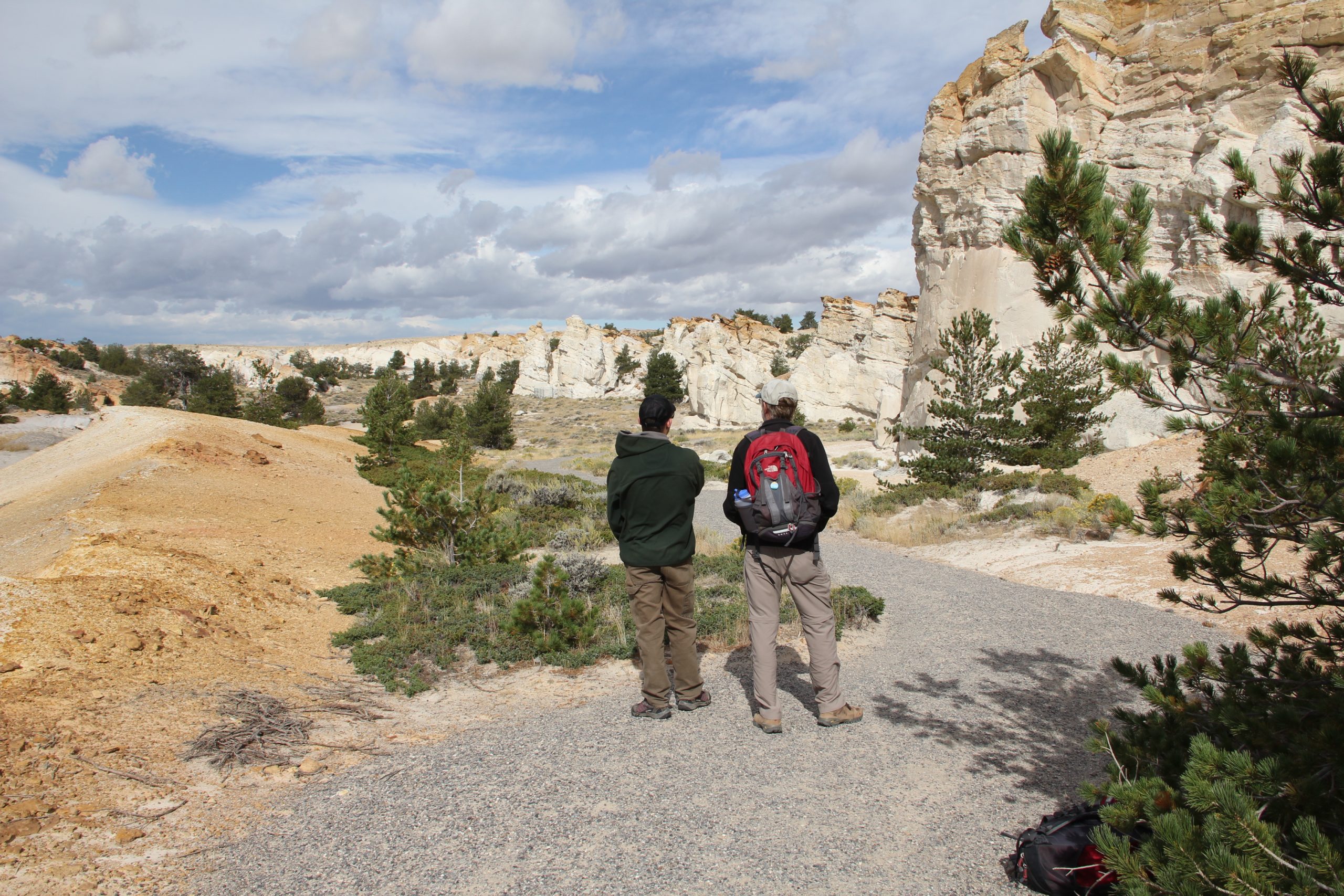
This reality compels a fundamental and urgent question: What do we truly desire from and for our public lands and waters in the present moment? We are not contemplating their role in the mid-20th century, when much of our current federal land policy was codified, nor in a world untouched by the profound impacts of climate change, the explosion of mass recreation, the burgeoning demand for renewable energy, or the escalating biodiversity crisis. Instead, we must confront the question in the context of today’s America – a nation that is demonstrably hotter, more densely populated, and more economically and culturally complex than ever before. This critical juncture demands more than superficial adjustments; it necessitates a profound re-evaluation, fostering fresh perspectives and ensuring that a far broader spectrum of voices contributes to shaping their future.
Such a comprehensive re-imagining cannot be confined to the perspectives of any single ideology, constituency, or geographic region. Our public lands and waters are a shared inheritance, belonging to a diverse populace that includes ranchers and recreational enthusiasts, Indigenous peoples and urban families, energy sector professionals and wildlife biologists. To effectively navigate the challenges of this century, we must harness the collective wisdom and varied experiences of all Americans to forge a resilient vision that yields amplified benefits—not diminished returns—from these invaluable shared resources.
This envisioned future promises more accessible parks and enhanced outdoor opportunities, cleaner water and more resilient watersheds, a greater abundance of wildlife and interconnected habitats, healthier forests and revitalized rivers, deeper collaboration with tribal nations in the stewardship of their ancestral homelands, a stronger voice for local communities in decision-making processes, increased development of clean energy and the responsible sourcing of essential minerals, and more equitable access to the myriad benefits nature provides. Ultimately, it envisions a more engaged citizenry, actively participating in determining the trajectory of these precious places.
However, achieving this ambitious vision requires a deliberate departure from established silos. For too long, discussions surrounding public lands have been confined to narrow circles: agency experts conferring primarily with their peers, conservation groups communicating with their dedicated supporters, rural communities feeling marginalized from decisions impacting their livelihoods, and tribal nations persistently advocating for meaningful recognition of their inherent sovereignty and traditional stewardship practices. If we are to be candid, even well-intentioned reform initiatives often remain constrained by the very institutional habits and entrenched political divides that perpetuate current gridlock. The status quo, it must be understood, is not a neutral position; it generates tangible consequences on the ground, affecting communities awaiting long-overdue restoration projects, tribes seeking co-management authority, firefighters operating beyond their capacity, families contending with overcrowded national parks, and species teetering on the brink of extinction.

If we aspire to a different future, we must interrogate our assumptions and ask more probing questions. Historically, when public land policy has reached a critical inflection point, the nation has responded with periods of profound introspection and institutional reinvention. A seminal example occurred in the 1960s, when Congress convened a bipartisan assembly of leaders and experts to fundamentally re-examine the principles of public land management. This endeavor culminated in "One-Third of the Nation’s Lands," a landmark report that established the foundational framework for modern federal land policy.
Sixty years later, we find ourselves once again at a similar juncture. Yet, today, the prospect of such comprehensive, big-picture rethinking emerging solely from within governmental structures appears increasingly remote. Agencies are operating under considerable strain, and congressional chambers are marked by deep polarization. Political cycles often incentivize short-term victories over the meticulous design of long-term systems. This does not imply that the necessary work should be deferred; rather, it underscores the imperative for its expansion.
The broader civic landscape—encompassing universities, tribal governments, local municipalities, land managers, ranchers, conservation organizations, industry leaders, and community organizers—possesses both the capacity and the responsibility to play a more significant role in shaping the next chapter of public land and water governance. This engagement is not intended to supplant public institutions but rather to facilitate their evolution and adaptation. We require forums where unconventional ideas can be rigorously explored free from immediate partisan entanglement, where individuals holding divergent policy views can still engage with shared realities such as megafires, prolonged droughts, and the alarming loss of biodiversity, and where reform is perceived not as a threat but as an essential pathway toward enhanced stewardship.
In a nation often characterized by division, our shared lands and waters offer some of our most potent points of connection. They are the arenas where countless Americans still encounter something grander than their individual selves: the intricate beauty of a river system, the resilience of a fire-adapted forest, the stark majesty of a desert ecosystem, or the ancient pathways of wildlife migration corridors. These natural wonders serve as powerful reminders that, beneath our differences, we are united by a common physical and ecological inheritance. The manner in which we manage this shared commons in the coming decades will profoundly shape our communities, economies, cultures, and ecosystems for generations to come. The institutional frameworks we inherited have served us thus far, but the world for which they were originally conceived no longer exists. The question before us is whether we possess the collective will to pause, to listen more broadly, and to create fertile ground for new ideas to take root—not as a superficial exercise in public relations or a calculated political maneuver, but as an indispensable act of stewardship for a nation undergoing profound transformation.