Rocky Georgio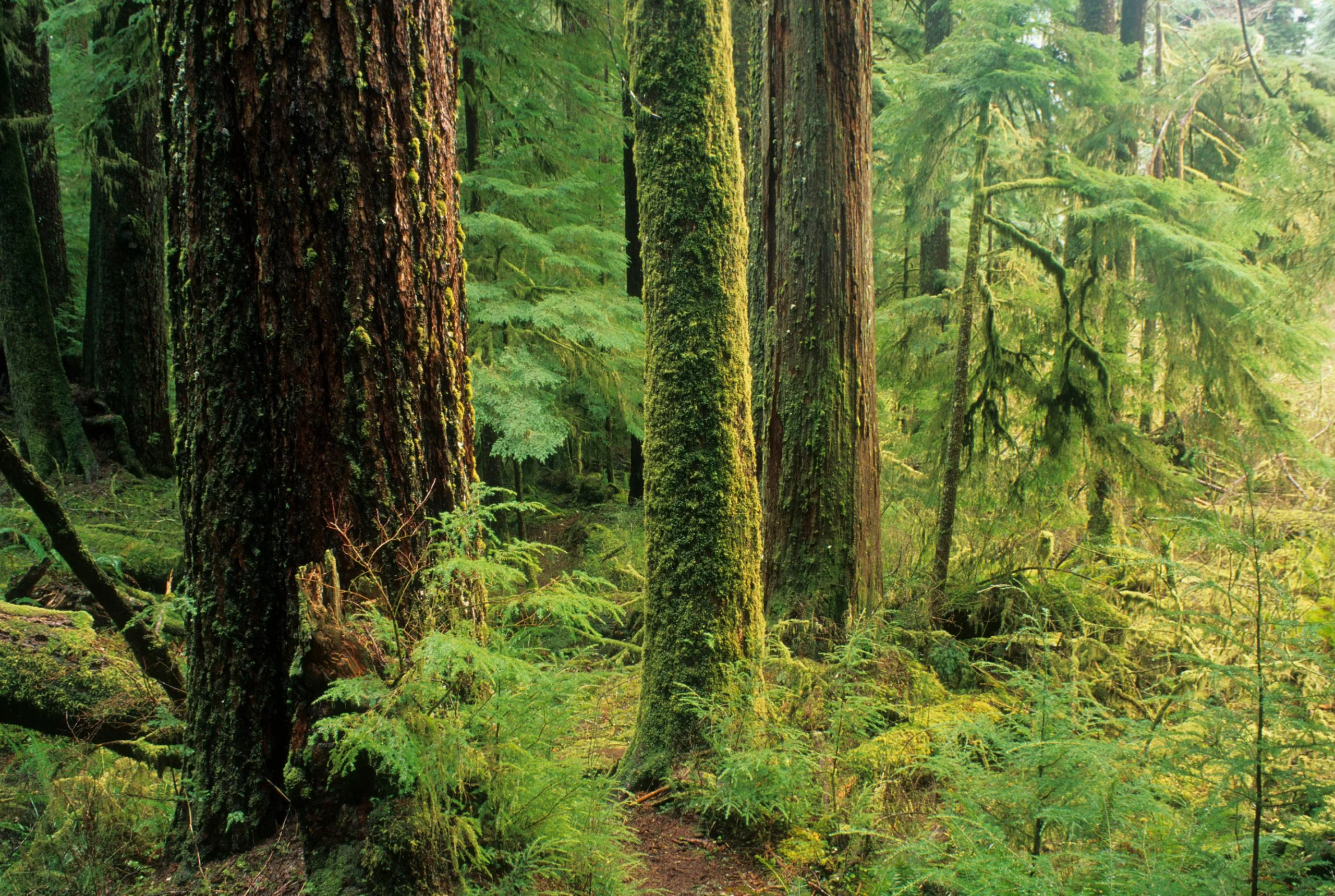
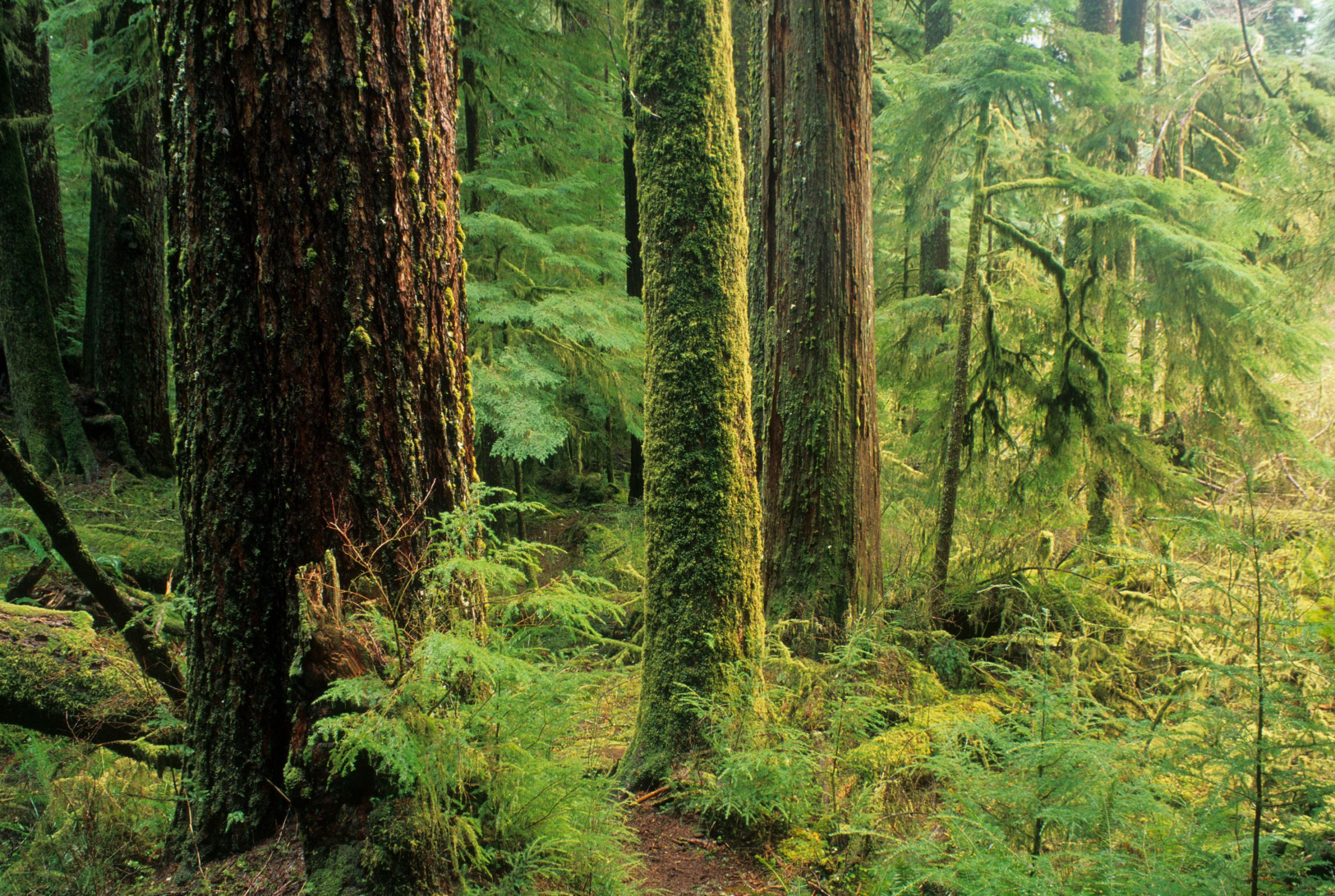
The Bureau of Land Management (BLM) has initiated a process to revise its resource management plans for approximately 2.5 million acres of public land in western Oregon, signaling a potential return to historically higher levels of timber production. This proposed shift, announced via a notice on February 19, aims to address wildfire concerns and align with executive orders promoting domestic timber output, but it has ignited a vigorous debate among residents, conservationists, and local officials about the future of these vital forest ecosystems. The acreage in question encompasses ecologically significant areas, including old-growth forests like the Valley of the Giants, a designated "area of critical environmental concern" renowned for its towering Douglas fir and hemlock trees, some over four centuries old, and a rich understory of ferns, mosses, and salmonberry.
Nick Hazelton, a 27-year-old yak farmer from Polk County, views these ancient forests not merely as sources of timber but as complex ecosystems vital for wildlife. "It’s not just a Doug-fir farm," Hazelton remarked, emphasizing the presence of hemlock and brush that support species like bears. He finds solace and inspiration in these mature forests, which he contrasts with younger, denser stands that can appear "crowded" and lack significant wildlife activity. His concern is amplified by the BLM’s proposal to reevaluate "areas of critical environmental concern," landscapes recognized for their scenic beauty, important habitats, and unique geological features.
The BLM’s management of these lands, particularly the Oregon and California Railroad (O&C) lands, has a long history tied to timber production, dating back to 1937. Logging reached its zenith in the 1960s, with annual harvests exceeding one billion board feet. Ed Shepherd, a retired BLM employee who served in various roles, including state director, described this period as "pretty intensive." Shepherd, now on the board of Forest Bridges, a nonprofit advocating for active forest management, believes the forests are in dire need of thinning to mitigate wildfire risk and enhance overall health. He points to research suggesting that a combination of thinning and controlled, prescribed burns can effectively reduce wildfire severity, allowing fires to burn at lower intensities, more akin to historical patterns. Shepherd asserts that current BLM forests could sustainably double last year’s harvest of 267 million board feet.
However, timber harvesting on these public lands experienced an abrupt decline in the 1990s with the implementation of the Northwest Forest Plan. This landmark federal policy was enacted to protect endangered species, notably the spotted owl and the marbled murrelet, a seabird that relies on old-growth forests for nesting. While the current management plans, approved in 2016, replaced the Northwest Forest Plan, they offer less stringent protections, according to Susan Jane Brown, principal at Silvix Resources, an environmental law firm. Brown criticizes the current approach for allowing "a lot of old-growth logging and really heavy thinning," and describes the aquatic conservation strategy as "really watered down." This has led to numerous legal challenges from conservation groups concerning timber sales.
The proposed revision by the BLM has brought the long-standing tension between economic interests and environmental preservation to the forefront in Oregon. While some, like Shepherd, advocate for increased timber production to improve forest health and reduce wildfire risk, others express deep reservations about the potential ecological consequences and the BLM’s public engagement process. Hazelton expressed disappointment that the BLM provided only a 33-day public comment period, which concluded on March 23, without scheduling any meetings across the 18 affected counties. "I think that as taxpayers and as citizens, that’s public land and we deserve to have some voice in it," Hazelton stated. A BLM spokesperson indicated that the process is in its early stages and that further opportunities for public input will arise.

The prospect of a timber revival is appealing to some local lawmakers, who recall the economic prosperity associated with the intensive logging era. Oregon counties historically received a portion of the revenues generated from federal timber harvests, and the decline in logging in the 1990s led many counties into financial difficulties. Consequently, most have opted for federal payments in lieu of diminished timber receipts since 2000. The revenue-sharing model has recently seen a shift; Coos County Commissioner Drew Farmer noted that his community received over $1 million from federal timber sales last year, with a recent change to a 75/25 split favoring the county "permanently fixes our budget, and that’s without increased harvest." Farmer believes that an increased harvest would allow his county to expand its jail capacity and fund additional police patrols. He also suggests that increased local logging could help reduce construction costs, particularly for housing.
However, questions linger about Oregon’s capacity to support a substantial increase in logging, including concerns about mill infrastructure, labor availability, and the broader timber market dynamics. Brown cautions that timber is a global commodity and that current trade disputes with international partners who purchase American wood could complicate any significant boost in production.
For many Oregonians, the potential economic gains do not outweigh the perceived environmental risks. Conservation organizations highlight concerns about the proposed stream buffers, which they deem as narrow as 25 feet, potentially insufficient to shield waterways from sediment erosion. Jennifer Moss, a resident of Lane County and co-founder of Friends of Fall Creek Watershed, expressed alarm at the BLM’s notice, emphasizing that disrupting soil and creating open spaces can lead to compaction and degradation. Moss fears that logged areas can become "eyesores" that attract illegal camping and litter. While she supports selective thinning, she worries that excessive logging could exacerbate wildfires. Her views are shaped by her father, a former BLM forester who resigned due to concerns about unsustainable logging practices. Research from the University of Utah suggests that industrially logged forests are more prone to high-severity wildfires, and an analysis of Oregon wildfires in 2020 by OPB and ProPublica indicated that public lands logged in the preceding five years burned with similar intensity to unlogged lands, while clear-cut private lands burned hotter.

Moss is actively encouraging public participation before the comment period closed, emphasizing that the BLM must then produce a draft plan, including proposed alternatives and an environmental impact statement. The agency is also mandated to consult with 10 affected tribes, the U.S. Fish and Wildlife Service, and the National Marine Fisheries Service. Brown anticipates that these federal agencies might determine that a plan significantly increasing logging would jeopardize the survival or recovery of endangered species like the spotted owl and marbled murrelet, potentially leading to litigation that would temporarily halt any major plan revisions. "I think that is on the table," Brown stated, adding, "Then everyone will sue, and we will let the federal court system decide whether or not this plan is legal."