Rocky Georgio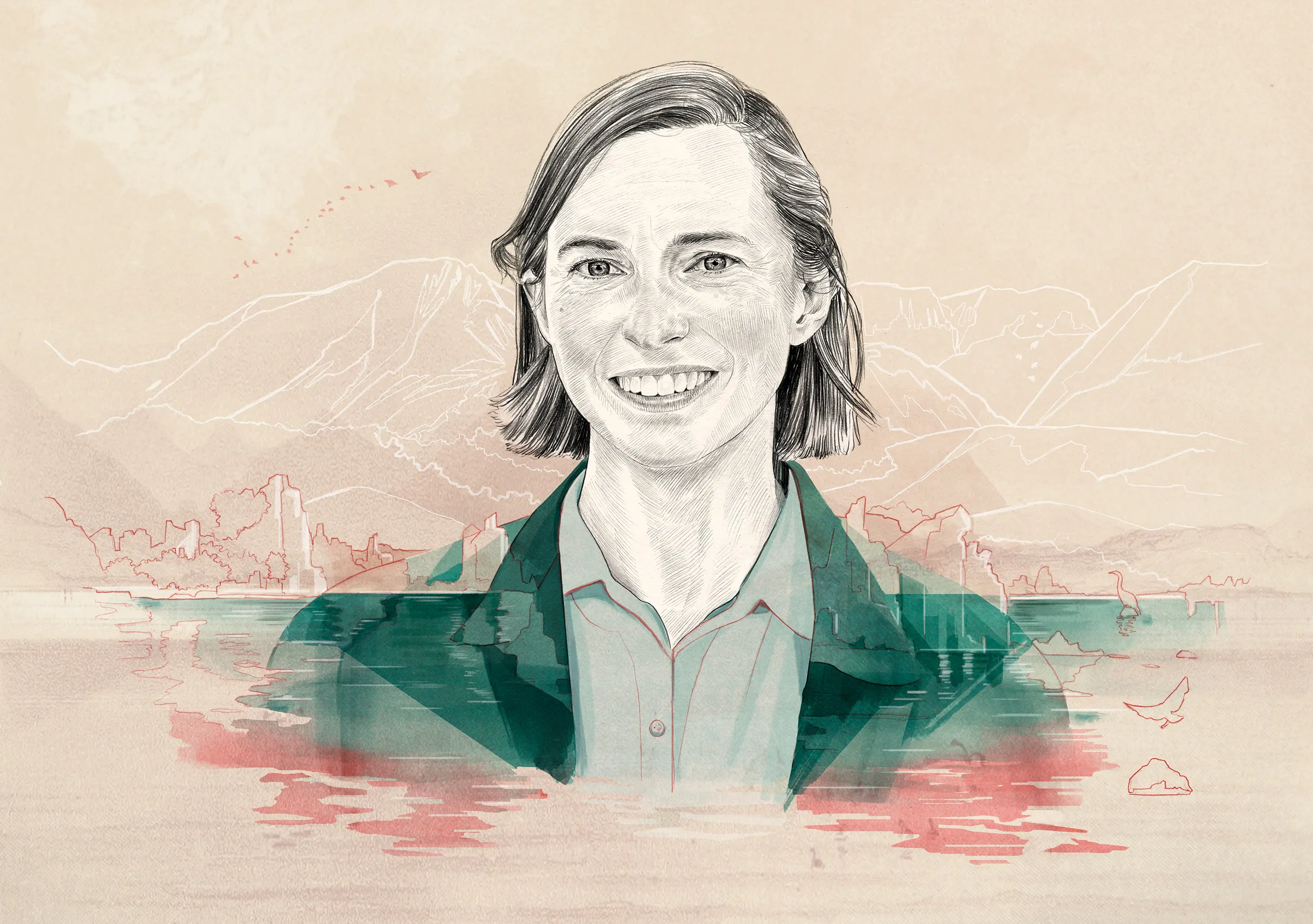
The first encounter with California’s Salton Sea was a stark lesson for Caroline Tracey, who, on her initial visit, heard a disconcerting crunch beneath her feet, revealing a landscape littered with the skeletal remains of fish. Yet, as she ventured closer to the water’s edge, a surprising transformation unfolded: what initially appeared as a desolate wasteland revealed itself as a vibrant avian sanctuary, alive with the scuttling movements of sandpipers, plovers, and snowy egrets. This profound experience, as Tracey recounts in her new book, Salt Lakes: An Unnatural History, underscored a crucial insight: environments that seem unsightly or barren often harbor intricate and vital ecosystems, only revealed when given a chance for closer examination.
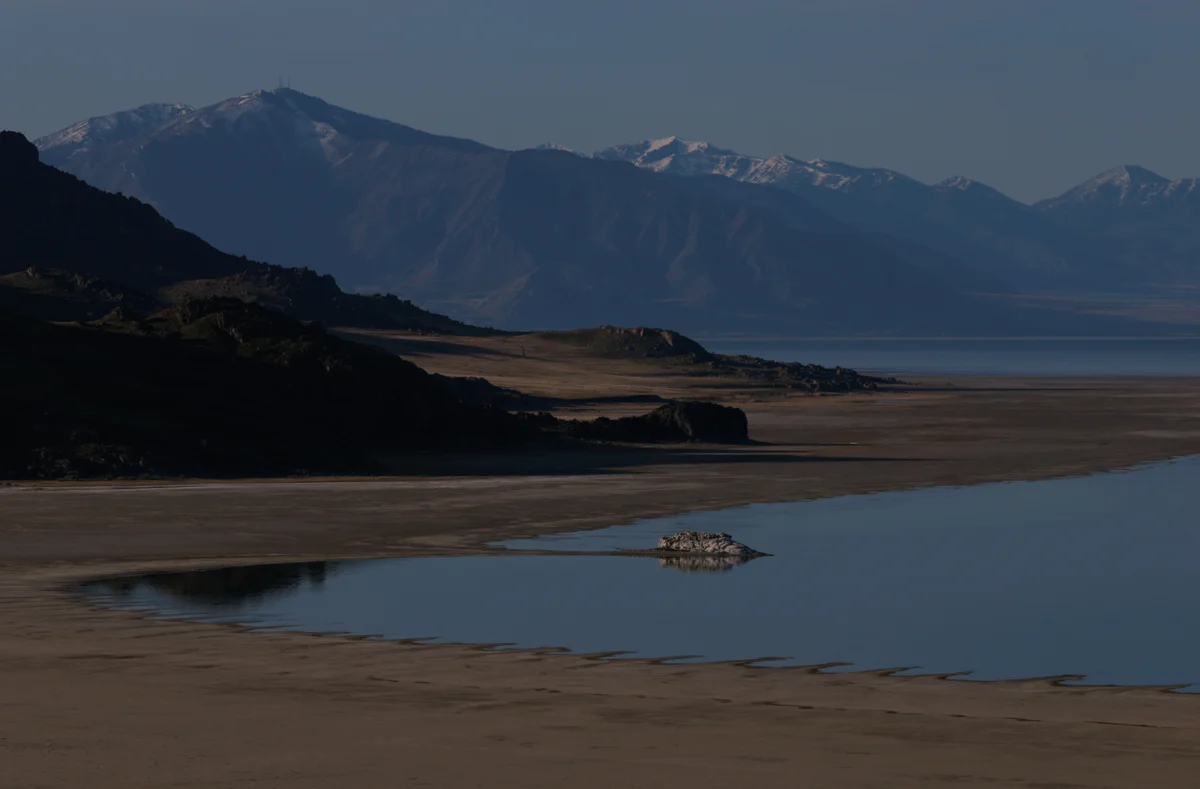
Tracey’s debut work, published on March 17, serves as an ode to these peculiar and vulnerable aquatic environments. Drawing on her background as a geographer and contributor to High Country News, she highlights the global presence of numerous salt lakes, often shimmering bodies of water nestled deep within desert valleys, supporting life with their unique pinkish algae and salt-tolerant shrimp. However, the encroaching pressures of agricultural water diversion and the escalating impacts of climate change are precipitating the drying of nearly all these saline systems, posing significant threats to biodiversity and human well-being.
Her extensive travels across the Great Basin, and into the landscapes of Kazakhstan, Mexico, and Argentina, form the backbone of the book, documenting both the receding shorelines of these lakes and the diverse communities striving for their preservation. Salt Lakes also unfolds as a deeply personal narrative, weaving Tracey’s journalistic investigations with her journey of self-discovery into her own queerness, exploring how her understanding of personal desires and values evolved through her engagement with both literature and the natural world. The book is characterized by its personal reflections, pragmatic analyses, and a spirit of cautious optimism, offering a thoughtful contemplation on navigating a world undergoing rapid transformation.
In a recent conversation, Tracey elaborated on the multifaceted challenges confronting salt lakes, the innovative solutions being developed for their conservation, and the unique perspectives queerness can offer in confronting the losses associated with climate change.
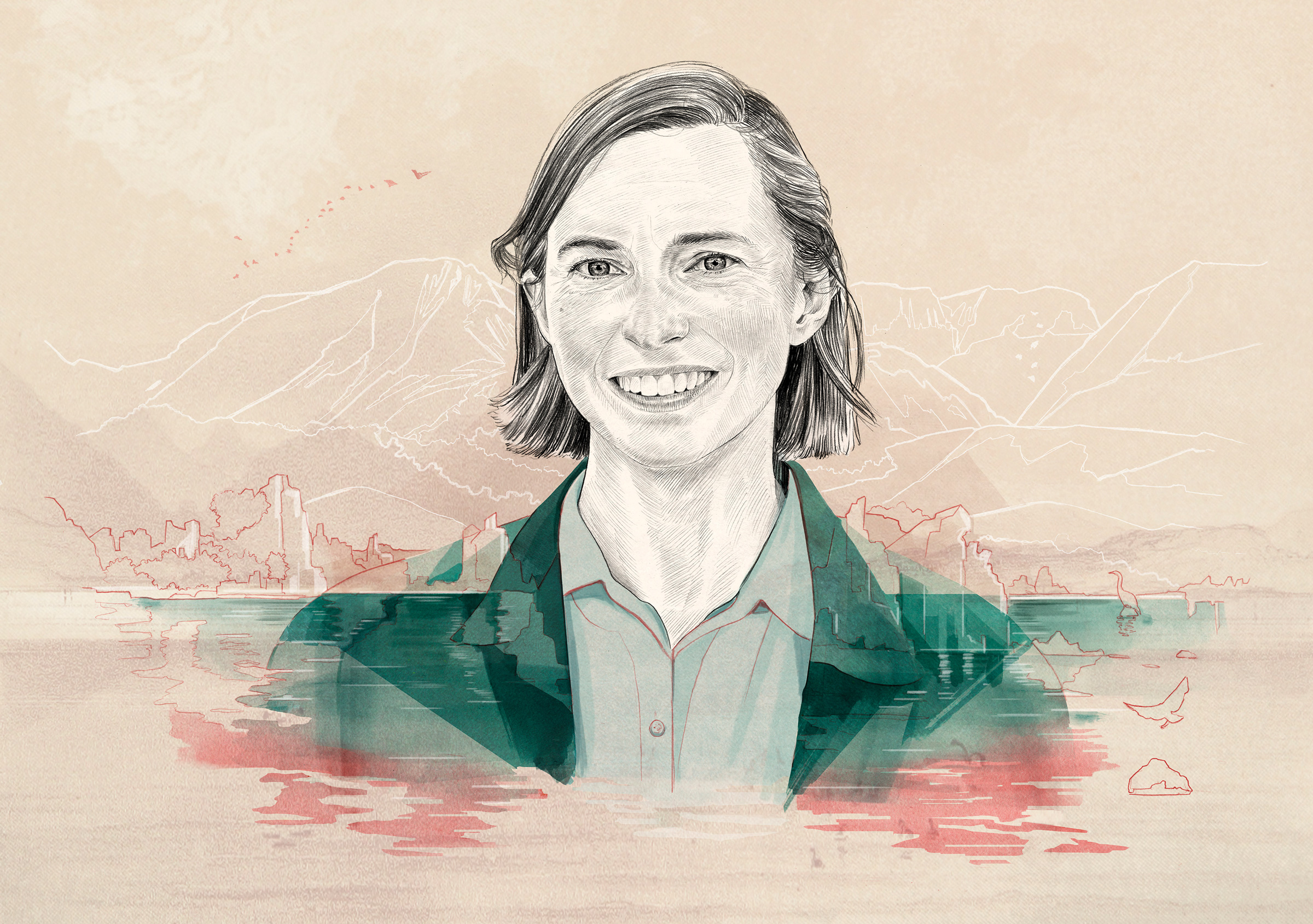
When asked about the prolonged fascination that drew her to salt lakes, Tracey explained that their striking visual presence initially captivated her during travels around the Great Basin. The dissolved minerals in their waters allow them to reflect the sky with a brilliance that surpasses freshwater bodies, creating exceptionally beautiful and unusual spectacles within arid landscapes. Beyond their aesthetic appeal, her research delved into the complex histories of water diversion that have profoundly impacted these lakes, revealing an inextricable link to the development of the Bureau of Reclamation and irrigation practices in the American West. More recently, the emergence of diverse activist efforts aimed at their salvation has provided her with a vital sense of optimism, a precious commodity for an environmental reporter.
Despite its focus on ecological degradation, Salt Lakes is imbued with a surprising sense of hope, with Tracey positing that the decline of these environments presents a more resolvable challenge compared to other ecological restoration efforts. She attributes this optimism to the fundamental geology of salt lakes, which form in closed basins where water evaporation is a primary factor. Historically, the principal threat has been water diversion for agriculture, particularly for crops like alfalfa and cotton. Consequently, a straightforward solution involves reducing such water-intensive farming in the Southwest, thereby allowing more water to reach basins like the Great Salt Lake. However, climate change has exacerbated this decline through diminished snowpack, creating a more complex scenario with reduced overall water availability.
Tracey points to several encouraging conservation strategies being implemented. The Clean Air Act, for instance, has become a crucial tool, as drying salt lakes generate significant dust, leading to severe respiratory issues in surrounding communities, such as those near California’s Salton Sea. This legal framework holds responsible parties accountable for the drying lakes. Another vital legal principle is the Public Trust Doctrine, which posits the government’s responsibility to maintain navigable bodies of water within its jurisdiction. A successful lawsuit in California, brought forth by residents, invoked this doctrine, compelling the state to uphold its obligation to protect these saline ecosystems. The shared understanding of civic responsibility for these shared natural resources is a powerful motivator.
Furthermore, the book highlights inspiring conservation victories, such as the LandBack case involving the Zuni Salt Lake in New Mexico, a precedent that offers hope for various land and water protection efforts nationwide. Tracey also notes the involvement of environmental humanities scholars specializing in Mormon scripture, who are actively engaged in the fight to save the Great Salt Lake. Their engagement with religious concepts of the sacred deepens the connection to place, fostering a relationship that transcends purely aesthetic appreciation or a general commitment to environmental preservation.
As Tracey chronicles the threats to salt lakes and the endeavors to protect them, she simultaneously narrates her own journey into queer adulthood in the American West, revealing an unexpected confluence between these seemingly disparate narratives. She always envisioned her book as encompassing a coming-of-age element and a critical examination of womanhood. During her research on salt lakes, she discovered their surprising connections to queer ecology. For example, brine shrimp exhibit remarkable reproductive adaptability, and the mating cycle of phalaropes is notably reversed from that of most bird species, with females being larger and more brightly colored, while males undertake the incubation of eggs.

This ecological observation aligns with the broader principle that biodiversity fosters resilience and complexity within landscapes, a concept mirrored in queer theory, which advocates for the value of diverse ways of living and the richness that societal complexity brings.
Tracey suggests that her queerness has profoundly influenced her perspective on climate change, loss, and the potential for recovery. She views queerness and writing as compatible pursuits, both fostering a degree of detachment that enables an observer’s stance. This perspective allows for the recognition that numerous alternative ways of life are possible, challenging the necessity of the high consumption rates characteristic of previous generations.
Much of historical conservation efforts have focused on preserving pristine landscapes. Queer ecology offers a counterpoint by asserting the ecological and biodiversity value of highly altered environments. Some salt lakes, like the Great Salt Lake, persist year-round, while others, known as ephemeral lakes, are often dry salt flats that fill only during periods of significant rainfall or snowmelt. Tracey found that shifting her focus from the preservation of perennial lakes to understanding the lessons offered by ephemeral lakes was a particularly transformative experience, especially in the context of climate change. As permanent lakes increasingly face the possibility of becoming ephemeral, embracing and coexisting with this transience becomes a crucial element of adaptation.