Rocky Georgio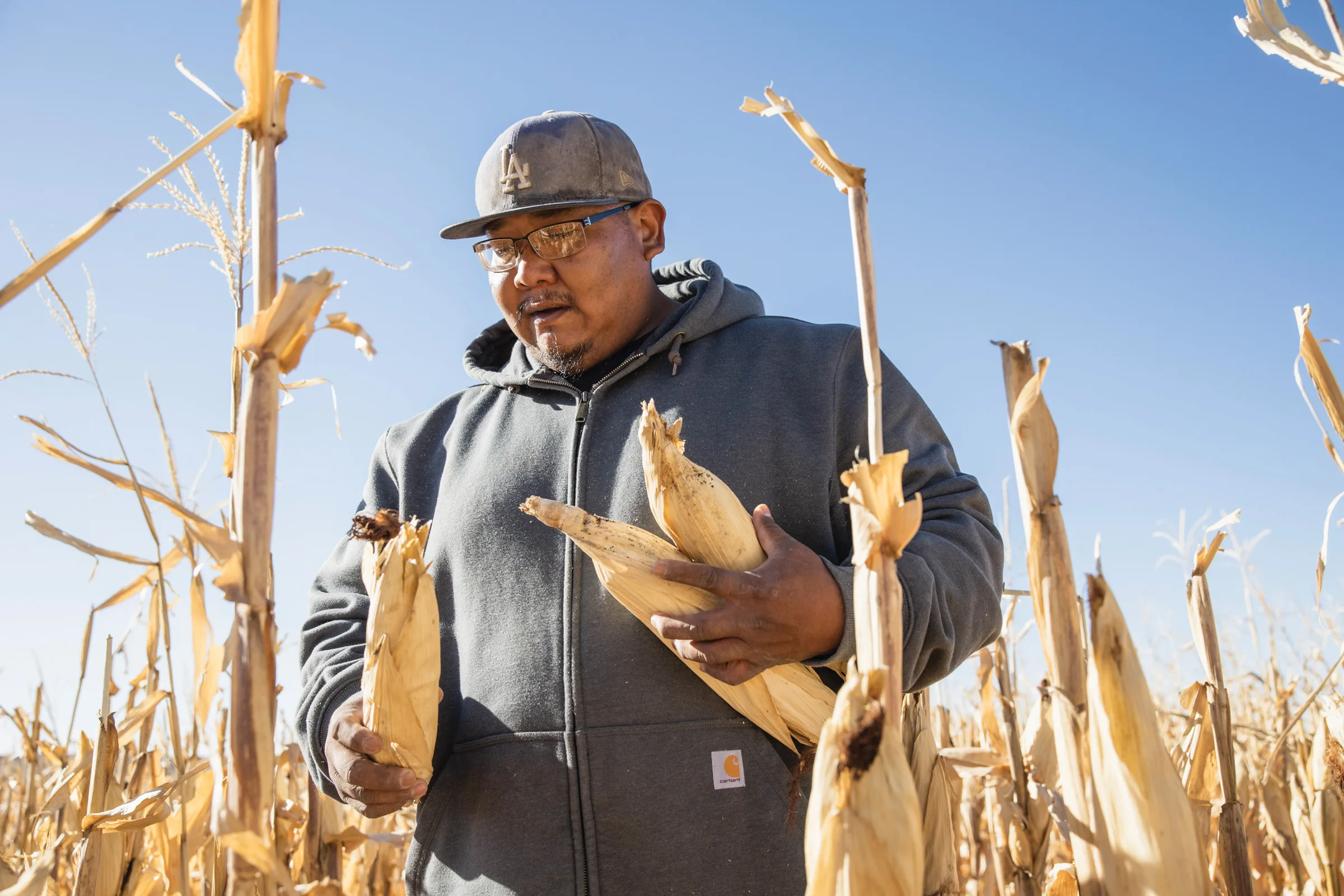
For a full century, the management of the Colorado River has been characterized by a fragmented approach, legally and politically divided into distinct basins, with each state and community primarily focused on securing its own water supply. This siloed strategy, however, fundamentally misaligns with the river’s natural function as an interconnected system, its health intrinsically linked to the snowpack in the Rocky Mountains, rainfall patterns, and vital groundwater reserves. This intricate network is now demonstrably fragile, facing unprecedented stress. Just two and a half decades into the 21st century, the river that historically underpinned the development of the modern American West is experiencing a significant decline, with water flow approximately 20% less than its 20th-century average. As climatic conditions intensify, marked by escalating heat and prolonged drought, the stakes for the entire basin are dramatically increasing. A persistent failure to acknowledge the severity of these changing environmental conditions, coupled with a piecemeal management approach that neglects the needs of the whole system and an inadequate long-term strategy for water scarcity, places the future of all basin inhabitants at profound risk.
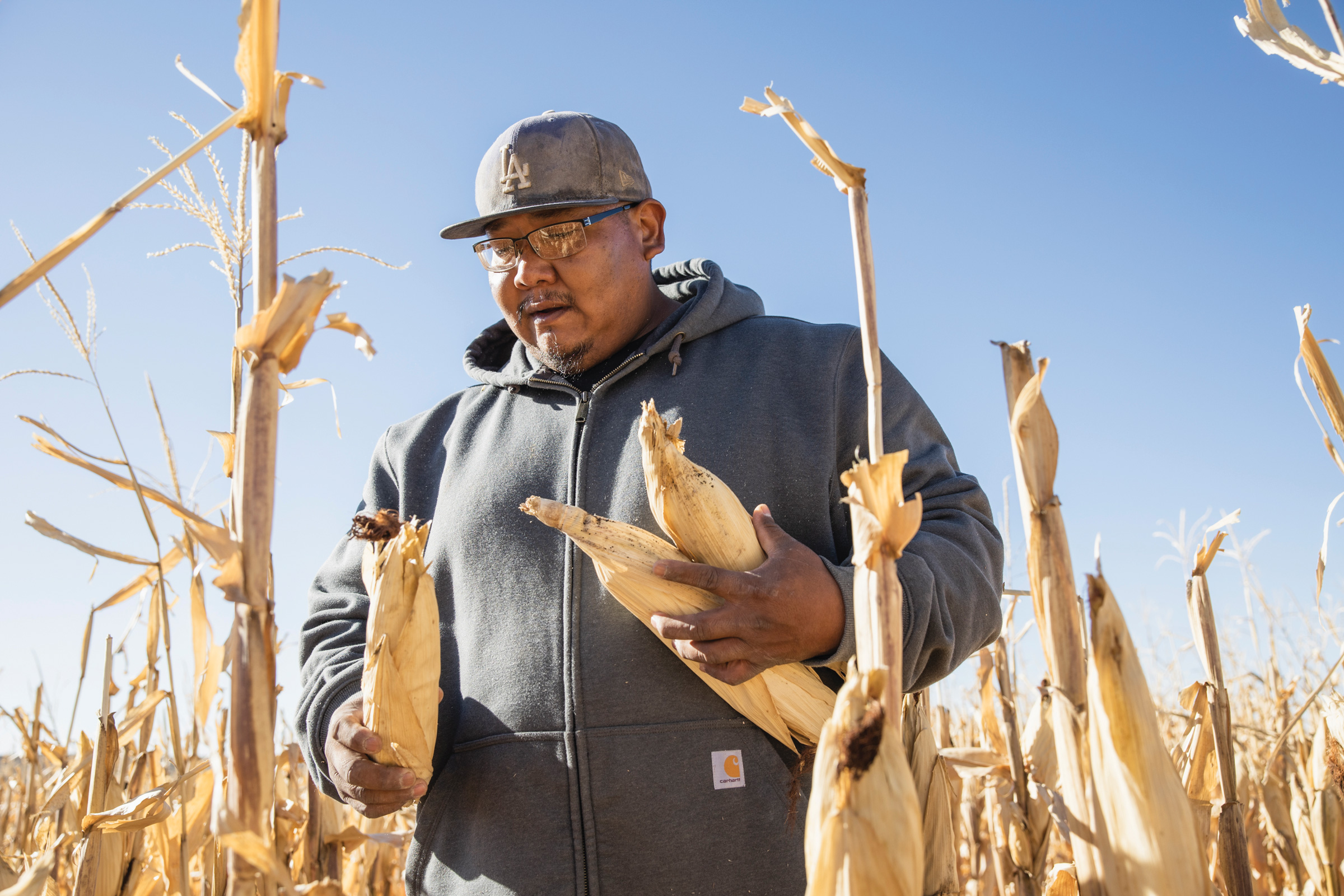
Over the past five years, extensive documentation has chronicled how farmers within the Colorado River Basin are navigating profound water shortages and pervasive uncertainty, all amidst deep political divisions regarding the river’s future governance. This investigative project, titled "American Adaptation," delves into the realities of three agricultural communities whose very survival is threatened by the diminishing river. It examines the human impact when policies and water management practices struggle to keep pace with the accelerating realities of a changing climate. In one of the river’s northern watersheds, the Ute Mountain Farm and Ranch Enterprise is actively adapting its operational strategies as the water sources it depends upon become increasingly unreliable. Further south, in central Arizona, farmers have been compelled to revert to well water after becoming the first communities to face a complete cutoff of their allocated river supply due to the widespread basin shortage. Meanwhile, in California’s Imperial Valley, farms that receive the river’s largest water allocation are experiencing mounting pressure to share the burden of the ongoing water scarcity.
Collectively, these individual stories illuminate the critical stakes involved and the escalating tensions within the current negotiations over the river’s future management. States, sovereign tribal nations, and the federal government are now confronting the legacy of 100 years of water infrastructure development built upon assumptions of perpetual abundance and continuous expansion. These deeply ingrained assumptions, along with the legal frameworks they have inspired, are now clashing with the stark reality of a river with substantially less water than anticipated. This confrontation raises complex and pressing questions about the river’s long-term carrying capacity, the equitable distribution of its dwindling resources, and the fair allocation of necessary cutbacks among all stakeholders.

When Water is Uncertain: Towaoc, Colorado
Nestled at the foot of Sleeping Ute Mountain in Towaoc, Colorado, the Ute Mountain Farm and Ranch Enterprise cultivates a substantial 7,600 acres, painstakingly reclaimed from the desert brush. This tribally operated enterprise, belonging to the Ute Mountain Ute nation, is a significant producer of cattle, alfalfa, corn, and wheat. The farm’s operations are spearheaded by Simon Martinez, Eric Whyte, and Michael Vicente, each possessing deep personal connections to the enterprise. Martinez himself played a role in constructing the dam for the reservoir that supplies the farm’s water, while Whyte was instrumental in clearing desert brush and meticulously mapping out the locations for the agricultural fields. Vicente, as the lead irrigator, possesses an intimate knowledge of every drop of water utilized, demonstrating an exceptional level of stewardship.

In years of ample water, the farm’s distinct circular fields burst forth in vibrant shades of green. However, the past decade has witnessed increasingly erratic access to this essential resource. Each spring, the local irrigation district announces potential water allocations and possible cuts after carefully assessing the snowpack runoff in the Rockies and the volume of water stored in the nearby McPhee Reservoir. The year 2021 proved particularly challenging, with the farm receiving only 10% of its allocated water, forcing the abandonment of 6,000 acres. In 2022, the farm received 30% of its allocation, and the following year, 34%, which the farm managed to augment to 50% by strategically leasing water shares from other users.
To ensure its continued operation, the enterprise has implemented significant adaptive strategies. Annually, the farm’s leadership develops multiple contingency plans to address a range of potential water scenarios. They actively pursue grant funding, have installed low-flow nozzles throughout their irrigation systems, and have integrated small-scale hydropower generators. Furthermore, they have joined a pilot program with the Land Institute to explore and test drought-resistant crop varieties that require less water. "We still haven’t thrown the towel in," stated Simon Martinez, reflecting the community’s resilience. "Nobody ever thought, when the reservoir was built, that there wouldn’t be enough water to supply the farms that have been put out here. It’s not only us; it’s happening all through southwestern Colorado."

The consequences of low-water years are starkly visible. Unplanted fields are quickly reclaimed by encroaching brush and scrub. Re-hiring employees laid off during dry spells presents a significant challenge. As consecutive years of intense heat and drought persist, farms that depend on the basin’s numerous smaller reservoirs face heightened vulnerability. With the increasing frequency of dry years, the long-term sustainability of the Ute Mountain Farm and Ranch Enterprise, despite its unwavering determination to adapt, becomes increasingly uncertain.
When Water Disappears: Pinal County, Arizona

Hundreds of miles to the south, in the arid expanse of Pinal County, Arizona, Will Clemens manages his uncle’s 2,100-acre farm, where cotton, alfalfa, and Bermuda grass are cultivated. Farmers in this region operate within a year-round growing season, characterized by intense dust storms and the dramatic arrival of summer monsoons. In this challenging environment, underground wells served as the sole water source before the advent of Colorado River water. Prior to the 1980s, farmers drew extensively from deep aquifers, inadvertently contributing to land fissures, subsidence, and the eventual drying of wells. The completion of the Central Arizona Project provided much-needed relief, delivering imported river water that, critically, was classified as a lower priority right, making it the first to be curtailed during shortages. These deliveries continued until 2022, when critically low water levels at Lake Mead triggered federal cutbacks, leading to the cessation of river water access for farmers in central Arizona. In response, Clemens’ local irrigation district responded by drilling a dozen new wells to supplement the diminishing supply.
"I’ve been asking myself, does America really need to be in the agriculture industry?" Will Clemens pondered, reflecting the profound existential questions facing the region’s farming community.

In the absence of the river’s consistent flow, Clemens and his neighboring farmers have witnessed a stark decline in their canal water levels. At times, their irrigation district struggles to fulfill farmers’ water orders or must cease deliveries before fields are adequately irrigated. The increased reliance on groundwater exacerbates concerns about long-term sustainability. Significant portions of Arizona lack legal restrictions on groundwater pumping, and even areas with protected groundwater resources have failed to achieve the safe yield goal established in the 1980s, which aimed to balance annual groundwater extraction with natural replenishment by 2025. This precarious situation has led some central Arizona farmers to explore selling or leasing their farmland to solar developers, driven by dwindling water availability and the growing demand for renewable energy. Miles from Clemens’ farm, expansive fields of solar panels now shimmer adjacent to verdant alfalfa crops. Arnold Burruel, Clemens’ uncle, has been engaged in discussions with a solar developer regarding the sale of his land for several years. "I’ve been asking myself: Does America really need to be in the agriculture industry?" Burruel stated. "America is not totally enamored with agriculture when it comes to pesticides, herbicides, groundwater, GMOs – all of the above. We are at a crossroads. Are we going to continue to farm the way we are farming and heavily subsidize growers that can’t make ends meet? Society has to come up with an answer."
When Water is Abundant: Imperial Valley, California

Visible from above, the All American Canal, a formidable blue line, carves its path through the Algodones Dunes. As one of the world’s largest canals, it is fed by the Imperial Dam, which diverts an astonishing 6.8 million gallons of water every minute from the Colorado River. This canal represents the sole water source for an immense 500,000 acres of farmland in the Imperial Valley. The farms within this region are protected by some of the most senior water rights in the basin, placing them at a very low risk of water cutbacks, and they consistently receive water allocations from Lake Mead, the largest reservoir in the United States. During the intense summer months, the sun beats down relentlessly on the valley’s flat, dusty horizon, with temperatures frequently soaring above 100 degrees Fahrenheit. Despite decades of persistent drought and escalating water scarcity across the region, water has continued to flow uninterrupted to the Imperial Valley.
"I have a responsibility for the people who work here to make sure we survive," stated fourth-generation family farmer Jack Vessey, who manages a 10,000-acre produce operation and possesses an intimate understanding of the canal system. He recalls searching for places to swim on sweltering summer days during his childhood. "We take water seriously," Vessey emphasized, noting his farm’s investment in sprinkler systems, which offer greater efficiency compared to traditional flood irrigation. In recent years, the Imperial Irrigation District has joined other communities throughout the basin in voluntarily reducing water usage through 2026, receiving federal compensation for these cutbacks. The district secured compensation rates several hundred dollars per acre-foot higher than other participants. However, as federal funding allocated for Western water initiatives begins to be drawn down, the availability of resources for future voluntary water conservation measures remains uncertain.

Vessey acknowledges the increasing strain on the Colorado River and the heightened scrutiny on the valley’s agricultural operations. Yet, he underscores the community’s history of cooperation during shortages and its deep commitment to protecting its water resources. "I have a responsibility for the people who work here to make sure we survive," he reiterated. "I have to be a little selfish at some point and say, ‘Keep giving us the water we need.’ I know we’ve got to do our part, but I can look in the mirror and say we are not wasting water, we are growing food people need. If it wasn’t for that canal coming off the Colorado River, this would just turn to desert."