Johny Prima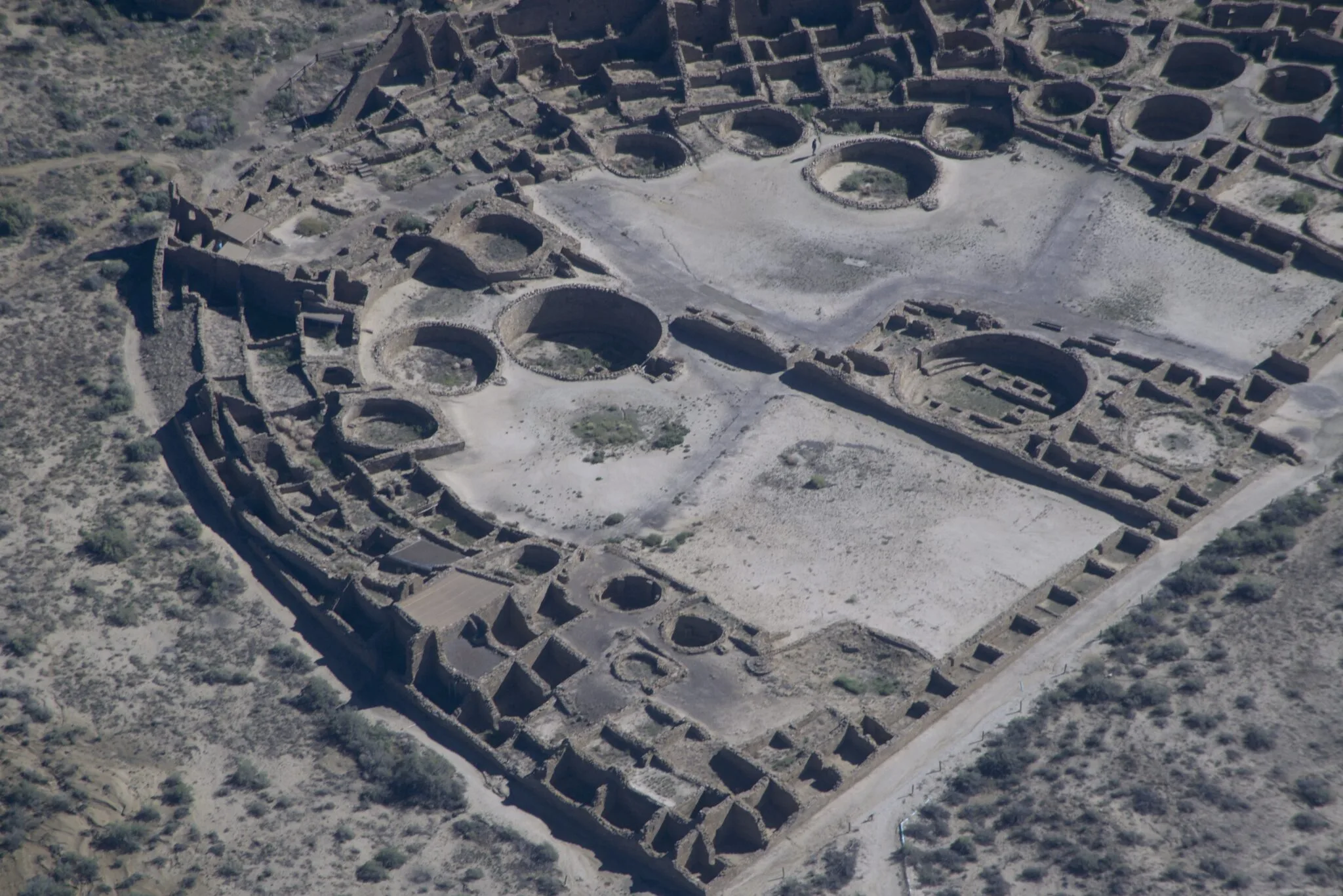
A coalition of New Mexico’s federal congressional delegation and prominent tribal officials has vehemently accused the Trump administration of orchestrating an expedited process to dismantle a critical federal ban on oil and gas drilling in the vicinity of Chaco Culture National Historical Park. This controversial move, perceived as a significant threat to a UNESCO World Heritage site and ancestral lands sacred to numerous Indigenous communities, has ignited fierce opposition, with critics highlighting an exceptionally brief public comment period as a calculated attempt to stifle democratic engagement. The administration’s proposal seeks to overturn a protective measure established during the Biden administration, which implemented a 20-year moratorium on new oil and gas development across federal lands situated within a 10-mile radius of the iconic historical park.
On Monday, the U.S. Bureau of Land Management (BLM) published an online announcement, initiating a mere seven-day "scoping period" for public feedback on the proposed reversal, a crucial preliminary step in the environmental review process. This exceptionally short window for comment is scheduled to conclude on April 7, a period that inconveniently coincides with major religious observances such as Easter and Passover, alongside several significant traditional holidays observed by the Pueblo nations. This timing has drawn sharp condemnation, with stakeholders arguing it deliberately disenfranchises communities whose voices are most directly impacted by the decision.
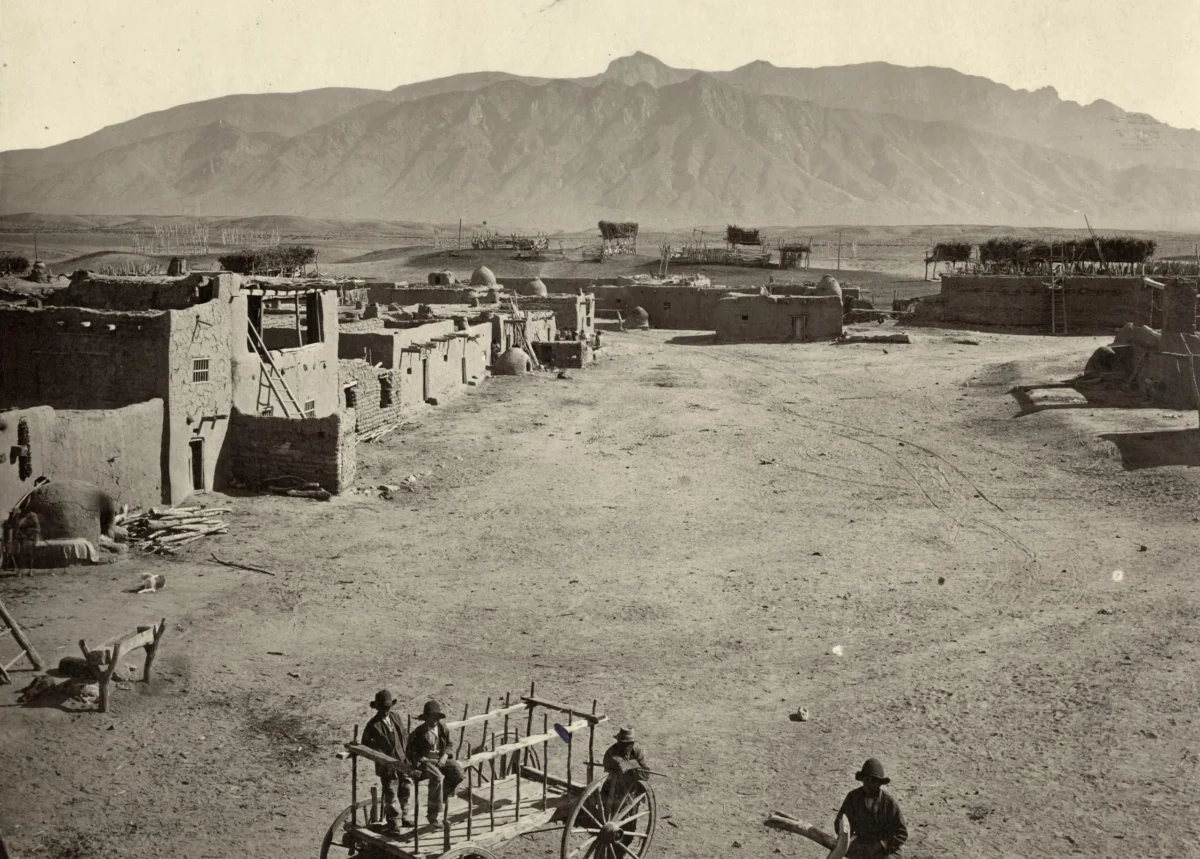
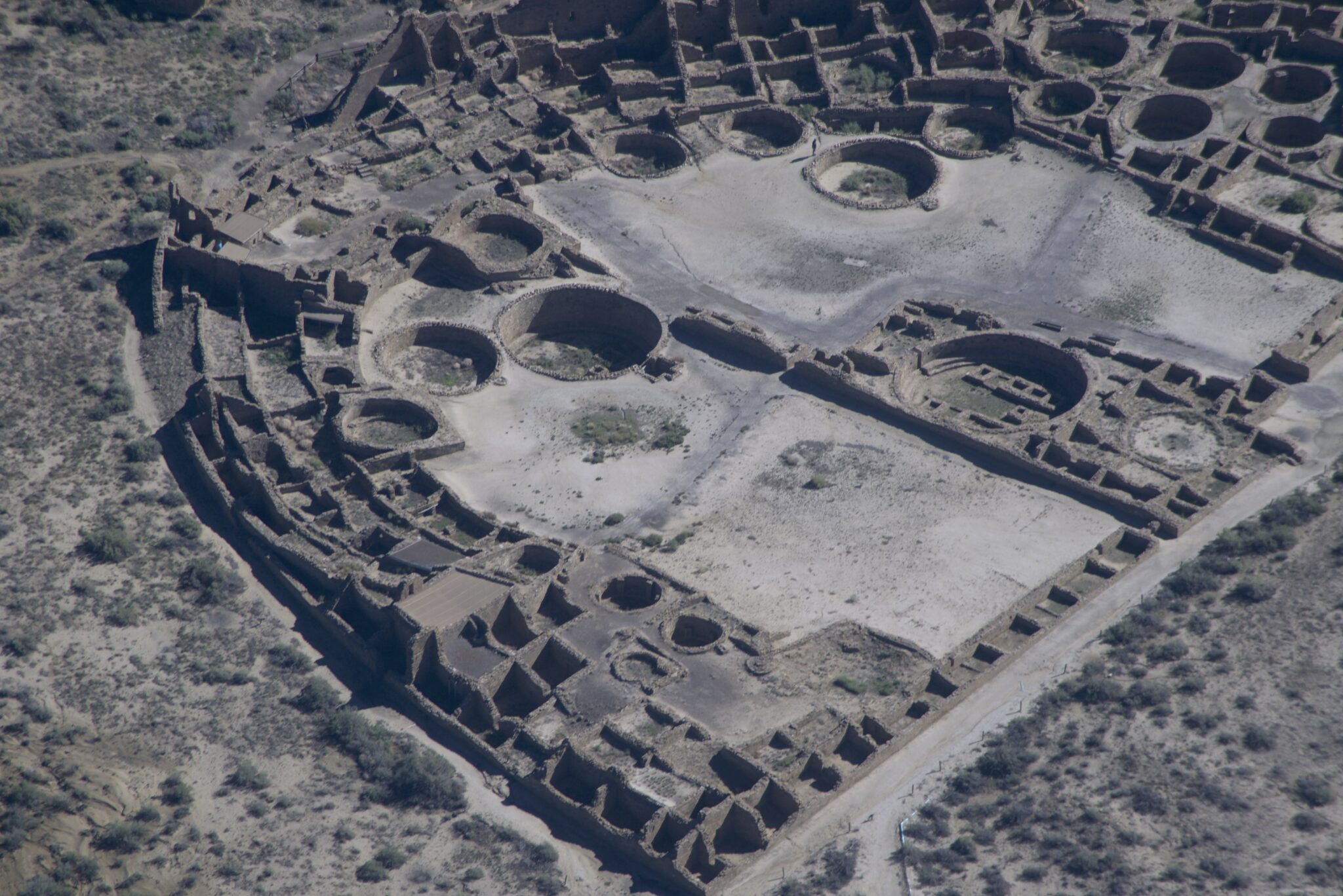
Chaco Culture National Historical Park, nestled in northwestern New Mexico, represents one of the most significant pre-Columbian cultural and historical areas in North America. Flourishing between 850 and 1250 AD, Chaco Canyon served as a major center of ancestral Puebloan culture, characterized by monumental public buildings, intricate road networks, and sophisticated astronomical alignments. Structures like Pueblo Bonito, Chetro Ketl, and Kin Kletso stand as testaments to advanced architectural and engineering prowess, reflecting a complex society that mastered arid land agriculture and established far-reaching trade routes. For modern Pueblo and Navajo peoples, Chaco is not merely an archaeological site but a living cultural landscape, deeply imbued with spiritual meaning, ancestral connections, and an enduring sense of identity. Its designation as a UNESCO World Heritage Site underscores its universal value, calling for its preservation for future generations worldwide.
The Biden-era protection, formalized as Public Land Order No. 7923 in 2023, was the culmination of years of advocacy from tribal nations, environmental groups, and New Mexico political leaders who sought to safeguard the integrity of Chaco Canyon from encroaching industrial development. This withdrawal effectively paused new federal oil and gas leasing within the designated buffer zone, allowing for comprehensive cultural and environmental assessments. The Trump administration’s current efforts to revoke this order align with its broader "energy dominance" agenda, prioritizing fossil fuel extraction on public lands, often at the expense of environmental protection and cultural preservation. This policy shift signifies a stark divergence from the conservation-focused approach of the preceding administration, reigniting a long-standing conflict over land use in the resource-rich San Juan Basin.
All five members of New Mexico’s entirely Democratic congressional delegation, who collectively reintroduced legislation last April aimed at securing permanent protection for Chaco Canyon, swiftly issued statements denouncing both the proposed reversal and the truncated comment period. U.S. Senator Martin Heinrich, a ranking member of the U.S. Senate Energy and Natural Resources Committee, articulated profound disappointment. "Chaco Canyon is a living cultural landscape that holds deep historical meaning and is a sacred space for many of our New Mexico Tribes," Senator Heinrich stated, emphasizing its irreplaceable value. "It is not just one more place to drill. The disrespect shown by the Trump administration toward New Mexicans seems to know no bounds." His sentiments were echoed by U.S. Senator Ben Ray Luján, who branded the seven-day public comment window as "inadequate and disgraceful" for a site of such profound, millennial-old significance.
Adding to the chorus of opposition, New Mexico Land Commissioner Stephanie Garcia Richard condemned the administration’s plan as "disastrous." In 2023, Commissioner Garcia Richard independently imposed a 20-year ban on new oil and gas activity across more than 72,000 acres of state trust lands located within the same 10-mile protective buffer around Chaco, demonstrating a strong state-level commitment to preservation. She forcefully criticized the federal government’s approach, stating, "Giving only seven days for communities to respond, with no public meetings planned, is a slap in the face to the people who have called this place home long before there ever was a United States government." This assertion highlights the perceived disregard for the ancestral claims and deep historical ties of Indigenous peoples to the land.
The online-only submission requirement for public comments further exacerbates concerns about equitable access and participation. Acoma Pueblo Governor Charles Riley, in an interview, underscored the "substantial barrier" this digital-first approach presents, particularly for tribal communities. "Too many of our community members and elders have inconsistent or unreliable internet access," Governor Riley explained, pointing to the persistent digital divide in many rural and Indigenous areas. He urged the federal government to expand public comment options to include traditional mail or in-person forums, ensuring that all voices, especially those from directly affected communities, can be heard. This issue resonates with broader global challenges where technological disparities often marginalize Indigenous populations from critical decision-making processes impacting their lands and heritage.

The All Pueblo Council of Governors, representing 20 Pueblo nations in New Mexico and Texas, expressed collective dismay over the federal initiative to undo existing protections. Chairman Joey Sanchez of Santa Ana Pueblo reiterated the profound spiritual connection to the site, stating, "Chaco Canyon will always be revered and respected as a sacred place by Pueblo people. We will use our collective voice to continue the fight." This unified stance underscores the deep cultural and spiritual significance of Chaco Canyon, which transcends mere archaeological interest to embody a living, sacred landscape for contemporary Indigenous communities.
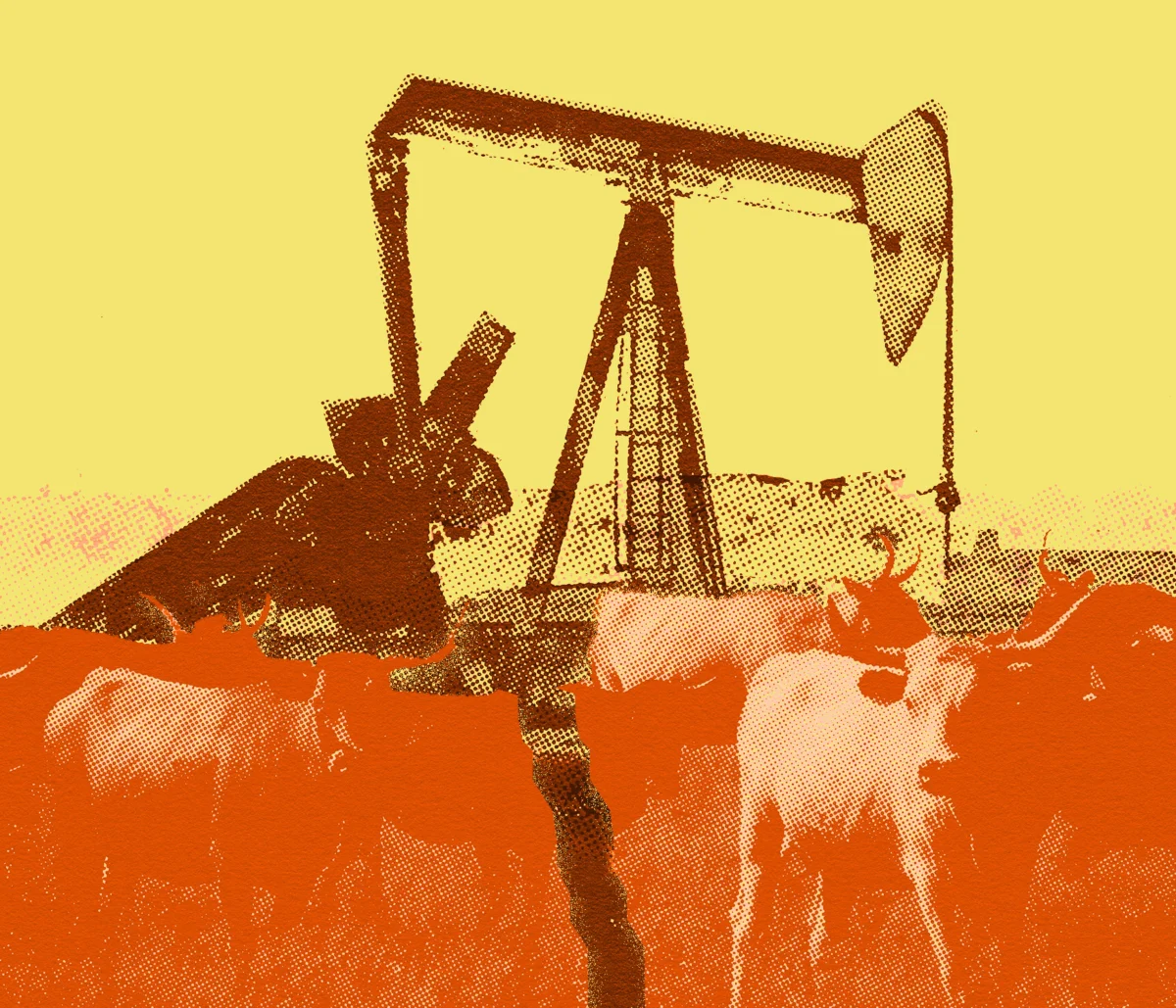
The conflict over Chaco Canyon epitomizes a global dilemma: how to balance the economic imperative of resource extraction with the irreplaceable value of cultural heritage and environmental conservation. The San Juan Basin, rich in natural gas and oil, is a significant contributor to New Mexico’s economy, generating substantial revenue and supporting local jobs. However, expanded drilling operations bring with them a host of environmental concerns, including increased air and water pollution, habitat fragmentation, noise and light pollution that degrades the night sky, and potential damage to archaeological sites from seismic activity and ground disturbance. The cumulative impact of industrial activity within a buffer zone could irrevocably alter the landscape, disrupting the very solitude and sacredness that defines Chaco Canyon for its cultural custodians.
This struggle also highlights fundamental questions of tribal sovereignty and the federal government’s trust responsibility to Indigenous nations. Effective and respectful consultation with tribal governments is not merely a procedural step but a moral and legal obligation, particularly when decisions directly impact ancestral lands and cultural resources. The hurried nature of the public comment period, coupled with the reliance on a potentially inaccessible digital portal, suggests a failure to uphold these principles, prompting accusations of procedural impropriety and a deliberate attempt to circumvent meaningful engagement.
Globally, similar battles unfold where indigenous lands and ancient sites face pressures from industrial development, from the Amazon rainforest to the ancestral lands of Australia’s Aboriginal peoples. The case of Chaco Canyon serves as a critical test of whether the United States can genuinely commit to protecting its most treasured cultural landscapes and honor its obligations to Indigenous communities in the face of competing economic interests. The outcome of this contentious debate will not only determine the future of Chaco Canyon but will also set a significant precedent for how cultural heritage, environmental justice, and tribal rights are weighed against resource development on public lands across the nation. As the April 7 deadline looms, stakeholders remain resolute, preparing for a protracted struggle to safeguard Chaco Canyon for generations to come.