Johny Prima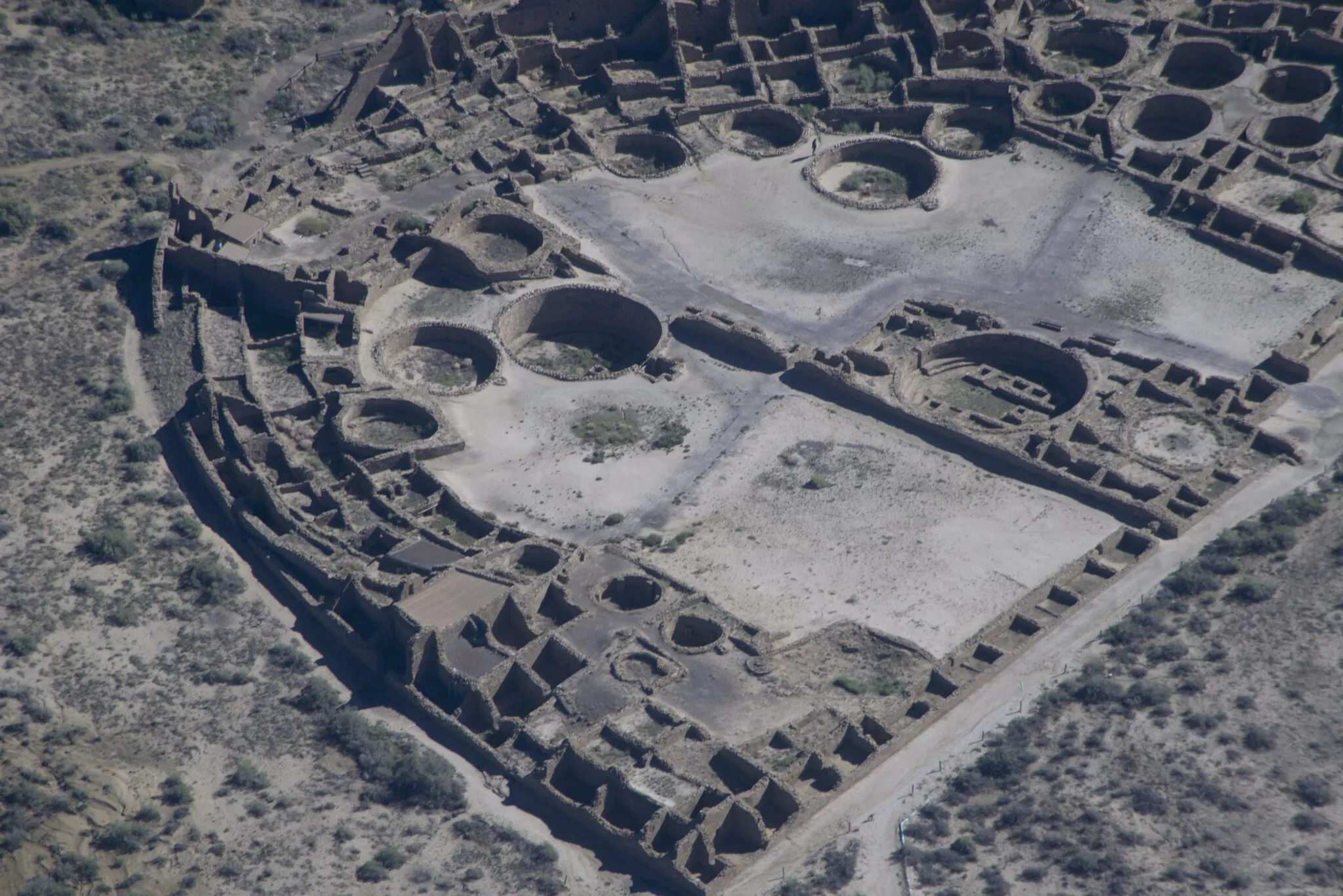
New Mexico’s federal delegation and tribal officials have vehemently accused the Trump administration of orchestrating a rushed process to undo a vital federal ban on oil and gas drilling in the culturally sensitive areas surrounding Chaco Culture National Historical Park. This contentious move, which seeks to reverse a Biden-era protection order, has ignited widespread condemnation, particularly due to a severely truncated public comment period that coincides with major religious and traditional holidays. The U.S. Bureau of Land Management (BLM) on Monday initiated an online public comment opportunity, or "scoping period," for an environmental review regarding the proposed reversal, granting an unprecedented mere seven days for stakeholders to voice their concerns. This swift timeline, set to conclude on April 7, clashes directly with the observance of Easter, Passover, and several significant traditional Pueblo holidays, effectively marginalizing the voices of the very communities most profoundly connected to Chaco Canyon.
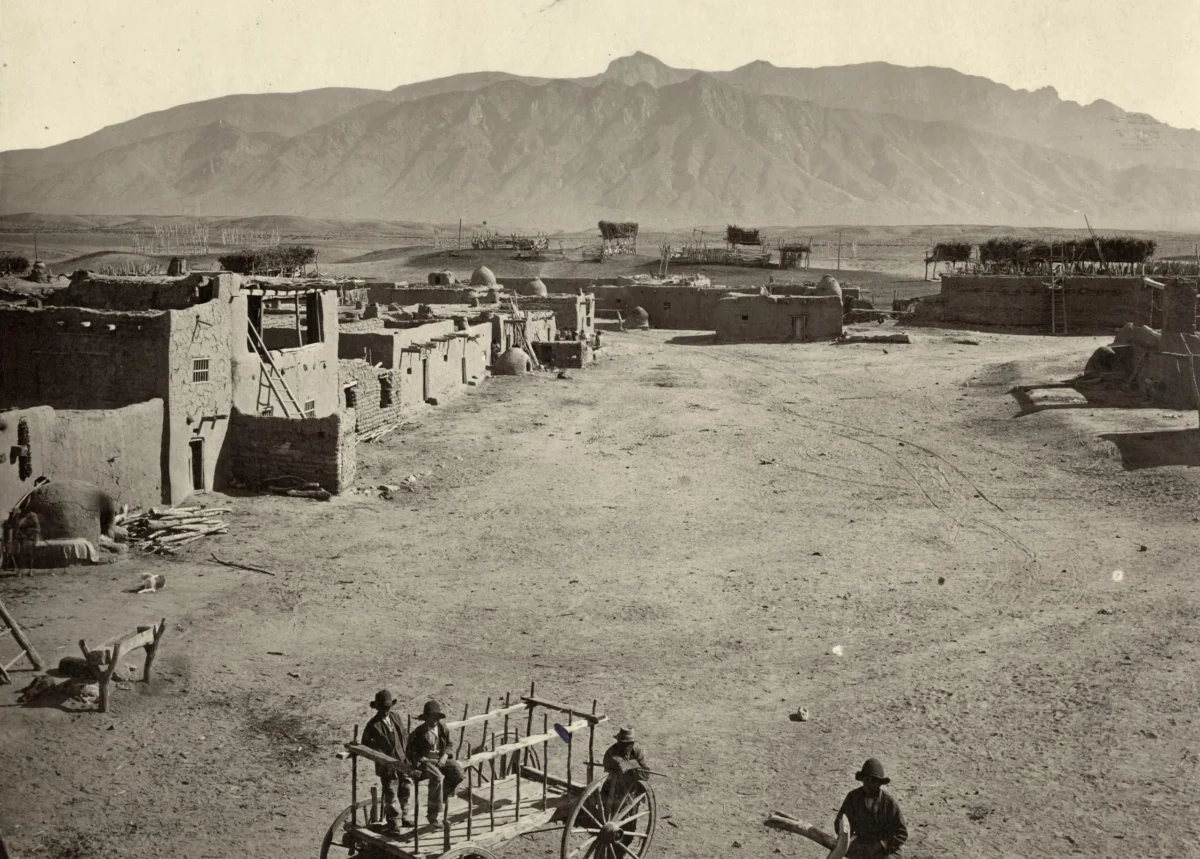
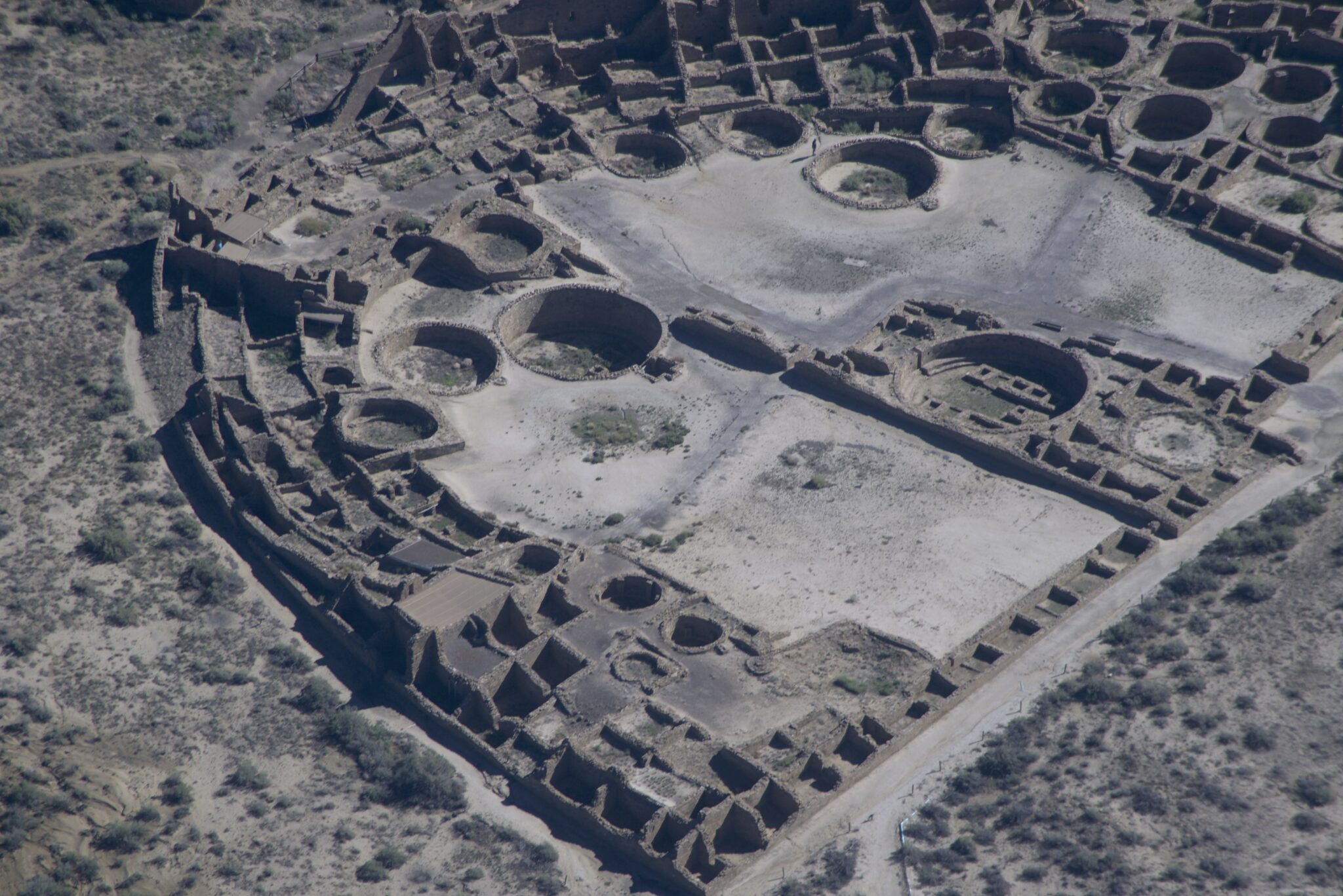
Chaco Culture National Historical Park, a UNESCO World Heritage site nestled in northwestern New Mexico, represents a monumental achievement of ancestral Pueblo people. From approximately 850 A.D. to 1250 A.D., Chaco Canyon served as a major center of culture, trade, and ceremony, characterized by its distinctive monumental public buildings, or "great houses," and an intricate network of ancient roads. These structures, built with remarkable architectural precision and astronomical alignment, demonstrate a sophisticated understanding of engineering and cosmology. For the modern Pueblo people and other descendant communities, including the Navajo Nation, Chaco Canyon is not merely an archaeological site; it is a living cultural landscape, a sacred ancestral home, and a spiritual heartland that continues to inform their identity, traditions, and spiritual practices. The integrity of this sacred space is considered paramount, serving as a direct link to their ancestors and a repository of invaluable cultural knowledge.
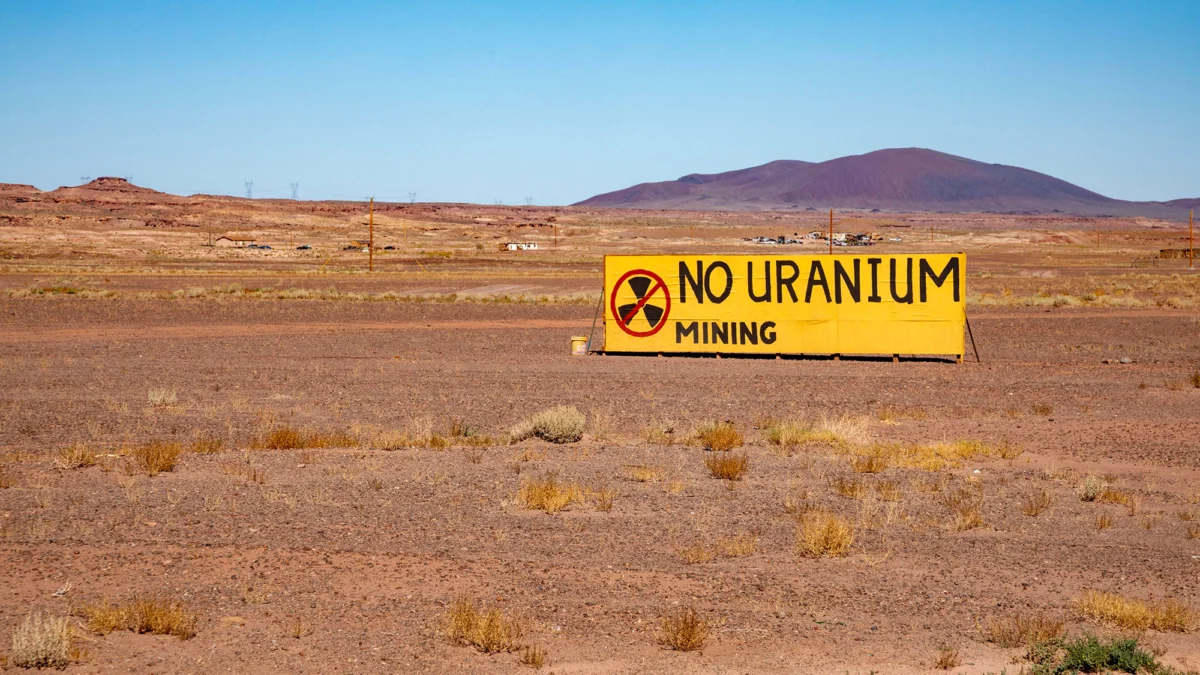
For years, tribal nations, environmental groups, and New Mexico’s political leaders have advocated tirelessly for enhanced protections for Chaco Canyon and its surrounding areas, recognizing the irreparable harm that industrial development, particularly oil and gas extraction, could inflict. This persistent advocacy culminated in a significant victory during the Biden administration, which in 2023 issued a 20-year withdrawal, effectively imposing a ban on new oil and gas leasing on federal lands within a 10-mile radius of the historical park. This protective measure was a direct response to deep-seated concerns over the potential for visual blight, noise pollution, air quality degradation, water contamination, and the destruction of undiscovered archaeological sites that drilling operations could entail. The ban aimed to safeguard both the tangible heritage of Chaco and the intangible spiritual and cultural values held by descendant communities.
However, for the past year, the Trump administration, or at least proponents of policies associated with it, has floated a proposal to dismantle these hard-won protections, signaling a renewed push for energy development over cultural preservation. The recent online announcement by the BLM, which falls under the Department of the Interior, marks a concrete step towards this reversal, triggering immediate and widespread alarm. The "scoping period" is the initial phase of an environmental review process mandated by the National Environmental Policy Act (NEPA), during which the public and stakeholders can identify issues and concerns to be addressed in the environmental impact analysis. Typically, such periods extend for 30 to 90 days, allowing ample time for comprehensive input, especially for complex issues involving sensitive cultural resources and diverse communities. The seven-day window provided by the BLM is a drastic departure from standard practice, raising serious questions about the transparency and fairness of the process.
All five members of New Mexico’s all-Democratic congressional delegation, who last April reintroduced legislation aimed at permanently protecting Chaco Canyon, swiftly released statements condemning both the proposed reversal and the truncated comment period. U.S. Senator Martin Heinrich, a ranking member of the U.S. Senate Energy and Natural Resources Committee, sharply criticized the move, stating, "Chaco Canyon is a living cultural landscape that holds deep historical meaning and is a sacred space for many of our New Mexico Tribes. It is not just one more place to drill. The disrespect shown by the Trump administration toward New Mexicans seems to know no bounds." His sentiments were echoed by U.S. Senator Ben Ray Luján, who labeled the seven-day comment period "inadequate and disgraceful" for a site of such profound, millennia-old significance.
Further compounding the criticism, New Mexico Land Commissioner Stephanie Garcia Richard, who herself implemented a 20-year ban on oil and gas activity on over 72,000 acres of state trust lands within 10 miles of Chaco in 2023, denounced the federal plan as "disastrous." She underscored the profound insult inherent in the expedited process, stating, "Giving only seven days for communities to respond, with no public meetings planned, is a slap in the face to the people who have called this place home long before there ever was a United States government." Her proactive state-level ban highlights a growing divergence between state and federal approaches to land management in New Mexico, with state officials often taking more protective stances on culturally significant landscapes.
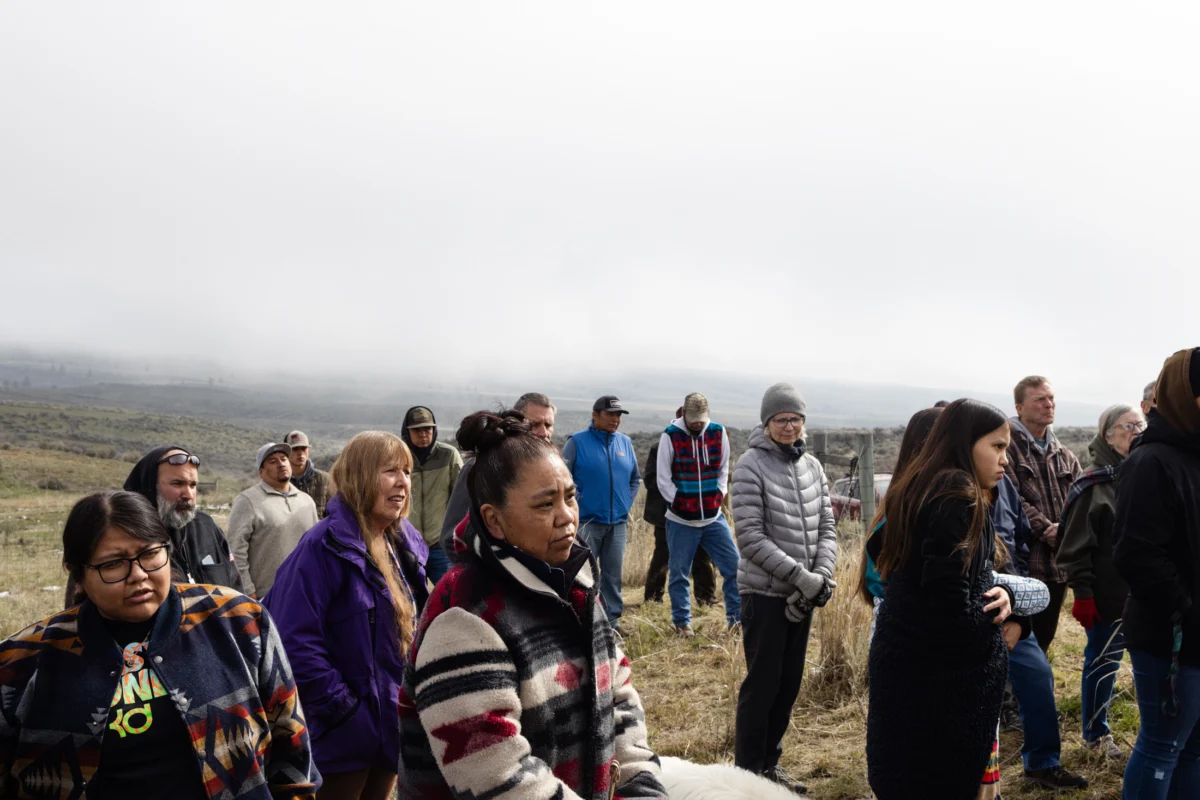
Tribal leaders have voiced particularly strong objections to the process. Acoma Pueblo Governor Charles Riley highlighted the severe digital divide prevalent in many Indigenous communities, explaining that the requirement to submit public comments solely through an online portal constitutes a "substantial barrier." He noted, "Too many of our community members and elders have inconsistent or unreliable internet access. This approach basically excludes voices that should be included," urging the federal government to expand comment options to include mail or in-person submissions. This lack of equitable access to the comment process is a recurring issue for remote and underserved communities, undermining the very principle of public participation in federal decision-making.

The All Pueblo Council of Governors (APCG), representing the 19 Pueblo nations of New Mexico, expressed deep dismay over the federal effort to unwind the protections. Chairman Joey Sanchez (Santa Ana) affirmed the unwavering commitment of the Pueblo people: "Chaco Canyon will always be revered and respected as a sacred place by Pueblo people. We will use our collective voice to continue the fight." This unified stance from tribal leadership underscores the deep cultural and spiritual stakes involved, framing the struggle as a matter of ancestral reverence and the preservation of Indigenous heritage.
The proposed reversal of protections around Chaco Canyon is not an isolated incident but part of a broader, ongoing debate across the globe regarding the balance between resource extraction, economic development, and the preservation of cultural heritage and environmental integrity. Globally, UNESCO World Heritage Sites often face threats from industrial activities, prompting calls for stronger international cooperation and adherence to protective guidelines. For Chaco, a site recognized for its "universal value," the potential reintroduction of drilling represents a significant challenge to these international preservation norms. The economic allure of oil and gas development in New Mexico, a state heavily reliant on severance taxes from the industry, often clashes with the long-term environmental and cultural costs. However, there is a growing recognition that cultural tourism and the sustainable management of natural resources can also be powerful economic drivers, offering a more enduring and respectful path forward for communities and their heritage. The current federal push to dismantle protections at Chaco Canyon stands as a critical test of environmental justice, tribal sovereignty, and the commitment to safeguarding irreplaceable cultural landscapes for future generations. The short comment period and the perceived disregard for tribal input have only intensified the resolve of New Mexico’s leaders and Indigenous communities to defend this hallowed ground against industrial encroachment.