Roger Danuarta
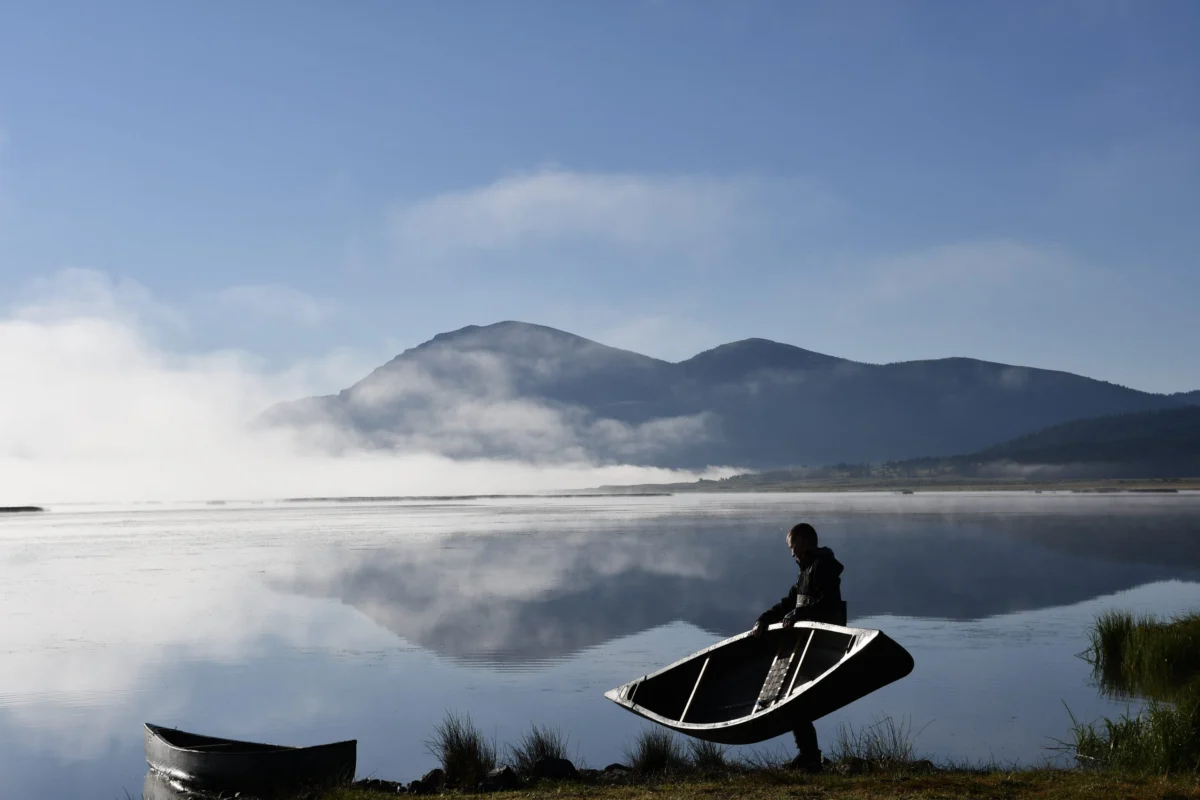
The rugged heart of the American West, epitomized by the Greater Yellowstone Ecosystem, faces an unprecedented crisis as a sweeping campaign of federal agency downsizing leaves critical public lands vulnerable, impacting everything from trail maintenance to vital wildlife research and long-standing tribal agreements. A recent backcountry expedition into Wyoming’s Bridger-Teton National Forest, a crucial component of this vast ecological network, underscored the palpable deterioration. What should have been a routine llama-packing trip in mid-August 2025 quickly transformed into an arduous struggle against a landscape increasingly untended. Our group, comprising four adults, three children, four llamas, and two dogs, found our path repeatedly blocked by massive logjams—tangled messes of lodgepole pine, limbs, and trunks that obscured trail intersections and rendered sections impassable. We had anticipated some natural obstacles within the forest’s more than 1.3 million acres of wilderness, but the sheer scale of the blockages was alarming, forcing us to wield handsaws for hours, a metaphor for the broader systemic breakdown affecting federal lands.
This challenging encounter reflected the profound consequences of the "Department of Government Efficiency" (DOGE), an initiative established by President Donald Trump in January 2025, with soon-to-be billionaire Elon Musk at its helm. DOGE’s mandate to streamline government operations resulted in significant workforce reductions across federal agencies, including a staggering 5,860 Forest Service employees either fired or compelled to leave by the summer of 2025. This rapid attrition directly translated into a dramatic reduction in the capacity for essential land management, from clearing trails to monitoring wildlife and enforcing environmental regulations, creating a ripple effect across the nation’s treasured public domain.
The impact of these cuts was swift and widespread, beginning with what many federal employees termed the "Valentine’s Day Massacre." On February 14, 2025, thousands of probationary employees across the Forest Service, Fish and Wildlife Service (FWS), Bureau of Land Management (BLM), and other agencies received immediate termination notices via email. The subsequent months saw a sustained campaign of firings and buyouts. By September, the Forest Service had lost 16% of its workforce, the National Park Service (NPS) saw a 24% reduction in permanent staff, even at flagship parks like Grand Teton, and the Bureau of Land Management lost over 32% of its personnel. These dramatic staffing declines crippled agencies responsible for managing vast swathes of federal land and protecting invaluable natural resources.

The repercussions extended deeply into scientific research and conservation efforts. Scott Jackson, leader of the Forest Service’s National Carnivore Program, witnessed the demise of his decade-long meso-carnivore monitoring project by May 2025. Focused on understanding how elusive species like lynx, wolverines, and fishers adapted to climate and forest changes across the Rockies, the project, always operating on a lean budget, found its 2025 funding abruptly cut. Equipment, including specialized snowmobiles and DNA kits, was dismantled, and winter technician positions went unfilled. Jackson, after a 40-year career dedicated to wildlife, retired early in August, unwilling to endure the pervasive uncertainty and frustration. He expressed profound concern that restarting such comprehensive, long-term research would be prohibitively expensive and that without consistent monitoring, these lesser-known carnivores could silently disappear from the public consciousness.
Similar fates befell other crucial scientific endeavors. The U.S. Geological Survey’s Cooperative Fish and Wildlife Unit at the University of Wyoming, part of a nationwide research network vital for connecting state wildlife managers with university researchers, faced existential threats. Although Congress ultimately pushed back against a White House Office of Management and Budget proposal to entirely defund the USGS Ecosystems Mission Area, the administration imposed stringent approval requirements for spending, effectively freezing appropriated funds. This bureaucratic entanglement meant that critical resources for capturing and studying mule deer, deploying tracking collars, and supporting graduate students were inaccessible, leaving many projects stalled despite alternative state and nonprofit funding.

The disarray also disrupted emerging conservation initiatives. Niall Clancy, who was poised to establish a nongame fisheries program for Idaho’s Fish and Game Department in October 2024, saw his plans halted in early 2025. The U.S. Fish and Wildlife Service’s routine allocations to states for wildlife conservation were delayed by the administration, leading Idaho to freeze new programs. Clancy, who spent much of 2025 waiting for federal funds to materialize, highlighted the pervasive uncertainty plaguing conservation efforts, making long-term planning impossible. Even long-standing interagency collaborations, such as the Forest Service’s vital annual gathering in Lamar Valley, which brought together diverse stakeholders to address critical issues like climate change and wildlife management in the Greater Yellowstone, ceased to exist.
Beyond research, the practical aspects of public land management suffered visibly. The Bridger-Teton National Forest, for instance, lost its entire three-person wilderness crew, including experienced ranger Peggie dePasquale. DePasquale, who held a master’s degree and dedicated years to environmental stewardship, had been moved into a permanent, albeit probationary, role by the previous administration, only to be summarily dismissed on February 14, 2025. This loss of trained personnel directly contributed to the dilapidated trails, overflowing toilets, and an observable rise in visitor non-compliance. One anonymous Bridger-Teton ranger reported issuing more citations in summer 2025 than ever before, noting a distinct decline in visitor respect for regulations, directly attributing it to the perceived chaos and lack of enforcement capacity.

Even the more robustly staffed national parks felt the strain. Grand Teton National Park, typically operating with a minimal vacancy rate, now grapples with a quarter of its permanent staff missing, a direct result of deferred resignations and retirements spurred by DOGE. President Trump’s Executive Order 14210, mandating that most federal agencies hire only one employee for every four departures, ensures these crucial positions remain unfilled. While visitors might not immediately perceive a difference due to the continued presence of seasonal staff, Superintendent Chip Jenkins warned of severe long-term consequences, including potential failures in emergency responder communication systems, delayed maintenance of vital infrastructure like wastewater treatment and roads, and field staff being pulled into administrative roles, further diminishing on-the-ground presence. This erosion of capacity also threatens the decades-long interagency cooperation fostered by the Greater Yellowstone Coordinating Committee, essential for managing invasive species, wildlife health, and riparian habitats across jurisdictional boundaries.
These recent cuts exacerbated an already precarious situation. Federal agencies like the Forest Service and BLM have faced decades of systematic defunding and personnel reductions. National wildlife refuges, for example, operated with a third fewer staff in 2025 than in 2010. In Wyoming, only two of 13 wilderness areas now have patrolling rangers, down from seven just a year prior. Peggie dePasquale, now working with the Wyoming Wilderness Association, lamented that agencies were "bare bones" before the recent terminations, underscoring that the current crisis is the culmination of years of underinvestment in public lands.

The impact also resonates deeply within tribal communities. Wes Martel, an enrolled member of the Eastern Shoshone Tribe and a senior conservation associate for the Greater Yellowstone Coalition, highlighted the historical context of broken promises from the federal government. Driving through the Wind River Reservation, a 2.2-million-acre expanse shared by the Eastern Shoshone and Northern Arapaho, Martel pointed to monuments of betrayal, from the 1863 treaty, which originally reserved 44 million acres but was repeatedly violated, to the 1920s Diversion Dam, which diverted water from the Big Wind River to non-Native irrigators, paid for with tribal funds. Recent legislative efforts by Wyoming Senators John Barrasso and Harriet Hageman to transfer tribal land and a hydropower plant to non-Native irrigation districts, without tribal consultation, further exemplify this ongoing disregard.
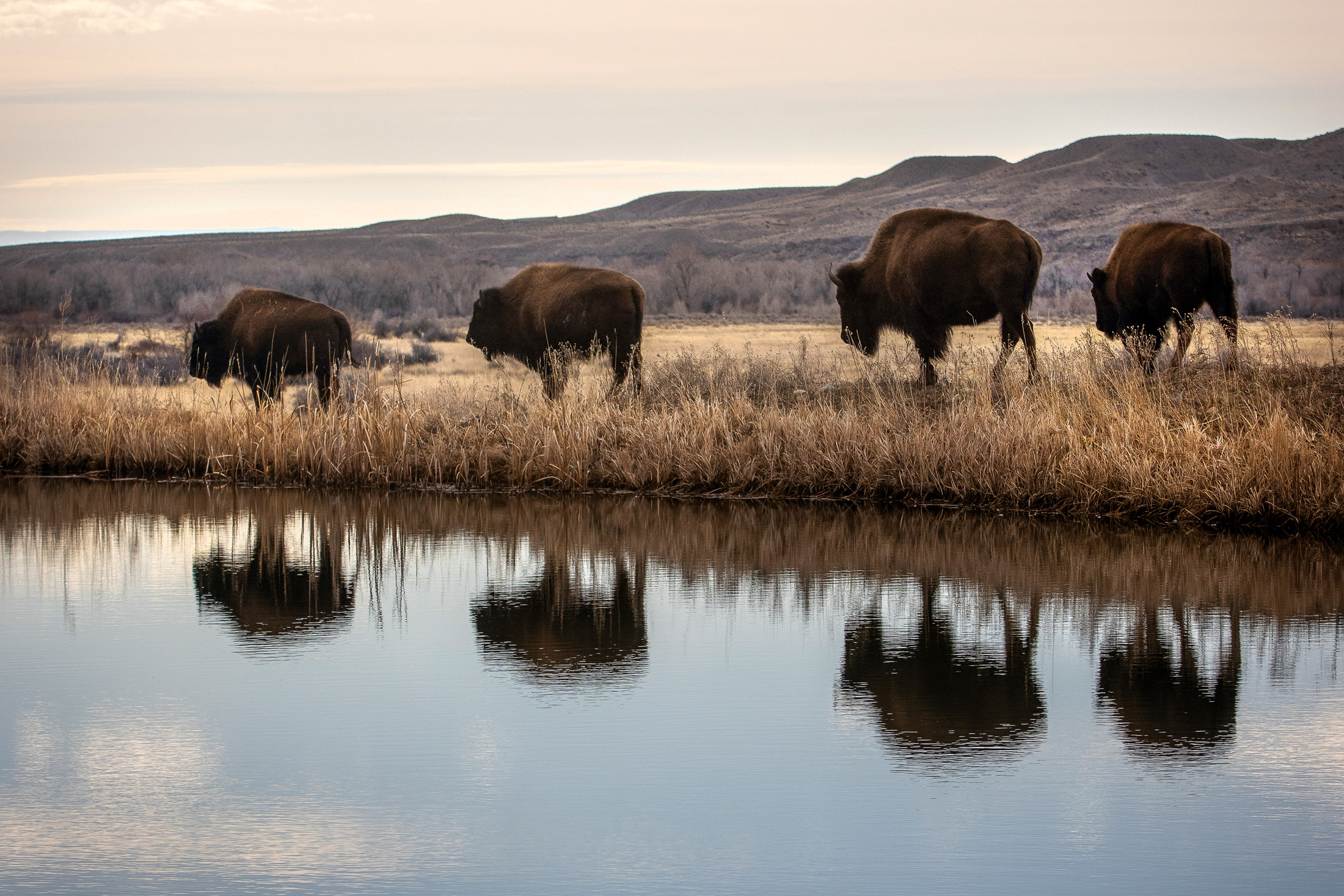
In a direct manifestation of DOGE’s influence, an attempt to close the two-person FWS office in Lander, Wyoming, which primarily serves the Wind River Reservation by providing crucial scientific and technical support for managing tribal fish and wildlife, occurred in March 2025. While the tribes successfully fought to keep it open, the constant struggle to maintain their treaty-bound relationship with federal agencies is exhausting. Richard Baldes, an Eastern Shoshone tribal member and FWS biologist, described how the Bull Lake burbot fishery, a traditional food source, faces imminent collapse due to water diversion for irrigation, yet federal agencies, including the FWS, remain silent, seemingly "afraid to stand up." In response, the tribes are intensifying their own stewardship efforts, bolstering the Eastern Shoshone buffalo herd and holding workshops to empower tribal members with knowledge of their inherent rights and governance. Martel emphasized that this is a fight for cultural and spiritual attachment to Mother Earth, a proactive resistance rooted in ancestral resilience.

Private land conservation, a critical but often overlooked aspect of ecosystem health, also suffered substantial setbacks. Arthur Middleton, a University of California, Berkeley professor specializing in Wyoming wildlife, noted that the approximately 6 million acres of private land within the Greater Yellowstone Ecosystem are essential for sustaining wildlife, especially given skyrocketing land values. Chet Work, executive director of the Gallatin Valley Land Trust, reported that Montana alone saw $75 million in federal conservation easement grants canceled in 2025, a third of which would have benefited the Greater Yellowstone. These easements, which prevent future development, are vital tools for landowners seeking to preserve their properties and critical wildlife corridors. The abrupt cancellation of federal funding, which helps offset the cost of these easements, means fewer families can keep their working lands intact, leaving them vulnerable to subdivision and development, a permanent loss of habitat for migratory mammals.
Federal agricultural programs, designed to incentivize conservation on private lands, also faced significant cuts. The Grasslands Conservation Reserve Program, which pays landowners to manage their land in a wildlife-friendly manner, saw payment rates plummet from $13 per acre to as little as $1 per acre in many counties. Lesli Allison, CEO of the Western Landowners Alliance, stated that this drastic reduction renders the program "meaningless" as an incentive for conservation. Rancher Jim Hellyer, currently enrolled in the program, confirmed that even the higher payments barely cover implementation costs, making the reduced rates unviable. The overarching sentiment among ranchers and landowners is one of profound uncertainty and increased bureaucratic frustration, leading to delays and a lack of responsiveness from understaffed agencies.

Despite the chaotic and damaging past year, a resilient spirit persists. Public opinion polls consistently demonstrate strong bipartisan support for conservation. Colorado College’s 2025 Conservation in the West poll revealed that 86% of voters in eight Western states, including 75% of MAGA supporters, expressed concern over cuts to public-land agencies. A record 76% of respondents desired greater emphasis on conservation and recreation over maximizing energy production. This public pushback has already thwarted congressional proposals to sell off millions of acres of public land. Experts like Bob Keiter, a University of Utah law professor, believe that despite the current administration’s attacks—including proposed rescissions of key environmental rules and the continued implementation of Project 2025—the public’s unwavering support for these lands will ultimately prevail.
Jacob Malcom, former director of the Interior Department’s Office of Policy Analysis, views the current upheaval as a potential "opportunity" for "reconstruction"—a chance to critically assess what works and rebuild stronger, more effective systems. While the immediate future of the Greater Yellowstone Ecosystem and other public lands remains fraught with uncertainty and the threat of unrecognized degradation, the collective distress signals from researchers, land managers, tribal communities, and conservation groups are being met by growing public awareness and a burgeoning commitment to stewardship. The question remains whether this nascent reconstruction effort can stem the tide of decline before the irreplaceable values of these landscapes are lost forever.