Roger Danuarta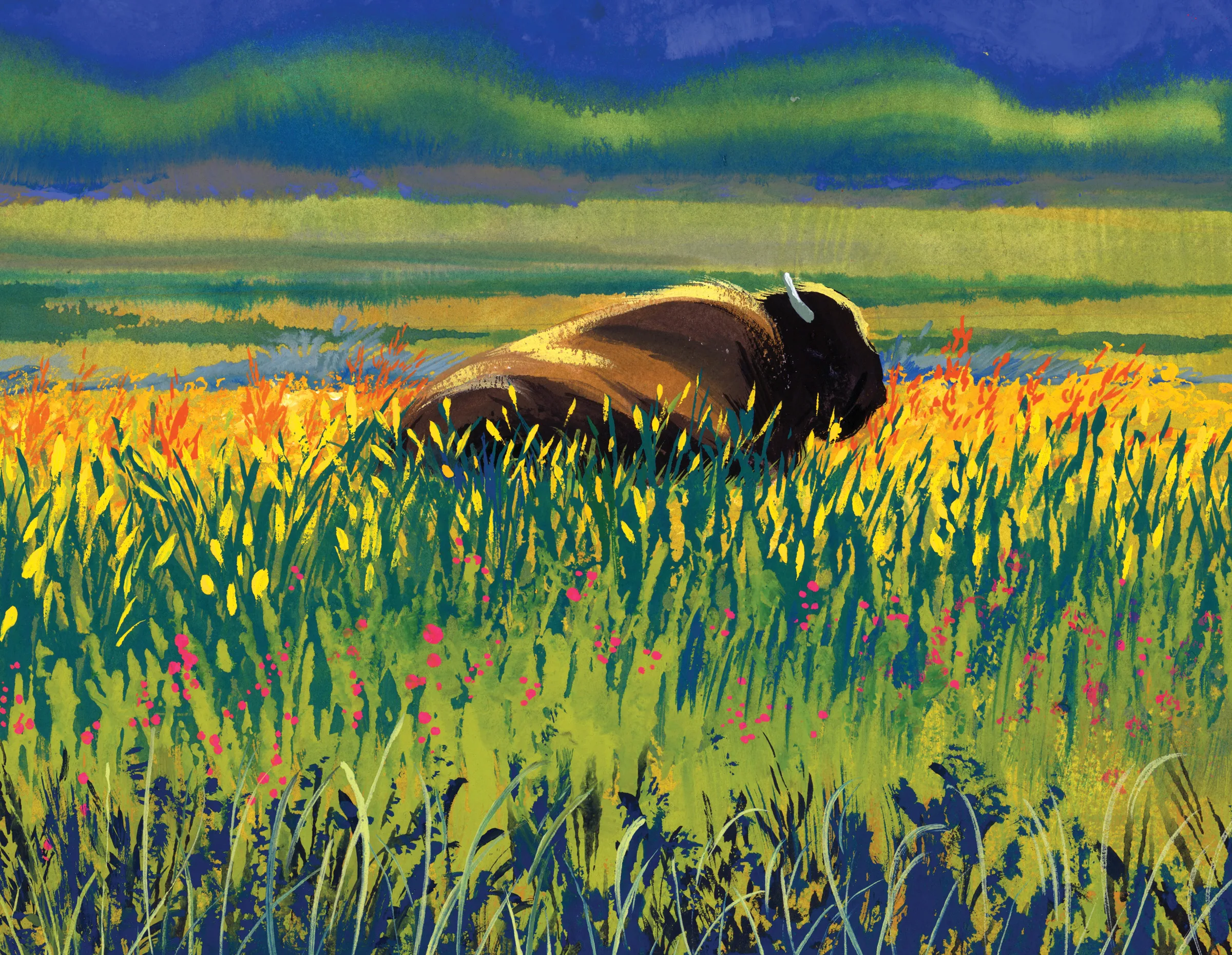
The earnest declaration from a newly four-year-old, Marigold, that she is "a big kid now" and therefore "big kids don’t sleep" encapsulates a deeply ingrained societal pressure that extends far beyond the nursery. This spirited pronouncement, coupled with her imaginative bedtime resistance – tales of elven journeys to the North Pole, intricate shadow interpretations, and quests for midnight feasts – mirrors a universal human struggle against the pervasive expectation of constant activity. While her older sister succumbs swiftly to sleep, Marigold’s deliberate lingering in the liminal space between day and night reflects an innate reluctance to cede control to rest, a trait that often intensifies with adulthood in an increasingly demanding world.
For many, including this writer, the elusive nature of rest is a palpable reality. Juggling the demands of two young children, a full-time profession, and frequent travel for speaking engagements, alongside the creative rigors of a new novel and a stage play, has compressed personal time into an almost non-existent commodity. The past two months have seen only two weeks spent at home, a stark testament to the relentless pace of modern life. The ubiquitous digital sphere further exacerbates this "always-on" culture, transforming smartphones into tethered extensions of professional and parental responsibilities, constantly pinging with emails, updates, and urgent notifications. This relentless connectivity erodes the traditional boundaries between work and personal life, making true disengagement a significant challenge. The sheer exhaustion can be overwhelming, manifesting as a profound weariness that can only be alleviated by moments of complete stillness, like staring blankly at a wall – a quiet, almost guilt-ridden act of self-preservation necessary to muster the energy for essential domestic tasks.
This pervasive societal narrative, which often equates self-worth with ceaseless productivity and views rest as a luxury or even a weakness, finds an unexpected counter-narrative in the recent story of Ralphie VI, the University of Colorado’s former live bison mascot. Born Ember in 2020, she was introduced in 2021 as a majestic 500-pound calf, destined to ignite stadium fervor by running a lap before the second half of football games. However, Ember displayed a consistent "indifference to running," rarely venturing past the 50-yard line and often adopting a leisurely saunter instead of a full-speed gallop. Her final official appearance at the 2024 Alamo Bowl sparked humorous commentary about her "opting out" of the game, a lighthearted yet poignant observation on her refusal to conform to performance expectations.
A university press release candidly acknowledged Ember’s lack of "juice or desire to run at full speed, often displaying apathy towards the, at times, 1,300-lb animal’s primary job." This stands in stark contrast to her predecessor, Ralphie V, affectionately known as Blackout, whose zealous, even excessive, speed posed safety concerns for both herself and her handlers. The university’s decision to retire Ember, ensuring her comfort and well-being, sent a powerful, albeit unintended, message. Steve Hurlbert, director of strategic communications for the university, articulated this beautifully: "Due to an indifference to running, typical of many mammals both four-legged and two-legged, it was determined that it was in Ember’s best interest, based on her disposition, to focus on relaxing strolls on the pasture, which is her favorite hobby." Ember was literally "put out to pasture," granted the freedom to live on her own terms, sharing a discreet ranch with Ralphie V – a location kept secret since the 1970 kidnapping of Ralphie I.
Ember’s story resonates deeply, embodying a spirit of unconventional independence often romanticized in the American West. She became a symbol of rugged individualism, a creature impervious to external pressures, choosing self-reliance and freedom over the constraints of convention. In a world increasingly dictating how one should live, what one should consume, and how one should achieve, Ember’s quiet defiance is a powerful antidote to exhaustion. Her simple "no," reminiscent of Melville’s Bartleby who "preferred not to," offers a compelling argument for hitting the pause button in an age of incessant motion.

This yearning for a slower pace is not new. From childhood, some individuals naturally gravitate towards a walking pace rather than a sprint. The memory of choosing "Jocks PE" over "Regular PE" in high school, driven by an aversion to swimming, highlights an early internal negotiation between perceived necessity and personal preference. The grueling two-mile run completed in precisely 17 minutes and 58 seconds, culminating in physical exertion, marked an early lesson in pushing boundaries for a desired outcome. Yet, as life progressed through academic pursuits, marriage, career advancements, and literary endeavors, this "running" often morphed into a metaphorical, relentless pursuit of achievement, often at the expense of personal well-being.
The concept of "rest as resistance" is gaining critical traction, recognizing that to effectively fight for what matters most, one must remain whole. This necessitates a conscious decision to not always be "on the run." The introduction of a university seminar titled "Rest Is Resistance" marks a significant cultural shift, particularly within institutions that have historically championed relentless productivity. For many faculty members, hearing from their workplace that productivity does not solely equate to success, and that taking breaks, disengaging from emails after hours, and protecting weekends are not just permissible but encouraged, was a revelation. Implementing these boundaries, such as not answering emails after 5 p.m., quickly led to tangible improvements in personal happiness and overall well-being, demonstrating that intentional rest is not a detriment but a catalyst for sustained engagement and creativity.
The revered "Code of the West," often displayed in public spaces, champions the phrase "Ride for the brand," symbolizing unwavering loyalty and dedication to one’s employer or team. While the sentiment of commitment is admirable, a parallel conviction—"I am my own person"—gains increasing relevance in contemporary society. It challenges the notion that collective momentum should dictate individual pace. Ember, resting peacefully in her pasture, gazing at the sky, offers a powerful counter-image to the frenetic energy often demanded by the modern world. Her quiet refusal to conform becomes a powerful metaphor for reclaiming personal agency and prioritizing individual well-being over external expectations.
The global landscape underscores the urgency of this message. Burnout is recognized as a worldwide epidemic, impacting productivity, mental health, and overall societal well-being. The blurred lines between work and leisure, exacerbated by technological advancements, have created a culture where disengagement feels increasingly difficult. Recognizing the importance of rest is not merely about individual comfort; it is a critical component of public health and sustainable living.
Bringing this full circle, the simple wisdom of a child can offer profound insight. Marigold’s recent declaration, "I’m going to take a little rest. Just a little one, mama," after a vigorous play session, holds a potent lesson. Guiding her to understand that resting her body and mind prepares her for future challenges, rather than steering her towards conventional, often exhausting, paths, is paramount. In a future where digital connectivity will undoubtedly define much of her existence, the ability to consciously "put it down," to "close her eyes and press pause," will be an invaluable skill. It is about fostering the freedom to choose one’s own pace and prioritize inner well-being, ensuring that the relentless pursuit of "being a big kid" doesn’t overshadow the fundamental human need for restorative rest.