Rocky Gerung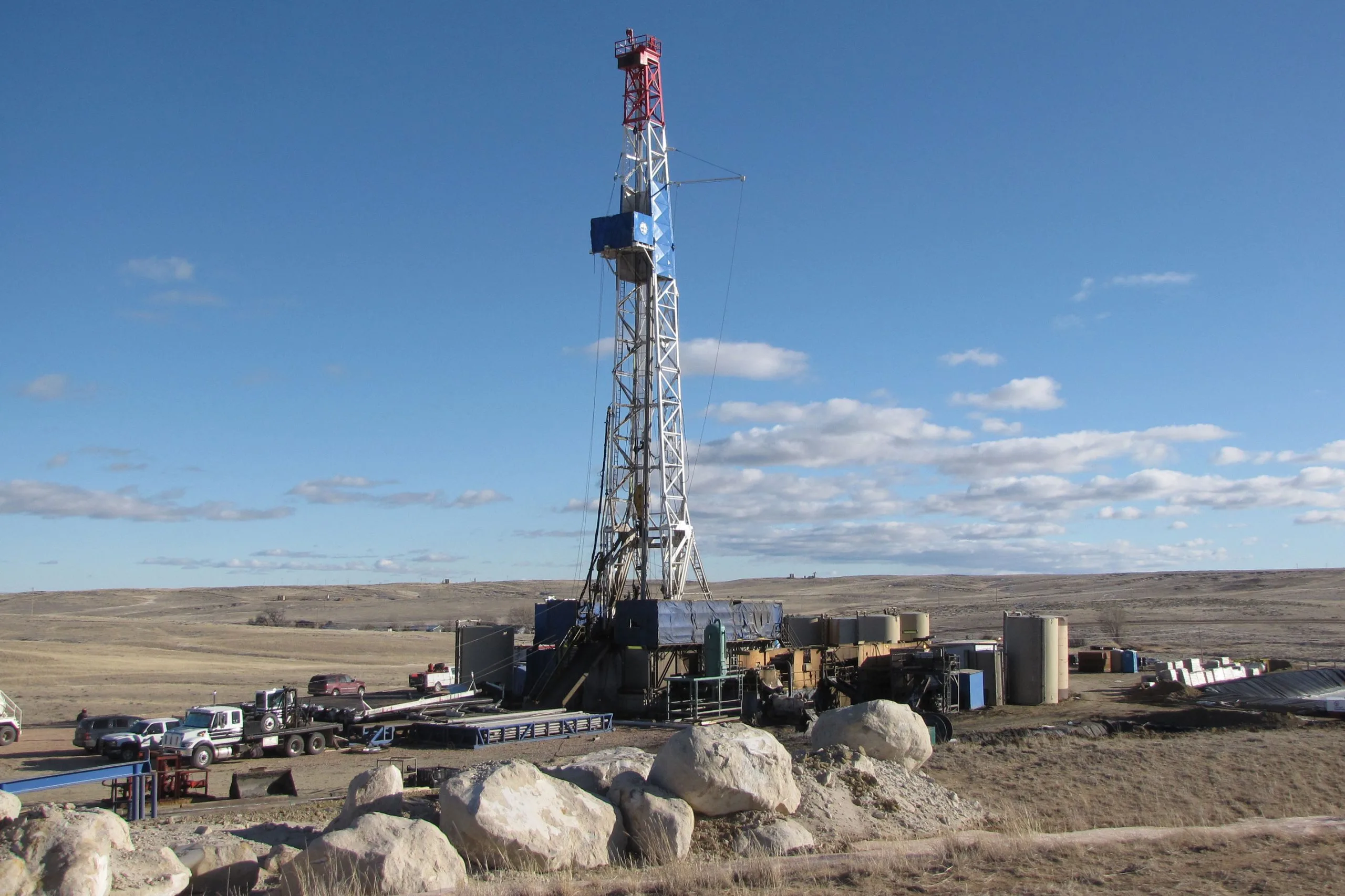
For decades, the management of public lands across the Western United States has operated under the principle of "multiple use," a framework intended to balance diverse human activities with conservation. However, evidence suggests this approach has faltered, leading to the industrialization of wild ecosystems and a significant decline in biodiversity. A growing chorus of voices, including those associated with the "Ground Shift" initiative, argue that the current systems are outdated and in need of substantial revision. Yet, the reality on the ground points to a more urgent need: a fundamental reimagining or even abandonment of the multiple-use paradigm, which critics contend has devolved into "multiple abuse." This doctrine, they argue, disproportionately prioritizes profit-driven resource extraction over the preservation of natural environments and the broader public interest.
The prevailing neoliberal economic logic often compels a continuation of existing practices, even when they demonstrably harm public lands. This results in the degradation of these vital landscapes through activities such as extensive cattle grazing, purported "forest health" projects, and other extractive endeavors that fragment habitats and push fish and wildlife populations towards precarious declines. The core issue, according to these critics, is that the multiple-use framework, as currently implemented, is inherently flawed, leading to a continuous cycle of ecological damage rather than sustainable coexistence.
A recent proposal suggesting a shift towards "primary purpose" or "dominant use" management, which would designate specific zones for activities like mineral development, renewable energy projects, and transmission corridors, is viewed by some as a superficial fix. This approach, critics contend, merely consolidates and concentrates environmental impacts, creating designated "sacrifice zones" rather than addressing the root causes of ecological degradation. The idea that industrializing wild ecosystems can be reconciled with biodiversity and climate goals, even with careful planning and mitigation, is seen as a dangerous illusion. The fundamental conflict, they assert, lies in the inherent incompatibility of extraction and industrialization with robust ecological health and biodiversity objectives, regardless of the extent or perceived intelligence of their implementation.

The concept of "free-market environmentalism," a cornerstone of some proposals for reforming public land management, is often characterized as a diplomatic repackaging of trickle-down economics for environmentally conscious audiences. It promises an abundance of resources and development—more energy projects, more minerals, more timber, more beef, and more infrastructure—while simultaneously asserting the capacity to deliver healthier watersheds, thriving wildlife populations, and intact forests and sagebrush ecosystems. However, critics argue that this approach has been tested for over a century under the existing management paradigm, consistently resulting in fragmented landscapes and the erosion of federal protections.
The historical impetus for establishing public lands, particularly the creation of forest preserves by President Theodore Roosevelt, stemmed directly from the rampant, unchecked resource extraction that characterized the late 19th century. These lands were intended as a bulwark against the very industrialization that many now advocate for normalizing and expanding. The economic and political forces that historically drove aggressive extraction across the Western United States have not vanished; they have merely adapted, adopting ostensibly environmental language to pursue their long-standing destructive objectives.
The notion that continuing the same management strategies will yield different, more positive outcomes is fundamentally flawed, akin to Insanity. The current status quo is beyond mere reform; it demands a profound transformation. Under the failing multiple-use framework, practices such as extensive cattle grazing and commercial logging have proven irreconcilable with the biodiversity and ecological integrity of public lands. Furthermore, the urgent reality of the climate crisis necessitates immediate action, beginning with a moratorium on new oil and gas leases on public lands, given the existing abundance of such infrastructure. Achieving climate stability and safeguarding biodiversity requires the establishment of clearly defined and robustly protected areas. This necessitates an expansion of wilderness designations and the permanent, ironclad protection of remaining roadless lands. Crucially, loopholes that permit destructive logging, unchecked off-road vehicle use, and unsustainable grazing must be definitively closed.
A more promising path forward involves advocating for a new land designation: "rewilding." This designation would be applied to ecologically significant public lands that have suffered substantial degradation from decades of industrial activity. Stewardship under this model would involve a radical departure from current practices. It would entail the decommissioning of roads, the restoration of riparian systems often facilitated by the reintroduction of beavers, the cessation of livestock grazing, and the removal of fences and other industrial infrastructure. This vision must also integrate traditional ecological knowledge, allowing for the resurgence of cultural burning practices, the cultivation of "first foods," and other ancestral land stewardship methods. A critical shift in perspective is required: natural disturbances like wildfires should no longer be viewed as phenomena to be rigidly controlled or managed through industrial intervention. Instead, these natural processes must be recognized as vital ecological forces, allowed to unfold unimpeded across the public domain.

The current trajectory of public land management is demonstrably unsustainable. The proposed "primary purpose" model is perceived by many as merely an attempt to perpetuate the extractive economy under a new guise. A fundamental pivot away from the industrial model is imperative, embracing a vision for public lands that prioritizes ecological integrity and rewilding over the illusory pursuit of extractive "balance." In areas outside designated wildlands, commercial activities should only be permitted to the extent that they do not compromise the health and functioning of native ecosystems. Only through the permanent protection of our shared wild commons and the fostering of genuine ecological recovery can we ensure that these landscapes continue to support both human communities and the vast array of species that rely upon them.
Writer Terry Tempest Williams has eloquently described our public lands as "landscapes of hope." In stark contrast to the often-unregulated management of private lands, public lands offer a unique opportunity to champion the landscapes and species we wish to see thrive. In many regions of the country, they represent some of the last remaining bastions of wild nature. However, hope is predicated on clear-eyed realism: the failure of the status quo is undeniable, and incremental adjustments will not achieve the profound transformation these landscapes require. The author expresses optimism for a change in thinking, but emphasizes that this hope must be grounded in an honest acknowledgment of past failures. A new direction must be charted, one that embraces humility and allows nature to lead the critical work of recovery.