Rocky Georgio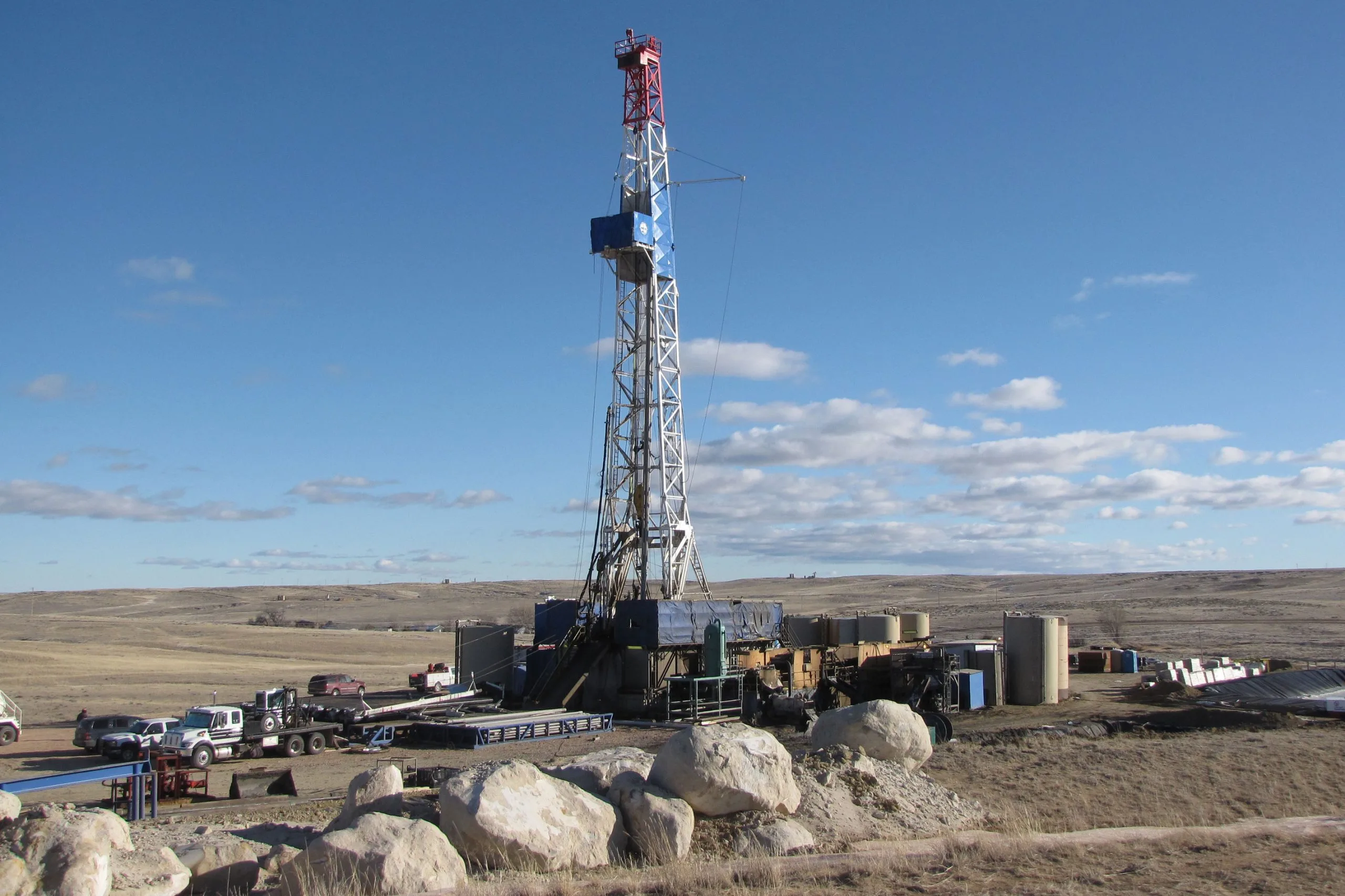
The foundational principle of public land management in the Western United States, the "multiple-use" framework, is increasingly being scrutinized for its inability to safeguard wild ecosystems and declining biodiversity. While some initiatives propose amending this long-standing model, the on-the-ground realities suggest a more profound reevaluation is necessary. The current approach, often characterized by a prioritization of profit-driven extraction, has led to the industrialization of vast natural landscapes and a significant reduction in wildlife populations. This paradigm is not merely showing its age; it is actively contributing to environmental degradation, necessitating a fundamental shift in how these invaluable public resources are stewarded.
The persistent adherence to a neoliberal logic that prioritizes economic activity, even at the expense of ecological health, is at the heart of the problem. This philosophy often manifests as a justification for continued resource extraction, whether through intensive cattle grazing, logging operations framed as "forest health" initiatives, or the development of energy and infrastructure projects. These activities, despite their purported benefits, fragment habitats, disrupt delicate ecological balances, and push fish and wildlife species towards the brink. The concept of "multiple use," intended to balance diverse interests, has, in practice, devolved into "multiple abuse," where conservation and the broader public interest are frequently sidelined in favor of commercial exploitation. The analogy of forcing an ill-fitting shoe to alleviate discomfort is apt; clinging to a failing system only prolongs the suffering of the land.
Emerging proposals, such as those advocating for "primary purpose" or "dominant use" management, which suggest concentrating specific activities like mineral development or renewable energy projects into designated zones, are viewed by critics as insufficient. This approach, proponents argue, is akin to rearranging deck chairs on the Titanic, failing to address the core issue of industrialization’s impact on wild ecosystems. The idea of accepting designated "sacrifice zones" for certain activities is deemed unacceptable, as it merely repackages the same extractive paradigm that created the current crisis. This seductive logic suggests that industrializing natural environments can somehow be reconciled with biodiversity and climate goals, provided it is done with careful planning and mitigation. However, the reality is that ecological and biodiversity objectives are fundamentally incompatible with large-scale extraction and industrialization on the same landscapes, regardless of the nominal limitations or careful targeting of these activities.

The so-called "abundance movement," which underpins much of the thinking behind initiatives like Ground Shift, relies heavily on a form of free-market environmentalism. This ideology, often presented diplomatically to appeal to broader audiences, promises a future with "more" of everything – more energy projects, more mineral extraction, more timber, more beef, and more infrastructure – while simultaneously assuring healthier watersheds, abundant wildlife, and intact forests and sagebrush ecosystems. This optimistic outlook, however, overlooks decades of evidence demonstrating that the current management paradigm has consistently led to fragmented landscapes and a steady erosion of federal environmental protections. The century-long attempt to extract maximum benefit from public lands has demonstrably failed to achieve its purported co-benefits for conservation.
It is crucial to remember the historical origins and intended purpose of public lands. President Theodore Roosevelt, for instance, established forest preserves as a direct response to the rampant, unchecked resource extraction that characterized the late 19th century. These lands were conceived as a bulwark against the very industrialization that many now seek to normalize and promote. The powerful economic forces that drove excessive extraction across the American West have not vanished; they have merely evolved, adopting new, often environmentally-friendly euphemisms to pursue the same destructive objectives. The cyclical nature of this pressure underscores the need for a steadfast commitment to conservation principles.
The notion of continuing with existing strategies while expecting different outcomes is a recognized hallmark of futility. The current "multiple-use" framework has repeatedly demonstrated its incompatibility with the ecological integrity and biodiversity of public lands. Activities such as extensive cattle grazing and commercial logging have proven to be detrimental, leading to habitat loss and species decline. Addressing the escalating climate crisis requires immediate and decisive action, beginning with a moratorium on new oil and gas leases on public lands, given the existing abundance of operational wells. Achieving genuine climate stability and safeguarding biodiversity necessitates the establishment of clearly defined and robustly protected areas. This includes expanding the designation of wilderness areas and ensuring permanent, unassailable protection for remaining roadless lands. Furthermore, loopholes that permit destructive logging practices, unregulated off-road vehicle use, and unsustainable grazing must be permanently closed.
A compelling alternative vision involves the establishment of a new "rewilding" land designation for ecologically significant public lands that have been severely degraded by decades of industrial use. The stewardship of these areas would undergo a radical transformation, involving the decommissioning of roads, the restoration of riparian systems through the reintroduction of beavers, the cessation of livestock grazing, and the removal of fences and other industrial infrastructure. This revitalized approach must integrate traditional ecological knowledge, facilitating the return of cultural burning practices, the cultivation of indigenous food systems, and other community-based land management techniques. It is imperative to move beyond the current approach of strictly "controlling" or "managing" natural disturbances, such as wildfires, through industrial intervention. Instead, these natural processes must be recognized as essential ecological forces, allowed to unfold without human interference across the public domain.

The current state of affairs is demonstrably unsustainable, and the "primary purpose" model represents another attempt to perpetuate the machinery of extraction under a new guise. It is time to disengage from the industrial model and embrace a forward-thinking vision for public lands, one that unequivocally prioritizes ecological integrity and rewilding. This new paradigm must move away from the illusion of extractive "balance" and establish a framework where commercial activities, outside of designated wildlands, are permissible only to the extent that they do not impair the healthy functioning of native ecosystems. By permanently protecting our shared wild commons and fostering genuine ecological recovery, we can ensure that these vital landscapes continue to support both human communities and the myriad species that rely upon them for survival.
As writer Terry Tempest Williams has eloquently described, our public lands are "landscapes of hope." In stark contrast to the often-intensive management of private lands, public lands offer a unique opportunity to champion the landscapes and species we wish to see thrive. In many regions, these areas represent the last vestiges of true wilderness, offering profound experiences of nature. However, this hope is contingent upon a clear-eyed assessment of reality: the status quo has unequivocally failed. Incremental adjustments are insufficient to achieve the transformative change these landscapes urgently require. True hope is rooted in an honest acknowledgment of past failures, the courage to chart a new course, and a profound trust in nature’s capacity for recovery to guide our efforts.