Rocky Georgio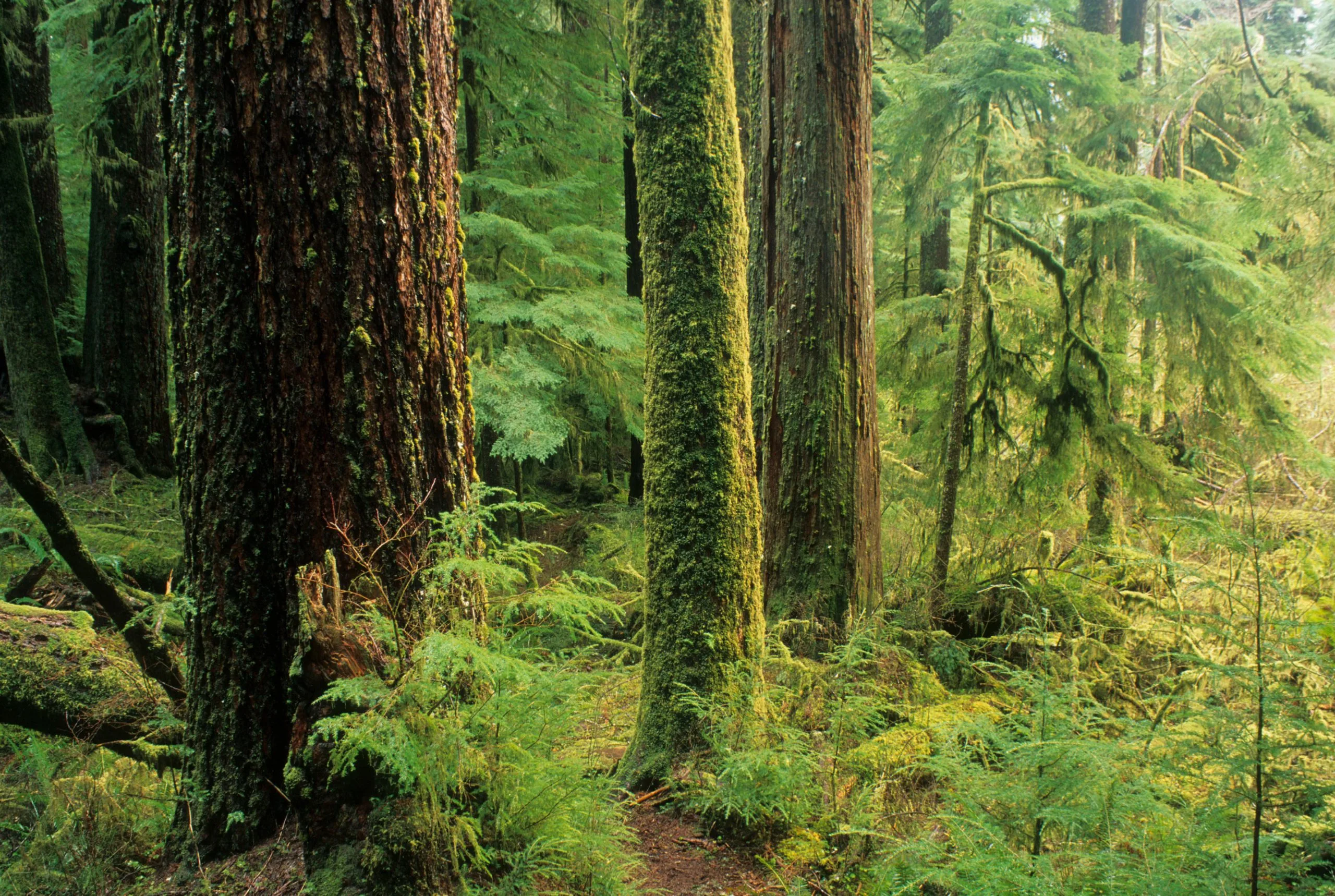
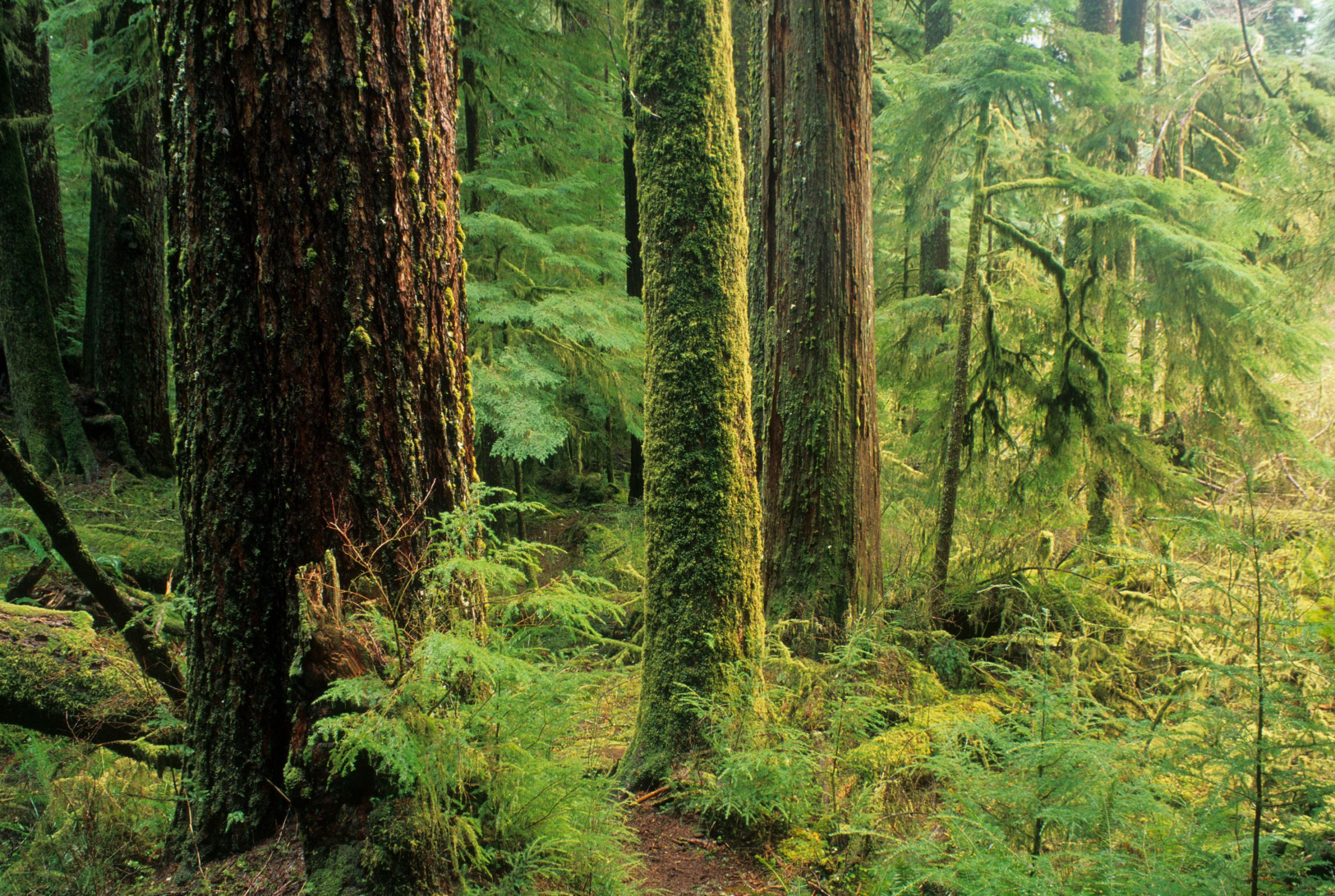
Nick Hazelton, a 27-year-old yak farmer residing in Polk County, northwest Oregon, finds solace and recreation in the surrounding public lands, particularly through mushroom hunting. His favorite locale is the Valley of the Giants, an area renowned for its majestic Douglas fir and hemlock trees, some exceeding 400 years of age, towering over a verdant understory rich with ferns, mosses, and salmonberry bushes. For Hazelton, this ancient forest, designated an "area of critical environmental concern" and managed by the Bureau of Land Management (BLM), represents the ecological potential of a mature woodland. He observes that these forests are more than just conifer farms; they are dynamic ecosystems supporting diverse wildlife, including bears, which utilize the varied hemlock stands and brushy patches.
The BLM’s proposed shift in management strategy became public on February 19th with a notice of intent to revise resource management plans for approximately 2.5 million acres in western Oregon. The agency signaled a significant increase in timber harvest levels, aiming for "historically higher levels of production." This reevaluation encompasses ecologically sensitive areas like the Valley of the Giants. The BLM cited the escalating threat of wildfires and compliance with executive orders designed to bolster domestic timber production as the primary drivers for this revision. The agency’s directive mandates a re-examination of areas of critical environmental concern (ACECs) across western Oregon’s public lands, which have been under BLM management for timber production since 1937. ACECs are defined as landscapes possessing exceptional scenic beauty, vital habitat for important species, or unique geological features. Historically, timber harvesting on these lands peaked in the 1960s, with annual yields exceeding one billion board feet.
Ed Shepherd, a retired BLM employee who held various leadership positions, including state director for the agency, described the past logging intensity as "pretty intensive." He now contributes to Forest Bridges, a non-profit organization advocating for proactive forest management in western Oregon. The era of high timber yields abruptly concluded in the 1990s with the implementation of the Northwest Forest Plan. This landmark legislation was enacted to safeguard endangered species such as the Northern spotted owl and the marbled murrelet, a seabird that relies on old-growth forests for nesting. Western Oregon BLM lands operated under this plan until 2016, when the current management frameworks were adopted.
Susan Jane Brown, a principal at Silvix Resources, an environmental law firm, contends that the current management plans offer less ecological protection than their predecessor. She notes that recent management practices have involved substantial old-growth logging and aggressive thinning, leading to a "watered-down" aquatic conservation strategy. Over the past decade, conservation organizations have actively challenged numerous timber sales through litigation.
Oregonians are currently engaged in a critical debate regarding the extent of logging and thinning desired for public forests, and their confidence in the BLM’s stewardship. Shepherd argues that thinning is essential for mitigating wildfire risk and enhancing forest health. He points to a body of scientific research, including studies published in journals like ScienceDirect, which demonstrates that a combination of thinning and carefully controlled prescribed burns can effectively reduce wildfire severity. Shepherd envisions a return to broader-scale forest management practices that would allow fires to burn at lower intensities, more akin to historical patterns. He believes that western Oregon’s BLM forests could sustainably double last year’s harvest of 267 million board feet.

Hazelton, while not opposing all logging, is adamant about protecting old-growth forests in areas like Marys Peak and the Valley of the Giants. He contrasts these ancient forests with younger, more densely packed Douglas fir stands, questioning the latter’s ecological vitality. He describes these younger forests as "crowded spaces that are really dark," where he finds fewer coniferous-loving mushrooms and observes limited wildlife activity. Hazelton expressed disappointment that the BLM did not schedule public hearings, instead offering a limited 33-day public comment period that concluded on March 23rd. He emphasized that as taxpayers and citizens, they deserve a voice in the management of public lands. A BLM spokesperson indicated that the planning process is in its initial stages, with future opportunities for public input anticipated.
The prospect of a timber industry revival is appealing to some local lawmakers, who recall the economic prosperity generated by past logging booms. Timber harvests from federal lands historically provided a significant revenue stream for Oregon counties. The decline in logging in the 1990s plunged many of these counties into financial distress, leading most to opt for federal payments in lieu of diminished timber receipts since 2000. Historically, counties that continued to receive direct timber receipts benefited from a 50/50 revenue split with the federal government. A recent legislative change, however, has altered this arrangement. Coos County Commissioner Drew Farmer reported that his community received over $1 million from federal timber sales last year, and the new 75/25 split, favoring the county, has permanently stabilized their budget without an increase in harvest. Farmer believes that expanding timber harvests would enable his county to increase its jail capacity and fund additional police patrols.
However, questions linger about Oregon’s capacity to support a substantial increase in logging, particularly concerning mill infrastructure, supply chains, and the availability of skilled labor. Conversely, proponents like Farmer argue that localized logging operations could reduce construction costs, especially for housing. Susan Jane Brown cautions that the timber market is international, and current trade disputes with key wood-importing nations add a layer of complexity.

For many Oregonians, the potential economic benefits are overshadowed by concerns for environmental integrity. Conservation groups highlight that the BLM’s proposed stream buffers, some as narrow as 25 feet, may be insufficient to protect waterways from sediment erosion. Jennifer Moss, a resident of Lane County near Eugene and co-founder of Friends of Fall Creek Watershed, expressed alarm upon learning of the BLM’s notice. She believes that disturbing soil and creating open spaces during logging operations can lead to soil compaction and degradation. Moss views logged areas as aesthetically damaging "eyesores" that can attract illegal camping and litter. While she supports carefully managed selective thinning, she fears that excessive logging could exacerbate wildfire risks. Her perspective is informed by her father, who resigned from the BLM as a forester in the 1960s due to his concerns about unsustainable logging practices. Recent research from the University of Utah suggests that industrially logged forests are more susceptible to high-severity wildfires. An analysis of Oregon wildfires in 2020 by OPB and ProPublica found that public lands logged in the preceding five years experienced fires of similar intensity to unlogged areas, while clear-cut private lands burned more intensely on average than public lands.
Moss has been actively encouraging public participation in the comment period, which closed on March 23rd. Following this period, the BLM is tasked with producing a draft plan outlining proposed alternatives and an accompanying environmental impact statement. The agency is also mandated to consult with 10 affected tribal nations, the U.S. Fish and Wildlife Service, and the National Marine Fisheries Service. Brown anticipates that these federal agencies may determine that a plan significantly increasing timber harvests could jeopardize the survival or recovery of endangered species, including the spotted owl and marbled murrelet. Such a conclusion would likely trigger extensive litigation, temporarily halting any major plan revisions. Brown suggests that this scenario is plausible, leading to protracted legal battles where federal courts would ultimately decide the legality of the proposed plan.
Note: This story has been updated to accurately reflect the historical revenue-sharing agreement between local communities and the federal government concerning timber revenue, which was a 50/50 split, not 25% to local communities.