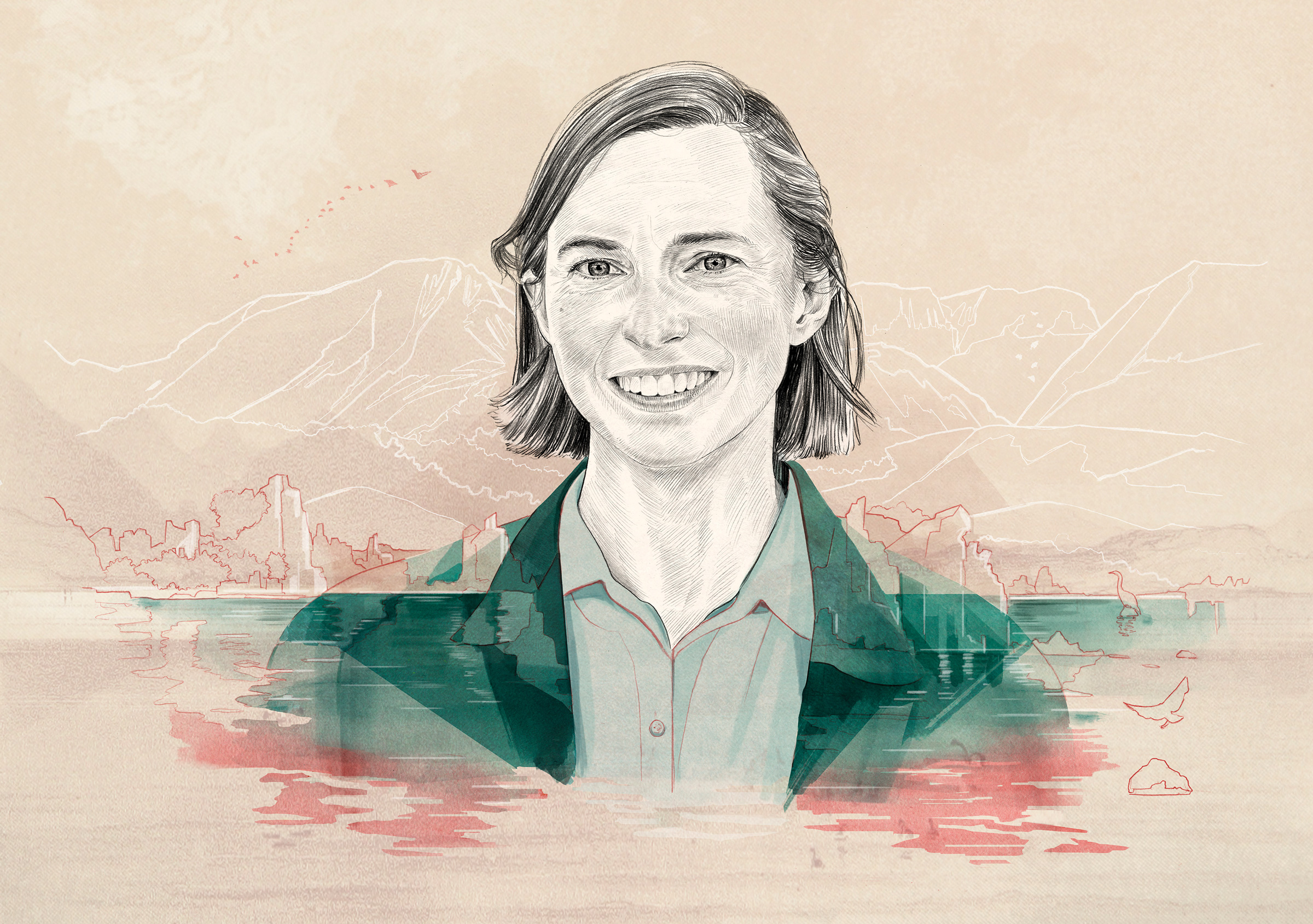
Rocky Georgio
Caroline Tracey’s initial encounter with California’s Salton Sea was startling, marked by the unsettling crunch of fish skeletons beneath her feet on what appeared to be a desolate landscape. However, as she ventured closer to the water’s edge, a transformation occurred; what initially seemed like a wasteland revealed itself as a vibrant avian sanctuary, teeming with sandpipers, plovers, and snowy egrets. This stark contrast, she notes in her new book, Salt Lakes: An Unnatural History, served as her first profound lesson: "places that seem ugly or desolate are vital and complex in ways that you don’t notice until you give them a chance."
Tracey’s compelling debut, scheduled for publication on March 17, is a deep dive into the fascinating and embattled world of salt lakes. Drawing on her background as a geographer and a contributor to High Country News, she illuminates the existence of numerous salt lakes globally, often hidden within desert valleys, their waters shimmering with hues of pink algae and supporting resilient salt-tolerant crustaceans. Yet, this crucial biodiversity is under severe threat, as agricultural water diversion and the escalating impacts of climate change are causing nearly all these unique ecosystems to shrink and evaporate, posing significant risks to wildlife and human well-being.
Her extensive research and travels across the Great Basin, and to diverse locations like Kazakhstan, Mexico, and Argentina, meticulously document both the alarming decline of these saline bodies of water and the dedicated communities striving for their preservation. The book is more than a geographical and ecological study; it functions as a personal narrative, weaving Tracey’s own journey of self-discovery and queerness into the fabric of her reporting. Her exploration of literature and landscape became intertwined with her understanding of her own desires and values, making Salt Lakes a deeply personal, pragmatic, and cautiously optimistic reflection on navigating a world undergoing rapid transformation.
In a recent conversation, Tracey elaborated on the multifaceted challenges confronting salt lakes, the innovative solutions being developed for their conservation, and how an understanding of queerness can offer valuable perspectives on confronting the profound losses associated with climate change.
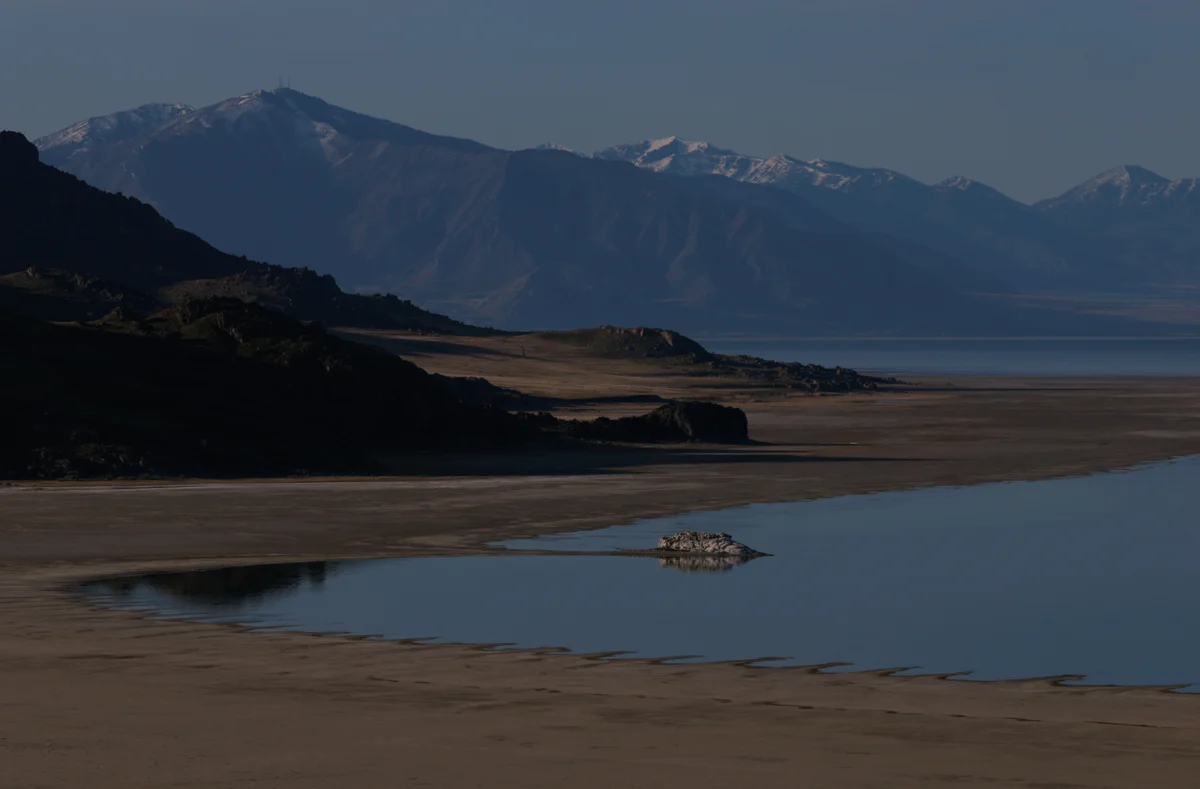
Tracey explained that her fascination with salt lakes began during a road trip through the Great Basin, where the mineral-rich waters create striking reflections that surpass even those of freshwater bodies. "The draw for me for a long time was just that there are these extraordinarily beautiful, odd bodies of water in the very dry landscape," she shared. This initial aesthetic appreciation soon deepened into a profound interest in the historical context of water diversion, particularly the significant role of the Bureau of Reclamation and irrigation practices in the American West. Furthermore, she found inspiration in the diverse activism aimed at protecting these lakes, a source of optimism that is often elusive for environmental journalists.
Despite being a narrative about ecological damage, the book is notably hopeful, with Tracey positing that the decline of salt lakes represents a more solvable ecological restoration problem compared to other environmental crises. She attributes this optimism to the fundamental geology of salt lakes, which form in closed basins where water levels are directly impacted by evaporation when inflow diminishes. Historically, water diversion for agriculture, such as for alfalfa and cotton cultivation, has been the primary culprit. The straightforward solution, she suggests, involves reducing the cultivation of water-intensive crops in arid regions, thereby allowing more water to reach basins like the Great Salt Lake. However, she acknowledges that climate change, characterized by diminished snowpack, has exacerbated the problem by reducing the overall water availability, presenting a more complex scenario.
Tracey highlights several promising initiatives being implemented to safeguard salt lakes. The Clean Air Act, for instance, is proving to be a critical tool, particularly in regions like the Salton Sea in California, where drying lakebeds generate substantial dust, leading to severe respiratory issues for nearby communities. This legal framework is holding accountable the entities responsible for the lakes’ desiccation.
Another crucial legal principle is the Public Trust Doctrine, which asserts the government’s responsibility to maintain navigable bodies of water within its jurisdiction. Tracey points to a successful lawsuit in California where residents invoked this doctrine to compel the state to protect its salt lakes, underscoring the power of collective belief in shared public resources. The Zuni Salt Lake in New Mexico also serves as an inspiring example of a successful LandBack initiative, offering a model for protecting various land and water resources across the nation. Additionally, a dedicated group of environmental humanities scholars, with expertise in Mormon scripture, are actively engaged in the fight to save the Great Salt Lake. Tracey believes that integrating religious concepts of the sacred can foster a deeper, more meaningful connection to place, surpassing what can be achieved through purely aesthetic or utilitarian environmental arguments.
Tracey’s narrative also thoughtfully intertwines the ecological plight of salt lakes with her personal journey of coming into queer adulthood in the American West. She recognized early on a desire to incorporate a coming-of-age element and a critical examination of womanhood into her book. As her research progressed, she discovered a surprising connection between salt lakes and queer ecology. She notes that brine shrimp exhibit remarkable reproductive adaptability, capable of reproducing in multiple ways, while the phalarope’s mating cycle is reversed from that of most bird species, with larger, more colorful females courting smaller, less conspicuous males who then undertake parental duties.

This biological diversity, Tracey argues, mirrors the ecological principle that biodiversity is inherently valuable and contributes to landscape complexity. Similarly, queer theory champions the idea that diverse ways of living are beneficial and that societal complexity and diversity are desirable.
Tracey reflects on how her experience of queerness has profoundly shaped her perspective on climate change, loss, and recovery. She finds a natural affinity between queerness and writing, both of which position individuals as observers with a degree of distance from mainstream society. This vantage point, she suggests, allows for a broader understanding of alternative ways of life, challenging the necessity of the high consumption rates modeled by previous generations.
Historically, conservation efforts have often prioritized pristine landscapes, aiming to prevent their destruction. Queer ecology, however, introduces a crucial intervention by recognizing the significant ecological and biodiversity value found even in highly altered landscapes.
Tracey distinguishes between perennial salt lakes, which exist year-round, and ephemeral lakes that primarily appear during periods of increased precipitation or snowmelt, often manifesting as salt flats for much of the year. One of the most impactful experiences for her during the writing process was shifting her focus from preserving permanent lakes to considering what the concept of the ephemeral could teach us, particularly in the context of climate change. As more permanent lakes face the risk of becoming ephemeral, she asks, "what does it mean to embrace and live with the ephemeral?" This contemplation offers a vital perspective on adapting to and finding meaning within the changing environmental realities of our time.