Roger Danuarta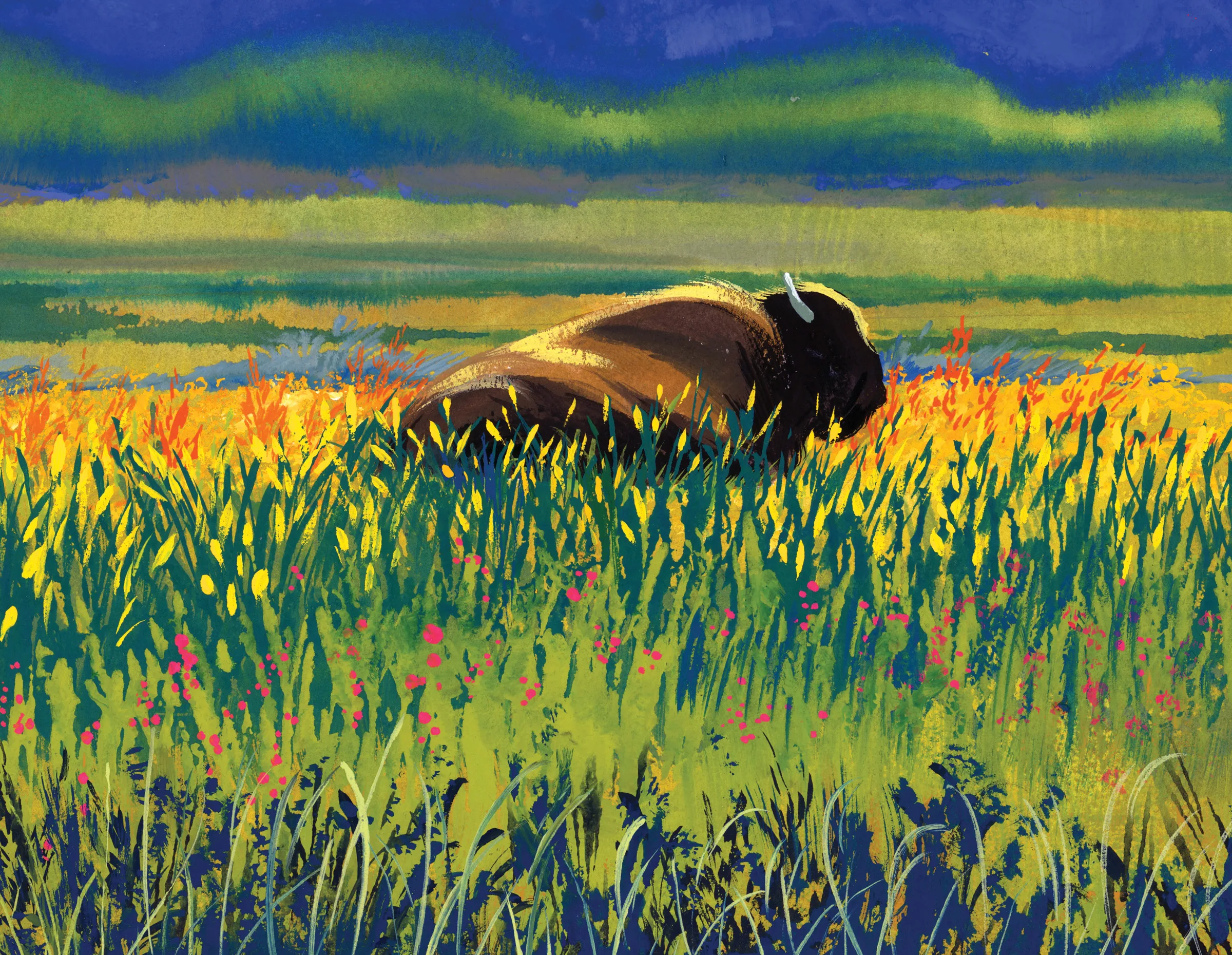
The simple act of rest, once an undisputed necessity for growth and well-being, is increasingly viewed as an indulgence, particularly by those navigating the demanding currents of contemporary existence. A four-year-old named Marigold, for instance, recently declared her independence from afternoon naps, asserting, "I’m a big kid now, and big kids don’t sleep." This early rejection of rest, a common phase in childhood development, mirrors a pervasive societal sentiment that often equates constant activity with progress and success. Even as a child’s imaginative mind fights the quietude of bedtime, conjuring elves and midnight feasts, the struggle for adequate repose extends far beyond the nursery, touching the lives of adults grappling with an ever-accelerating world.
The relentless pace of modern life often renders genuine rest an elusive luxury. For many, juggling significant professional responsibilities, such as a full-time job, frequent travel for speaking engagements, and creative endeavors like writing new novels and stage plays, alongside the intensive demands of raising young children, creates an unrelenting cycle of activity. In such circumstances, the concept of being "on call" is no longer confined to specific professions but has become an omnipresent reality, largely fueled by the digital tether of smartphones. These devices, constantly delivering emails, work updates, and family notifications, blur the lines between work and personal life, making true disengagement exceptionally difficult. The profound exhaustion this lifestyle can induce sometimes manifests as a desperate need for a midday pause, a moment of stillness in a demanding schedule, often accompanied by a sense of guilt for not being actively productive. This societal conditioning suggests that any moment not spent striving or achieving is a moment wasted, pushing individuals to the brink of burnout.
In a striking illustration of this societal pressure to perform, the University of Colorado recently made headlines by retiring its beloved bison mascot, Ralphie VI, known affectionately as Ember, not due to age or injury, but an "indifference to running." Born in 2020 and introduced to the public in 2021 as a 500-pound calf, Ember’s primary role was to electrify the crowd with a spirited lap around the football field before the second half. However, Ember frequently displayed a distinct lack of enthusiasm, often barely making it past the 50-yard line, her gait more of a leisurely saunter than a spirited sprint. Her final official appearance at the 2024 Alamo Bowl sparked humorous commentary about her "opting out" of the game, a sentiment that resonated deeply with many observers.
The university’s press release candidly stated that Ember lacked the "juice or desire to run at full speed, often displaying apathy towards the… primary job" of a 1,300-pound animal. This stood in stark contrast to her predecessor, Ralphie V, whose exuberance often led her to run too fast, posing safety concerns for both herself and her handlers. Ember’s unique disposition led to her early retirement, a decision framed by Steve Hurlbert, director of strategic communications for the university, as being "in Ember’s best interest, based on her disposition, to focus on relaxing strolls on the pasture, which is her favorite hobby." Ember was, quite literally, put out to pasture, granted the freedom to live on her own terms, away from the demanding expectations of the stadium. This move, while practical for the university, inadvertently created a powerful symbol for individuals who find themselves similarly overwhelmed by the demands for constant performance.

Ember’s story has since been interpreted by many as an embodiment of an unconventional, independent spirit—a creature impervious to external influence, displaying rugged individualism and a preference for self-reliance over imposed constraints. In a world that often glorifies relentless ambition and constant output, Ember’s simple refusal to run at full speed offers a compelling counter-narrative. It prompts reflection on the pervasive "hustle culture" that permeates modern society, where individuals are often encouraged, both explicitly and implicitly, to push their limits, sacrifice personal time, and remain perpetually "on." This culture, prevalent in many global economies, from the demanding startup ecosystems of Silicon Valley to the intense corporate environments of East Asia, often overlooks the critical role of rest in fostering sustained creativity, productivity, and overall well-being. The glorification of busyness has led to a global epidemic of burnout, stress, and anxiety, impacting mental and physical health across demographics.
The personal journey of individuals navigating this landscape often reveals a history of internalizing the pressure to perform. From academic pursuits in high school, where a preference for "Jocks PE" to avoid an undesirable swimming semester led to pushing physical limits just to meet a benchmark, to the subsequent "running" through college, graduate school, career advancements, and creative endeavors, life can feel like a continuous race. Yet, the wisdom gleaned from such experiences often points to a profound truth: to truly fight for what matters most, one must remain whole, and that necessitates not always running.
Indeed, to embrace rest in a society that often rewards its opposite is a radical act. The concept of "Rest Is Resistance" is gaining traction, with institutions beginning to acknowledge its vital importance. For example, a university recently offered a seminar under this very title, explicitly challenging the entrenched belief that productivity unequivocally equals success. Faculty members were encouraged to re-evaluate their relationship with work, advising them to set boundaries, such as refraining from answering emails after 5 p.m. and dedicating weekends to genuine disengagement. The adoption of such practices, initially met with a degree of confusion, has demonstrably led to increased personal happiness and a greater sense of well-being, highlighting the transformative power of intentional rest.
This shift represents a departure from traditional ethos, such as the "Code of the West," which often invokes sayings like "Ride for the brand," signifying unwavering loyalty and dedication to an employer or team. While the spirit of commitment remains valuable, a growing recognition emerges that individuals must also assert their autonomy, choosing their own pace rather than conforming to collective demands for constant motion. The image of Ember, peacefully grazing in her pasture, gazing at the sky, becomes a powerful emblem of this quiet rebellion, a testament to the profound value of simply being, rather than perpetually doing.
The implications of this cultural re-evaluation extend to the next generation. Witnessing a child, once resolute in her refusal to nap, later declare her intention to take "a little rest" after an active day, offers a hopeful glimpse into a future where the intrinsic value of repose is understood and embraced. Guiding young minds not towards convention for its own sake, but towards the discernment of their own needs and what truly feels right for them, becomes a crucial parental responsibility. In an increasingly digitally saturated world, where the temptation to remain constantly connected is ever-present, empowering children to understand that they possess the agency to "put down the phone," "close their eyes," and "press pause" is perhaps one of the most vital lessons for navigating the complexities of modern existence. This intentional embrace of rest is not merely a personal preference but a foundational element for fostering resilience, creativity, and a balanced life in a world that seldom pauses.