Rocky Georgio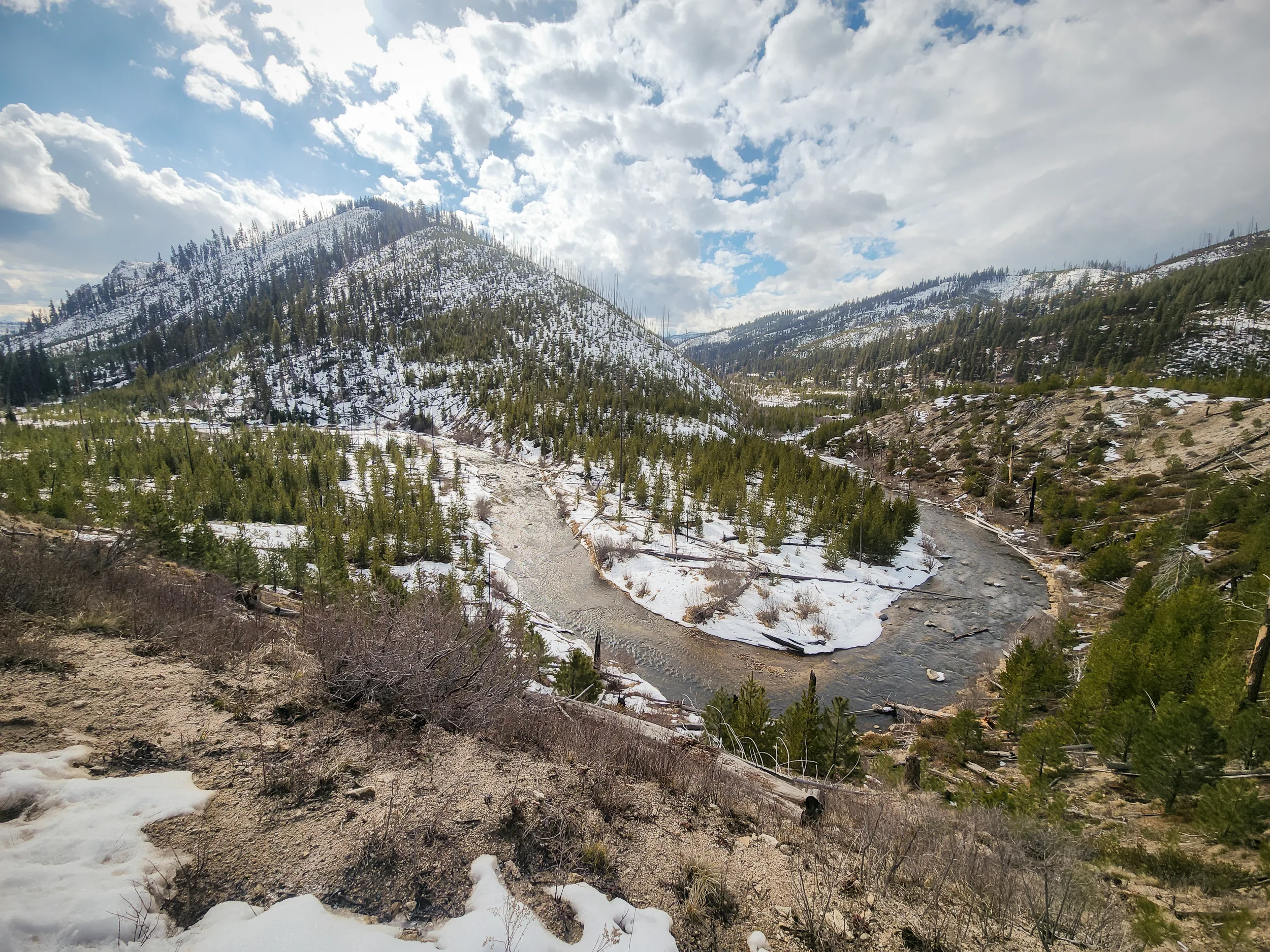
Old snow crunched underfoot in mid-January as a dozen people snowshoed near Molas Pass in Colorado’s San Juan Mountains, a stark visual of a widespread crisis. An interpretive hike, hosted by local environmental organizations, focused on ecology, climate change, and the critical role of snow. The scene beneath an azure sky, with bare ground visible beneath trailside spruces and pines, served as a potent local example of a devastating lack of snow across the Western United States. This scarcity represents a significant threat to the region’s water supply, impacting millions of people and vital ecosystems.
Mountain snowpack is the West’s largest natural reservoir, historically providing essential water for approximately 100 million people and a vast array of diverse ecosystems. The volume of water stored within this snowpack typically reaches its peak around April 1st. However, in the current year, snowpack levels in many areas were either absent or critically low by this date, marking the lowest level recorded in the 45 years since automated snow measurements began. This unprecedented deficit raises serious concerns about water availability for agriculture, municipal use, and environmental needs throughout the coming year.
While a stubborn high-pressure ridge played a role in diverting winter storms north to Canada during January, effectively contributing to a snow drought, the primary driver, according to nonprofit Climate Central, was exceptional heat linked to climate change. This same warming trend also fueled an unseasonable spring heatwave, which rapidly melted away what little snow had accumulated, even during a period when other dry winters have historically seen replenishing "miracle March" snowstorms. This confluence of factors has created a precarious situation, underscoring the amplified impacts of a warming climate on crucial natural resources.
The absence of snow was not confined to a single region but was unusually widespread across the entire Western U.S. However, viewing the situation solely as a national trend can obscure the nuanced regional manifestations and distinct implications of a winter characterized by extreme variability. This winter has simultaneously brought record flooding in some areas, persistent dryness in others, and exceptional heat, painting a complex picture of a changing climate. Examining the snow drought’s impact in specific regions offers a clearer understanding of this year’s climatic whiplash.

Whiplash in Washington’s Cascades: From Floods to Drought
Winter in Washington’s Cascade Range experienced a peculiar pattern of "wet" snow drought, characterized by precipitation falling as rain rather than snow, particularly at the beginning and end of the season. In December, some locations received over two feet of rain within a two-week period, leading to the melting of nascent snowpack and triggering catastrophic flooding west of the Cascades. Paradoxically, this intense rainfall also replenished reservoirs in the Yakima Basin, situated on the drier eastern side of the range. These reservoirs, which had been critically low at only 8% capacity in October, saw their volumes significantly increase.
Following this initial deluge, a "dry" snow drought took hold in January, with minimal precipitation falling across the region. While pockets of Washington’s Cascades did experience near-normal precipitation in February, much of the mountainous terrain remained dry, and the range’s overall snowpack stayed well below average. The situation worsened in March, when several feet of snow accumulated, only to be largely washed away by subsequent rain events.
This pattern presents a significant challenge for the Yakima Basin, which lacks the reservoir capacity to store sufficient runoff to meet the region’s extensive water demands. Hydrogeologist and geochemist Carey Gazis of Central Washington University in Ellensburg explained that the snowpack traditionally acts as an additional reservoir, storing water as snow well into the summer months. The diminishing snowpack directly impacts the water supply for crucial agricultural operations in the Yakima Valley, renowned as the "fruit bowl of the nation." Snowmelt is indispensable for irrigating crops, including cherries, apples, grapes, hops, and mint. Furthermore, it supports the Yakama Nation’s vital efforts to restore populations of culturally significant migratory fish. As of March, the Bureau of Reclamation forecasted that many farmers in the Yakima Valley would receive only 44% of their usual water supply for the upcoming growing season due to the severe snow drought.
One promising long-term solution being explored and implemented involves augmenting groundwater storage by enhancing aquifer recharge. Gazis highlighted the potential of these underground spaces, stating, "There’s all this space under the surface that can hold more water." Projects involving the pumping of surface runoff or facilitating passive water infiltration into the ground are already underway in various parts of the basin, including initiatives on the Yakama Nation reservation, demonstrating a proactive approach to water management in the face of increasing scarcity.

Northern Rocky Mountain Resilience Tempered by Dryness at Lower Elevations
Similar to Washington’s Cascades, the Rocky Mountains in Idaho, Montana, and western Wyoming experienced a winter bookended by wet snow droughts, with a dry January in between. However, colder temperatures at higher elevations allowed for a near-normal to above-average snowpack in some areas, which persisted into mid-March. This provided a more favorable situation compared to much of the West by early April.
This resilience in higher elevations offered a welcome reprieve for regions dependent on winter tourism, such as Idaho’s Wood River Valley. Ashton Wilson, director of the valley’s Environmental Resource Center, noted in February that the area was experiencing business as usual, or even increased activity, due to its reliable snow cover, a stark contrast to many other winter destinations, including those in Colorado.
Additionally, Russell Qualls, Idaho’s state climatologist, speculated that the Wood River Basin and neighboring areas might fare well throughout the summer in terms of water provision for their dependent towns and agricultural sectors.
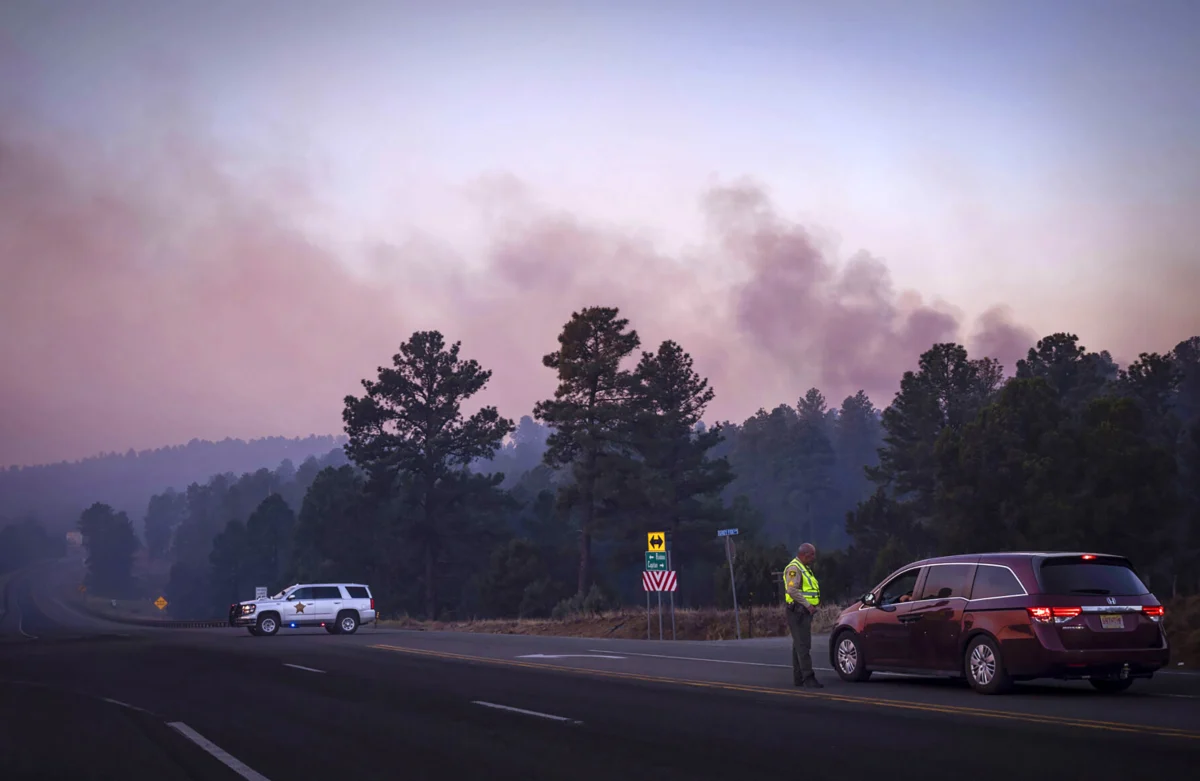
However, the lack of snow at middle and lower elevations across Idaho, Wyoming, and Montana, coupled with ongoing unseasonable heat, signals a potentially long and severe fire season. This forecast is contingent on sufficient rainfall arriving in the spring and summer months. Indeed, while wildfire season typically begins in May or June in Montana and Wyoming, both states recorded wildfires exceeding 1,000 acres in March, an alarming early start to the season.

Colorado Faces a Precarious "High and Dry" Scenario
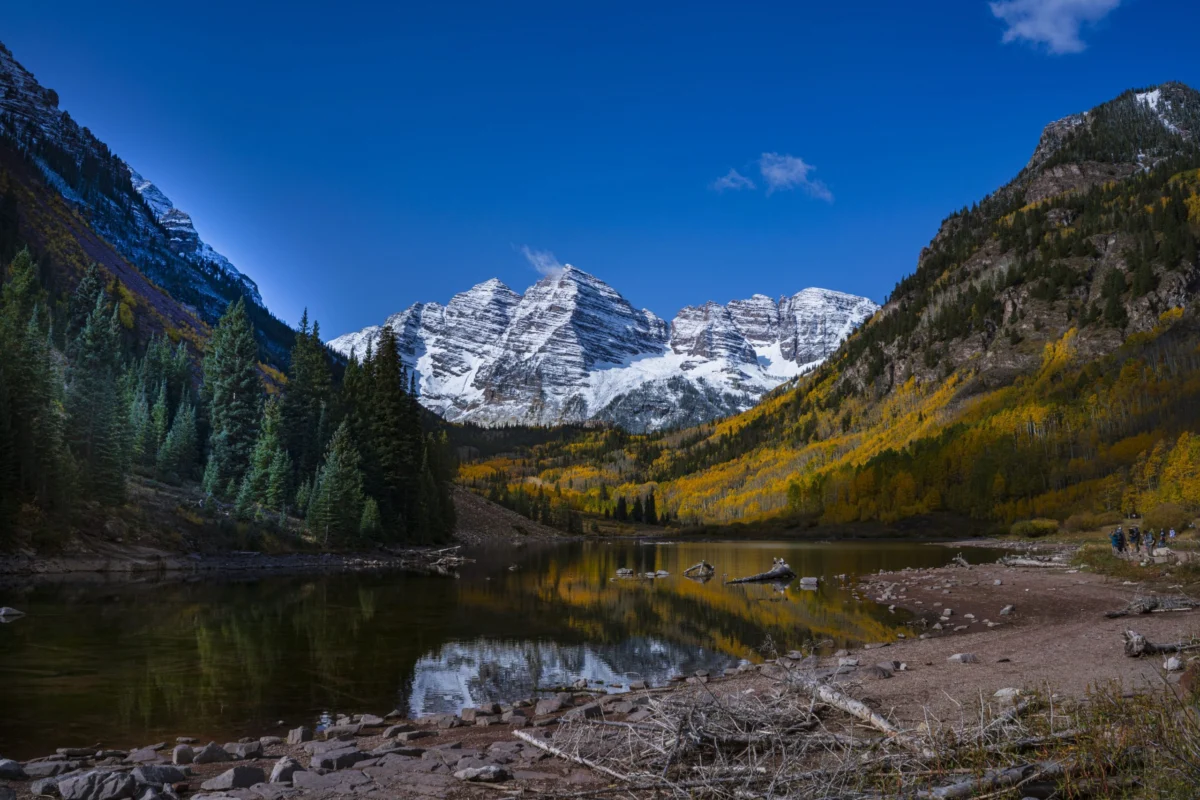
Colorado also grappled with medium-sized wildfires, but these ignited significantly earlier, beginning in December. Both December and January were characterized by abnormal dryness, and one of the few storms that did arrive delivered rain at elevations as high as 11,000 feet—an unusually high altitude for winter precipitation and unprecedented in much of Colorado.
This phenomenon was vividly illustrated during the January snowshoe hike near Molas Pass, a guided educational event organized by the San Juan Mountains Association and the Mountain Studies Institute. Outdoor educator Colin Courtney led attendees in digging a snow pit to measure the snowpack’s depth and water content, using avalanche shovels. With a dull thunk, shovel blades hit exposed dirt just two feet down, indicating critically low snow accumulation. As Courtney melted snow samples over a camp stove, he reported that the snowpack at the pass held only 23% of the water content found in an average year. This measurement, known as snow water equivalent (SWE), is a more critical indicator than depth alone for planning annual water needs and assessing wildfire risk. "It’s a very real thing to be concerned about this year," Courtney stated, emphasizing the gravity of the situation.
Beyond immediate water concerns, there are significant ecological threats. Research conducted in New Hampshire and Finland has revealed complex impacts on tree health when root systems lack the insulating layer provided by snow during winter. The precise effect on Colorado’s trees, already stressed by the most severe megadrought in 1,200 years, remains unknown but is a growing area of concern.
Climatologist Allie Mazurek of the Colorado Climate Center noted in an early April email that this year represented their "worst snowpack on record." She attributed the state’s plunge beyond its prior historic low, recorded in 1981, to the West’s record-breaking March heatwave.

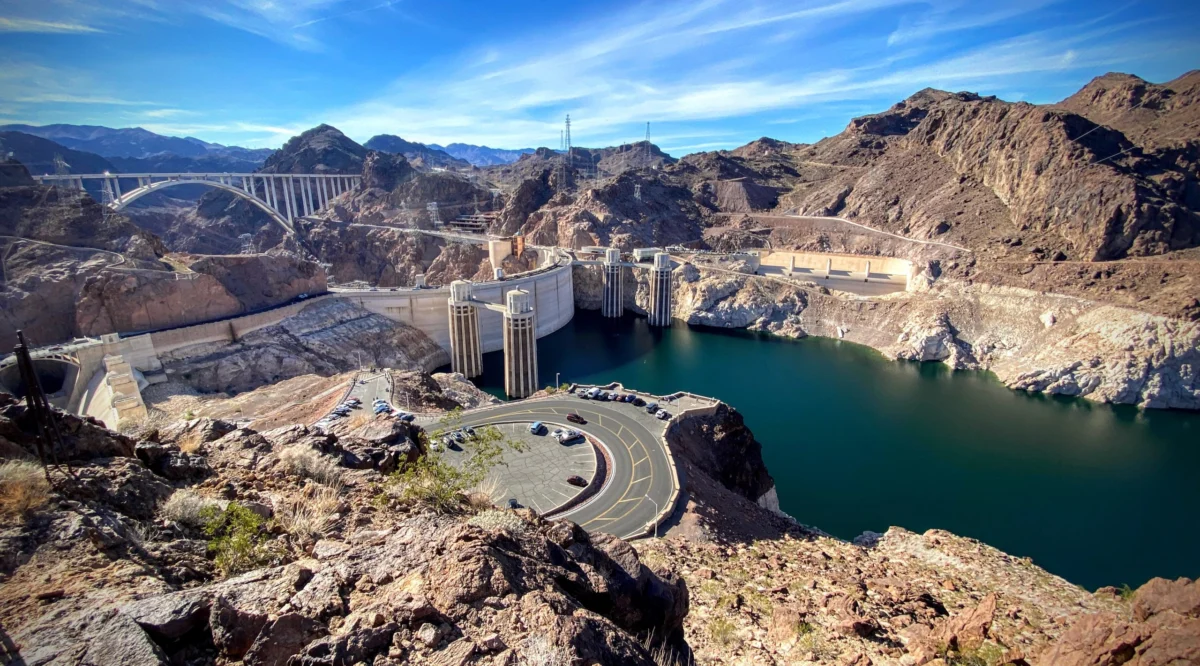
The implications of Colorado’s diminished snowpack extend far beyond state borders. Colorado’s snowmelt is a critical water source for 18 other states, numerous tribal nations, and even parts of Mexico. The Colorado River Basin, a major artery of this water system, provides drinking water for one in ten people in the United States, irrigates over five million acres of cropland, and generates substantial hydroelectric power. The current year’s snow drought is exacerbating an already contentious struggle among the seven states that rely on the Colorado Basin over how to manage the river’s dwindling flows.
Mazurek offered a caveat regarding potential relief, noting the influence of El Niño, a climate pattern that may bring significant rainfall to Colorado, with forecasters expecting its development in early fall. However, she cautioned that "rain tends to do much less for our water supply than snow," highlighting the irreplaceable role of snowmelt in the region’s hydrological cycle.
Ultimately, snow is a resource that is projected to become increasingly scarce in the Western U.S. Researchers anticipate that climate change will reduce snow-supplied water by approximately a quarter by mid-century. Mazurek succinctly summarized the region’s predicament: "We should probably be preparing for less water to be coming down from the mountain snowpack than usual." This outlook necessitates a fundamental reevaluation of water management strategies and a concerted effort to adapt to a future with diminished snow resources.