Rocky Georgio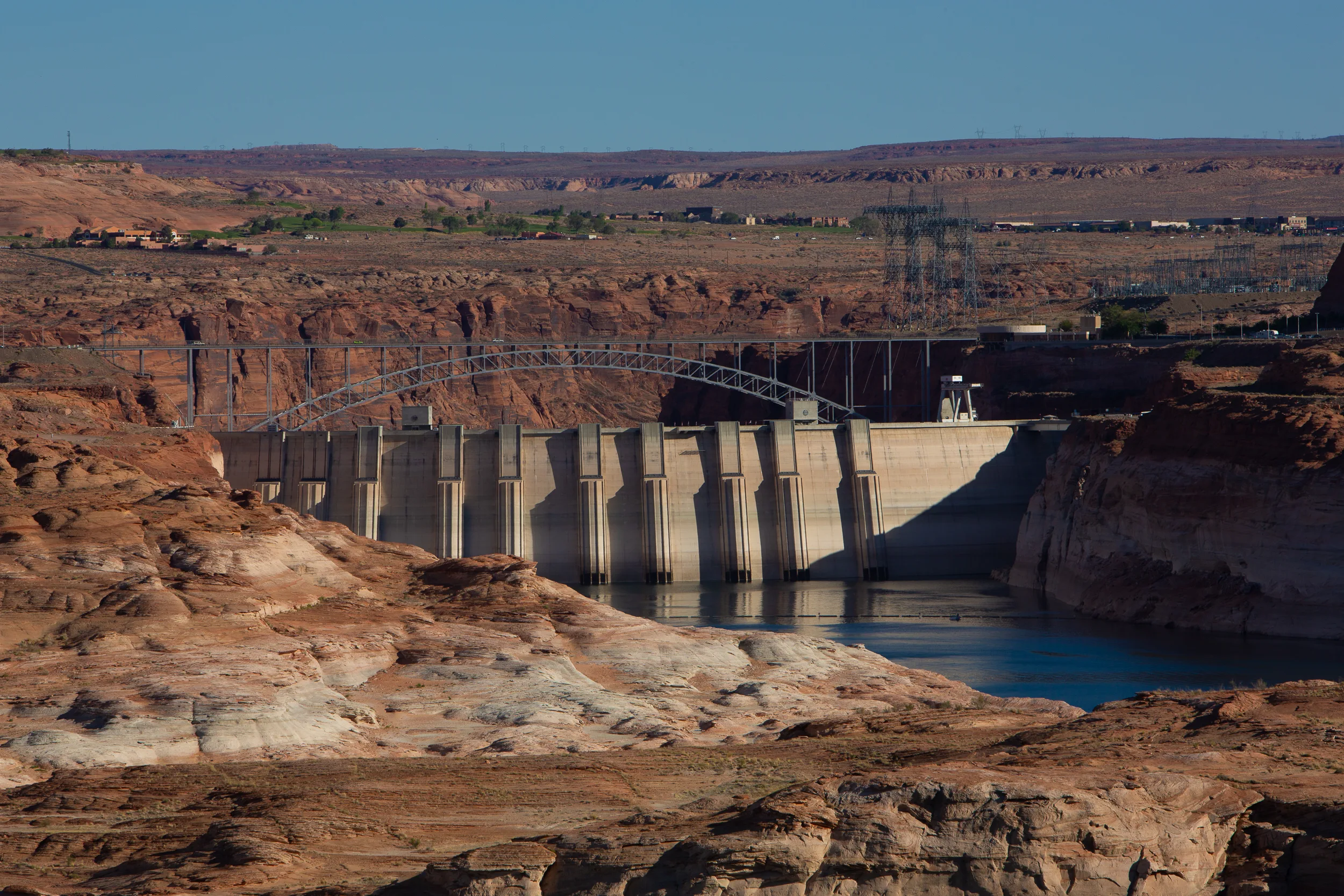
The monumental Glen Canyon Dam, a keystone of water management in the American West, stands as a stark reminder of an era’s optimism confronting today’s harsh climate realities. Completed in 1963 under the leadership of Floyd Dominy, then commissioner of the federal Bureau of Reclamation, its construction was a testament to engineering prowess and a vision of taming the mighty Colorado River. However, Dominy and his contemporaries could not have fully anticipated the profound environmental shifts of the 21st century, marked by dwindling snowpack, soaring temperatures, and persistently low water levels in Lake Powell, the reservoir it created. More critically, the dam’s foundational design, driven by a post-war confidence, left little room for operational flexibility in the face of a prolonged water supply crisis, a crisis that has been decades in the making.
The Colorado River Basin, a lifeline for 40 million people and vast agricultural operations across seven states and 30 tribal nations, is now teetering on the precipice of a full-blown water emergency. For years, the states that claim rights to the river’s diminishing flow have engaged in protracted negotiations, attempting to forge a new management plan as the available water shrinks. A critical deadline of November 11th passed without a resolution, forcing a postponement of a federal government intervention that no party desired. This pattern of missed deadlines and unmet ultimatums has become a recurring theme, highlighting the deep-seated challenges of allocating a resource that is increasingly insufficient to meet demand. Despite clear scientific warnings about climate change and its impact on drought conditions, meaningful, long-term changes in water usage across the basin have been slow to materialize, often overshadowed by short-term conservation measures and political maneuvering.
The seven basin states—California, Arizona, Nevada, Utah, New Mexico, Colorado, and Wyoming—have historically managed their water allocations by drawing from surpluses stored in Lake Mead and Lake Powell during the wetter decades of the 1980s and 1990s. These allocations, however, were established in 1922 under the Colorado River Compact, based on an overestimation of the river’s average flow. This foundational error has rendered the "paper" water rights of many users largely a fiction, a persistent source of conflict. The substantial reserves banked during wetter periods have now been largely depleted; both Lake Mead and Lake Powell currently hover below 30% capacity, with a clear downward trajectory. Climate change has dramatically accelerated this decline, with the river’s flow reduced by approximately 20% this century compared to long-term averages, a trend scientists predict will continue as global temperatures rise.
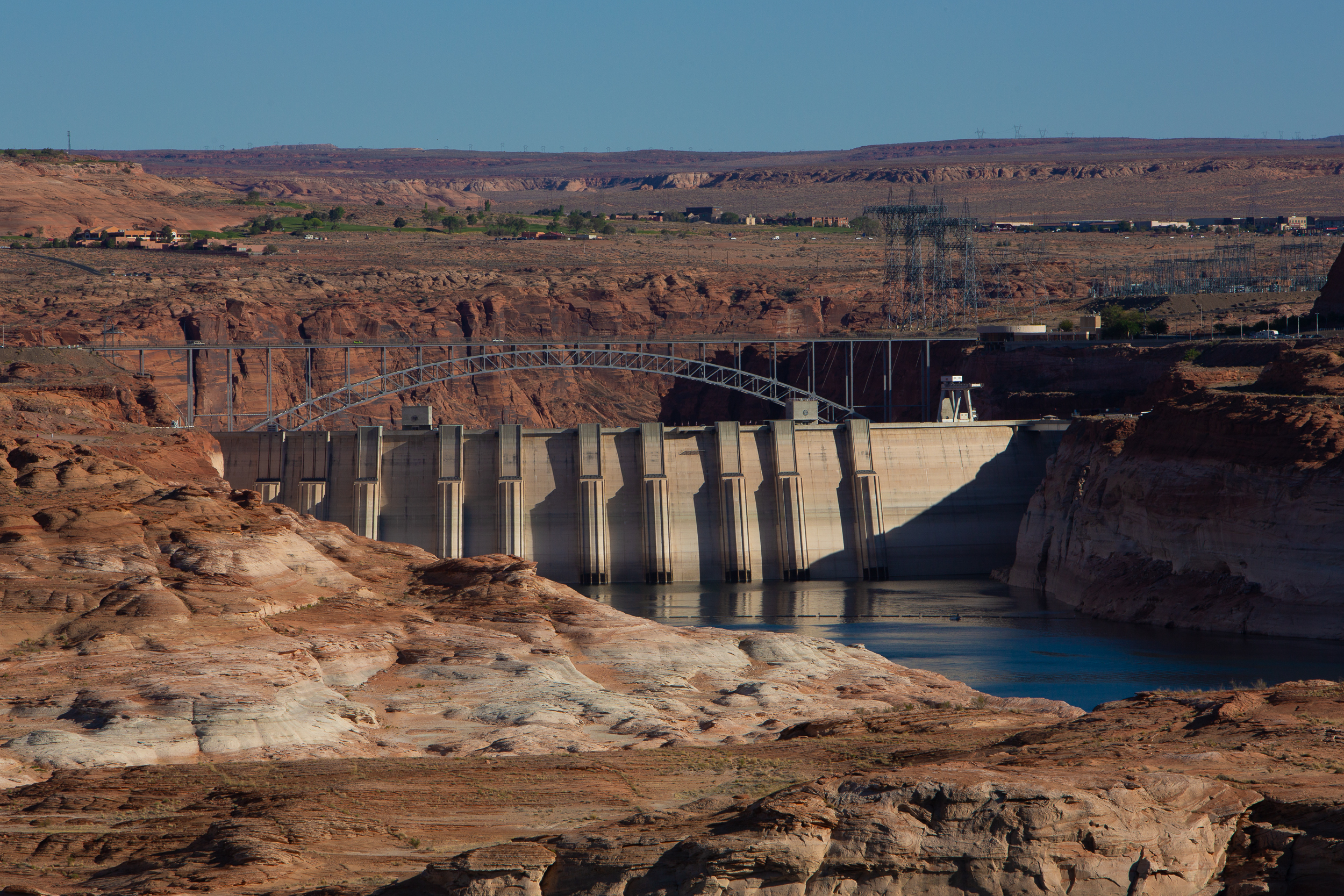
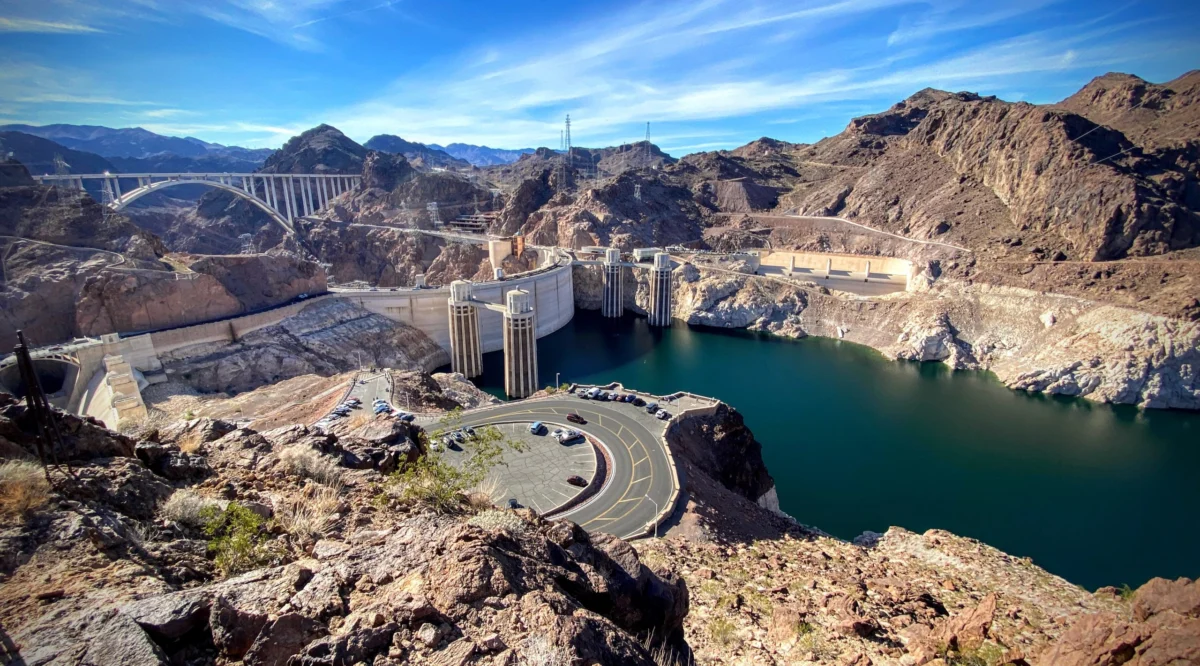
Beyond the allocation disputes, the very infrastructure designed to manage the Colorado River faces its own imminent and potentially catastrophic crisis, a reality that the Bureau of Reclamation has only obliquely acknowledged. The plunging water levels in Lake Powell have exposed critical vulnerabilities within Glen Canyon Dam itself. Designed for a more stable climate, the 710-foot-tall dam’s operational capacity is severely tested by the extreme variability of the Colorado River, which is prone to both devastating floods and prolonged droughts. In a striking instance of this vulnerability, the record-breaking El Niño winter of 1983 nearly led to the dam overtopping, a near-disaster attributed to both mismanagement and a design that lacked sufficient spillway capacity for such extreme flood events. Only improvised measures, including the installation of plywood across the dam’s crest and favorable weather patterns that slowed snowmelt, prevented a catastrophic breach.
Today, the threat to Glen Canyon Dam is reversed: not too much water, but too little. By March 2023, the water level in Lake Powell had dropped to within 30 feet of the minimum power pool elevation of 3,490 feet above sea level. This level, while still 20 feet above the intake ports for the dam’s eight turbines, necessitates their shutdown to prevent cavitation. Cavitation occurs when air is drawn into the intakes, creating explosive bubbles that can severely damage the turbines and the dam’s internal structure.
The implications of reaching minimum power pool are profoundly concerning, as they reveal the dam’s severely limited options for releasing water. Once the turbines cease to function, the only remaining mechanism for passing water through the dam is through the river outlet works (ROWs). These consist of two intakes feeding four 96-inch-diameter steel pipes, with a combined maximum discharge capacity of 15,000 cubic feet per second. However, these ROWs, also known as bypass tubes, possess a critical design flaw: they are not intended for prolonged use and are susceptible to erosion when reservoir levels are low.
During a high-flow release into the Grand Canyon in 2023, conducted at low reservoir levels, damaging cavitation was observed within the ROWs. The Bureau has warned that extended use of these outlets would likely exacerbate this issue, potentially necessitating the complete shutdown of flows. Such a scenario would cripple the dam’s ability to meet its legal downstream delivery requirements, imperiling the water supply for the 25 million people and billions of dollars in agricultural production that depend on the Colorado River. This places Lake Powell, and by extension the entire Colorado River system, perilously close to operational failure.

Should reservoir levels descend to the elevation of the ROWs’ intakes, at 3,370 feet above sea level, Lake Powell would reach "dead pool." At this critical juncture, water would only pass through the dam when the river’s natural inflow exceeded the substantial evaporative losses from the reservoir surface. No further intakes or spillways exist below this level. The vast body of water impounded behind the dam, an estimated 1.7 million acre-feet, would become trapped, stagnant, and susceptible to overheating, algal blooms, and anoxic conditions. Given the lake’s distinctive martini-glass shape, water levels could fluctuate wildly, potentially by as much as 100 feet within a single season, exacerbating ecological instability.
A cessation or significant reduction of water flow through Glen Canyon Dam would trigger a cascade of unprecedented consequences. Major population centers and some of the world’s most significant economies, stretching from the American Southwest to Mexico’s Gulf of California, would face severe water shortages. The delicate ecosystems along the Colorado River, including the Grand Canyon itself, would suffer irreparable damage. In a recent letter to Interior Secretary Doug Burgum, the Lower Basin states of California, Arizona, and Nevada highlighted the Bureau’s omission of the dam’s plumbing vulnerabilities in its environmental impact statement for post-2026 operations, arguing this failure violates federal law. They asserted that addressing the dam’s infrastructure limitations is the most effective long-term measure for improving its operation and management. To date, the Bureau has not formally responded to these concerns.
It is evident that modifications to Glen Canyon Dam are imperative to ensure its continued legal and operational viability. Crucially, any such undertaking must also prioritize the health of the ecosystems within Glen Canyon and the Grand Canyon. The most effective strategy to avert operational failure and its ensuing economic and ecological devastation involves re-engineering the dam to allow the river to flow through or around it at natural river level, thereby restoring the transport of sediment into the Grand Canyon.
Remarkably, a blueprint for such a solution was conceived by Floyd Dominy himself. In 1997, the former commissioner sketched on a cocktail napkin a concept for new bypass tunnels to be excavated through the softer sandstone surrounding the dam. These tunnels, equipped with waterproof valves, would regulate the flow of both water and sediment. This proposal envisions treating the Colorado River, now critically ill, with a form of "open-heart surgery"—a full bypass. Dominy’s napkin sketch, signed and presented to Richard Ingebretsen, founder of the Glen Canyon Institute, represents a potential pathway toward a healthier future for the river and its dependent communities and ecosystems.

However, the window of opportunity to avert dead pool is alarmingly narrow and rapidly closing. The extensive studies, design processes, and implementation timelines associated with any governmental infrastructure project add significant urgency to the situation. Compounding these challenges is the erosion of federal agency expertise and capacity, a consequence of prior administrative actions. Regardless of the outcomes from ongoing negotiations, federal and state authorities must look beyond immediate water disputes and commit to building a sustainable and resilient future for the Colorado River.