Roger Danuarta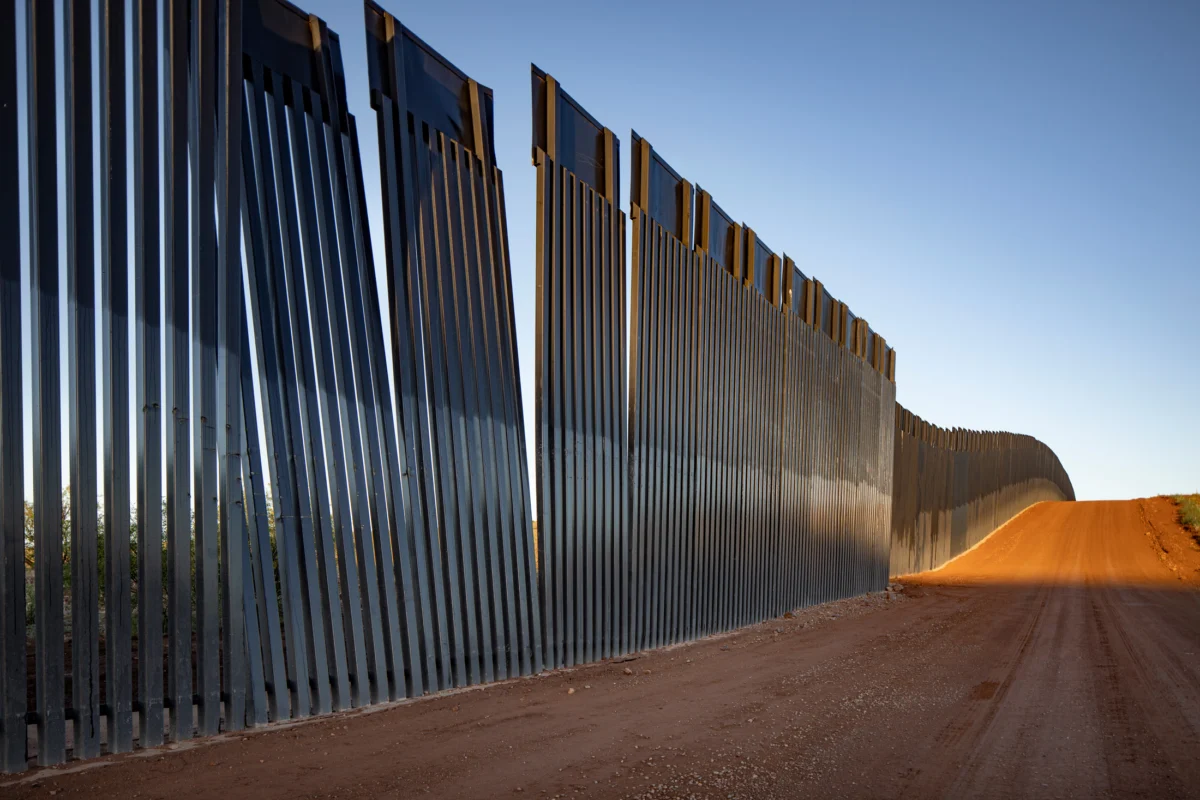
Despite confirming the repair and stating no injuries occurred during the original construction, CBP spokesperson John Mennell notably declined to address specific questions regarding any accident that may have led to the damage, instead directing inquiries to Fisher Sand & Gravel. The North Dakota-based firm, which secured a substantial $309 million contract to erect 27 miles of the border wall, including the segment in Arizona’s School Canyon, remained unresponsive to repeated calls and emails, perpetuating a pattern of opacity that critics argue has become endemic to the controversial border infrastructure project. This lack of accountability and the visible defects fuel a growing chorus of concerns about the integrity and long-term viability of the extensive barrier system.
Advocates and environmental groups contend that the damage and the surrounding mystery are stark symptoms of a chronic lack of transparency pervading border wall construction, an issue exacerbated by a 1996 statute. This powerful legal provision, enshrined in the Illegal Immigration Reform and Immigrant Responsibility Act (IIRIRA) and utilized by multiple administrations, grants the Secretary of the Department of Homeland Security (DHS) sweeping authority to waive dozens of federal laws to accelerate border wall construction. Laiken Jordahl, a national public-lands advocate with the Center for Biological Diversity, sharply criticized this expedited process, asserting it "has created an environment where construction is shoddy by default," effectively bypassing critical environmental reviews, land acquisition procedures, and even fundamental safety and quality standards.

The Trump administration aggressively leveraged this waiver authority, particularly after President Donald Trump declared a national emergency at the border. Then-DHS Secretary Kristi Noem invoked the statute to "ensure the expeditious construction of the barriers and roads," paving the way for lucrative, and often contentious, contracts. Fisher Sand & Gravel, alongside other contractors, secured sections of the wall through a no-bid process, a procurement method that has since become the subject of intense scrutiny and ongoing lawsuits alleging favoritism and a lack of competitive bidding. Further accelerating the pace, Noem also waived compliance with the National Environmental Policy Act (NEPA), foregoing crucial assessments of the border wall’s potential impacts on local communities, Indigenous lands, and the fragile desert environment, thus silencing a vital layer of public and scientific oversight.
Founded by Gene Fisher in 1952, Fisher Sand & Gravel, under the leadership of CEO Tommy Fisher, experienced an unprecedented surge in government contracts during the Trump administrations, reportedly amassing billions from border wall projects. Yet, this financial success has been shadowed by a series of controversies. A notable instance involved a privately funded 3-mile segment of the wall constructed by the firm in Texas in 2020. Erected precariously close to the Rio Grande, this section quickly drew engineering concerns, with experts deeming it vulnerable to collapse. Months after its completion, Hurricane Hanna struck the region, and floodwaters catastrophically carved out significant erosion underneath the wall’s foundation. Within a few short years, parts of this privately built barrier began to warp, serving as a tangible example of the potential pitfalls of rapid construction without adequate environmental and engineering safeguards.
These incidents are not isolated; a broader landscape of construction failures scars the U.S.-Mexico border. A government report highlighted a perilous situation in Arizona’s Pajarito Mountains, where a contractor, Southwest Valley Constructors, cleared vital vegetation that had been preventing erosion, thereby endangering an "entire mountainside" with collapse. Elsewhere, the sheer force of natural elements has exposed other structural weaknesses. Strong winds have repeatedly caused sections of the border wall to nearly collapse in diverse locations such as California and New Mexico, structures built by other contractors. In one instance in New Mexico in 2020, CBP attributed the fall of wall panels to them "pending additional anchoring," underscoring concerns about incomplete construction or inadequate structural reinforcement.

Beyond these structural and engineering shortcomings, the fundamental effectiveness of the border wall as a deterrent remains a contentious debate. Critics, including Jordahl, argue that the wall often functions more as "political theater" than a genuine barrier. He has demonstrated, through videos posted on social media platforms, how smugglers routinely overcome sections of the wall in sensitive areas like Organ Pipe National Monument, utilizing readily available tools like angle grinders to cut through bollards, even after repair crews have re-welded previous breaches. This constant cat-and-mouse game highlights the wall’s limited capacity to halt determined individuals, instead often diverting crossings to more dangerous and remote areas, a phenomenon known as the "balloon effect."
The ecological toll of the wall is profound and far-reaching. The construction has irrevocably damaged pristine desert wilderness, severed critical migration routes for endangered wildlife such as jaguars, ocelots, and Sonoran pronghorn, and disrupted delicate ecosystems. The clearing of vast swathes of land, the extensive use of groundwater for construction, and the construction of access roads have fundamentally altered the hydrological patterns and biodiversity of an already arid region. Furthermore, the wall’s presence has deeply impacted Indigenous communities, whose ancestral lands and cultural sites are bisected, infringing upon their sovereignty and traditional ways of life.
The saga of the damaged border wall in Arizona, therefore, transcends a mere construction defect. It encapsulates a broader narrative of an ambitious, multi-billion-dollar infrastructure project beset by questions of transparency, accountability, and efficacy. As nations globally grapple with complex migration patterns and border security challenges, the experience along the U.S.-Mexico frontier offers a critical case study in the long-term implications of prioritizing speed over environmental due diligence, robust engineering, and public oversight. The persistent structural failures, environmental devastation, and the wall’s limited impact on human migration underscore the urgent need for comprehensive and transparent approaches to border governance that consider all facets of security, human rights, and ecological preservation.