Johny Prima
For generations, the Hopi people have carried prophecies foretelling a seismic shift in the Earth’s equilibrium, a rupture of life brought about by the arrival of non-Indigenous nations. This profound concept is perhaps most widely recognized through the 1982 film Koyaanisqatsi, a Hopi word meaning "life out of balance," which starkly juxtaposes the relentless march of industrialization against the timeless, sacred landscapes of the Hopi ancestral lands. Today, the harrowing signs of these warnings are undeniable, manifest in the record-breaking heat domes, dwindling snowpack, and severe moisture deficits plaguing the American West—a stark validation of what elders and ancestors have communicated for centuries.
At the heart of this unfolding crisis lies Pisisvayu, the venerable Colorado River, now tragically fragmented and stifled. The colossal pah’uutsi, or Glen Canyon Dam, acts as an arterial blockage, transforming the river’s once vibrant flow into the stagnant, baking expanse of Lake Powell. This man-made reservoir, a monument to human ambition, submerges countless sacred sites and historical landscapes, its waters siphoned off to fuel burgeoning development projects in urban centers like St. George, Utah. Consequently, the river’s historic journey to paatuwaqatsi, the Sea of Cortez, is truncated, leaving a desolate delta where life once thrived. Glen Canyon Dam is but one of three major dams in Arizona engineered to impound the Colorado River’s lifeblood, a stark departure from a time when water was revered as an integral part of the family, a sacred trust. The Hopi people, for millennia, have upheld a solemn covenant with the Creator to be diligent stewards of both land and water, a bond deeply ingrained in their cultural fabric.
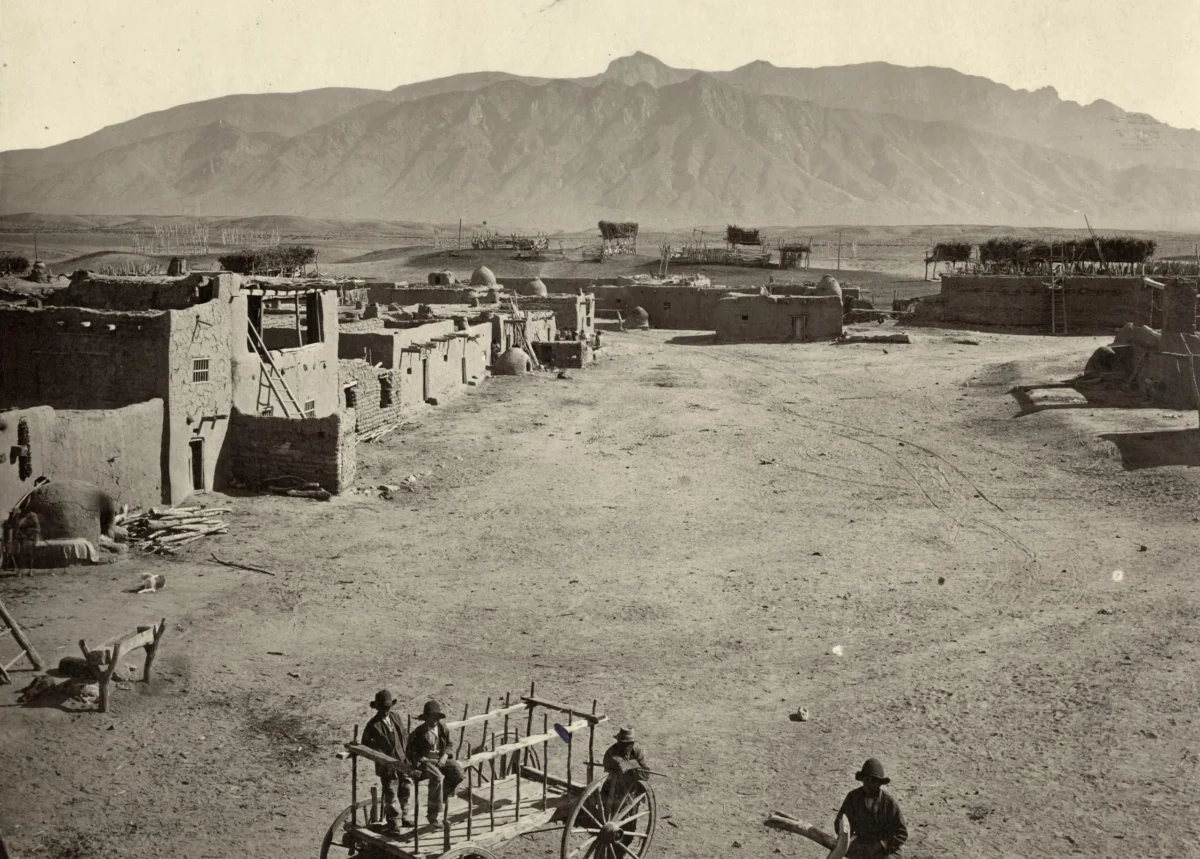
Prior to colonization, the Hopi sustained themselves through arduous journeys, hauling water up steep mesas to their ceremonial kivas and homes, a testament to their reverence for this life-giving force. As master dry farmers, they have, for over 60 years, cultivated food within the confines of the small reservation square in northern Arizona, a territory carved out by the federal government from the vast expanse of Hopitutskwa, their traditional lands. Dry farming, a sophisticated agricultural method that relies exclusively on seasonal rainfall and snowmelt, exemplifies a deep understanding of natural cycles and resilience in arid environments. Beyond farming, many, like this author, have spent decades ranching, utilizing traditional methods such as rounding up cattle on horseback to minimize environmental impact, protecting delicate vegetation and soil structure from the severe damage caused by modern all-terrain vehicles. Even when physical injuries sustained during military service preclude riding, the commitment to stewardship means continuing on foot—a profound expression of the Creator-bestowed responsibility to the land. The use of wood for heating homes further underscores a direct, intimate connection to the land’s resources and the challenges of sustainable living.

Across countless generations, the Hopi have borne witness to monumental transformations impacting animals, people, landscapes, and food systems. They have observed with profound concern as water has been systematically diverted from the land, not for essential sustenance, but for the luxuries of distant urban centers—golf courses and swimming pools fed by the colossal Central Arizona Project (CAP). This immense engineering feat, designed to transport Colorado River water across hundreds of miles, highlights a fundamental disparity: these amenities remain absent on Hopi lands, prompting the poignant question: Is this truly a need, or merely an extravagant want? This dichotomy between perceived necessity and discretionary consumption illuminates the stark imbalance in resource allocation and the underlying values driving modern development.
The prevailing legislative frameworks and management paradigms across all levels of government frequently betray a profound ignorance and an entrenched unwillingness to heed the wisdom of those with generations of experience. The ability to retain precious water on the land remains severely hampered as federal agencies—including the U.S. Forest Service and the Bureau of Land Management, overseen by the U.S. Congress and the executive branch—consistently prioritize external corporate interests over the inherent needs of Indigenous communities and the environment. These entities manage ancestral lands and vital waterways as if they were mere commodities, subject to sale to the highest bidder. A particularly egregious example of this continued colonial ethos is the proposed transfer of Oak Flat, a sacred Apache site in central Arizona, to Rio Tinto, a foreign-owned mining conglomerate, under the dubious pretext of a "prosperous land exchange." Mining is an extraordinarily water-intensive industry, and the question of where the vast quantities of water for such an operation would originate, and who would bear the burden of cleaning up the inevitable pollutants that would flow downstream to major population centers like Phoenix and Tucson, remains largely unanswered and deeply concerning.
Throughout Hopitutskwa, particularly in New Mexico, these same agencies and decision-makers, often beholden to powerful special interests like the oil and gas industry, have facilitated rampant fracking operations. This destructive practice not only exacerbates the global climate crisis but also drains immense volumes of water from already arid lands through its wasteful processes. This pattern of resource exploitation is not confined to the Southwest; it is a global phenomenon, prompting us to repeatedly confront the ethical dilemma: Is this truly a need, or a destructive want? The Hopi believe that upon death, the body’s moisture returns to the Earth, transforming them into Oomawsinom, the revered Cloud People. The pervasive emissions, pollutants, and profound disrespect for water actively obstruct the completion of this vital spiritual journey, severing a fundamental connection to the cycle of life.
In Arizona, a flurry of anti-wolf and anti-wildlife legislation has been introduced at both state and federal levels, driven primarily by the cattle industry and aimed at enriching distant shareholders who have no direct connection to the land. One such bill, HB 2160, even sought to empower specific interest groups to manage wolves should they fall under state jurisdiction, conspicuously excluding tribal voices. This omission is particularly galling given that Indigenous communities have coexisted with wolves and other so-called "predators" for millennia without succumbing to such manufactured panic. This author believes such legislative efforts represent a deliberate distraction, a constructed hysteria designed to divert attention from holding state and federal agencies accountable for the dire fate of numerous wild creatures. Scientific data overwhelmingly demonstrates that wolves are keystone species, vital to maintaining ecological balance and, critically, to retaining water on the land. The Creator, in forming humans and animals, established a delicate ecosystemic balance, populating the world not just with people to manage the land, but also with waterfowl, reptiles, amphibians, and raptors—all serving as messengers to bring water back to the land, each playing an indispensable role in the intricate web of life.

The U.S. Forest Service and the Bureau of Land Management are bound by a "multiple use mandate" that fundamentally treats aboriginal lands as a balance sheet, employing outdated metrics of success such as livestock headcounts or timber volume. While these agencies are legally mandated to consult with tribes, this often devolves into perfunctory 30-minute phone calls with tribal government officials, entirely lacking the meaningful, face-to-face engagement and deep relational work essential for true collaboration with cultural practitioners. Crucially, consultation does not equate to consent. The stark reality is that oil and money cannot sustain life; water is the ultimate currency. These so-called public lands are rapidly drying out due to relentless overgrazing, aggressive thinning practices, and the burgeoning recreational demands of all-terrain vehicle use. Compounding these issues, the few environmental protections enacted to guide responsible land use have been systematically dismantled by administrations heavily influenced by the fossil fuel industry. We are losing critical time defending fundamental protections, time that should be proactively spent compelling these agencies to genuinely serve the people, the land, and the animals, by redefining success to focus on keeping water on the land through abundant biodiversity, enhanced habitat connectivity, and authentic co-existence.
The mismanagement of land and water in the relentless pursuit of profit is the foundational cause of this global disaster and the ongoing erosion of life. It is the very reason ancestral sites were submerged beneath the waters of Lake Powell. Settlers harbored the belief that they could physically contain a wild river within an unnatural concrete basin, bending its formidable will to their own. Yet, as the waters of Lake Powell recede dramatically due to the accelerating climate crisis, and ancestral sites gradually re-emerge, the Hopi have always understood the futility of such an endeavor. Water is not truly held in man-made reservoirs; it is held naturally within the bodies of animals, within the vibrant branches of trees, and crucially, within the moisture-rich soil of ancient forests. Water is retained on the land when deer and elk populations are naturally regulated by their wolf relatives, allowing essential vegetation to flourish and bind the soil. Water is preserved when it is not ruthlessly drilled, blasted, or extracted from the Earth’s depths for fracking and mining. Ultimately, water is held within our own human bodies, intricately connected to the entire living system, every single drop precious. Paahuquatsi—water is life. Kwakwákwy: Thank you.